Whether an Italian Greyhound Has a Sensitive Stomach
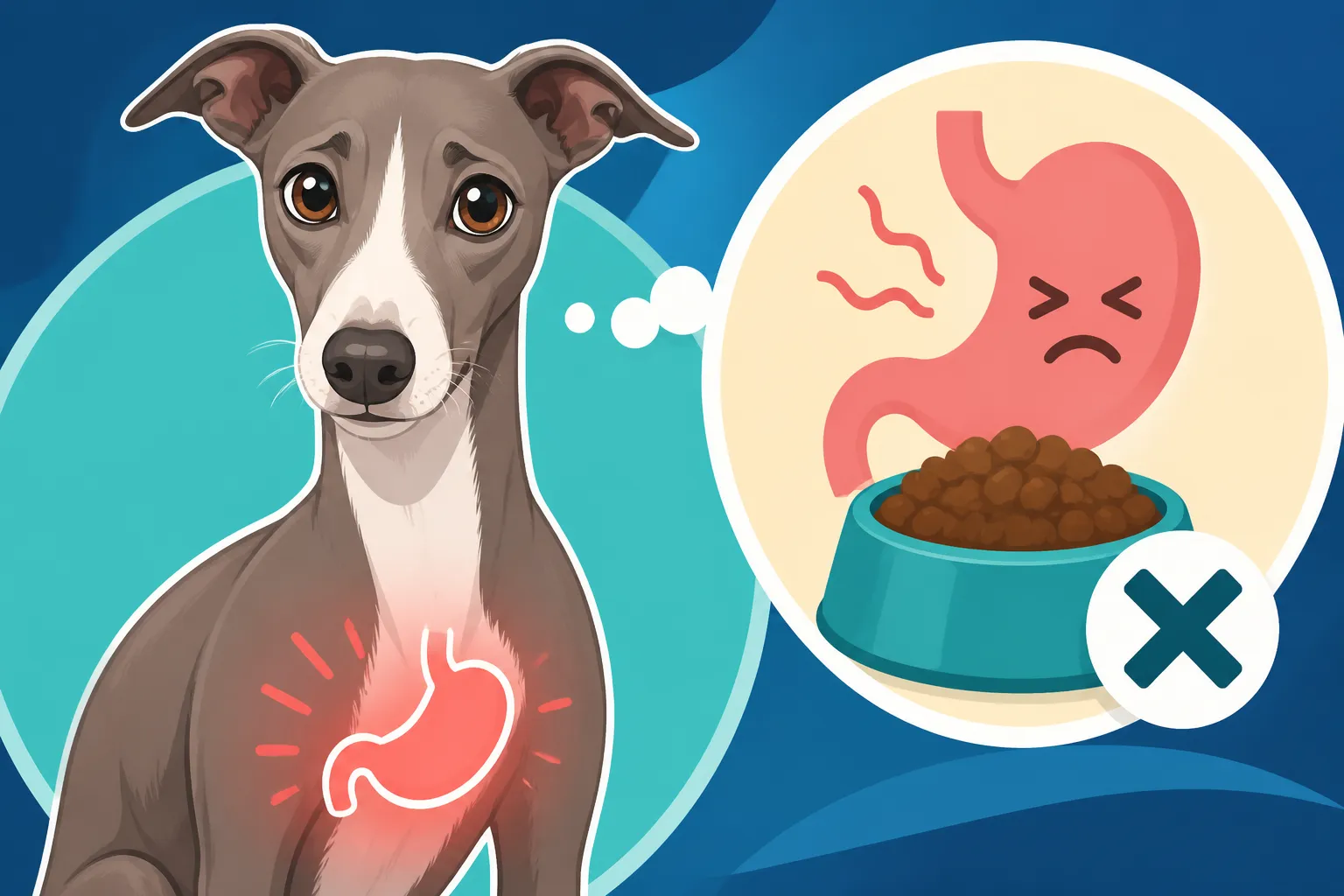
It’s a common worry for Italian Greyhound owners: that moment when your typically vibrant little companion suddenly seems off, maybe refusing their food or having an upset tummy. You might start to wonder, is this just a one-off, or do Italian Greyhounds inherently have sensitive stomachs? While not every Italian Greyhound will suffer from chronic digestive issues, they are a delicate breed, and their lean build and sometimes finicky eating habits can certainly make them seem more prone to tummy troubles than some other dogs. This guide will help you understand the common signs, potential causes, and practical steps you can take to manage and hopefully prevent digestive upset in your beloved IG.
Understanding the Italian Greyhound's Digestive System
Italian Greyhounds are sighthounds, and their physical build and metabolism are quite distinct from many other breeds. They are known for their slender bodies, low body fat, and sometimes a higher energy expenditure. All of these factors can play a role in how their digestive system functions and how they react to dietary changes or environmental stressors.
Why Their Metabolism Matters
Our IGs are often described as having "high metabolisms," which isn't always entirely accurate in the way people think about it. What's more accurate is that they carry very little insulating body fat, which means they burn calories quickly to stay warm, and they don't have much reserve if they stop eating. This can make them feel the cold more, which sometimes translates into being a bit more sensitive overall, including digestively. Their systems are designed for quick bursts of energy, not necessarily for digesting a wide variety of foods with heavy fat content or unusual ingredients. A slight digestive upset in a robust, stocky breed might be a minor inconvenience, but in a tiny Italian Greyhound, it can quickly lead to more noticeable symptoms like lethargy or rapid weight loss, which are always alarming.
Imagine your IG, already shivering in a slightly cool room because they cannot hold their own heat (Why an Italian Greyhound Cannot Hold Its Own Heat), then add a stomachache to that. They become even more uncomfortable and can go downhill fast. Their lean physique also means there's less "padding" around their internal organs, and any bloating or discomfort can be more acutely felt and observed by us, their vigilant parents.
Common Signs of a Sensitive Stomach
So, what does a "sensitive stomach" actually look like in an Italian Greyhound? It's not always dramatic vomiting, though that's certainly a sign. Often, it's more subtle. You might notice:
- Loose Stools or Diarrhea: This is probably the most common indicator. It can range from soft-serve consistency to completely liquid.
- Frequent or Excessive Gas: While all dogs pass gas, an unusually smelly or frequent production can point to digestive distress.
- Decreased Appetite or Picky Eating: Your IG might turn their nose up at food they usually gobble down. Sometimes, they'll eat a little, then walk away. Why an Italian Greyhound Refuses Its Dinner talks more about this.
- Vomiting: This can be occasional, after eating something specific, or more frequent. Look at the timing – is it right after a meal, or hours later?
- Regurgitation: Sometimes mistaken for vomiting, this is when food comes back up shortly after eating, often undigested, because it never reached the stomach.
- Licking Lips or Swallowing Repeatedly: These can be signs of nausea or acid reflux.
- Abdominal Pain or Discomfort: Your IG might seem hunched, reluctant to be picked up, or sensitive when you touch their belly.
- Weight Loss: If a sensitive stomach leads to chronic malabsorption or refusal to eat, weight loss will inevitably follow. Signs an Italian Greyhound Is Underweight is a helpful read here.
It's important to remember that these signs can also indicate more serious underlying health issues, so if they persist or are accompanied by other worrying symptoms, a vet visit is always in order.
Common Causes of Gastrointestinal Upset in Italian Greyhounds
Pinpointing the exact cause of a sensitive stomach can be like solving a puzzle. It’s rarely just one thing, and often a combination of factors. For our delicate Italian Greyhounds, several common culprits tend to emerge.
Dietary Indiscretions and Changes
This is probably the number one reason any dog, including an IG, experiences tummy upset. IGs can be surprisingly adept at counter-surfing or snagging dropped morsels, and their systems aren't always equipped to handle human foods, especially rich, fatty, or spicy items. A sudden change in their regular dog food can also throw their system for a loop.
Think about it: one day they're on their carefully chosen kibble, and the next, a well-meaning relative sneaks them a bite of greasy bacon or a piece of cheese. For many dogs, it might just result in a slightly softer stool. For an Italian Greyhound, that small indulgence can mean a day or two of diarrhea, cramping, and a very unhappy pup. Even switching brands of dog food too quickly, without a gradual transition, can lead to problems. Their digestive enzymes need time to adjust to new protein sources, fat levels, and carbohydrate types. We often assume a "good" food is good no matter what, but even the best brands can cause issues if introduced abruptly.
Food Sensitivities and Allergies
Beyond just eating something "bad," some Italian Greyhounds develop genuine sensitivities or allergies to specific ingredients in their food. Common culprits include chicken, beef, dairy, wheat, soy, or certain artificial additives. These aren't immediate reactions like eating a dropped french fry; rather, they cause chronic inflammation in the digestive tract over time.
You might not see acute vomiting, but rather persistent loose stools, excessive gas, itchy skin, or ear infections, which many owners don't immediately connect to digestive health. It's a frustrating cycle because symptoms can be mild and waxing and waning, making it hard to identify the trigger. An elimination diet, done under veterinary guidance, is often the best way to uncover these underlying issues. This involves feeding a novel protein and carbohydrate source (something your dog has never eaten before) for several weeks, then slowly reintroducing old ingredients to see what causes a flare-up. Brands like Chewy and Amazon offer a wide variety of limited ingredient diets that can be a starting point for these investigations.
Stress and Anxiety
Italian Greyhounds are notorious for being sensitive little souls. They bond deeply with their people and thrive on routine. Any disruption to their environment or schedule can manifest as stress, and stress, in turn, can wreak havoc on their digestive system. This is a common phenomenon in many species – "stress colitis" is a real thing.
Moving to a new home, a change in work schedule, visitors, loud noises, or even the addition of a new pet can trigger an upset stomach. You might notice your IG having diarrhea right after a stressful event, even if their diet hasn't changed. They're often called "velcro dogs" because they crave proximity to their humans, and separation anxiety is not uncommon. A truly anxious IG might develop chronic digestive issues if their anxiety isn't addressed. It's a reminder that their physical health is deeply intertwined with their emotional well-being. Signs an Italian Greyhound Has Separation Anxiety delves into this further.
Parasites and Infections
Less common than dietary issues but certainly possible, internal parasites (like worms, giardia, or coccidia) or bacterial/viral infections can cause severe gastrointestinal distress. These can lead to acute vomiting, diarrhea, lethargy, and sometimes blood or mucus in the stool.
Puppies are especially vulnerable to parasites, which is why regular deworming is crucial. Even adult dogs can pick them up from contaminated environments, like dog parks or even their own backyard if wildlife passes through. Your vet can perform a fecal test to identify these issues and prescribe appropriate medication. Prompt treatment is important, especially in small breeds, as dehydration can quickly become a serious concern with persistent vomiting and diarrhea.
Managing an Italian Greyhound's Sensitive Stomach
If your Italian Greyhound is showing signs of a sensitive stomach, don't despair! There are many proactive steps you can take to help them feel better and reduce future occurrences. The key is consistency, careful observation, and a partnership with your veterinarian.
Choosing the Right Diet
The foundation of managing a sensitive stomach is often a carefully chosen diet. Many IGs thrive on high-quality, easily digestible food. When looking at options, consider foods with:
- Limited Ingredients: Fewer ingredients mean fewer potential allergens or irritants. Look for a single protein source and a single carbohydrate source (e.g., lamb and rice, duck and potato).
- Novel Proteins: If your IG has sensitivities, switching to a protein they haven't had before (like venison, rabbit, or salmon) can be beneficial.
- Appropriate Fat Content: While IGs are lean, they still need healthy fats. However, overly rich or fatty foods can trigger pancreatitis in sensitive individuals.
- Probiotics and Prebiotics: Some foods include these, or you can add them as supplements. They help support a healthy gut microbiome, which is crucial for digestion.
Many commercial foods are formulated for "sensitive stomachs" or "digestive health." It might take some trial and error to find what works best for your specific IG. Sites like Chewy offer a vast selection of these specialized diets, making it easier to compare ingredients and customer reviews. Some owners also find success with fresh food diets, like those from Ollie, which often use whole, human-grade ingredients that can be gentler on sensitive systems. Remember to transition any new food gradually over 7-10 days to avoid further upset.
Creating a Stable Environment and Routine
Since stress can trigger digestive issues, providing a calm, predictable environment is paramount for an Italian Greyhound. They are creatures of habit and thrive on knowing what to expect.
- Consistent Schedule: Feed meals at the same time each day, follow a regular potty schedule, and maintain a predictable bedtime routine. This predictability reduces anxiety.
- Safe Spaces: Ensure your IG has a quiet, comfortable place they can retreat to if they feel overwhelmed or need to decompress. A crate covered with a blanket can be a wonderful den.
- Positive Reinforcement: Use gentle, positive training methods. Why Raising Your Voice Sets an Italian Greyhound Back a Month highlights how sensitive they are to harsh correction.
- Manage Triggers: If you know certain situations stress your IG (e.g., loud parties, car rides), try to mitigate them or provide extra comfort and reassurance. Calming aids, pheromone diffusers, or even a comforting snuggle can make a difference.
A stable routine helps to regulate their internal clock and reduces the physiological stress response that can manifest as an upset tummy.
Supplements and Home Remedies
Before adding any supplements, always consult your veterinarian, especially if your IG is already experiencing symptoms. However, certain supplements can be helpful for ongoing stomach sensitivity.
- Probiotics: These beneficial bacteria can help rebalance gut flora, especially after a bout of diarrhea or antibiotic use. Your vet can recommend a good canine-specific probiotic.
- Digestive Enzymes: For dogs with poor digestion or malabsorption, enzymes can help them break down food more efficiently.
- Fiber: Sometimes, a little extra fiber (like pure canned pumpkin, not pie filling!) can help firm up loose stools or regulate bowel movements. Again, moderation is key.
For acute, mild upsets, a bland diet is often recommended by vets: plain, boiled boneless, skinless chicken breast mixed with plain, cooked white rice. This is typically given for a few days until symptoms resolve, then you slowly transition back to their regular food. Always have this conversation with your vet first to rule out anything serious. Amazon is a good resource for finding canine-specific probiotic supplements or even plain canned pumpkin if your local store is out.
When to Seek Veterinary Care
While some mild digestive upsets can resolve with home care and dietary adjustments, it's crucial to know when to escalate the situation and seek professional veterinary attention. Our Italian Greyhounds, being so small and delicate, can dehydrate rapidly, and what might seem minor in a larger dog can quickly become serious for them.
Red Flag Symptoms
Certain symptoms warrant an immediate call to your veterinarian. Do not wait to see if these resolve on their own:
- Persistent Vomiting: If your IG is vomiting multiple times in a short period, or if it continues for more than 12-24 hours.
- Severe Diarrhea: Especially if it's watery, profuse, or lasts for more than a day, or if it's accompanied by lethargy.
- Blood in Vomit or Stool: Any visible blood, whether bright red (fresh) or dark and tarry (digested blood), is a serious concern.
- Extreme Lethargy or Weakness: If your IG is unusually quiet, unresponsive, or struggles to stand.
- Signs of Pain: Whining, hunched posture, sensitivity to touch around the abdomen, restlessness, or inability to get comfortable.
- Dehydration: Sunken eyes, dry gums, or skin that stays tented when gently pinched on the back of the neck.
- No Improvement: If mild symptoms (like mild diarrhea) don't start to improve within 24-48 hours of bland diet and rest.
In cases like these, your vet will want to perform a thorough examination, which might include blood work, fecal tests, or X-rays to rule out underlying issues like foreign body ingestion, pancreatitis, or more serious infections. What an Italian Greyhound's Emergency Vet Visit Costs can give you an idea of potential expenses, which is why having an emergency fund is always a good idea.
Diagnostic Tools and Treatments
When you bring your Italian Greyhound to the vet for a sensitive stomach, they have several tools at their disposal to get to the bottom of the issue.
- Physical Exam: Your vet will palpate your IG's abdomen, check hydration levels, and listen to their heart and lungs.
- Fecal Examination: This microscopic analysis can identify parasites, abnormal bacteria, or other issues in the stool.
- Blood Work: A complete blood count (CBC) and chemistry panel can check for infection, inflammation, organ function abnormalities (like pancreatitis), and electrolyte imbalances due to dehydration.
- Imaging (X-rays or Ultrasound): These can help identify foreign objects, intestinal blockages, organ enlargement, or other structural problems.
Once a diagnosis is made, treatment will vary. It might involve medications for nausea, diarrhea, or pain, antibiotics for bacterial infections, dewormers for parasites, or even surgery in severe cases of obstruction. Intravenous fluids are often necessary for dehydrated IGs. The good news is that with prompt veterinary care, most Italian Greyhounds recover well from acute gastrointestinal issues.
The Importance of Ongoing Communication
Living with an Italian Greyhound who has a sensitive stomach is often an ongoing journey. Maintaining an open dialogue with your veterinarian is crucial for long-term management. Keep a journal of your IG's symptoms, food intake, and any changes in their environment. This detailed information can be invaluable to your vet when trying to identify patterns or rule out triggers.
Don't hesitate to call your vet's office with questions or concerns, even if you think they're minor. They are your best resource for tailored advice for your specific pet. Together, you can create a management plan that keeps your Italian Greyhound comfortable, well-nourished, and thriving, despite their delicate nature. They may be small, but their health is a big priority, and understanding their unique digestive needs is a huge part of being a responsible IG parent.
Table: Common Italian Greyhound GI Symptoms and Possible Meanings
| Symptom | Possible Mild Causes | Possible Serious Causes | What to Observe |
|---|---|---|---|
| Loose Stools/Diarrhea | Diet change, stress, minor indiscretion | Parasites, infection, pancreatitis, allergies | Frequency, color, consistency, odor, presence of blood/mucus, duration |
| Vomiting | Eating too fast, mild upset, car sickness | Foreign body, infection, pancreatitis, toxicity | Frequency, timing (after eating?), content (food, bile, foam), lethargy |
| Excessive Gas | Diet change, food intolerance | Food allergies, malabsorption, gut dysbiosis | Frequency, odor, correlation with specific foods |
| Decreased Appetite | Picky eating, stress, mild nausea | Pain, fever, infection, organ disease, dental issues | Duration, any accompanying symptoms, water intake |
| Licking Lips/Nausea | Acid reflux, mild upset, motion sickness | Pancreatitis, kidney disease, anxiety | Frequency, timing, changes in behavior |
| Abdominal Pain | Gas, mild cramping | Bloat, obstruction, pancreatitis, infection | Hunched posture, reluctance to move, guarding abdomen |
Disclaimer
This article is for general informational purposes only and does not constitute professional advice. Laws, prices and regulations vary by location and change over time. Consult a qualified professional for guidance on your specific situation.