Whether an Italian Greyhound Needs High Fat Food
One of the most common worries Italian Greyhound owners have is whether their lean, delicate-looking companion is getting enough to eat, especially when their ribs are so prominent. It’s easy to look at their slender build and immediately think they must need a diet rich in fat to bulk them up, or at least keep them healthy. But the truth about feeding an Italian Greyhound, particularly concerning high-fat diets, is a bit more nuanced than you might expect, and it's something many of us wrestle with trying to get just right. This guide is here to help you understand your Italian Greyhound's unique dietary needs and clarify whether a high-fat food is truly what they require.
The Unique Metabolism of an Italian Greyhound
Italian Greyhounds are sighthounds, and with that comes a very distinct physiology and metabolism that sets them apart from many other dog breeds. Their bodies are built for speed and agility, not for carrying extra weight, which means they process nutrients differently. It's not uncommon to look at an IG and feel like they're "too thin" by conventional dog standards, but that lean, athletic build is perfectly normal for them.
Why They're So Lean
Imagine a marathon runner versus a bodybuilder. Your Italian Greyhound is more akin to the marathon runner – long, lean muscles, minimal body fat, and an incredibly efficient system for converting food into energy. They naturally carry very little subcutaneous fat, often around Why an Italian Greyhound Carries Almost No Body Fat is a common trait, making their ribs and hip bones quite visible. This isn't a sign of starvation; it's just how they're built. Their metabolism is designed to burn through calories quickly and efficiently, giving them bursts of energy for those famous "zoomies" or chasing after a perceived squirrel in the yard.
Because they are so active in short bursts and their bodies are optimized for lean performance, they require a diet that provides sustained energy without causing them to become sluggish or put on unhealthy weight. They’re not prone to packing on pounds easily, but if they do, it can put undue stress on their delicate bone structure, especially their legs. This delicate balance is why understanding their metabolism is crucial before making drastic changes to their diet.
The Role of Fat in an Italian Greyhound's Diet
Fat is an essential macronutrient for all dogs, providing concentrated energy, aiding in the absorption of fat-soluble vitamins (A, D, E, K), and supporting healthy skin and a shiny coat. For Italian Greyhounds, fat is certainly important, but it’s the amount and type of fat that matters, not necessarily just "more" of it.
Finding the Right Balance
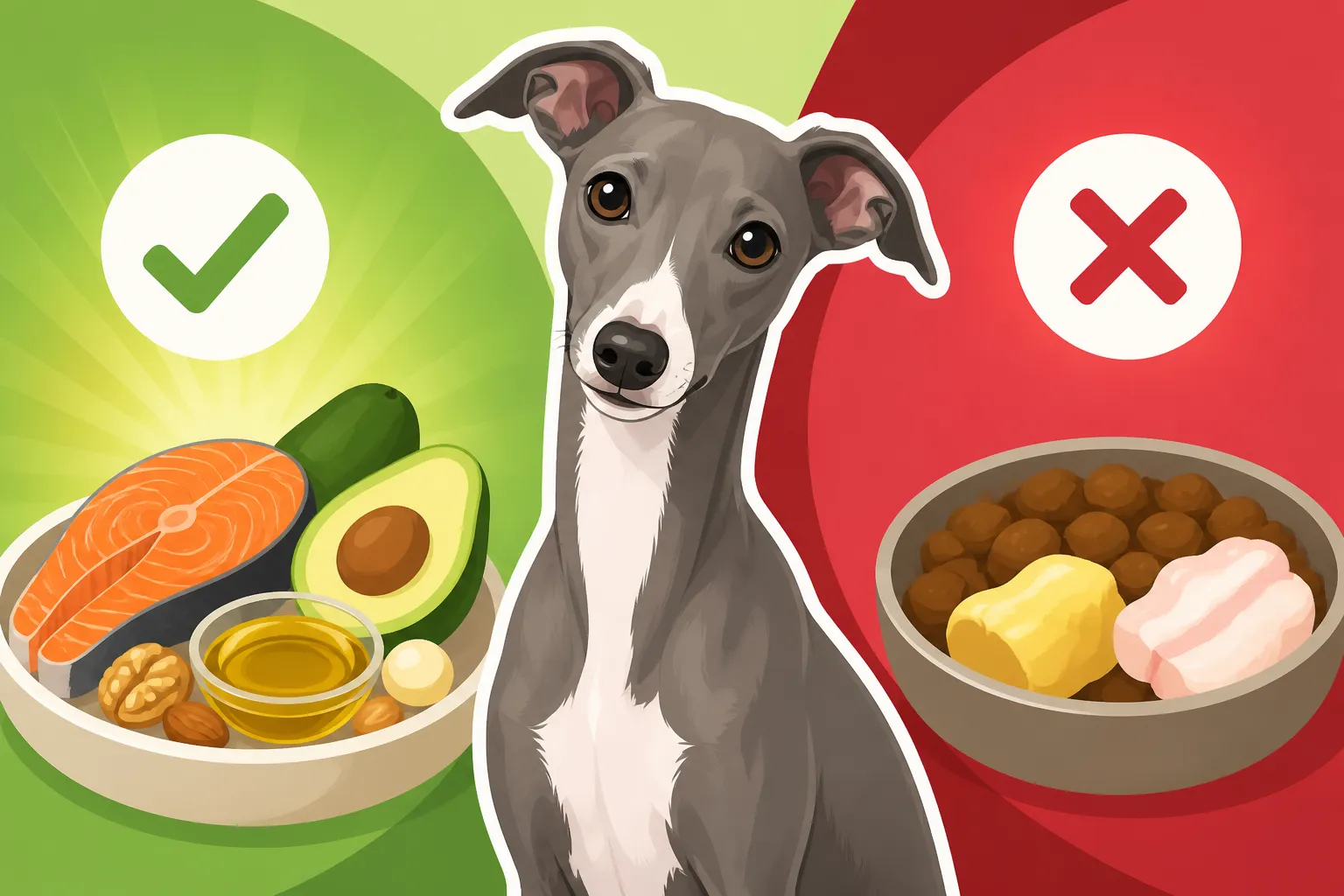
A typical adult dog food will have a fat content ranging from about 12% to 18% on a dry matter basis, which is usually perfectly adequate for an active Italian Greyhound. The key isn't necessarily to seek out foods labeled "high-fat," which might contain upwards of 20-25% fat, but rather to ensure the food provides high-quality, easily digestible fat sources. Things like chicken fat, salmon oil, and flaxseed oil are excellent sources of essential fatty acids, including omega-3s and omega-6s, which contribute to not just energy, but also healthy joints and a resilient immune system.
When you're Feeding an Italian Greyhound That Carries Seventeen Percent Body Fat, you're aiming for optimal health and energy, not just adding padding. Too much fat, especially unhealthy saturated fats, can lead to digestive upset, weight gain (which for an IG is more concerning than in sturdier breeds), and in some rare cases, conditions like pancreatitis. The goal is nutrient density and balance. If you're comparing food options, look at the guaranteed analysis on the bag. A good quality kibble, or even fresh food options from companies like Ollie, often provide a well-rounded nutrient profile that supports their high-energy, lean build without being excessively fatty. Remember, How Much an Adult Italian Greyhound Eats will depend on their individual metabolism and activity level, but generally, it's not a huge volume of food.
Quality Over Quantity
It’s tempting to think that if your Italian Greyhound is thin, they need more fat. However, a better approach is to focus on the overall quality and caloric density of their food. A high-quality food with a moderate fat content will provide more usable energy and nutrients than a lower quality, albeit higher-fat, alternative. Look for ingredients where the fat source is clearly identified and comes from healthy animal or plant sources.
For example, a food with chicken fat and fish oil listed in the ingredients is generally preferable to one with generic "animal fat." Checking ingredient lists is something many IG owners do meticulously, and retailers like Chewy often provide detailed ingredient breakdowns online, making it easier to compare. Don't forget that Whether an Italian Greyhound Needs Small Breed Kibble is often more about kibble size for their tiny mouths, rather than a specific nutritional profile necessarily different from other high-quality adult dog foods.
When a Higher Fat Food Might Be Considered (and with caution)
While generally Italian Greyhounds do well on moderate-fat diets, there are some very specific circumstances where a slightly higher fat content might be discussed with your veterinarian. However, these situations are usually temporary or for dogs with very particular needs, and it should always be under professional guidance to avoid unintended health consequences.
Specific Scenarios and Veterinary Guidance
Consider a highly active Italian Greyhound participating in regular performance sports like lure coursing, or one that consistently struggles to maintain a healthy weight despite being fed ample amounts of a high-quality, balanced diet. In these cases, a vet might suggest a food with a slightly higher fat percentage to provide more concentrated calories. Even then, "higher fat" for an IG might still be well within the "normal" range for a working breed, perhaps in the 18-20% range, rather than an extreme 25%+. It's a subtle adjustment, not a complete overhaul.
Another scenario could be during recovery from certain illnesses or if a dog has specific malabsorption issues that prevent them from gaining weight effectively. Again, this is a medical decision, and the type of fat, along with other nutrients, would be carefully managed by your vet. It's critical to understand that simply offering a higher fat food without addressing the root cause of weight loss or providing proper veterinary oversight can do more harm than good. Signs an Italian Greyhound Is Underweight can sometimes indicate underlying health issues that need diagnosis, not just a change in diet.
Potential Downsides of Excessive Fat
It’s vital to be aware of the risks associated with feeding too much fat. For Italian Greyhounds, their delicate systems can be sensitive. Overfeeding fat can lead to:
- Pancreatitis: This is an inflammation of the pancreas, which can be extremely painful and dangerous, especially in smaller breeds. Symptoms include vomiting, diarrhea, abdominal pain, and lethargy.
- Digestive Upset: Too much fat can simply overwhelm their digestive system, leading to diarrhea or greasy stools.
- Unhealthy Weight Gain: While Italian Greyhounds are typically lean, it's not impossible for them to become overweight, particularly if they are less active or being overfed a calorie-dense diet. An overweight Italian Greyhound is at a significantly higher fracture risk (Why an Overweight Italian Greyhound Is at Fracture Risk), which is something every IG owner tries desperately to avoid.
- Nutritional Imbalance: Focusing solely on fat might inadvertently lead to a deficiency in other crucial nutrients if the overall diet isn't balanced.
Before making any changes, always consult your veterinarian. They can assess your dog's current body condition, activity level, and overall health to recommend the most appropriate diet.
Here's a general comparison to illustrate the differences in dietary fat considerations:
| Factor | Typical Italian Greyhound Needs (Moderate Fat) | Situational (Higher Fat, Vet Guided) | Potential Risks of Excess Fat (Without Vet Guidance) |
|---|---|---|---|
| Fat Percentage (Dry) | 12-18% | 18-20% (for specific cases) | 20%+ regularly for no medical reason |
| Energy Source | Balanced protein, fat, complex carbohydrates | Increased fat for concentrated calories | Too much fat can overwhelm digestive system |
| Body Condition | Lean, ribs easily felt but not prominent; visible waist tuck | For extremely active or medically underweight IGs only | Obesity, increased fracture risk, joint strain |
| Digestive Impact | Healthy digestion, firm stools | Managed to ensure no upset | Pancreatitis, diarrhea, vomiting, greasy stools |
| Long-Term Health | Optimal health, lean muscle mass, healthy skin/coat | Targeted support for specific needs | Nutritional imbalances, chronic health issues |
| Veterinary Involvement | Regular wellness checks | Essential for diet changes and monitoring | Severe health problems requiring emergency vet care |
Remember, the vast majority of Italian Greyhounds thrive on a good quality, complete, and balanced dog food that features a moderate level of fat. What an Italian Greyhound Eats in a Month should reflect their caloric needs, not an excessive amount of fat.
Choosing the Right Food and Monitoring Your Italian Greyhound
So, if a high-fat diet isn't typically the answer, how do you ensure your Italian Greyhound is getting what they need? It comes down to selecting a high-quality, complete and balanced dog food and diligently monitoring your dog's body condition.
Prioritizing Quality and Balance
When you're at the pet store or browsing online on platforms like Amazon, look for dog food brands that emphasize quality ingredients. The first few ingredients should ideally be identifiable protein sources (like chicken, lamb, fish) followed by whole grains or easily digestible carbohydrates, and then healthy fats. The "complete and balanced" label on a bag of kibble signifies that it meets the nutritional requirements set by bodies like the AAFCO (Association of American Feed Control Officials) for your dog's life stage (puppy, adult, all life stages). This means all essential nutrients, including fats, are present in appropriate ratios.
Don't get too caught up in marketing buzzwords; instead, focus on the ingredient list and the guaranteed analysis for protein, fat, and fiber. For most Italian Greyhounds, a diet with a moderate fat content and good quality protein will provide all the necessary building blocks for their energy needs and lean musculature. How Fussy an Italian Greyhound Is About Food can sometimes be an issue, so finding a palatable, high-quality food is key.
The Importance of Body Condition Scoring
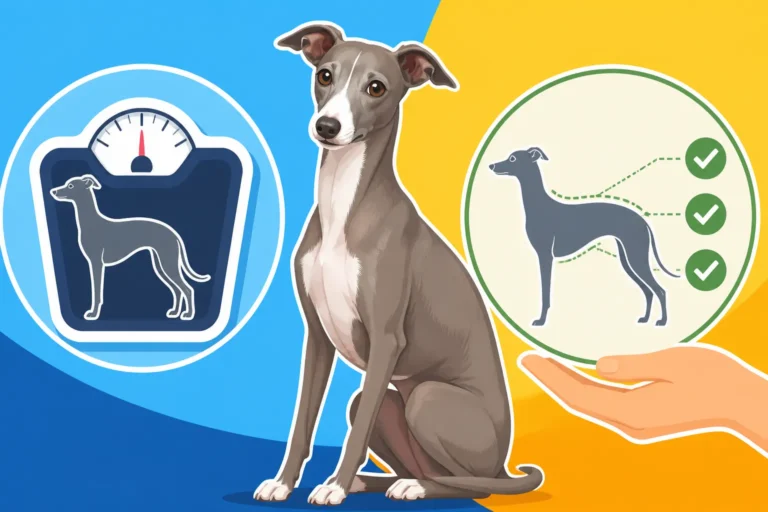
Instead of relying on a numerical weight alone, which can vary greatly even among healthy Italian Greyhounds, use body condition scoring (BCS). This involves visually assessing and physically feeling your dog to determine if their weight is ideal.
Here’s a quick guide:
- Ribs: You should be able to easily feel your Italian Greyhound's ribs with slight pressure, almost like feeling the back of your hand. They shouldn't be visibly protruding sharply, but they definitely shouldn't be buried under a layer of fat. How to Feel an Italian Greyhound's Ribs is a crucial skill for any IG owner.
- Waist: From above, your IG should have a distinct waist tucking in behind the ribs. From the side, their abdomen should tuck up, not hang low.
- Spine and Hip Bones: You should be able to feel their spine and hip bones without them being sharply prominent.
If your Italian Greyhound is consistently too thin despite adequate caloric intake of a balanced diet, or if you notice any changes in their appetite or energy levels, that's your cue to visit the vet. They can rule out any underlying medical conditions and help adjust their diet more precisely. Your vet can also help you determine What an Italian Greyhound Should Weigh for their specific frame and age.
In conclusion, for the vast majority of Italian Greyhounds, a diet that is "high-fat" in the extreme sense is simply not necessary and can even be detrimental. Their unique metabolism thrives on a high-quality, balanced diet with a moderate, appropriate fat content that supports their lean build and active lifestyle. Regular monitoring of their body condition and consulting with your veterinarian are your best tools for ensuring your elegant companion stays healthy and happy for years to come. Ultimately, it's about providing the right kind of nutrition, not just more of one thing. Pay attention to How Much of an Italian Greyhound's Ribs Should Show as your key indicator of good health.
Disclaimer
This article is for general informational purposes only and does not constitute professional advice. Laws, prices and regulations vary by location and change over time. Consult a qualified professional for guidance on your specific situation.