Why an Overweight Italian Greyhound Is at Fracture Risk
It’s a natural thing to want to spoil our beloved Italian Greyhounds. They give us so much joy, and a little extra treat here and there, a slightly larger portion at dinner – it seems harmless, right? We see those big, pleading eyes, and it’s hard to resist. But the truth is, even a small amount of extra weight on an Italian Greyhound can disproportionately increase their risk of a devastating bone fracture, turning a minor mishap into a major emergency. This guide will walk you through exactly why those extra pounds are so dangerous and what you can do to keep your long-limbed friend safe and healthy.
Understanding the Italian Greyhound's Delicate Build
First, let's talk about what makes an Italian Greyhound unique, and frankly, a bit fragile. These aren't your average sturdy little dogs. They are built for speed and elegance, with a graceful, fine-boned structure that is a hallmark of the sighthound family. Their bones are long and slender, almost like delicate porcelain, and they have very little body fat or muscle mass to cushion them from impact. This lean build is part of their charm, but it also comes with a significant predisposition to injuries that other breeds might shake off with a minor bruise.
Think about it: their legs are like finely crafted instruments, designed for quick bursts of speed and nimble movements, not for absorbing heavy, unexpected impacts. The radius and ulna, the two long bones in their front legs, are particularly vulnerable. When a dog like an Italian Greyhound jumps off a sofa, misjudges a step, or takes a tumble, the force generated on those delicate bones can be immense, even from a relatively short distance. It’s why so many Italian Greyhound owners live in a constant state of mild anxiety about their dog’s leaps and bounds, especially when they are young and full of boundless energy. A Broken Leg Is the Emergency Every Italian Greyhound Owner Fears is a reality many have faced.
The Anatomy of Fragility
The bones of an Italian Greyhound are designed for lightness and speed, not brute strength. Their bone density is typically good for their size, but the sheer slenderness of the long bones means they lack the robust circumference found in more heavily built breeds. Imagine trying to carry a heavy load with a thin stick versus a thick branch; the thin stick will always be more prone to snapping under stress. This inherent fragility means that any added stressor, like excess body weight, has a magnified effect.
Moreover, their minimal muscle mass, while contributing to their sleek appearance, also means there's less natural padding to absorb shock. When they land awkwardly, there isn't a thick layer of muscle to disperse the force before it hits the bone. It's a bit like having a car with no shock absorbers; every bump in the road sends a jolt straight through the frame. This makes them inherently susceptible to what we often call "freak accidents"—incidents that wouldn't even register for a sturdier dog, but which can result in a devastating fracture for an Italian Greyhound.
Common Fracture Scenarios Magnified
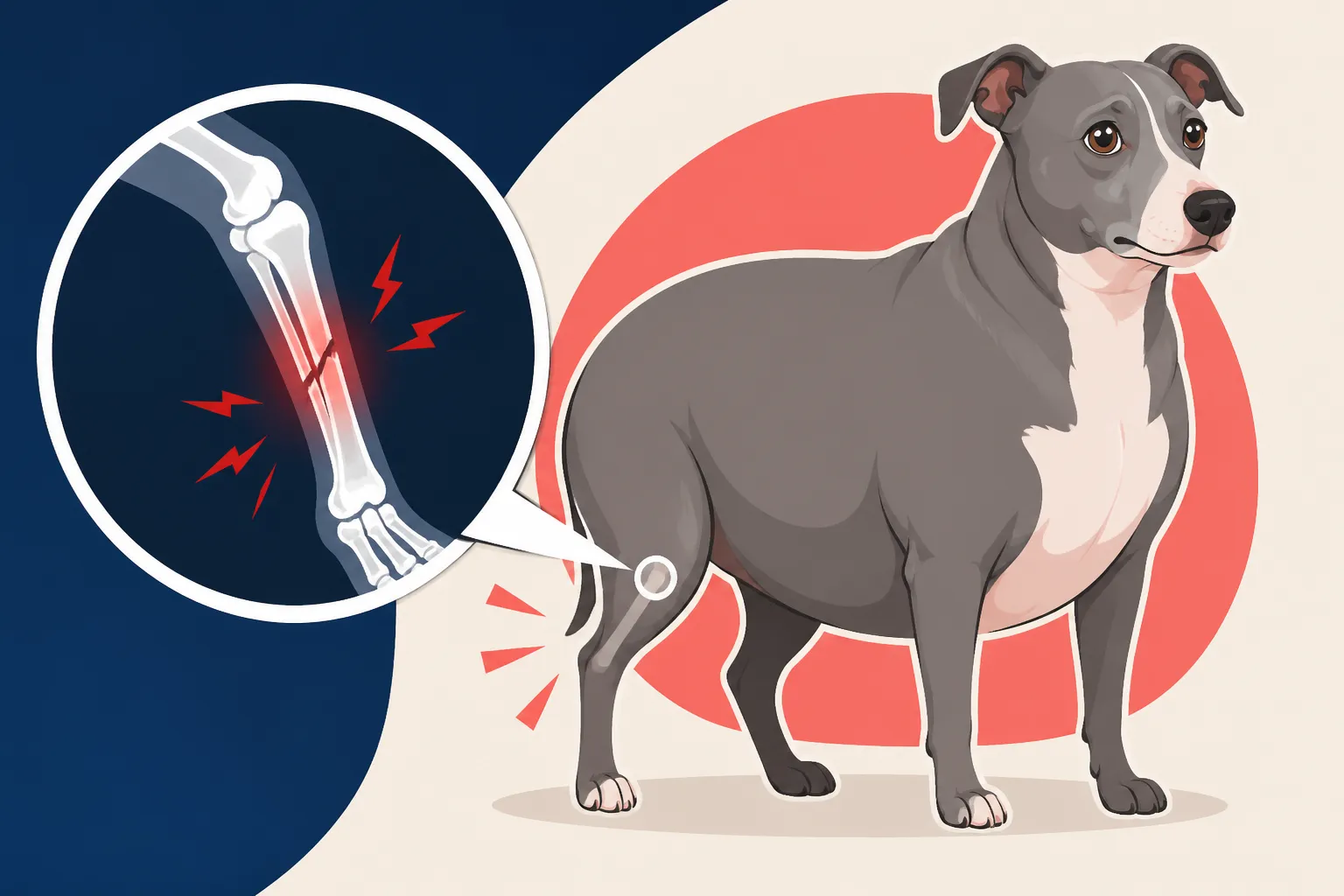
The typical Italian Greyhound fracture often occurs during routine activities: jumping off furniture, slipping on a slick floor, or even a playful tumble with another dog. These are precisely the scenarios where even a slight increase in body weight can tip the scales from a close call to a catastrophic break. An ideal weight IG might land from a couch and absorb the impact with its athletic grace, while an overweight IG might land with an awkward thud, unable to adjust its balance quickly enough, leading to a snap.
This is especially true for the front legs, where the radius and ulna are commonly fractured. Why an Italian Greyhound's Radius Is the Bone That Breaks often comes down to the mechanics of impact when they land from a height or twist their leg during play. With extra weight, the force distributed through these bones on landing or twisting is significantly amplified, pushing them past their breaking point much more easily. It's not just the added weight itself, but how that weight changes their agility and ability to land safely.
How Extra Weight Increases Fracture Risk
Now, let's zero in on how those extra few pounds turn a delicate dog into one facing significantly higher fracture risks. It's not just about the absolute number on the scale; it's about the percentage of excess weight on a frame that isn't designed to carry it. For a large breed dog, an extra five pounds might be negligible. For an Italian Greyhound who might only weigh 8-12 pounds at a healthy weight, five extra pounds is a monumental burden, potentially increasing their body weight by 40-60%.
This added bulk directly impacts several critical factors related to bone integrity and injury prevention. It's a vicious cycle where decreased agility, increased impact, and additional strain on joints all conspire to make a fracture more probable. The frustration for owners is that these consequences often manifest suddenly, without much warning, leaving them reeling from a vet bill that can easily rival a small car payment. What Fracture Repair Costs on an Italian Greyhound is a sobering read for any owner, and an overweight dog increases the chances of needing it.
Increased Strain on Bones and Joints
The most obvious effect of extra weight is the sheer increase in load on every bone and joint. Every step an overweight Italian Greyhound takes, every jump it attempts (or misjudges), puts greater stress on its skeletal system. Their slender leg bones, which are already designed for minimal load, suddenly have to bear significantly more force. This constant, elevated stress can weaken the bones over time, making them more susceptible to breaking, even from less impactful incidents.
Moreover, the joints suffer tremendously. The delicate ligaments and cartilage in an Italian Greyhound's elbows, shoulders, hips, and especially the hocks and stifles (knees), are not built for prolonged excess weight. This can lead to inflammation, premature arthritis, and even instability, which further increases the risk of an awkward landing resulting in a fracture. A healthy Italian Greyhound is usually quite agile, but an overweight one often moves with less grace, making slips and falls more likely.
Impaired Agility and Balance
One of the most insidious ways extra weight increases fracture risk is by compromising an Italian Greyhound's natural agility and balance. Italian Greyhounds are typically nimble, quick, and possess excellent coordination. They can twist in mid-air, correct a stumble, and land softly, often averting injury in situations that might fell a clumsier dog. However, when they carry extra weight, this finely tuned athleticism is dulled.
Their center of gravity shifts, their movements become less fluid, and their reaction time slows. A dog that used to effortlessly bound onto the sofa might now struggle, or land heavily on its front legs. If they slip on hardwood floors or miss a step on stairs, they are less able to quickly regain their footing. This reduced capacity for self-correction means that what might have been a minor trip for a lean IG becomes a full-blown tumble with potentially devastating consequences for an overweight one. This is why Ramps and Steps for an Italian Greyhound's Furniture are so vital, even more so for those carrying a few extra pounds.
Reduced Ability to Absorb Impact
When an Italian Greyhound jumps, runs, or even simply walks, the impact forces are absorbed by their muscles, tendons, and bones. At a healthy weight, their bodies are incredibly efficient at distributing these forces. With added weight, the kinetic energy generated during movement and landing is much higher, and their already minimal muscle mass struggles to absorb this increased impact.
Imagine a gymnast landing from a vault. Their lean, powerful muscles absorb the shock gracefully. Now imagine that same gymnast carrying a backpack full of bricks; the landing would be much harder, the strain on their joints immense. Similarly, an overweight Italian Greyhound experiences much harsher impacts. Their bones take the brunt of it, increasing the likelihood of micro-fractures over time, which can predispose them to a complete fracture, or an immediate break if the impact is significant enough.
Recognizing and Addressing Weight Issues
The good news is that weight is something you, as an Italian Greyhound owner, have significant control over. It's not always easy, especially when their pleading eyes are looking up at you, but it is one of the most impactful things you can do to protect their fragile frame. Knowing What an Italian Greyhound Weighs and How to Tell If It Is Right is your first step.
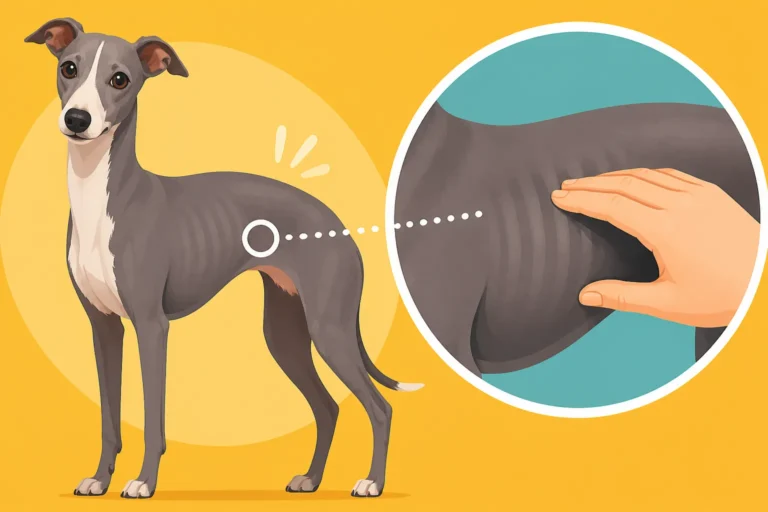
The ideal Italian Greyhound should look slender, almost bony. You should be able to easily feel their ribs, spine, and hip bones with just light pressure. Their waist should be distinctly tucked in, and they should have a clear "tuck-up" from their rib cage to their hind legs. If you have to press hard to feel bones, or if they have a saggy belly or no discernible waist, it's time to talk to your vet about a weight management plan.
Visual and Palpation Check
While the scale gives you a number, your eyes and hands are often the best tools for assessing your Italian Greyhound's body condition.
| Body Condition | Appearance | Palpation (Ribs) | Fracture Risk (Relative) |
|---|---|---|---|
| Emaciated | Ribs, spine, pelvic bones prominent from a distance. | Ribs easily visible, no fat cover. | Elevated (weakness) |
| Underweight | Ribs easily visible, waist obvious. | Ribs easily felt, minimal fat cover. | Normal (for IG) |
| Ideal | Ribs easily felt, waist visible, good tuck-up. | Ribs easily felt with slight pressure, minimal fat. | Baseline |
| Overweight | Ribs difficult to feel, waist absent, some belly fat. | Ribs difficult to feel, moderate fat cover. | Elevated (due to stress) |
| Obese | Ribs not felt, no waist, significant belly fat. | Ribs not palpable, heavy fat cover. | Significantly Elevated |
An ideal Italian Greyhound will have a body condition score that leans towards the leaner side of the scale. Don't be fooled into thinking a slightly plump IG is healthier; for this breed, lean is mean and safe. Regularly check their ribs, especially the ones closest to their chest. If they feel like they have a decent layer of padding over them, it's likely too much. This is also important to consider when you look at Signs an Italian Greyhound Is Underweight, as sometimes owners confuse a healthy lean IG with one that is too thin.
Practical Weight Management Strategies
If you suspect your Italian Greyhound is carrying extra weight, the good news is that it's often reversible with consistent effort. The key is a combination of diet modification and appropriate exercise. Remember to consult your veterinarian before making significant changes to your dog's diet or exercise routine. They can help you determine the ideal target weight and create a safe plan.
One of the first places to start is portion control. Italian Greyhounds, despite their size, often have hearty appetites, and it's easy to overfeed them. Stick to the recommended serving sizes on your dog food, but also be realistic about their activity level. If your dog isn't super active, they may need even less than the bag suggests. Brands like Chewy offer a wide range of weight-management formulas, some with lower calorie counts or higher fiber content to help your dog feel full. Alternatively, considering fresh food diets like those offered by Ollie can provide precise portion control and nutrient-dense options.
Gradually increase their exercise. While Italian Greyhounds love a good sprint, consistent, moderate activity is often more effective for weight loss. Regular walks, short play sessions in a secure yard, or even indoor games can help burn calories. How Much Exercise an Italian Greyhound Needs can vary, but daily activity is crucial. Avoid high-impact activities while they are overweight, as these could stress their joints and increase fracture risk.
Diet Adjustments and Portion Control
Switching to a lower-calorie or weight-management dog food can be very effective. These foods are designed to provide all the necessary nutrients while reducing the caloric intake. When transitioning, do it slowly over a week to avoid upsetting their stomach. Measure out their food precisely – don't eyeball it. A kitchen scale can be incredibly helpful for accuracy.
Limit treats to small, low-calorie options, and factor them into their daily caloric intake. Vegetables like green beans, carrots, or apple slices (without seeds) can make excellent, healthy treats. If your Italian Greyhound is accustomed to getting food scraps, it's crucial to break that habit. Those seemingly tiny morsels can add up quickly. It's tough, I know, especially when they give you "the look," but their long-term health is worth it. For more insights on daily food intake, check out How Many Cups a Day an Adult Italian Greyhound Eats.
Safe Exercise and Play
For an overweight Italian Greyhound, intense bursts of activity are not only less effective for sustainable weight loss but can also be dangerous due to the increased strain on their joints and bones. Focus on consistent, low-impact exercise. This could mean more frequent, shorter walks throughout the day rather than one long, strenuous outing. Leash walks in a safe, even area are ideal.
Indoor play can also contribute to their activity levels. Fetching soft toys across a carpeted floor, or engaging in gentle tug-of-war, can get them moving without putting excessive strain on their frame. Always supervise play, especially if they are interacting with other dogs, as an overweight IG might not be as agile and could be more prone to accidental injury during roughhousing. For senior IGs or those with existing joint issues, it's particularly important to discuss Whether an Italian Greyhound Needs Joint Support Late with your vet, as weight loss can significantly help in these cases too.
Beyond Fractures: Other Health Risks of Excess Weight
While fracture risk is a major concern for Italian Greyhounds carrying extra weight, it's far from the only one. Obesity in any breed, but especially in a delicate one like an IG, can lead to a cascade of other health problems that diminish their quality of life and potentially shorten their lifespan. It's a holistic issue that affects their entire system.
Being overweight can contribute to conditions ranging from respiratory difficulties to metabolic diseases. It's a silent killer that slowly chips away at their vitality. As owners, we want our IGs to live long, healthy, and happy lives, and managing their weight is paramount to achieving that goal.
Increased Joint Problems and Arthritis
As mentioned earlier, the added strain on joints from excess weight can lead to chronic pain and conditions like arthritis. Even if an overweight Italian Greyhound avoids a fracture, they may develop debilitating joint issues prematurely. The extra stress accelerates the wear and tear on cartilage, leading to inflammation and pain. This pain, in turn, can make them less willing to move, creating a sedentary cycle that further exacerbates weight gain.
It's a cruel irony: the pain from carrying too much weight makes them less active, which makes them gain more weight, leading to more pain. Managing their weight effectively can significantly reduce the incidence and severity of these painful conditions, allowing them to enjoy their golden years with greater comfort. For more on late-life care, consider Caring for an Italian Greyhound Past Eleven.
Respiratory and Cardiac Strain
Just like in humans, extra weight in dogs puts additional strain on their heart and lungs. An overweight Italian Greyhound may struggle with exertion, becoming winded more easily during walks or play. Their heart has to work harder to pump blood through a larger body mass, increasing the risk of cardiovascular disease.
Fat deposits around the chest cavity can also restrict lung function, making breathing more difficult, especially in warm weather or during exercise. This can be particularly problematic for a breed that already has a minimal fat layer and can struggle with temperature regulation. A dog that is constantly out of breath is not a happy or healthy dog.
Anesthesia Risk and Surgical Complications
Should your Italian Greyhound ever need surgery for a fracture or any other reason, being overweight significantly complicates the procedure. Anesthesia is always a concern for Italian Greyhounds due to their low body fat and unique physiological responses. Why Anesthesia Is Handled Differently in an Italian Greyhound is a critical piece of information for any IG owner.
For an overweight dog, the risks are compounded. Anesthetic drugs are often dosed based on body weight, and excess fat can alter how these drugs are metabolized. Overweight dogs also have less efficient respiratory systems, making them more prone to breathing complications during and after surgery. Furthermore, increased fat tissue can make surgical sites more difficult to access and increase healing time, potentially leading to a longer, more complicated recovery, should they need a costly surgical repair for a broken leg.
Other Metabolic Concerns
Beyond the immediate physical risks, excess weight can contribute to various metabolic and endocrine disorders. While Italian Greyhounds are not typically prone to conditions like diabetes as some other breeds are, obesity can increase the likelihood of such issues. It can also exacerbate existing conditions or make diagnosis more challenging.
Even their skin can be affected. Overweight dogs may develop skin fold dermatitis or have difficulty grooming themselves properly, leading to infections. Their overall immune system may be compromised, making them more susceptible to illness. Ultimately, carrying extra weight detracts from the vibrancy and longevity that we all hope for our beloved Italian Greyhounds, who are otherwise known for living Why an Italian Greyhound Lives Fourteen to Fifteen Years.
Creating a Safe Environment for All Italian Greyhounds
Even with a perfectly lean Italian Greyhound, creating a safe home environment is crucial for preventing fractures. For an Italian Greyhound prone to extra weight, these precautions become even more critical. It’s about being proactive and understanding the unique needs of this fragile breed.
Think of your home from your Italian Greyhound’s perspective. What looks like a short jump to us might be a significant leap for them. What feels like a stable surface to our feet might be a treacherous ice rink to their delicate paws. Small changes can make a huge difference in preventing accidents. Many of these items are readily available online through retailers like Amazon.
Furniture Access and Safe Landing Zones
One of the most common causes of Italian Greyhound fractures is jumping off furniture. Even a small couch can be too high for a safe landing, especially if the dog is overweight or lands awkwardly. Installing ramps or steps for access to sofas and beds is highly recommended. This allows them to get up and down without putting undue stress on their legs.
If ramps aren't feasible for every piece of furniture, consider placing soft dog beds, thick rugs, or even piles of blankets at common jump-off points to cushion any accidental falls. This creates a "safe landing zone" that can absorb some of the impact if they do decide to take a leap. Remember, prevention is always better than facing the trauma and cost of Whether an Italian Greyhound's Fracture Needs a Plate.
Non-Slip Surfaces
Hardwood, tile, and laminate floors are beautiful, but they can be incredibly dangerous for Italian Greyhounds. Their lean build and delicate bones mean they lack the heavy musculature and broad paws that give other dogs traction. Overweight IGs are even more prone to slipping and sliding, which can easily lead to strains, sprains, or even fractures as their legs splay out unexpectedly.
Strategically placed rugs, runners, or carpet tiles can provide much-needed traction in high-traffic areas. Consider non-slip socks or paw pads for your dog, especially if they struggle on smooth surfaces. Making your home a non-slip haven is one of the easiest and most effective ways to prevent accidental injuries for your Italian Greyhound.
Careful Handling and Supervision
As loving owners, we often want to pick up and cuddle our Italian Greyhounds, and they are generally very affectionate. However, improper handling can lead to serious injuries. Always support their entire body, especially their hindquarters, when picking them up. Never grab them by the front legs or let them dangle unsupported.
Supervision is also key, particularly with children or other pets. Children, even well-meaning ones, might not understand the fragility of an Italian Greyhound's bones. Supervise all interactions to prevent accidental drops or rough play that could lead to injury. Similarly, if your Italian Greyhound plays with larger dogs, ensure it's gentle, supervised play, as a larger dog's accidental bump can be enough to cause a fracture for a delicate IG, especially if they are carrying extra weight and cannot move as quickly to avoid impact. Why Children Should Not Carry an Italian Greyhound is a lesson many learn the hard way.
Disclaimer
This article is for general informational purposes only and does not constitute professional advice. Laws, prices and regulations vary by location and change over time. Consult a qualified professional for guidance on your specific situation.