Getting an Italian Greyhound to Tolerate Tooth Brushing
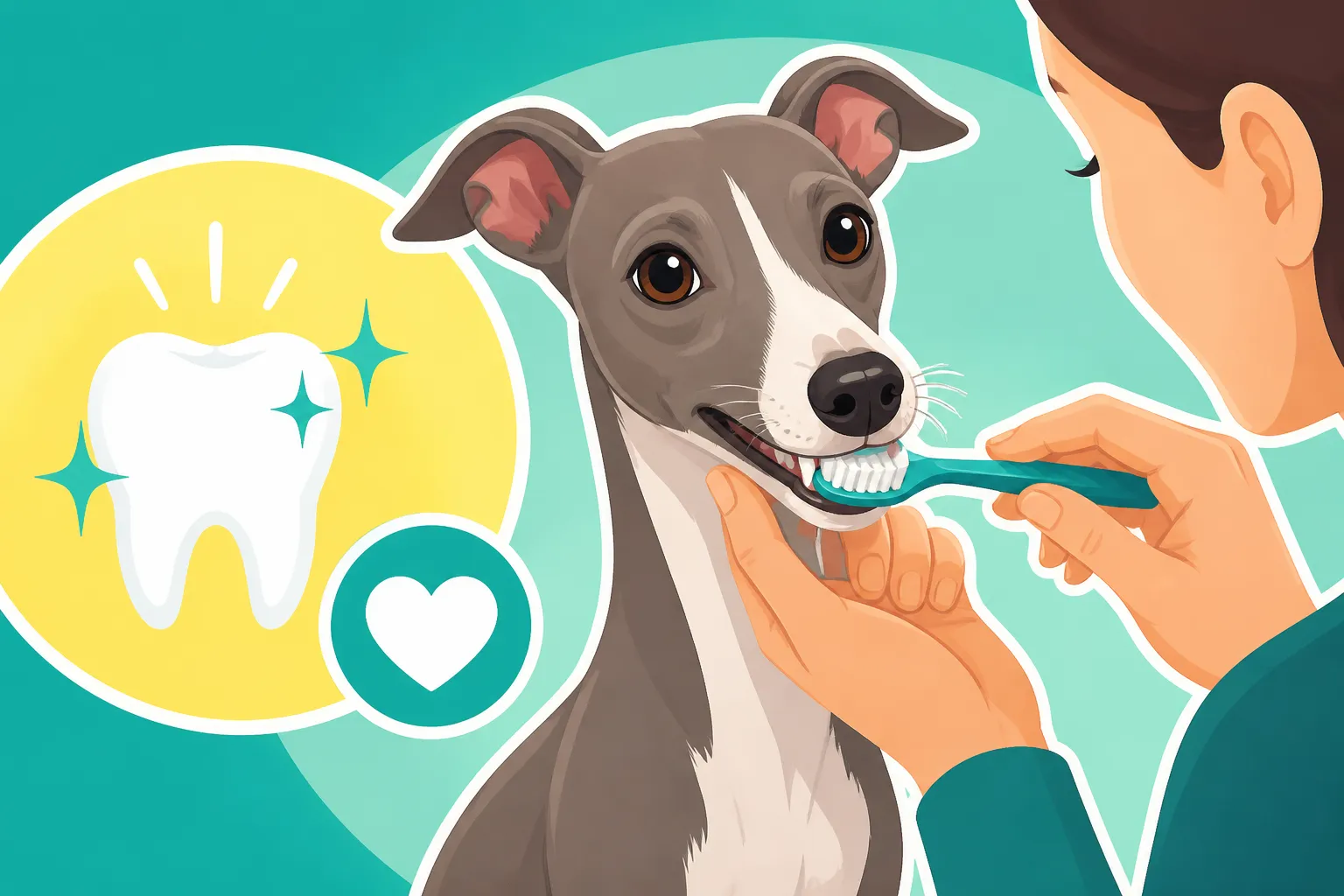
One of the biggest struggles Italian Greyhound owners face, often unexpectedly, is the battle of the toothbrush. You get this beautiful, delicate companion, and then you discover that asking them to open their mouth for daily brushing feels like asking them to scale Mount Everest. It's frustrating because you know how crucial dental hygiene is for their long-term health, but they just seem to despise the whole process. This guide will walk you through understanding why your Italian Greyhound might be putting up such a fuss and, more importantly, give you practical, empathetic strategies to help them not just tolerate, but perhaps even accept, daily tooth brushing.
Understanding Why Italian Greyhounds Resist Tooth Brushing
It's not that your Italian Greyhound is being "naughty" or deliberately difficult when it comes to tooth brushing. Their resistance often stems from a combination of their inherent breed characteristics and past experiences. Understanding these underlying reasons is the first step toward a more successful dental routine.
Sensitive Natures and Small Mouths
Italian Greyhounds are notoriously sensitive creatures. They are elegant, often reserved, and can be quite particular about being handled, especially around delicate areas like their mouth. Unlike some more boisterous breeds, an Italian Greyhound is less likely to just "power through" something uncomfortable. They feel everything keenly, and a strange object being poked into their mouth can feel intrusive and even threatening. Their naturally small mouths and crowded teeth, a common trait in many toy breeds, also contribute to the challenge. There's not a lot of space in there, making it feel cramped and potentially uncomfortable for both you and your dog. Imagine trying to brush your own teeth with a brush that feels too big, in a very confined space, by someone else's hands – it’s not exactly pleasant. This physical reality, combined with their emotional sensitivity, means that a gentle, patient approach is absolutely essential. Any forceful action can quickly create a negative association that's hard to overcome.
Many Italian Greyhounds also have a strong startle reflex. A sudden movement or an unexpected sensation, like the bristles hitting a sensitive gum line, can make them pull away sharply or even nip out of fear. This isn't aggression; it's a defensive reaction to what they perceive as an invasion of their personal space. Their fine bone structure also means you need to be extra careful not to inadvertently cause discomfort or injury. Their teeth are already prone to issues due to crowding, which means some areas might already be a bit tender, further contributing to their reluctance.
Past Negative Experiences
Just like humans, dogs remember negative experiences, especially if they involve pain or fear. If your Italian Greyhound had a bad experience with mouth handling as a puppy, perhaps a clumsy attempt at brushing, a painful dental check-up at the vet, or even an accidental bump to the face, they will develop an aversion. This isn't just about memory; it's about conditioning. Their brain links the sight of the toothbrush, the smell of the toothpaste, or the act of having their mouth opened, to that unpleasant feeling. Over time, this can manifest as outright refusal, hiding, or even growling.
Sometimes, the negative experience isn't even directly related to brushing. Perhaps they associate being held still with a vet visit for vaccinations, or they've had a painful tooth issue that made their mouth sore. Because Periodontal Disease Is the Italian Greyhound's Most Common Diagnosis, many IGs will inevitably need professional dental work under anesthesia, which, while necessary, can sometimes add to their general wariness of mouth procedures, especially if they are already anxious. It's crucial not to dismiss their resistance as naughtiness, but rather to see it as a learned response. We need to work to re-condition that response into something positive and safe. This means going back to basics and building trust, even if it feels like you're starting from scratch.
The Essential Tools for Italian Greyhound Dental Care
Before you even think about putting a brush near your Italian Greyhound's mouth, you need to ensure you have the right tools. Using equipment that's too large, uncomfortable, or unappealing will guarantee failure and exacerbate any existing resistance. The right tools make the process easier for both of you.
Choosing the Right Toothbrush
For an Italian Greyhound's small mouth, size and design are paramount. A regular human toothbrush is often far too large and stiff. You're looking for something specifically designed for small dogs. There are a few main types:
- Finger brushes: These slip over your finger and have soft rubber or silicone bristles. They offer excellent control and allow your Italian Greyhound to get used to the feel of your finger in their mouth before a harder brush is introduced. For a very sensitive or new Italian Greyhound, this is often the best starting point. Many owners find Whether a Finger Brush Works on an Italian Greyhound is a good question to explore, and for initial training, the answer is often yes.
- Small, soft-bristled toothbrushes: Look for brushes marketed for "toy breeds" or "cats." These typically have a much smaller head and softer bristles. Some even have an angled head to better reach all surfaces of the teeth. Brands available on platforms like Chewy or Amazon often offer a good selection.
- Double-headed brushes: These brushes have two heads angled to clean both the inside and outside of the teeth simultaneously. While efficient for some dogs, they might be too large or awkward for the very compact mouth of an Italian Greyhound, especially when first starting out.
The key is soft bristles and a small head. Remember, comfort is king when you're trying to build a positive association. You might even try a few different types to see which one your Italian Greyhound tolerates best.
Selecting a Dog-Specific Toothpaste
This is critical: never use human toothpaste on your Italian Greyhound. Human toothpaste contains fluoride and other ingredients that are toxic if swallowed, and dogs, unlike us, don't rinse and spit. Dog-specific toothpastes are formulated to be safe for ingestion and come in flavors dogs usually enjoy, like poultry, beef, or even peanut butter. This makes the experience much more appealing for them.
When choosing a toothpaste, look for enzymatic toothpastes. These contain enzymes that help break down plaque even after brushing, offering an extra layer of protection. The flavor is also a huge factor. You might need to try a couple of different flavors to find one your Italian Greyhound genuinely likes. Think of it as a treat! If they associate the toothpaste with a delicious taste, they'll be much more willing to cooperate. Brands like Virbac C.E.T., Petrodex, or Oxyfresh are commonly recommended and widely available at pet stores or online retailers like Chewy and Amazon. It's truly amazing how a delicious flavor can turn a dreaded chore into something they actually look forward to. For more on this, you might find Which Toothpaste an Italian Greyhound Will Accept to be a helpful read.
Supplemental Dental Aids
While daily brushing is the gold standard for dental health, there are other tools that can support your efforts, especially if you're still working on full brushing compliance. However, these should never replace brushing entirely.
- Dental chews: These can help scrape away some plaque and tartar, but their effectiveness varies greatly. Always choose chews that are appropriately sized for Italian Greyhounds and designed to be digestible and safe. Some IGs can be quite aggressive chewers, and you want to avoid anything that could break a tooth. Look for brands that are VOHC (Veterinary Oral Health Council) approved, as these have been tested for their efficacy. While they're not a magic bullet, they can offer some benefit.
- Water additives: These are liquids you add to your dog's drinking water that claim to help reduce bacteria and freshen breath. They can be a good supplementary measure, especially for Italian Greyhounds who are very resistant to brushing, but again, they won't replace the mechanical action of a toothbrush.
- Oral gels and wipes: These can be applied directly to the teeth and gums. Wipes are great for getting your Italian Greyhound used to mouth handling and can remove some surface plaque. Gels often contain enzymes or antibacterial agents. While less effective than brushing, they can be useful for those hard-to-reach spots or as an interim step in your training.
Remember, the goal is to make dental care as effective and stress-free as possible. The primary focus should always be on getting to the point where you can regularly brush their teeth. Whether Dental Chews Do Anything for an Italian Greyhound is a common question, and while they have some benefit, they're not a substitute for brushing.
| Dental Aid Type | Pros | Cons | Best Use Case |
|---|---|---|---|
| Finger Brush | Excellent control, gentle introduction, familiar feel of your hand | Less effective for thorough cleaning, can be chewed by some dogs | Initial desensitization, puppies, highly sensitive IGs |
| Small Toothbrush | Most effective for mechanical cleaning, reaches most surfaces | Can be intimidating, requires more training | Once IG tolerates mouth handling, regular brushing |
| Enzymatic Paste | Safe to swallow, appealing flavors, actively breaks down plaque | Must be dog-specific, can be pricey | Essential for all brushing efforts |
| Dental Chews | Mild plaque reduction, enjoyable for dog, freshens breath | Not a substitute for brushing, can be calorific, risk of tooth damage for aggressive chewers | Supplemental, reward, minor plaque control |
| Water Additives | Easy to administer, continuous effect | Minimal efficacy compared to brushing, some dogs refuse water | Supplemental, breath freshening, mild bacterial control |
| Oral Gels/Wipes | Good for targeting specific areas, intro to mouth handling | Less effective than brushing, can be messy | Supplemental, specific problem areas, desensitization |
Laying the Foundation: Puppyhood and Early Exposure
The absolute best time to start getting an Italian Greyhound to tolerate tooth brushing is during puppyhood. Puppies are naturally more curious and adaptable, and if you make the experience consistently positive from the very beginning, you'll save yourself a world of trouble down the line. Even if you have an adult Italian Greyhound, these principles of positive exposure are still incredibly valuable.
Starting Early and Making It Positive
Think of dental care as a fun game, not a chore. When your Italian Greyhound puppy is just 8-12 weeks old, you should already be gently handling their mouth and paws. This isn't about brushing yet; it's about building positive associations with touch. Start by simply touching their muzzle, then gradually moving to lift their lips and touch their gums. Each touch should be followed immediately by a tiny, high-value treat and verbal praise in a happy, calm voice. "Good job! Yes! Treat!"
Keep these sessions incredibly short – literally just a few seconds. The goal is to avoid any stress or struggle. If your puppy pulls away, don't hold them down or force it. Simply end the session and try again later or the next day, making it even shorter and gentler. The idea is to make them think, "Oh, when my human touches my mouth, good things happen!" This early conditioning is invaluable for making future steps much easier. This is especially true given how sensitive Italian Greyhounds are; a calm, positive, and gentle approach will always yield the best results. For new puppy owners, understanding Teaching an Italian Greyhound Puppy to Have Its Teeth Brushed is foundational.
Gradual Introduction to Touch
Once your Italian Greyhound puppy (or even an adult you're retraining) is comfortable with you touching their muzzle and lifting their lips, you can start introducing a finger brush or a small amount of dog-friendly toothpaste.
- Step 1: The Taste Test. Let your Italian Greyhound lick a tiny bit of the toothpaste off your finger or the brush. Most IGs will love the taste, creating an immediate positive association. Do this for a few days, maybe once or twice a day, completely separate from any mouth handling. Just offer the paste as a treat.
- Step 2: Finger in Mouth. Once they eagerly take the toothpaste, put a tiny dab on your finger and gently rub it along the outside of a few teeth. Again, keep it super brief, one or two quick rubs, then praise and reward. Focus on the canine teeth first, as they are easier to reach. Don't worry about thorough cleaning yet; you're just getting them used to the sensation.
- Step 3: Introduce the Finger Brush. When they're okay with your finger, switch to a finger brush with a tiny bit of toothpaste. Gently rub a few teeth, again, praise and treat. The goal is exposure and positive reinforcement, not scrubbing. If they seem hesitant, go back to your bare finger for a few days.
- Step 4: Introduce the Small Toothbrush. Once they're comfortable with the finger brush, transition to the small, soft-bristled toothbrush. Let them lick the paste off it first, then gently brush one or two teeth. Build up slowly, day by day, to more teeth and longer sessions.
Remember, every single step should be a tiny advancement, celebrated with praise and a reward. If you hit a wall, back up to the last step where they were comfortable and work from there. Rushing will only lead to frustration and resistance. The ultimate goal is for Brushing an Italian Greyhound's Teeth Every Day to become a routine they accept.
Step-by-Step Guide to Desensitization for Adult Italian Greyhounds
If you have an adult Italian Greyhound who already despises tooth brushing, don't despair! It will take more patience and time than with a puppy, but desensitization and counter-conditioning can absolutely work. The key is to break down the process into tiny, manageable steps and never force the issue.
The "Touch and Treat" Method
This method is the cornerstone of overcoming resistance with an adult Italian Greyhound. It’s all about creating a new, positive emotional response to something they currently dislike or fear.
- Step 1: Handling the Muzzle. Start without any dental tools. Simply reach out and gently touch your Italian Greyhound's muzzle for literally one second. Immediately say "Yes!" or "Good!" in a calm, happy voice and give a high-value treat. Repeat this 5-10 times in a session, then stop. Keep sessions short, maybe 1-2 minutes max, several times a day if possible.
- Step 2: Lifting the Lip. Once they are consistently comfortable with you touching their muzzle, gradually increase the duration of the touch, and then gently lift one side of their lip for a second. Again, "Yes! Treat!" and release. Build this up slowly. The goal is to expose them to the action without causing fear or discomfort.
- Step 3: Touching the Gums/Teeth with a Finger. With their lip lifted, gently touch one or two teeth or their gum line with your clean finger for just a moment. "Yes! Treat!" If they pull away, you've gone too fast. Go back to the previous step where they were successful. It might take days or even weeks on each step, and that's perfectly okay. The pace is set by your Italian Greyhound.
The secret here is consistency and keeping it positive. If you ever sense tension or resistance, stop the session. End on a positive note, even if it's just touching their muzzle and giving a treat. You want them to always associate these interactions with good things happening. This process is very similar to how you would approach Teaching an Italian Greyhound to Settle Alone, requiring patience and positive reinforcement.
Introducing the Brush Gradually
Once your Italian Greyhound is completely comfortable with your fingers touching their teeth and gums, you can start introducing the dental tools. Remember the small, soft toothbrush and the tasty dog-specific toothpaste you chose? Now's their time to shine.
- Step 1: Toothpaste as a Treat. Start by letting your IG lick a small amount of the flavored dog toothpaste off your finger or a spoon. Make this a stand-alone treat for a few days so they eagerly anticipate the taste.
- Step 2: Introduce the Brush (without brushing). Put a pea-sized amount of toothpaste on the toothbrush. Let your Italian Greyhound lick the toothpaste off the brush. Do not try to brush yet. Just let them get familiar with the look, smell, and feel of the brush in their mouth while getting a tasty reward.
- Step 3: Gentle Brush Contact. Once they're happy to lick the paste off the brush, gently touch the brush (with paste on it) to just one or two teeth on the outside. No scrubbing! Just a touch, then "Yes! Treat!" and remove the brush. Build up slowly to touching more teeth, then to a very light, single stroke.
- Step 4: Focus on the Canines. The large canine teeth are often the easiest to access. Start here, gently brushing the outside surface for a second or two, then praise and reward. Once they're comfortable with the canines, gradually move to the premolars and molars. The incisors (front teeth) are often the most sensitive, so save those for last.
The key is to work slowly, celebrating every tiny success. If your Italian Greyhound shows any sign of discomfort, retreat to a step they were comfortable with. Never restrain them forcefully, as this will only undo all your hard work and create further aversion. It might feel like you're taking forever, but this deliberate, positive approach builds lasting trust.
Working Towards Full Brushing Sessions
The ultimate goal is to be able to brush all the accessible surfaces of your Italian Greyhound's teeth effectively. This takes time and consistent practice.
- Gradual Increase in Duration and Area. Once your Italian Greyhound is tolerating light brushing of a few teeth, start to very gradually increase the number of teeth you brush and the duration of each brushing stroke. Instead of one second per tooth, try two. Instead of just the canines, try the canines and a few premolars. Always maintain the "praise and treat" system. End the session before they get fed up.
- Focus on the Outside Surfaces. Most of the critical plaque and tartar accumulation happens on the outside surfaces of the teeth, especially those facing the cheek. These are the most important areas to focus on. Don't worry too much about the inside surfaces or the very back molars initially; even cleaning the outside surfaces makes a huge difference.
- Making it a Routine. Try to brush at the same time every day. After a walk, before a favorite activity, or even just before bed. A predictable routine helps your Italian Greyhound know what to expect. Keep the tone light, positive, and encouraging. The more consistent you are, the faster they will habituate to the process. For guidance on general dental care, see How Often an Italian Greyhound Needs a Dental Cleaning and Why an Italian Greyhound's Teeth Need Brushing Daily. Remember, even a minute or two of effective brushing daily is far better than nothing. If you find yourself struggling to reach every nook and cranny, remember that even partially brushed teeth are better than no brushing at all. Don't let perfection be the enemy of good.
Maintaining Consistency and Troubleshooting Challenges
Even after you've made significant progress, maintaining a consistent routine and being prepared for occasional setbacks are crucial. Dental health is a lifelong commitment for Italian Greyhounds, and it requires ongoing dedication.
Establishing a Routine
Consistency is truly the bedrock of successful dental care for an Italian Greyhound. They thrive on routine and predictability, which helps reduce anxiety about potentially unpleasant experiences. Choose a specific time of day for brushing and stick to it as much as possible. It could be first thing in the morning, after their last meal, or before a favorite evening cuddle session. The exact time is less important than making it regular.
Think about incorporating brushing into another positive routine. For example, if your IG loves their after-dinner walk, you could do a quick brush right before you put on their leash. This way, they associate the brushing with the anticipation of something good. Always have your supplies (toothbrush, toothpaste, and high-value treats) readily available. A quick, efficient session that takes just a minute or two, followed by a generous reward, is far more effective than a long, drawn-out battle.
It's helpful to remember that How Often an Italian Greyhound's Teeth Need Brushing is ideally every day. The more frequently you do it, the more normalized it becomes, and the less resistance you'll likely encounter. Even if you miss a day, don't beat yourself up. Just pick up where you left off the next day. The cumulative effort over years is what truly matters.
Dealing with Resistance and Setbacks
Even the most well-trained Italian Greyhounds can have off days where they're not in the mood or suddenly show renewed resistance. This is normal, and it's how you respond that matters.
- Don't Force It: If your IG is really pulling away, growling, or showing clear signs of stress, stop the session. Forcing them will only create more negative associations and make future attempts harder. It's better to pause and try again later or the next day, perhaps going back a step or two in your training.
- Identify the Cause: Is something else going on? Are they feeling unwell? Is there a new person in the room that makes them anxious? Sometimes, a setback is just a symptom of a larger issue. Gently check their mouth for any signs of pain or inflammation, which could indicate an underlying dental problem that needs veterinary attention.
- Re-Evaluate Your Tools: Is the toothbrush still comfortable? Has the toothpaste flavor gone stale or are they suddenly disliking it? Sometimes a simple change can make a big difference. Check retailers like Chewy or Amazon for new flavors or brush types to reignite their interest.
- Increase the Reward Value: Maybe the treats you're using aren't as high-value as they once were. Switch to something truly irresistible – small pieces of cooked chicken, cheese, or a tiny dollop of peanut butter (xylitol-free, of course!).
- Shorten Sessions: If resistance starts, try shortening the sessions drastically. Brush one or two teeth, give the treat, and you're done. Build back up slowly. This reinforces that the interaction is quick and rewarding.
It's important to remember that What Bad Breath Means in an Italian Greyhound is often a sign of dental disease, so addressing resistance is not just about convenience, but about their health. Be patient, be persistent, and always prioritize positive reinforcement.
When to Seek Professional Help
Despite your best efforts, some Italian Greyhounds might have deeply ingrained fears or underlying issues that prevent successful home brushing. This is when professional help becomes essential.
- Persistent Resistance: If you've been consistently trying positive reinforcement and gradual desensitization for weeks or months with little to no progress, or if your Italian Greyhound becomes increasingly stressed or aggressive during attempts, it's time to consult your vet.
- Signs of Pain or Disease: If your Italian Greyhound exhibits signs of mouth pain (reluctance to eat, pawing at mouth, bad breath, red/swollen gums, visible tartar, loose teeth), don't delay. The Age an Italian Greyhound Starts Losing Teeth can be quite young if dental care is neglected, and How Common Dental Disease Is in an Italian Greyhound is very high. These are not behavioral issues; they are medical emergencies that require immediate veterinary attention. Your vet can perform a thorough oral examination, often requiring sedation, and recommend appropriate treatment, which may include professional dental cleaning and extractions.
- Certified Veterinary Behaviorist or Positive Reinforcement Trainer: For severe behavioral issues related to mouth handling, your vet might recommend a referral to a certified veterinary behaviorist or a force-free positive reinforcement trainer specializing in fear and aggression. They can offer tailored strategies and hands-on guidance to help your Italian Greyhound overcome their fears in a safe and humane way.
Remember, your Italian Greyhound's dental health directly impacts their overall well-being and lifespan. While the cost of professional dental work can be significant (see What an Italian Greyhound's Annual Dental Costs), neglecting it can lead to more severe, painful, and expensive health problems down the road. Sometimes, professional intervention is the kindest and most responsible course of action for your beloved companion.
Disclaimer
This article is for general informational purposes only and does not constitute professional advice. Laws, prices and regulations vary by location and change over time. Consult a qualified professional for guidance on your specific situation.