What an Italian Greyhound’s Annual Dental Costs
The moment you realize your beautiful Italian Greyhound’s breath could knock a buzzard off a gut wagon, you know a dental cleaning is looming. It's a common, necessary procedure, but the reality of an Italian Greyhound's annual dental costs can be a significant surprise, hitting your wallet harder than you might expect. This guide will help you understand why these costs are what they are, what’s involved in a typical dental visit, and how you can prepare for this essential part of your little sighthound's care.
Why Italian Greyhounds Need Such Frequent Dental Care
It’s a sad truth that our elegant Iggys are prone to some of the worst dental health in the canine world. Their long, narrow muzzles might look aristocratic, but they come with a structural flaw: too many teeth packed into too small a space. This crowding creates nooks and crannies where plaque and tartar can build up at an alarming rate, often starting when they're still puppies. It's not just an aesthetic issue; unchecked dental disease can lead to pain, infection, and even impact their overall health and lifespan.
The Problem of Crowded Mouths and Early Tartar Buildup
Imagine trying to floss your teeth if they were all jammed together, slightly crooked, and you had a tiny mouth. That's essentially what an Italian Greyhound deals with. Their genetic predisposition often means that even with the most diligent home care, tartar forms quickly. You might start noticing a yellow-brown coating on their back molars and along the gum line when they're barely a year or two old. This isn't a sign of bad ownership; it's just the unfortunate reality of their breed. The Age an Italian Greyhound Starts Losing Teeth can be shockingly young if dental care isn't a priority.
The crowding also makes certain teeth harder to reach with a toothbrush, creating perfect havens for bacteria. This bacteria can inflame the gums, leading to gingivitis, which, if left untreated, progresses to full-blown periodontal disease. This is where the real trouble starts, eating away at the supporting structures of the teeth.
Small Jawbones and the Risk of Fracture During Extractions
Beyond the crowding, Italian Greyhounds have delicate, fine bones throughout their bodies, and their jaws are no exception. This isn't just a physical trait; it has serious implications for dental procedures, especially when extractions are necessary. During a dental cleaning, if a tooth is so severely affected by disease that it needs to be removed, the veterinary team must be incredibly careful. The small, thin jawbone can be surprisingly fragile, increasing the risk of a jaw fracture during the extraction process, particularly with deep-rooted teeth.
This heightened risk means that veterinarians often take additional precautions, such as pre-extraction X-rays to assess bone density and tooth root structure, and using specialized instruments and techniques. It also means that a simple extraction can become a more complex, time-consuming procedure, requiring the skill of a vet well-versed in sighthound anatomy. All these factors contribute to the overall cost, as the complexity and specialized care required are significantly higher than for a larger, sturdier-jawed breed. Why an Italian Greyhound's Jaw Can Break During Extraction is a serious concern every owner should be aware of.
What Goes Into an Italian Greyhound's Annual Dental Cleaning
When you get that estimate for your IG’s dental, it can feel like you’re paying for a small car. But it’s not just a quick brush and rinse! A comprehensive dental cleaning for an Italian Greyhound is a multi-step veterinary procedure performed under general anesthesia, and each step has an associated cost reflecting the expertise, equipment, and time involved. It's truly a surgical procedure, not just a "cleaning."
Pre-Anesthetic Workup and Anesthesia Monitoring
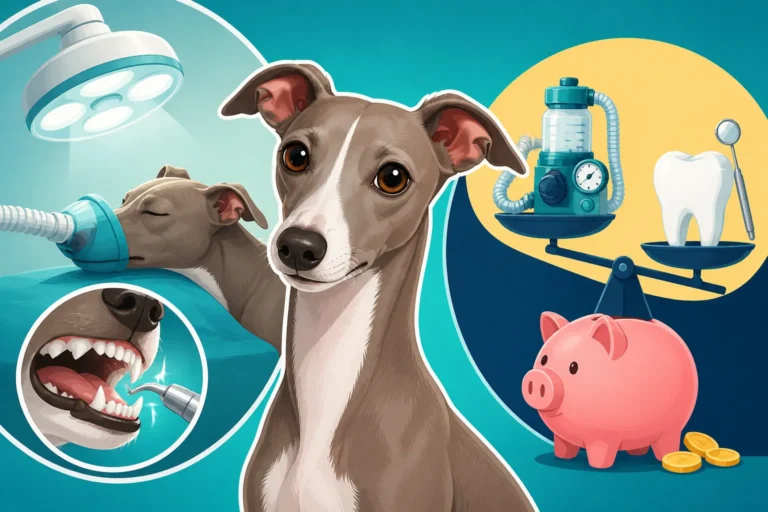
Before your Italian Greyhound even gets to the scaling part, there's a crucial preparation phase. Because Iggys are a sighthound breed, they often react differently to anesthesia compared to other dogs. They tend to metabolize drugs faster and are more sensitive to certain agents. This means careful anesthetic protocols and constant, vigilant monitoring are essential to keep them safe.
First, a full pre-anesthetic workup is typically required. This involves blood tests to check organ function (liver, kidneys), blood cell counts, and often an electrocardiogram (ECG) to assess heart health. This helps the vet identify any underlying issues that could complicate anesthesia. For Italian Greyhounds, who are sometimes prone to Why an Italian Greyhound's Thyroid Reading Reads Low, this bloodwork is especially important. Then, during the procedure itself, a dedicated veterinary technician continuously monitors vital signs like heart rate, blood pressure, oxygen saturation, and body temperature. Maintaining body temperature is critical for an IG, as they have very little body fat and can get cold quickly under sedation. All these safety measures, while vital, add to the overall cost, reflecting the specialized care your delicate friend needs.
Scaling, Polishing, and Dental X-rays
Once your IG is safely under anesthesia, the real work begins. The first step is thorough scaling, where special ultrasonic instruments are used to remove plaque and tartar from above and below the gum line. This is much more precise and effective than anything you can do at home. After scaling, each tooth is polished to smooth the surface, which helps prevent new plaque from adhering quickly.
However, the most critical part of a truly comprehensive dental for an Italian Greyhound often involves dental X-rays. What you see above the gum line is only half the story. A significant amount of dental disease, especially periodontal disease, occurs below the gum line, affecting the tooth roots and jawbone. Without X-rays, this hidden damage can go undetected, leading to continued pain and future problems. Dental X-rays allow the vet to identify abscesses, bone loss, un-erupted teeth, or root fragments that need attention. Given the delicate nature of an IG’s jaw, these X-rays are paramount for planning any necessary extractions safely. This advanced diagnostic step, while increasing the bill, is an invaluable investment in your Italian Greyhound's long-term oral health and prevents unnecessary pain down the line.
Extractions and Pain Management
Should the dental X-rays and oral examination reveal teeth that are too severely diseased to save, extractions become necessary. This is often the most significant variable in the cost of a dental cleaning, as removing teeth requires surgical skill, time, and specific tools. A simple extraction might involve just one root, while a multi-rooted tooth, especially a molar, is a much more complex procedure, sometimes requiring sectioning the tooth and careful bone removal to preserve the fragile jaw.
After extractions, proper pain management is paramount. Your vet will likely use local nerve blocks during the procedure to minimize pain during and immediately after the surgery. Then, they'll send you home with oral pain medication and anti-inflammatories to ensure your Italian Greyhound remains comfortable during recovery. Sometimes, antibiotics are also prescribed if infection was present. The cost of these medications, along with the surgical time and expertise for extractions, can significantly elevate the total bill. It’s important to remember that these aren't optional add-ons; they are crucial components of humane and effective veterinary care, ensuring your beloved IG heals without unnecessary suffering. What an Italian Greyhound's Dental Requires Anesthesia is a non-negotiable part of this process to ensure pain-free and effective treatment.
Factors Influencing the Cost of an Italian Greyhound's Dental
Just like human dental care, the cost of your Italian Greyhound's dental can fluctuate based on several factors. It’s not a one-size-fits-all price tag, and understanding these variables can help you anticipate and budget more effectively.
Geographic Location and Clinic Type
Where you live can have a huge impact on veterinary costs. A clinic in a major metropolitan area or a high-cost-of-living region will almost certainly charge more for the same procedure than a clinic in a rural town. This reflects the overhead costs of operating a business in that area, including rent, staff salaries, and equipment.
Beyond location, the type of veterinary clinic also plays a role. A small, independent general practice might have different pricing than a large, multi-doctor hospital or a specialty dental practice. While all vets are trained in general dentistry, some hospitals might have advanced equipment (like digital dental radiography or specialized surgical lasers) or board-certified veterinary dentists on staff, which can increase the cost due to their specialized expertise and technology. It’s always a good idea to call a few different clinics in your area for estimates, but be sure to ask what exactly is included in their quoted price to avoid surprises.
Severity of Dental Disease
This is often the biggest wildcard when it comes to the final bill. An Italian Greyhound with minimal tartar and no extractions needed will naturally have a much lower cost than one with advanced Periodontal Disease Is the Italian Greyhound's Most Common Diagnosis, requiring multiple extractions and potentially complex oral surgery. Many vets will give you a "base" price for a cleaning, but explicitly state that extractions and additional procedures will add to that.
The longer dental disease has been left unaddressed, the more severe it tends to become, and the more extensive the treatment required. This is why annual or even more frequent dental check-ups, even if a full cleaning isn't needed every single time, are so important for Italian Greyhounds. Early intervention can literally save teeth and significantly reduce the cost of future procedures. If your IG's breath is truly awful and they've been skipping cleanings, prepare for the possibility of a higher bill.
Additional Procedures and Medications
Sometimes, a dental cleaning uncovers issues that require more than just scaling and polishing. We've already touched on extractions, but there could be other needs. For example, if a severe infection is found, a course of antibiotics might be necessary both before and after the procedure. If the vet finds significant bone loss or an oral mass, biopsies might be recommended, which involve additional lab fees. In some cases, a tooth might need root canal therapy rather than extraction, a specialized procedure that would be performed by a veterinary dental specialist.
These additional procedures, while not always part of a "routine" dental, can become necessary components of your IG's overall oral health treatment plan. They are often discussed with you during the initial exam or once the patient is under anesthesia and the full extent of the problem can be safely assessed. While it can be stressful to hear about unexpected additions to the bill, these treatments are crucial for resolving pain and preventing the spread of infection or disease.
Managing and Budgeting for Italian Greyhound Dental Costs
Let's be real, no one enjoys unexpected vet bills, especially for something that feels routine yet carries a significant price tag. But with an Italian Greyhound, dental care isn't just routine; it's a vital part of their long-term health and comfort. The good news is there are ways to manage and prepare for these costs.
Preventive Home Care to Reduce Frequency and Severity
The single best thing you can do to potentially reduce the frequency and severity of professional dental cleanings for your Italian Greyhound is consistent home care. This means daily tooth brushing. Yes, daily! While it won't eliminate the need for veterinary cleanings, it can significantly slow down tartar buildup. Investing in a Which Toothbrush Fits an Italian Greyhound's Mouth and an enzymatic dog toothpaste that your IG tolerates can make a world of difference. Start when they are puppies to get them used to it. Brands like Chewy often carry a wide selection of brushes and pastes specifically designed for small dog mouths.
Beyond brushing, consider other dental health aids. Dental diets designed to mechanically scrub teeth can help, though they are usually not a substitute for brushing. Water additives and dental chews can offer some benefit, but always choose chews that are safe and appropriate for your Italian Greyhound's delicate jaw. Just be sure to talk to your vet about which ones they recommend, as some can be too hard and cause fractures. Consistent home care not only keeps their mouth healthier but also gives you an early warning system if new issues arise.
Pet Insurance and Wellness Plans
For many Italian Greyhound owners, pet insurance can be a financial lifeline, especially when faced with unexpected health issues or recurring costs like annual dentals. Not all pet insurance plans are created equal, so it's crucial to understand what's covered. Some standard accident and illness plans might cover dental trauma (like a broken tooth), but only comprehensive plans or add-on wellness packages might cover routine dental cleanings and associated extractions due to disease.
Companies like Healthy Paws offer various plans, and it's worth getting quotes and comparing coverage specifics, especially regarding dental care. Look for plans that specifically mention coverage for "non-routine dental" (meaning extractions due to disease) and, if possible, consider a wellness rider that helps offset the cost of annual cleanings. While there's an upfront monthly premium, knowing you have support for a significant dental bill can provide immense peace of mind. Whether Insurance Ever Pays an Italian Greyhound's Dental is a question many owners ask, and the answer depends entirely on your specific policy.
Alternatively, some veterinary clinics offer their own wellness plans, which often bundle routine care like annual exams, vaccinations, and sometimes even a dental cleaning or a discount on dental services, into a monthly payment plan. This can be a great way to spread out the cost and ensure your IG gets the preventive care they need.
Setting Aside a Dedicated "Dental Fund"
If pet insurance isn't the right fit for your budget or circumstances, another proactive approach is to create a dedicated savings fund specifically for your Italian Greyhound's dental care. Think of it as an emergency fund, but for teeth! Even if you start with a small amount each month, it can add up over time. If you know your IG will likely need a cleaning every year or two, you can estimate the potential cost and work backward to figure out how much you need to set aside regularly.
This financial discipline ensures that when the vet calls with the dreaded dental estimate, you’re not caught completely off guard. Having funds ready means you can move forward with the necessary procedure without added stress or delay, ensuring your Italian Greyhound receives timely care and avoids prolonged discomfort. Consider it a long-term investment in their health and happiness.
| Component of Dental Care | Description | Impact on Cost (Relative) |
|---|---|---|
| Pre-Anesthetic Bloodwork | Essential tests to assess organ health before anesthesia. | Moderate |
| Anesthesia & Monitoring | Specialized drugs, equipment, and staff dedicated to keeping IG safe during procedure. | High |
| Oral Examination | Visual inspection of teeth and gums by the veterinarian. | Included in base |
| Scaling & Polishing | Removal of plaque and tartar with ultrasonic tools, followed by polishing. | Moderate |
| Dental Radiographs (X-rays) | Images taken to assess tooth roots and jawbone below the gum line. | Moderate to High |
| Tooth Extractions | Surgical removal of diseased teeth; complexity varies. | Variable, can be High |
| Pain Medication (Injectable & Oral) | Managing discomfort during and after extractions. | Moderate |
| Antibiotics | Used if infection is present or highly likely. | Low |
| Post-Op Recheck | Follow-up appointment to monitor healing. | Low to Moderate |
Keeping an Italian Greyhound's mouth healthy is truly an ongoing commitment, both in terms of your time and your finances. While the costs associated with annual dental care can be substantial, they are a direct reflection of the specialized care required for this delicate breed and the critical importance of oral health to their overall well-being. By combining diligent home care, considering financial safeguards like insurance, and budgeting proactively, you can ensure your beloved IG keeps that sweet (if sometimes stinky!) smile for many years to come.
Disclaimer
This article is for general informational purposes only and does not constitute professional advice. Laws, prices and regulations vary by location and change over time. Consult a qualified professional for guidance on your specific situation.