How Many Coats an Italian Greyhound Needs
If you're an Italian Greyhound owner, or even just thinking of becoming one, you've probably already noticed that these slender, elegant dogs have a unique relationship with temperature. They shiver when other dogs are basking, and they seek out the warmest blanket pile even on a mild day. This guide is here to help you navigate the world of Italian Greyhound fashion – not as a trend, but as an absolute necessity for their health and comfort, ensuring your little companion stays cozy in every situation.
The Italian Greyhound's Unique Vulnerability to Cold
Let's be real, Italian Greyhounds are built for speed and grace, not for battling the elements. Their delicate physique, minimal body fat, and fine coat mean they feel the cold in a way many other breeds simply don't. It's not them being dramatic; it's just how they're wired, or rather, unwired for cold weather.
Why Italian Greyhounds Get Cold So Easily
Picture this: your Italian Greyhound, all sleek lines and barely-there fur, shivers visibly while curled up on the sofa, even though you feel perfectly comfortable in a t-shirt. This isn't an act. Italian Greyhounds possess an incredibly thin skin, almost devoid of the insulating fat layers that protect most other dog breeds. Combine that with a single, short coat that offers virtually no insulation, and you have a creature exquisitely sensitive to temperature drops. Their ancestral roots in warmer climates mean they never developed the thick undercoats or robust body mass that would help them retain heat. This is precisely Why an Italian Greyhound Cannot Hold Its Own Heat and it's a constant consideration for any owner. You might notice them pressing against you, burrowing deep into blankets, or seeking out sunbeams even when it's just a little breezy indoors. They're telling you, in their quiet way, that they are not warm enough.
Their metabolism, while efficient for bursts of speed, isn't designed to generate a lot of sustained body heat when at rest in cooler temperatures. Unlike a husky or a Newfoundland, an Italian Greyhound simply doesn't have the biological tools to stay toasty without external help. This means what feels like "cool" to us can feel downright frigid to them.
The Health Implications of Being Underdressed
Beyond mere discomfort, an Italian Greyhound that is consistently cold faces several health risks. The most immediate concern is hypothermia, which can happen even indoors if the temperature drops low enough and they don't have adequate protection. Prolonged cold exposure can also lead to stiff muscles and joints, making movement uncomfortable and potentially exacerbating any pre-existing conditions like arthritis, especially in older IGs.
A frequently chilled Italian Greyhound might also develop a lowered immune response, making them more susceptible to common illnesses. Imagine trying to fight off a sniffle when you're constantly shivering! What's more, their aversion to cold weather, particularly when it comes to potty breaks, can severely impact housetraining. Many owners face the frustration of an otherwise well-trained Italian Greyhound refusing to step outside when it's chilly, leading to indoor accidents. This regression is a very real problem, and it's often directly linked to a lack of proper outerwear. You might find that How Cold Weather Undoes an Italian Greyhound's Training is a recurring theme if you're not prepared. They'll hold it as long as they possibly can, preferring the warmth of your home to a quick, cold outdoor dash.
Building the Essential Indoor Wardrobe for Your Italian Greyhound
Since Italian Greyhounds are so sensitive to temperature, their clothing needs aren't just for outdoor adventures. Their indoor environment plays a huge role in their comfort and health, often requiring an "indoor wardrobe" as well.
When a Sweater is More Than Just a Fashion Statement
For an Italian Greyhound, an indoor sweater isn't a frivolous accessory; it's often a daily necessity. Even in a home that feels comfortable to you, drafts, cooler corners, or simply the natural dip in evening temperatures can leave your IG shivering. Generally, if your indoor thermostat is set below 72°F, or if you feel even a slight chill, your Italian Greyhound could benefit from a sweater. This is especially true for older Italian Greyhounds, who might have reduced mobility or a less efficient metabolism, or those recovering from surgery. When an Italian Greyhound Needs a Sweater Indoors might be more often than you think!
Think of these sweaters as their daily uniform. You'll want a few lightweight options made from soft fleece or cotton knits. These allow for movement without overheating but provide that crucial extra layer against drafts. They're perfect for lounging on the sofa, playing indoors, or just snuggling up for a nap. Having a small rotation of these means you always have a clean one available while others are in the wash.
The Importance of Pajamas and Sleepwear
Many Italian Greyhound owners swear by pajamas, and for good reason. Even with a warm indoor temperature during the day, nights can bring a significant temperature drop. For a breed that already struggles with heat retention, those overnight hours can become uncomfortably cold, leading to restless sleep and shivering. Pajamas provide an uninterrupted layer of warmth that moves with them as they shift and burrow through the night. It's not uncommon to find your Italian Greyhound tucked deep under blankets, and pajamas simply enhance this natural instinct for warmth and security. Indeed, many IGs are expert burrowers, and understanding Why an Italian Greyhound Sleeps Under the Covers is key to their comfort.
Look for soft, breathable materials like fleece or cotton for sleepwear. Full-body pajamas are excellent as they cover their delicate belly and legs, areas where they can lose heat rapidly. Having a couple of pairs ensures you have one clean set ready for laundry day. This simple addition can make a world of difference in their quality of sleep and overall warmth.
Navigating the Outdoors: Coats for Every Season
Taking your Italian Greyhound outside requires thoughtful preparation, as the elements can be harsh on their thin bodies. Their outdoor wardrobe needs to be just as robust, if not more so, than their indoor one.
Mild Weather and Transitional Coats
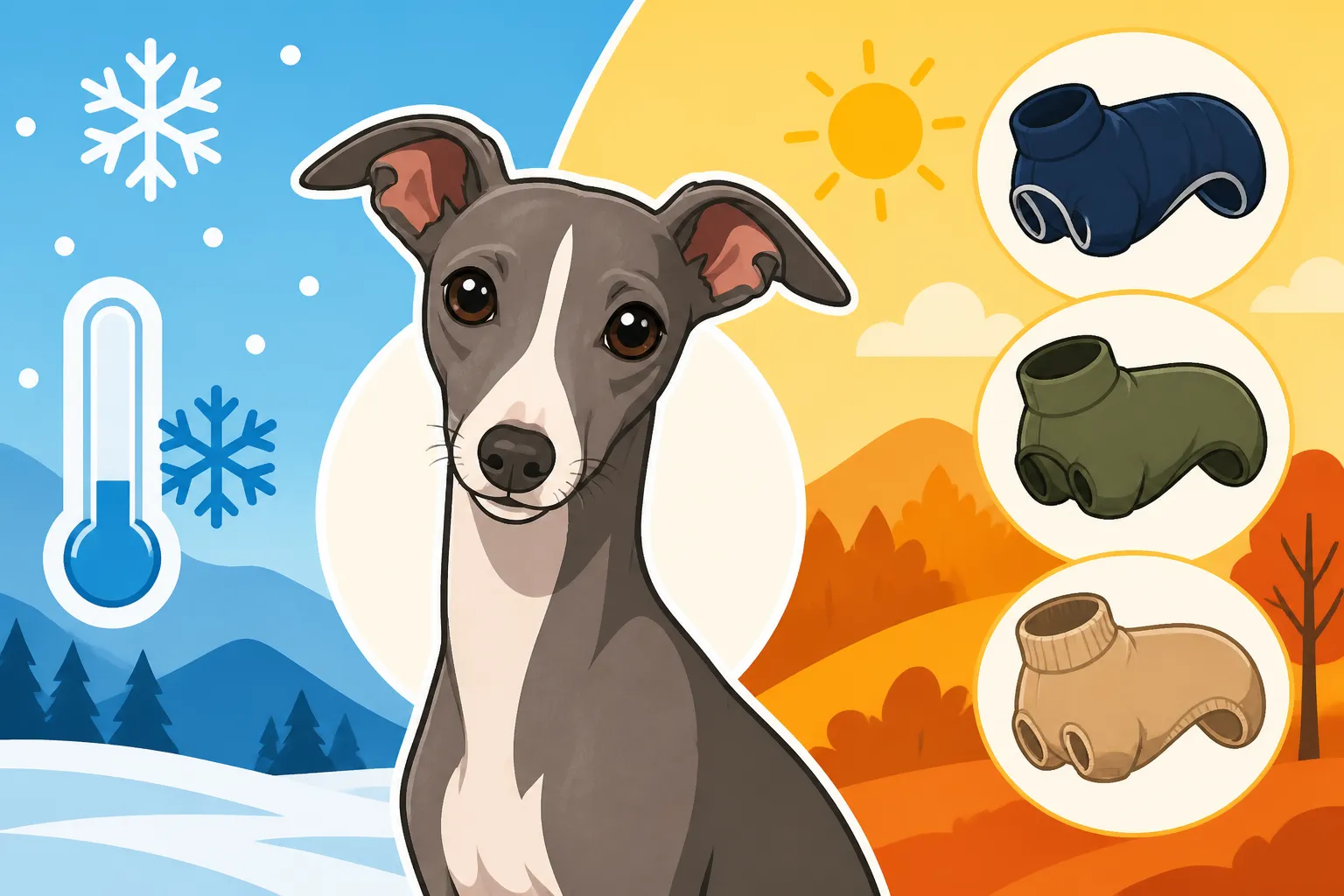
Even on days that feel "mild" to us, a light jacket can be indispensable for your Italian Greyhound. Think crisp autumn mornings, breezy spring afternoons, or simply a cloudy summer day that isn't quite warm enough for their bare skin. A lightweight fleece or a softshell jacket can provide just enough warmth to take the edge off the chill, making walks more enjoyable and preventing them from getting overly cold. These types of coats are great for temperatures in the 45-60°F range.
Raincoats are another critical piece, regardless of temperature. Getting wet, even in mild weather, can quickly chill an Italian Greyhound. A waterproof or water-resistant raincoat protects their skin from moisture and helps maintain their body temperature. Look for designs that cover their chest and belly effectively, as these areas are most exposed to splashes and puddles. A lightweight raincoat can be easily layered over a sweater if it's both wet and cool, offering versatile protection. When considering practical needs, remember you can find a good range of functional, weather-appropriate apparel options from retailers like Chewy, which often stock items suitable for smaller breeds.
Serious Winter Warmth: The Heavy-Duty Outerwear
When winter truly bites, your Italian Greyhound needs serious protection. This isn't just about a coat; it's about warmth, wind resistance, and often waterproofing. For temperatures dipping below 30°F, a heavily insulated, waterproof winter coat is non-negotiable. And often, a single coat isn't enough – many owners layer a warm fleece sweater under their heavy winter coat for maximum protection. This combination creates an air pocket that traps heat, much like our own winter layering. This approach is essential because How Many Layers an Italian Greyhound Needs Below Freezing can be surprising to new owners.
These heavy-duty coats should be designed specifically for sighthound body types, which means they'll have a deep chest, good belly coverage, and often a snood or neck warmer built in. A well-fitting coat should not restrict movement but should snugly cover as much of their body as possible. Proper measurements are key, as a gappy coat will let cold air in. Understanding Which Measurements an Italian Greyhound Coat Needs will ensure you get a truly protective garment. Consider coats with reflective strips for visibility during darker winter walks.
Boots: More Than Just a Cute Accessory
Boots for an Italian Greyhound might seem like an adorable fashion choice, but they serve a crucial purpose, especially in harsh weather. In winter, paw pads are vulnerable to freezing temperatures, ice, and, perhaps most damagingly, rock salt and chemical de-icers that can cause painful chemical burns and cracks. Protecting their paws with boots makes winter walks safer and more comfortable. For instance, Whether Salted Sidewalks Hurt an Italian Greyhound's Feet is not really a question—they absolutely do, and boots are the answer.
Beyond winter, boots can also protect delicate paw pads from scorching hot pavement in summer, preventing painful burns. While some Italian Greyhounds might initially resist wearing boots, with patience and positive reinforcement, most learn to tolerate them, understanding the comfort they provide. Look for boots that stay on securely, offer good traction, and are made from durable, waterproof materials. There are various styles, from silicone paw protectors to more structured fabric boots, so finding the right fit for your IG might involve a bit of trial and error.
Practical Considerations for an Italian Greyhound's Wardrobe
Beyond the sheer number of coats, how you select, maintain, and budget for your Italian Greyhound's clothing is equally important for their well-being and your peace of mind.
Understanding Fit and Fabric for Italian Greyhounds
The Italian Greyhound's unique physique is both beautiful and challenging when it comes to clothing. Their deep chests, narrow waists, and long, slender necks mean that "off-the-rack" generic dog clothing often fits poorly. A coat designed for a bulldog simply won't work for an Italian Greyhound. A proper fit is paramount for both warmth and comfort. A coat that's too loose will allow cold air to seep in, defeating its purpose, while one that's too tight will restrict movement and cause chafing. Look for brands that specialize in sighthound apparel, as these are often cut to accommodate their distinctive body shape, ensuring full chest and belly coverage without gapping or hindrance.
When it comes to fabrics, consider the purpose. Fleece is wonderful for indoor warmth and layering due to its softness and heat retention. Wool can also offer natural insulation. For outdoor coats, water-resistant or waterproof outer layers are crucial, often combined with an insulated lining like synthetic fill. The inner lining should be smooth to prevent matting or irritation of their fine fur. Always prioritize breathable materials to prevent your Italian Greyhound from getting clammy, especially during activity.
Budgeting and Maintaining Your Italian Greyhound's Clothing
Let's be honest, an Italian Greyhound's wardrobe can add up quickly! It’s easy to spend a significant amount, so smart budgeting is a must. A good rule of thumb is to prioritize quality for essential pieces, especially winter coats and sturdy rainwear. These items will see the most wear and tear and provide the most critical protection. You don't need dozens of coats, but a few well-made, well-fitting pieces will serve your Italian Greyhound better than a pile of ill-fitting, cheap ones. Many owners are surprised to learn What an Italian Greyhound's Wardrobe Costs a Year because it quickly becomes an ongoing line item in the budget.
When considering the costs, remember that investing in good clothing can also help mitigate potential vet bills. An adequately dressed Italian Greyhound is less likely to suffer from hypothermia, colds, or paw injuries, which could lead to expensive veterinary visits. For peace of mind regarding unforeseen health issues, many Italian Greyhound owners also look into pet insurance options, like those offered by Healthy Paws, which can help cover veterinary costs for accidents or illnesses, though prevention through proper care is always the first line of defense.
Maintenance is straightforward: most dog coats are machine washable. Always check the care labels, but gentle cycles and air drying often work best to preserve the integrity of waterproof layers and insulation. Having a rotation of coats and sweaters means you won't be doing laundry every single day. Store seasonal items neatly to prolong their life.
Beyond the Basics: Health & Comfort Support
In addition to coats, think about other items that support your Italian Greyhound's overall health and comfort. A well-placed, draft-free bed with ample blankets is vital indoors. This is particularly important for older IGs or those prone to joint issues. A heated bed can also be a game-changer for IGs who struggle to stay warm, ensuring they have a constant source of gentle heat. Whether an Italian Greyhound Needs a Heated Bed is a question many owners consider, especially in colder climates.
For their overall well-being, especially when dealing with such a delicate and cold-sensitive breed, nutrition plays a role too. High-quality food contributes to a healthy coat and overall resilience. While not directly clothing, a brand like Ollie, known for fresh, human-grade dog food, focuses on providing optimal nutrition that supports a dog's health from the inside out, complementing all the external care you provide. This holistic approach ensures your Italian Greyhound is as robust as possible against environmental challenges.
A Layered Approach: How Many is 'Enough'?
So, after all this, how many coats does an Italian Greyhound actually need? The answer isn't a single number, but rather a practical collection of items that address various situations and temperatures.
The "Minimum" Essential Wardrobe
For a truly comfortable and healthy Italian Greyhound, a basic, essential wardrobe should include:
- 2-3 Lightweight Indoor Sweaters: These are for daily wear inside the home, especially if your thermostat hovers below 72°F or your home has drafts. They provide constant, comfortable warmth.
- 1-2 Pairs of Pajamas: Crucial for overnight warmth, preventing shivering, and ensuring restful sleep, especially in cooler bedrooms. Whether an Italian Greyhound Wears a Coat to Bed is a common question, and pajamas are often the answer!
- 1 Transitional Jacket/Light Fleece Coat: For cool, breezy days when a full winter coat is too much, but bare skin isn't enough. Think autumn and spring outings.
- 1 Waterproof Raincoat: Essential for keeping them dry and preventing chills on rainy days, regardless of the temperature.
- 1 High-Quality, Insulated Winter Coat: This is your heavy artillery for genuinely cold temperatures, snow, and icy conditions. Prioritize good fit and warmth.
- 1 Set of Boots: For protecting paws from extreme temperatures, rough terrain, ice melt, and hot pavement.
This minimum collection allows for rotation for washing and ensures your Italian Greyhound is prepared for most common scenarios, from lounging indoors to brisk winter walks. It means you won't be caught off guard when the weather suddenly shifts or when one item is in the laundry.
Expanding for Comfort and Style
Once you have the essentials covered, you might find yourself wanting to expand your Italian Greyhound's wardrobe. This isn't just about vanity; it adds further comfort, practicality, and allows for even better rotation and specific situation dressing.
- Extra Indoor Sweaters: More sweaters mean less frequent laundry cycles and always having a clean one ready. You might also want different weights or styles for varying indoor temperatures or for "dressier" occasions.
- Second Heavy Winter Coat: Having a backup winter coat is incredibly useful. If one gets wet or muddy on a long walk, you have another dry one immediately available for the next outing. This is particularly important for those truly frigid days where How Long an Italian Greyhound Can Stay Outside in Winter is already limited.
- Specialty Coats: Perhaps a specialized reflective coat for night walks, or a lighter waterproof jacket for warmer rainy days where insulation isn't needed.
- Seasonal Accessories: Consider neck gaiters or snoods for extra warmth around the neck on very cold days, especially if your primary coat doesn't have a built-in hood.
Ultimately, the goal is to keep your Italian Greyhound consistently warm and comfortable, minimizing their risk of illness or injury due to cold exposure. While it might seem like a lot of clothing, for these delicate sighthounds, it's a fundamental part of responsible ownership and a true act of love.
| Clothing Item | Primary Purpose | Key Features / Material | Ideal Conditions |
|---|---|---|---|
| Light Indoor Sweater | Everyday indoor warmth, drafts | Thin fleece, cotton knit | ~68-72°F indoors, light drafts |
| Pajamas | Overnight warmth, extra coziness | Soft fleece, cotton | ~65°F or below indoors, sleeping |
| Transitional Jacket | Mild outdoor chill, light wind | Light fleece, softshell | 45-60°F, breezy autumn/spring days |
| Raincoat | Protection from wetness | Waterproof nylon | Rainy days (any temp where getting wet would chill) |
| Winter Coat (Medium) | Moderate cold outdoor protection | Insulated, windproof | 30-45°F, moderate winter walks |
| Winter Coat (Heavy) | Severe cold, snow, extended outdoor time | Heavily insulated, waterproof, full coverage | Below 30°F, snow, ice, long walks |
| Boots | Paw protection from elements & surfaces | Rubber soles, waterproof uppers | Snow, ice, salt, hot pavement |
Disclaimer
This article is for general informational purposes only and does not constitute professional advice. Laws, prices and regulations vary by location and change over time. Consult a qualified professional for guidance on your specific situation.