What the First Year With an Italian Greyhound Costs
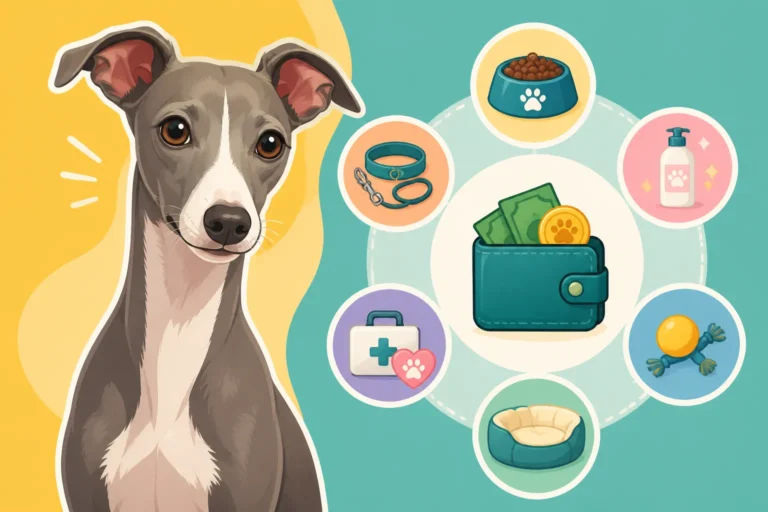
Bringing an Italian Greyhound into your home is an incredibly exciting time, filled with dreams of snuggles, playful zoomies, and unwavering companionship. But let's be realistic: that first year can also hit your wallet harder than you might expect. It's not just the purchase price; it's a cascade of initial setups, preventative care, and the always-present potential for unexpected costs unique to this delicate breed. This comprehensive guide is here to walk you through all the financial aspects of that crucial first year, helping you budget wisely and ensure your new best friend gets the best possible start without any stressful surprises.
The Initial Investment: Bringing Your Italian Greyhound Home
The moment you decide to welcome an Italian Greyhound into your life, the financial journey begins. This initial outlay covers everything from the cost of acquiring your puppy or rescue dog to all the essential items you'll need to prepare your home for their arrival. It's often the biggest lump sum you'll spend, and it sets the stage for their health and happiness.
Puppy Purchase Price or Adoption Fees
For many, the first big number they see is the price tag on an Italian Greyhound puppy. If you're going through a reputable breeder, you're not just paying for a cute face; you're contributing to generations of careful breeding, health testing, and early socialization that are absolutely vital for this breed. Prices can vary significantly based on the breeder's reputation, the puppy's lineage (whether they come from show lines or are purely for companionship), and even your geographic location. Expect a range that reflects the serious commitment a good breeder makes to their dogs. This fee typically includes initial vaccinations, deworming, microchipping, and often a health guarantee, which can offer some peace of mind against early, unforeseen issues. You can dive deeper into the specifics by reading What an Italian Greyhound Puppy Costs From a Breeder.
Alternatively, many wonderful Italian Greyhounds find themselves in rescue organizations, through no fault of their own. Adopting from a rescue is a fantastic option, and while the upfront fee might be lower than a breeder's price, it's still an investment. Rescue fees usually cover spay/neuter surgery, up-to-date vaccinations, microchipping, and any medical care the dog needed before adoption. This can be a huge value, especially if you're adopting an adult dog who has already had some foundational vetting. These organizations pour a lot of resources into getting their dogs healthy and ready for their forever homes. If you're considering this route, it's worth exploring What Adopting an Italian Greyhound Costs to understand the full scope.
It's tempting to look for the cheapest option, but remember the old adage: you get what you pay for. A suspiciously low price for an Italian Greyhound puppy often signals a breeder cutting corners, which can lead to heartbreaking health or behavioral issues down the line – and significantly higher vet bills. Investing wisely upfront, whether through a responsible breeder or a dedicated rescue, usually saves you money and heartache in the long run.
Initial Supplies: Setting Up Your IG's World
Once your Italian Greyhound is on their way, your home needs to be ready. These initial supplies are crucial for their comfort, safety, and training, and they add up quickly. A good quality crate, for instance, isn't just a cage; it's a den, a safe haven where your IG can feel secure, especially when they're first adjusting to a new environment or when you need to leave them unsupervised for short periods. Given how delicate Italian Greyhounds are, investing in sturdy, comfortable bedding is also a must to protect their bony joints and keep them warm.
Food and water bowls are essential, of course, and many owners opt for elevated bowls to promote better digestion, especially in deep-chested breeds. Then there's the gear for walks: a well-fitting harness is non-negotiable for an Italian Greyhound. Their delicate necks and propensity for slipping out of collars mean a proper sighthound-specific harness is vital. Learn more about choosing the right one in Which Harness Suits an Italian Greyhound's Neck. A lightweight leash and ID tags are also on the list. You'll also need an initial stash of toys to keep them entertained and mentally stimulated, especially during those puppy chewing phases. Many Italian Greyhounds adore soft plush toys, while others prefer something a bit more durable for gentle chewing.
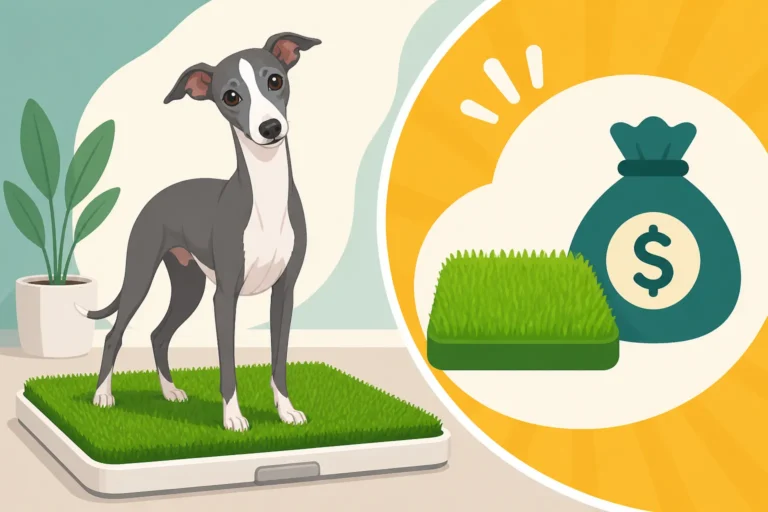
Finally, don't forget grooming tools – a soft brush, nail clippers (or a Dremel), and dog-specific toothpaste and a small toothbrush are vital for their daily care. For housetraining, whether you plan for outdoor potty breaks or intend to litter box train, you'll need puppy pads or a small litter box with appropriate litter. Many Italian Greyhound owners find that an indoor potty solution is a lifesaver, especially during cold or wet weather, as this breed notoriously dislikes inclement conditions. Setting up your home with these essentials not only makes your IG feel welcome but also sets them up for success in their new environment. You might find many of these essentials at a store like Chewy, which offers a wide selection of supplies tailored to small breeds.
First Vet Visits and Vaccinations
Even if your Italian Greyhound puppy came with their first round of shots, the vet visits don't stop there. The first year is usually packed with trips to the veterinarian. Puppies require a series of vaccinations to build up their immunity against common diseases like distemper, parvovirus, and rabies. This initial series typically involves several appointments spread out over a few months. Each visit also includes a thorough physical examination to ensure your puppy is growing properly and has no underlying health concerns. You'll want to review The Vaccination Schedule an Italian Greyhound Puppy Needs to get a clearer picture.
Beyond vaccines, your vet will administer deworming treatments, as puppies are often born with or acquire intestinal parasites. Flea, tick, and heartworm prevention are also critical and begin early in life. These medications are usually given monthly and are a non-negotiable part of responsible pet ownership, protecting your Italian Greyhound from potentially deadly diseases. The cost of these medications varies but is a recurring expense you need to factor into your monthly budget. The cumulative cost of all these initial vet visits and preventative treatments can be substantial, often hundreds of dollars, especially when you consider each appointment fee on top of the vaccines and medications. For a detailed breakdown of costs, check out What an Italian Greyhound Puppy's Vaccination Course Costs.
It's incredibly important to find a veterinarian who has experience with sighthounds. Their unique physiology, particularly their sensitivity to certain anesthetics, means that a knowledgeable vet is crucial. Don't be shy about asking questions about their experience with Italian Greyhounds and their protocols for managing potential breed-specific issues. These early visits aren't just about shots; they're about establishing a relationship with a trusted healthcare provider who understands the nuances of your delicate companion.
Essential Ongoing Care: The Daily and Monthly Budget
Once your Italian Greyhound is settled in and past the initial puppy phase, the focus shifts to consistent, day-to-day care. These are the expenses that become part of your regular household budget, ensuring your IG remains healthy, happy, and well-maintained throughout their first year and beyond.
Food and Treats
Feeding your Italian Greyhound might be one of the more consistent line items in your monthly budget, but thankfully, they aren't typically huge eaters. An adult Italian Greyhound generally needs a relatively small amount of high-quality food each day, often less than you might expect for a dog of their energy level. The exact amount will depend on their weight, age, activity level, and the specific food you choose. It's important to select a food that provides all the necessary nutrients, as good nutrition is foundational to their overall health, coat quality, and energy. Many owners opt for premium kibble, while others prefer wet food, a raw diet, or even fresh food options.
Brands like Ollie, for instance, offer fresh, human-grade food delivered right to your door, which can be a fantastic option for picky eaters or those looking for a healthier alternative to traditional kibble. While it might come at a higher price point than conventional dog food, many owners find the investment worthwhile for their dog's health and enjoyment. Regardless of the type, remember that consistency is key for their digestive system. Beyond regular meals, treats play a vital role in training and as rewards, so factor in the cost of high-quality, small-sized treats that won't pack on extra pounds. For a more detailed look at their dietary needs, explore How Much an Adult Italian Greyhound Eats or What an Italian Greyhound Eats in a Month.
Don't be surprised if your Italian Greyhound occasionally turns up their nose at a meal. They can be a bit particular sometimes! However, a consistent refusal to eat or a significant change in appetite warrants a vet visit, as it could indicate an underlying health issue. The good news is, because of their small size, their overall food consumption remains relatively modest compared to larger breeds, making this a manageable ongoing expense.
Routine Veterinary Care and Preventatives
Even beyond the intensive puppy vaccination schedule, routine veterinary care remains a cornerstone of your Italian Greyhound's health. Most healthy adult Italian Greyhounds will need an annual wellness check-up, which includes a physical examination, discussions about their diet and exercise, and potentially updated vaccinations or booster shots if recommended by your vet. These yearly visits are crucial for catching any nascent health issues early, which can save you significant money and stress in the long run. Think of it as preventative maintenance for your beloved companion.
On a monthly basis, you'll continue with essential preventatives. This includes medications for flea and tick control, which are vital to prevent infestations and the diseases these parasites can transmit. Even more critical is heartworm prevention, as heartworm disease can be devastating and treatment is both costly and arduous. These monthly medications are typically prescription-only and are administered either orally or topically. The cost for these can vary based on your dog's weight (though most IGs fall into the smallest weight categories, keeping costs relatively low) and the specific product chosen. For details on these vital expenses, see What Heartworm Prevention Costs for an Italian Greyhound and What an Italian Greyhound's Annual Checkup Costs.
Beyond these scheduled visits and medications, it's wise to budget for occasional minor veterinary issues. A sudden upset stomach, a minor cut that needs attention, or a skin irritation can pop up unexpectedly. These aren't emergencies, but they do require vet intervention and can add to your monthly costs. Having a little wiggle room in your budget for these unforeseen, but usually minor, health hiccups can prevent small problems from becoming bigger, more expensive ones.
Grooming Essentials
When it comes to grooming, Italian Greyhounds are thankfully one of the lowest-maintenance breeds out there. Their short, fine coats shed minimally and don't require professional grooming, saving you a substantial recurring expense that many other dog owners face. However, there are still a few essential tasks and associated costs that you'll need to manage regularly to keep your IG healthy and comfortable.
Nail trims are paramount. Italian Greyhounds have delicate feet and fast-growing nails that, if left untrimmed, can become long, painful, and even lead to foot deformities. Many owners choose to trim their IG's nails at home with clippers or a Dremel, which is a one-time purchase of the tool. However, if you're uncomfortable doing it yourself, regular trips to the vet or a professional groomer for nail trims will add to your costs. This might be a weekly or bi-weekly task. For more insights on this, read How Often an Italian Greyhound's Nails Need Trimming. Similarly, their ears need occasional checking and cleaning, especially if they spend time outdoors where dirt or allergens might accumulate. A gentle, vet-approved ear cleaner is usually all you need.
The most critical grooming task for an Italian Greyhound, however, is daily tooth brushing. This breed is notoriously prone to severe dental disease, and brushing their teeth every single day is the single most effective way to combat it. This requires a dedicated, soft toothbrush sized for a small mouth and dog-specific toothpaste (never human toothpaste). While the initial cost of these items is minimal, the commitment to daily care is significant, and neglecting it will almost certainly lead to costly dental procedures down the line. We delve into this crucial aspect in Brushing an Italian Greyhound's Teeth Every Day. Occasional baths are also needed, perhaps once a month or as needed, using a gentle dog shampoo to prevent dry skin. Overall, while low-maintenance, these grooming essentials still represent a small but important ongoing cost in your first year.
The Unavoidable Big Ticket Item: Health Expenses
While we all hope for a perfectly healthy pet, Italian Greyhounds, for all their charm, come with certain breed-specific vulnerabilities that can lead to significant unexpected costs. It's crucial to be aware of these potential financial drains and plan for them, especially in the first year when puppies are most susceptible to certain issues.
The Looming Threat of a Broken Leg
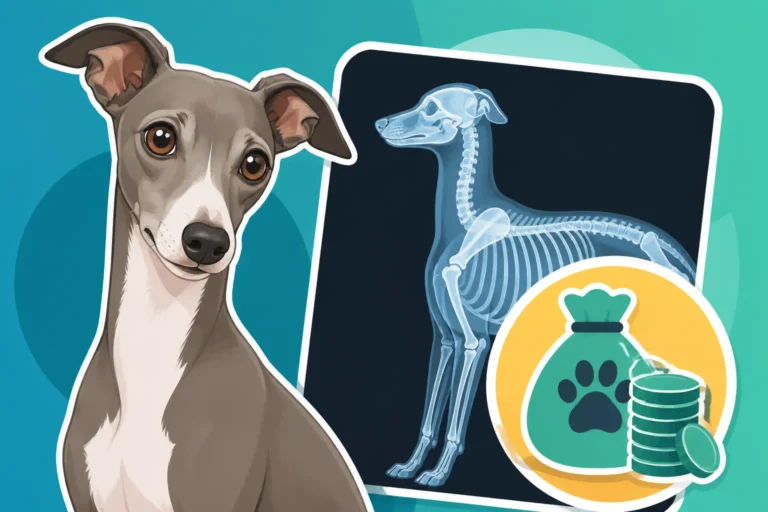
No discussion about Italian Greyhound ownership costs is complete without addressing the elephant in the room: broken legs. This breed's fine, delicate bones, particularly their radius and ulna, are notoriously fragile, especially in puppies and young adults. A simple jump off a sofa, a misstep during play, or even being dropped can lead to a devastating fracture. The emotional toll is immense, but the financial burden is equally staggering. A broken leg is not just a 'boo-boo'; it's a major orthopedic emergency that almost always requires specialist veterinary care. You can find out more about the severity of this issue by reading A Broken Leg Is the Emergency Every Italian Greyhound Owner Fears.
Fracture repair typically involves surgery to plate and pin the bone, followed by weeks or even months of intensive aftercare, including crate rest, pain management, and potentially physical therapy. The cost for such a surgery can easily run into thousands of dollars, depending on the severity of the fracture, the location, and whether complications arise. And it's not a one-and-done situation; there are follow-up X-rays, medication refills, and potential rechecks. This single event can easily become the biggest bill an Italian Greyhound owner gets in their lifetime, let alone their first year. For a realistic look at the expenses, consider What Fracture Surgery Costs on an Italian Greyhound.
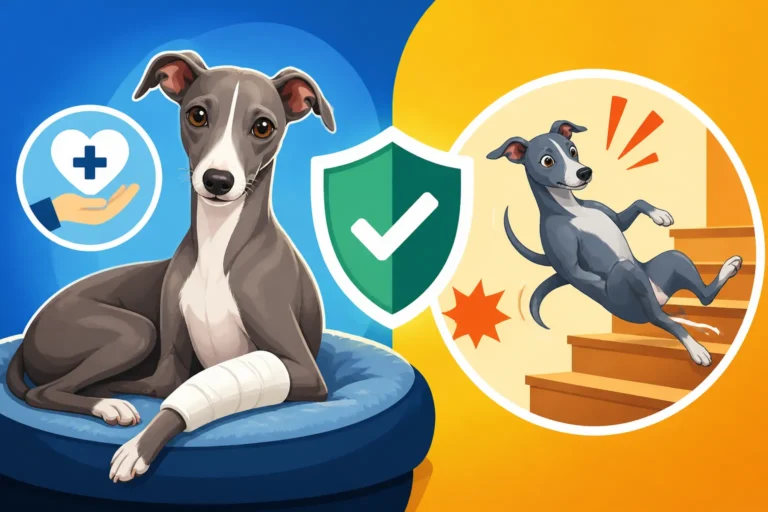
Preventative measures, like using ramps and steps for furniture and closely supervising your puppy, are crucial, but accidents can still happen. This potential expense is a primary reason why many Italian Greyhound owners stress the importance of pet insurance or a dedicated emergency fund, as discussed further below. The cost isn't just financial; it's also the emotional stress and the intensive time commitment required for their recovery.
Dental Disease: A Silent Wallet Drainer
Beyond broken legs, dental disease is perhaps the most common and persistent health issue for Italian Greyhounds, and it’s a silent, ongoing drain on your wallet if not managed proactively. Their delicate, often overcrowded mouths are highly susceptible to plaque and tartar buildup, leading to gingivitis, periodontal disease, and ultimately, tooth loss. This isn't just about bad breath; severe dental disease can cause chronic pain, infections that spread to other organs, and significantly impact your dog's quality of life and lifespan. For a detailed look at this prevalent issue, refer to Periodontal Disease Is the Italian Greyhound's Most Common Diagnosis.
Unlike larger breeds, Italian Greyhounds often start showing signs of tartar as early as two or three years old, sometimes even younger. This means that regular professional dental cleanings under anesthesia are often required annually, or even more frequently for some individuals. A typical dental cleaning involves scaling, polishing, and a thorough examination of each tooth. If extractions are necessary due to advanced disease, the cost climbs significantly, as each extraction is an additional procedure. These cleanings, plus any extractions, can cost hundreds, sometimes thousands, of dollars per session. You can estimate these costs better by reading What a Dental Cleaning Costs for an Italian Greyhound.
The best defense against these recurring and expensive procedures is daily home dental care, primarily brushing their teeth. While this is a time investment, it can significantly reduce the frequency and severity of professional dental interventions. Neglecting daily brushing almost guarantees you'll be facing substantial vet bills for dentals within their first few years of life.
Other Potential Health Issues
While broken legs and dental disease are the most prevalent and costly issues for Italian Greyhounds, it's important to be aware of other potential health concerns that could arise in the first year, adding to your expenses. Reputable breeders screen for many hereditary conditions, which significantly reduces risk, but doesn't eliminate it entirely.
For instance, conditions like Legg-Calve-Perthes disease, a degenerative hip condition, can manifest in puppies, typically between 4 and 12 months of age. This causes pain and lameness and often requires surgery to correct. You can learn more about its onset in Legg Calve Perthes Turns Up in an Italian Greyhound at Six Months. Patellar luxation, where the kneecap slips out of place, is another orthopedic concern that Italian Greyhounds can inherit. While mild cases might be managed conservatively, more severe instances often necessitate surgical correction. If you observe your Italian Greyhound skipping a step or holding a leg up occasionally, it's worth investigating. More information on this can be found in Patellar Luxation in an Italian Greyhound.
Eye diseases, such as Progressive Retinal Atrophy (PRA) or cataracts, are also seen in the breed. While PRA often manifests later in life, breeders should screen for it. Initial symptoms or concerns might prompt specialist veterinary ophthalmologist visits. Again, while good breeding practices aim to minimize these risks, they remain possibilities. These conditions, if present, can add substantial diagnostic and treatment costs to your first-year budget. It underscores the importance of choosing a responsible breeder who performs genetic health testing and provides health guarantees, offering a layer of protection against these expensive surprises. However, even with the best precautions, some things are simply beyond our control, which brings us to the importance of proactive financial planning.
Planning for the Unexpected: Insurance and Emergency Funds
Even with the most meticulous budgeting and preventative care, owning an Italian Greyhound means acknowledging the possibility of unexpected, significant expenses. This breed's delicate nature, coupled with their spirited personalities, means that accidents and unforeseen health issues are always a possibility. This is where strategic financial planning comes into play, offering a crucial safety net for both your pet and your peace of mind.
Pet Insurance: A Lifeline or a Luxury?
For many Italian Greyhound owners, pet insurance isn't a luxury; it's a lifeline. Considering the breed's propensity for broken legs and chronic dental issues, having a good insurance policy can literally save your dog's life or prevent you from facing an impossible financial choice. Pet insurance works similarly to human health insurance, where you pay a monthly premium, and in return, the company reimburses a percentage of your eligible vet bills after you meet a deductible. The policies vary widely in terms of what they cover, the deductible amounts, and the reimbursement percentages, so it's vital to do your homework.
Many policies cover accidents and illnesses, which would include something catastrophic like a broken leg surgery. Some even offer optional riders for routine wellness care or dental cleanings. When researching, pay close attention to waiting periods (the time before coverage kicks in), annual limits, and whether hereditary or congenital conditions are covered. Companies like Healthy Paws are well-known for their comprehensive accident and illness plans, which many IG owners find invaluable. Understand that most policies won't cover pre-existing conditions, so enrolling your puppy as early as possible is generally recommended. To understand the full scope of what pet insurance can offer, delve into What Pet Insurance Actually Covers on an Italian Greyhound and get a sense of monthly premiums by checking What Insuring an Italian Greyhound Costs a Month.
While pet insurance does add a monthly expense to your budget, the peace of mind it offers, knowing you can provide the best possible care without devastating your finances, is often priceless. It’s a tool that allows you to focus on your dog's recovery rather than the burgeoning vet bill.
Building an Emergency Fund
For those who opt not to purchase pet insurance, or even as a supplement to it, building a dedicated emergency fund for your Italian Greyhound is an absolute must. Given the breed's fragility, especially the very real risk of a broken leg, having readily available funds for a significant veterinary emergency is crucial. Imagine your active puppy suddenly yelping after a seemingly innocent jump from the couch – that could easily lead to an emergency room visit and potentially thousands of dollars in surgery. Without an emergency fund or insurance, these situations can be incredibly stressful and force difficult decisions. You can learn more about preparing for this specific cost by reading Budgeting for an Italian Greyhound's Broken Leg Before It Happens.
The general recommendation for a pet emergency fund is to save anywhere from $2,000 to $5,000, but for an Italian Greyhound, leaning towards the higher end of that spectrum, or even beyond, is prudent. This fund should be separate from your regular savings and easily accessible. Consider setting up an automatic transfer each month to steadily build this safety net. Even if you have insurance, a fund can cover your deductible, co-insurance, or treatments not covered by your policy.
If an emergency strikes before you've built up adequate savings, options might include veterinary payment plans, credit cards, or even third-party medical financing services. However, these often come with interest or repayment terms that can add to your stress during an already difficult time. Proactively saving means you're prepared for the worst, allowing you to prioritize your Italian Greyhound's health above all else. Understanding How Owners Finance an Italian Greyhound Emergency can provide further insights into various financial avenues during crisis.
Lifestyle and Comfort: Making Their House a Home
Owning an Italian Greyhound means more than just feeding them and taking them to the vet. It means adapting your home and lifestyle to their unique needs, particularly when it comes to their comfort, warmth, and safety. These lifestyle adjustments often come with their own set of costs, especially in that crucial first year.
Temperature Control and Clothing Needs
One of the first things new Italian Greyhound owners discover is how easily these dogs get cold. With their minimal body fat and thin coats, Italian Greyhounds are incredibly sensitive to even mildly cool temperatures, let alone actual winter chill. This means that "keeping them warm" isn't just a winter activity; it's a year-round commitment that influences your home's thermostat settings and your dog's wardrobe. You can learn more about this essential care in Keeping an Italian Greyhound Warm Is Daily Work, Not a Winter Job.
Indoors, many Italian Greyhounds will shiver even at typical room temperatures, necessitating sweaters or pajamas. This means budgeting for a collection of cozy clothing. While you might start with one or two sweaters, you'll quickly realize that you need several, especially if your IG enjoys spending time outside in cooler weather or if your home runs cooler. You'll need different weights and styles – a light cotton pajama for indoor lounging, a medium-weight fleece for cooler days, and a more substantial coat for outdoor excursions. Finding coats that fit their deep chest and tucked-up waist can be a challenge, sometimes requiring specialized brands or custom makers. Check out What an Italian Greyhound's Wardrobe Costs a Year for a comprehensive look at these expenses.
Beyond clothing, many Italian Greyhounds benefit immensely from a heated bed, especially in colder climates or if they are particularly susceptible to the cold. These beds offer a consistent, comforting warmth that helps them stay toasty, even when you're not around to snuggle. While this is an additional upfront cost, it's often a worthwhile investment in their comfort and health, preventing them from feeling perpetually chilly. Expect to pay for both the items and the slightly increased heating bill if you adjust your thermostat specifically for your furry friend.
Safety Modifications: Ramps and Non-Slip Surfaces
Protecting your Italian Greyhound from accidental injury, particularly leg fractures, is paramount, and this often involves making some modifications to your home environment. The biggest culprits for broken legs are jumps from furniture like sofas and beds. Italian Greyhounds love to be near their people, and they will instinctively jump up and down from heights they shouldn't, risking severe injury. This is why investing in ramps or steps for all furniture that your IG is allowed on is a non-negotiable safety measure. A good quality ramp or set of sturdy steps can be a significant upfront cost, but it pales in comparison to the thousands of dollars a fracture repair might entail. This crucial safety measure is explored further in Ramps and Steps for an Italian Greyhound's Furniture.
Beyond furniture, consider your home's flooring. Hardwood floors, tile, and other slippery surfaces can be treacherous for Italian Greyhounds, leading to slips, falls, and potential injuries. While not a direct cost, you might consider adding runners, area rugs, or even non-slip paw pads to create safer pathways around your home. The goal is to minimize any opportunity for them to land awkwardly or twist a leg. Setting up a home where an Italian Greyhound cannot break a leg in is a conscious and continuous effort, requiring vigilance and strategic planning.
Baby gates are another essential item, especially during the puppy phase. They allow you to safely confine your Italian Greyhound to certain areas of the house, preventing access to stairs (which can be dangerous for their delicate backs and legs) or other high-risk zones. While these are relatively inexpensive, they are critical for management, particularly when you cannot supervise your puppy 100% of the time. These safety modifications aren't just about preventing injury; they're about creating an environment where your Italian Greyhound can thrive without constant danger.
Enrichment and Training Supplies
Bringing an Italian Greyhound puppy home means embarking on a journey of training and enrichment, and these activities come with their own set of costs in the first year. While Italian Greyhounds are intelligent, they can also be notoriously sensitive and sometimes a bit stubborn when it comes to training, particularly housetraining. Housetraining an Italian Greyhound Is the Hardest Part of Owning One for many owners, so you'll want to be well-equipped.
Training treats are a staple. You'll want a variety of high-value, small, soft treats that can be easily consumed during short training sessions. Brands like Chewy offer a vast selection of training treats suitable for small breeds. These treats are your primary motivational tool, as positive reinforcement works best with this sensitive breed. Learning what Which Rewards an Italian Greyhound Works For will be key to your success. Puzzle toys and enrichment feeders are also valuable investments. These toys challenge your Italian Greyhound mentally, helping to prevent boredom and destructive behaviors. Because IGs are so attached to their people, providing engaging activities when you can't give them your full attention is very important.
Furthermore, you might consider enrolling in puppy classes or hiring a professional trainer, especially if you're a first-time dog owner or new to the Italian Greyhound breed. These classes can provide invaluable guidance on basic obedience, socialization, and addressing common puppy behaviors. While an added expense, a well-trained and socialized Italian Greyhound is a happier, safer dog, and a much more harmonious addition to your family. The cost of these classes can range from a few hundred dollars for group sessions to significantly more for private, in-home training. Investing in good training and enrichment early on sets the stage for a well-adjusted and well-behaved companion for years to come.
The True Cost: Beyond the Dollar Amount
While we've meticulously broken down the financial aspects of owning an Italian Greyhound in the first year, it's crucial to acknowledge that the true cost of pet ownership extends far beyond dollars and cents. The emotional investment, time commitment, and the profound changes to your lifestyle are equally, if not more, significant.
Time Commitment and Emotional Investment
One of the biggest, often underestimated, costs of owning an Italian Greyhound is the sheer time commitment. These aren't dogs you can leave alone for long stretches. They are known as "Velcro dogs" for a reason – they thrive on companionship and suffer from separation anxiety if left alone too frequently or for too long. The first year, especially with a puppy, is incredibly intensive. Housetraining requires constant vigilance and frequent potty breaks. Socialization needs consistent exposure to new people, places, and sounds in a positive way. Basic obedience training requires daily, short, positive sessions. All of this demands a significant investment of your personal time. For more on this, consider reading The Velcro Dog: What Constant Company Means With an Italian Greyhound.
Beyond the practicalities, there's the emotional investment. Italian Greyhounds are sensitive souls who pick up on their owner's moods and form deep, unwavering bonds. They need reassurance, comfort, and constant affection. They will make you laugh with their antics, but they will also rely on you for their security and happiness. The emotional energy you pour into nurturing this bond and meeting their unique needs is profound. And when they get sick or injured, the emotional toll can be just as heavy, if not heavier, than the financial one. You'll spend sleepless nights worrying, days advocating for their care, and weeks providing diligent recovery support. This emotional labor, though unquantifiable in monetary terms, is a very real part of the cost of ownership.
This breed demands an owner who is present, engaged, and willing to make their dog a central part of their life. If you have a demanding job that keeps you away for long hours, or a lifestyle that requires frequent, spontaneous travel, an Italian Greyhound might not be the best fit unless you have a robust support system in place, like a dedicated sitter or dog walker, which, of course, adds another layer of financial cost.
The Value of Peace of Mind
When considering all the potential costs for an Italian Greyhound in the first year, from the initial purchase to the ongoing care and the looming specter of a broken leg, it's easy to feel overwhelmed. However, investing wisely in preventative measures, quality care, and financial safeguards like pet insurance or an emergency fund, ultimately buys you something invaluable: peace of mind.
Knowing that you've done everything in your power to provide a safe environment, consistent training, and top-tier veterinary care allows you to fully enjoy the unique companionship an Italian Greyhound offers. When an Italian Greyhound is well-cared for and thriving, they are truly one of the most delightful and affectionate companions imaginable. They will fill your life with quiet devotion, playful bursts of energy, and endless snuggles. The moments of joy, laughter, and comfort they provide far outweigh the financial commitments. This peace of mind isn't just for you; it's also for your dog, knowing they are secure, loved, and protected.
This proactive approach minimizes stress during emergencies and allows you to make decisions based on your dog's best interests, rather than purely on financial constraints. It means you can focus on loving your Italian Greyhound and enjoying their quirky personality, rather than constantly worrying about the next vet bill. In essence, the cost of thorough preparation is an investment in a less stressful, more joyful partnership with your beloved Italian Greyhound.
A Long-Term Perspective
While this guide focuses on the first year, it's crucial to adopt a long-term perspective when committing to an Italian Greyhound. The first year's costs set the baseline, but Italian Greyhounds are known for their relatively long lifespans, often living 14 to 15 years, and sometimes even longer. This means that the financial commitment you're making extends for well over a decade. For a deeper understanding of their longevity, check out Why an Italian Greyhound Lives Fourteen to Fifteen Years.
The expenses we've outlined – food, routine vet care, preventatives, and the ongoing potential for breed-specific health issues – will continue year after year. As your Italian Greyhound ages, new costs might arise, such as managing arthritis, kidney disease, or other age-related conditions. Caring for an Italian Greyhound past eleven, for example, often involves more frequent vet visits, specialized diets, and potential medications, all of which add to the annual budget. This long-term view should be an integral part of your decision-making process.
To truly understand the full scope of what you're signing up for, it's worth taking a look at Fifteen Years of Owning an Italian Greyhound, Priced Out. This comprehensive breakdown illustrates that the first year, while intense, is just the beginning of a beautiful, but financially significant, journey. Italian Greyhounds are worth every penny for those who are prepared for the commitment, but it's a commitment that demands thoughtful financial planning from day one, not just for the initial puppy expenses, but for their entire, wonderful life.
Disclaimer
This article is for general informational purposes only and does not constitute professional advice. Laws, prices and regulations vary by location and change over time. Consult a qualified professional for guidance on your specific situation.