What an Italian Greyhound Puppy Costs From a Breeder
Bringing an Italian Greyhound puppy into your home is an incredibly exciting time, but it's also a significant financial commitment that often surprises new owners. Beyond the initial puppy price, there's a myriad of expenses for their unique needs, from specialized vet care to a full wardrobe. This guide will meticulously break down what you can expect to pay for an Italian Greyhound puppy from a reputable breeder, covering the essential first-year and ongoing costs, so you can budget wisely and provide the best possible care for your delicate new family member.
Understanding the Initial Investment: The Puppy Price Tag
When you first start looking for an Italian Greyhound puppy, the price quoted by a breeder is often the first thing that catches your eye. However, this figure isn't just a random number; it reflects a multitude of factors and represents just the tip of the iceberg in terms of overall ownership costs. Understanding what goes into that initial price tag is crucial for making an informed decision and ensuring you're supporting ethical breeding practices.
Factors Influencing a Breeder's Price
A responsible Italian Greyhound breeder invests heavily in their dogs long before any puppies are even conceived. This investment begins with careful selection of breeding stock, ensuring the parents are healthy, have excellent temperaments, and conform to the breed standard. Breeders will typically perform extensive health testing on their adult dogs, screening for common Italian Greyhound issues such as patellar luxation, eye diseases like Progressive Retinal Atrophy in an Italian Greyhound, and sometimes even thyroid conditions or cardiac health. These tests are expensive but vital for producing healthy puppies and are a key reason why a puppy from a reputable breeder costs more.
Beyond health clearances, the breeder incurs costs for quality food, veterinary care for the pregnant dam, whelping supplies, and the intensive care involved in raising a litter of puppies for at least eight to ten weeks. This includes vaccinations, deworming, and initial vet checks for each puppy. The pedigree and lineage of the parents, including any championship titles or proven performance in events like lure coursing, can also influence the price, reflecting the breeder's dedication to improving the breed. Expect higher prices from breeders who are active in the dog community and consistently produce dogs of excellent quality and health. It's truly an investment in good genetics and proper early care.
The Typical Price Range for an Italian Greyhound Puppy
You'll find that the price for an Italian Greyhound puppy from a reputable breeder generally falls into a certain range. This isn't a fixed figure, and it can vary based on your geographic location, the breeder's specific program, and whether the puppy is sold with "limited" or "full" registration. Limited registration means the dog is registered with a kennel club but cannot be bred or shown in conformation, which is typical for pet homes. Full registration, usually reserved for approved show or breeding homes, often comes with a higher price tag.
While I can't give you current exact figures, expect to see the price for a well-bred Italian Greyhound puppy typically in the thousands, rather than hundreds, of dollars. This price reflects the comprehensive health testing, careful breeding, and dedicated care that goes into each puppy. It's a significant upfront cost, but one that often saves you money and heartache down the road by starting with a healthy, well-socialized animal. To get a current idea, you might want to research The Price Range for an Italian Greyhound Puppy in your area.
Why a "Bargain" Italian Greyhound Puppy Is a Red Flag
It's tempting to look for a deal, especially when you see prices advertised that are significantly lower than what reputable breeders are asking. However, when it comes to Italian Greyhounds, a "bargain" puppy is almost always a red flag. These lower prices typically indicate that the breeder has cut corners, often at the expense of the puppy's health and future well-being. This could mean foregoing crucial health screenings for the parents, leading to puppies with inherited conditions that will require expensive veterinary care later on. It could also mean a lack of proper nutrition, socialization, or veterinary care in the crucial early weeks of a puppy's life.
These "backyard breeders" or, worse, puppy mills, often don't provide health guarantees, nor do they offer ongoing support for the life of the dog. Many tragic stories begin with an owner trying to save a few hundred dollars on the initial purchase, only to face thousands in vet bills for conditions like Legg Calve Perthes Turns Up in an Italian Greyhound at Six Months or a devastating broken leg due to poor bone density or a lack of supervision. Ultimately, the cheapest puppy almost always ends up being the most expensive. If you see Why an Italian Greyhound Under a Thousand Dollars Is a Warning, take heed. It’s a very real warning to protect yourself and your future companion.
Beyond the Purchase Price: Essential First-Year Costs
Bringing a new Italian Greyhound puppy home means preparing for a flurry of initial expenses that extend far beyond the breeder's fee. The first year of your puppy's life is generally the most expensive, as you establish their routine, ensure their health, and gather all the necessary supplies to create a safe and loving environment. These foundational costs are non-negotiable for responsible ownership.
Initial Vet Care and Vaccinations
Your Italian Greyhound puppy's health is paramount, and the first few months involve several trips to the veterinarian. Typically, puppies receive a series of vaccinations to protect them from common diseases, which usually involves multiple appointments over a few weeks. This includes core vaccines like distemper, adenovirus, parvovirus, and parainfluenza, followed by a rabies vaccination once they are old enough. You'll also need deworming treatments and will likely start on preventative medications for heartworm, fleas, and ticks right away. All of these require veterinary visits and prescriptions.
Beyond preventative care, a thorough initial check-up by a vet experienced with sighthounds is vital. It’s worth understanding Why an Italian Greyhound's Vet Should Know Sighthounds as their unique physiology can impact everything from anesthesia protocols to subtle signs of pain. Many owners opt to spay or neuter their Italian Greyhound within the first year. This is a significant surgical procedure, and you might be surprised to learn Why Neutering an Italian Greyhound Costs More Than the Quote for other breeds due to specific considerations for IGs. Factor in the cost of a microchip, often done at the time of spay/neuter or a regular vet visit, which is crucial for identification if your swift little friend ever gets lost.
Essential Supplies: Crates, Beds, and Bowls
Setting up your home for an Italian Greyhound requires specific gear designed for their delicate nature and comfort. A crate is indispensable, not just for housetraining an Italian Greyhound, but also as a safe den and for restricting their movement during their vulnerable growth phases to prevent injuries. Choose a comfortable, appropriately sized crate. For bedding, Italian Greyhounds absolutely adore warmth and comfort. They have very little body fat and thin skin, so soft, warm, and supportive beds are a must. Many owners swear by an orthopedic foam bed to protect their joints and elbows, and they will invariably burrow under blankets, so stock up on soft throws. You might even consider if Whether a Heated Bed Is Safe for an Italian Greyhound is right for your home, especially in colder climates.
You'll also need food and water bowls. Due to their elegant, long necks, some Italian Greyhound owners prefer elevated bowls, which can make eating more comfortable. Don't forget a proper collar or harness and leash. For Italian Greyhounds, a harness that fits securely without putting pressure on their delicate trachea is often recommended, as they can easily slip out of traditional collars. A well-fitting, lightweight harness is key, and it helps to understand Which Harness Suits an Italian Greyhound's Neck to make the right choice. Finally, a variety of safe, durable toys will keep your intelligent and playful puppy entertained and mentally stimulated.
Food and Nutrition Considerations
Feeding your Italian Greyhound puppy correctly is fundamental for their development, especially their fragile bones. While Italian Greyhounds are typically not big eaters, the quality of their food is incredibly important. You’ll want to invest in a high-quality puppy food formula appropriate for small breeds, ensuring it provides the right balance of nutrients for healthy growth without promoting overly rapid weight gain, which can stress developing joints. Many small breed-specific foods cater to their needs. It’s worth asking your vet Whether an Italian Greyhound Needs Small Breed Kibble and what their recommendations are.
The cost of food will be an ongoing expense, and while Italian Greyhounds are small, premium foods do add up. Brands like Chewy offer a wide variety of quality kibble, wet food, and even fresh food options like Ollie that can be delivered right to your door, making mealtime convenient. Always check their websites for current pricing and subscription options. Portion control is also critical; even though they are thin, Italian Greyhounds can gain weight if overfed, putting extra strain on their joints. As they grow, you'll transition them to an adult formula. You might be surprised at How Many Cups a Day an Adult Italian Greyhound Eats – it's often less than you'd imagine!
Long-Term Financial Commitments: Ongoing Expenses
While the initial puppy phase is intense, Italian Greyhounds have a relatively long lifespan, often living fourteen to fifteen years. This means you're signing up for a decade or more of ongoing care costs, some of which are unique to the breed. Understanding these long-term financial commitments is essential for sustainable and responsible Italian Greyhound ownership.
The Ever-Present Need for Dental Care
If there's one recurring veterinary expense Italian Greyhound owners can count on, it's dental care. This breed is famously prone to periodontal disease, a condition that can start surprisingly early in life. In fact, Periodontal Disease Is the Italian Greyhound's Most Common Diagnosis. Their small mouths are often crowded, and they tend to accumulate tartar quickly, leading to gum inflammation, infection, and eventually tooth loss. Daily tooth brushing is paramount for prevention and will save you money in the long run. If you want to know how, look up Brushing an Italian Greyhound's Teeth Every Day.
Even with diligent home care, most Italian Greyhounds will require professional dental cleanings under anesthesia annually or bi-annually. This is a non-negotiable health expense. You'll want to understand How Often an Italian Greyhound Needs a Dental Cleaning and budget for it accordingly. These cleanings remove tartar, address gum issues, and often involve extractions of diseased teeth. The costs can be significant, especially if extractions are needed, so budgeting for What a Dental Cleaning Costs for an Italian Greyhound and What Extractions Add to an Italian Greyhound's Dental Bill is vital. This truly is a lifelong commitment, as Dental Work Repeats Every Year of an Italian Greyhound's Life.
Annual Vet Check-ups and Preventative Medications
Just like people, Italian Greyhounds need regular check-ups to stay healthy. Annual veterinary visits are crucial for monitoring their overall health, updating vaccinations, and performing any necessary diagnostic tests. As they age, your vet may recommend routine blood work to check for conditions like hypothyroidism in an Italian Greyhound or to monitor organ function, especially for Kidney Disease in an Old Italian Greyhound. These routine exams are invaluable for catching potential health issues early, often leading to more effective and less costly treatment.
Beyond the check-up itself, you'll have ongoing costs for preventative medications. This includes monthly heartworm medication, which is essential regardless of indoor/outdoor living, and regular flea and tick preventatives, especially if your Italian Greyhound spends time outdoors. These medications are typically prescribed by your vet and can add up over the year, but they are a small price to pay to prevent serious, and often expensive, parasitic illnesses.
Insurance and Emergency Funds for the Unexpected
Italian Greyhounds are notoriously delicate, and a broken leg is the emergency every owner fears. Their fine, fragile bones, especially the radius and ulna in their front legs, are highly susceptible to fractures from even seemingly minor falls or jumps. This fragility is a core part of Why an Italian Greyhound's Leg Bones Break So Easily. The cost of repairing such a fracture, which almost always requires specialized orthopedic surgery rather than a simple cast, can be astronomical. Understanding What Fracture Repair Costs on an Italian Greyhound will impress upon you the financial necessity of preparing for the unexpected.
This is where pet insurance, or a robust emergency fund, becomes absolutely critical. Pet insurance, like plans offered by Healthy Paws, can provide a lifeline for unexpected accidents and illnesses, covering a significant portion of veterinary bills for things like emergency surgeries or ongoing treatments. Researching What Pet Insurance Actually Covers on an Italian Greyhound is a crucial step for any prospective owner. Even with insurance, you'll have deductibles and co-pays, so maintaining an emergency savings fund specifically for your Italian Greyhound's health needs is a wise decision. Don't underestimate the potential for expensive emergencies with this breed.
Budgeting for the Unique Needs of an Italian Greyhound
Italian Greyhounds aren't just small dogs; they have distinct physiological and behavioral traits that necessitate specialized care and, consequently, unique budgetary considerations. Ignoring these particular needs can lead to discomfort for your dog and unexpected costs for you.
Wardrobe Essentials for Temperature Regulation
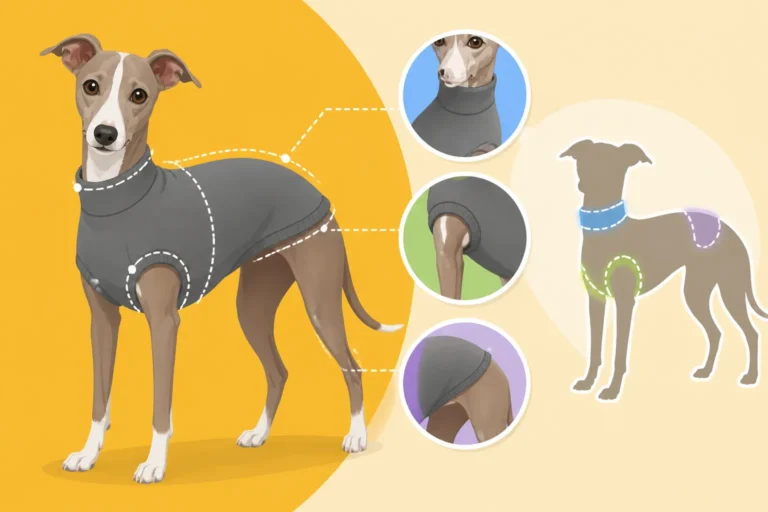
One of the most defining characteristics of an Italian Greyhound is their lack of body fat and thin coat, making them highly susceptible to cold. Keeping an Italian Greyhound Warm Is Daily Work, Not a Winter Job – it’s a year-round commitment. Even indoors, if the ambient temperature drops below what's comfortable for a human in a t-shirt, your Italian Greyhound will likely be shivering and need extra layers. This means a significant investment in a wardrobe. You'll need an array of sweaters for indoor wear and heavier coats for outdoor excursions, even during mild weather. Many owners find themselves spending a surprising amount on What an Italian Greyhound's Wardrobe Costs a Year.
Finding clothing that fits their unique sighthound build – deep chest, tiny waist, and long, slender neck – can be a challenge. Off-the-rack dog clothes often don't fit well, requiring owners to seek out specialized brands or custom makers. It's helpful to know Where Italian Greyhound Clothing Actually Fits to avoid wasted purchases. For winter walks, boots are often necessary to protect their delicate paw pads from ice, snow, and de-icing chemicals. Consider When an Italian Greyhound Needs Boots in Snow in your area. This isn't just about fashion; it's about essential health and comfort for your sensitive companion.
Training and Socialization Investments
Italian Greyhounds are intelligent, but they can also be notoriously challenging to housetrain. Many owners will attest that Housetraining an Italian Greyhound Is the Hardest Part of Owning One, requiring immense patience, consistency, and sometimes specialized solutions like indoor potty systems or professional guidance. Investing in puppy classes or one-on-one training sessions is highly recommended. These classes not only help with basic obedience but also provide crucial socialization opportunities, which are especially important for this often-sensitive breed.
Positive reinforcement methods are key, as Italian Greyhounds are very sensitive and can shut down under harsh correction. Remember, Why Raising Your Voice Sets an Italian Greyhound Back a Month is a real phenomenon for these delicate souls. Training costs might also include specialized equipment. Because of their strong prey drive and incredible speed, an Italian Greyhound cannot be trusted off-leash in an unfenced area. Investing in a long line for safe outdoor exercise or specialized, secure harnesses for walks is a must. If you're wondering Whether a Long Line Is Enough for an Italian Greyhound for safe outdoor excursions, it's a good question to explore further.
Safety Measures: Ramps, Steps, and Secure Environments
Protecting an Italian Greyhound from injury, particularly broken bones, is a constant consideration and a significant part of ownership costs. Their propensity for fractures means proactive measures are vital. Ramps or pet steps for all furniture that your Italian Greyhound will access (sofa, bed) are highly recommended to prevent them from jumping down and sustaining injuries. Many Italian Greyhound owners know the heartbreaking story of The Jump Off the Sofa That Breaks an Italian Greyhound's Leg, and steps are a small price to pay for prevention.
Stairs within the home should be gated off, especially for puppies and young adults. If you have slippery floors like hardwood or tile, consider investing in non-slip rugs or runners, as these surfaces can contribute to slips and falls that lead to fractures. Understanding What Non Slip Flooring Costs for an Italian Greyhound might be a surprise, but it's an investment in safety. Outdoors, a securely fenced yard is non-negotiable. These dogs are fast and agile, capable of scaling or squeezing through surprisingly small gaps. How High a Fence an Italian Greyhound Needs is a critical question, and it's always better to err on the side of caution with height and security. These preventative measures, though an initial outlay, are far less costly than emergency vet bills for a broken leg.
| Item | Estimated Cost (Range) | Notes |
|---|---|---|
| Puppy (Breeder) | Consult breeder | Varies based on lineage, health testing, reputation. Avoid "bargains." |
| Initial Vet Exam & Vaccines | Consult vet | First check-up, full vaccination course, deworming. |
| Spay/Neuter | Consult vet | Can vary widely by clinic and location. Specific considerations for IGs may increase cost. |
| Microchip | Consult vet | Often done at initial vet visit or during spay/neuter. |
| Crate | Varies | Essential for housetraining and safety; choose appropriate size. |
| Bedding & Blankets | Varies | Orthopedic and warm options are crucial for IGs' delicate frames and low body fat. |
| Food & Bowls | Varies | Quality puppy food is important for development. Elevated bowls are common. |
| Collar/Harness & Leash | Varies | A well-fitting harness is critical for their delicate necks to prevent injury or escape. |
| Toys & Chews | Varies | Durable, safe options for entertainment and mental stimulation. |
| Sweaters/Coats | Varies | Multiple items needed for warmth, even indoors. Often requires specialized sizing. |
| Ramps/Steps | Varies | Helps prevent jumping injuries from furniture. |
| Training Classes/Resources | Varies | Puppy classes or private trainers can be invaluable for socialization and housetraining. |
| Pet Insurance (First Year) | Consult providers | Highly recommended to mitigate high costs of potential accidents (like broken legs) or illnesses. |
| Total Initial Investment (First few months) | Consult professionals | Always check current prices with your chosen breeder and veterinary clinic, and plan carefully. |
Disclaimer
This article is for general informational purposes only and does not constitute professional advice. Laws, prices and regulations vary by location and change over time. Consult a qualified professional for guidance on your specific situation.