Whether a Long Line Is Enough for an Italian Greyhound
One of the biggest worries for any Italian Greyhound owner, especially if you live in a place without a securely fenced yard, is how to give your little sighthound the freedom to run without putting them in danger. We all know that once an Iggy catches sight of a squirrel or a blowing leaf, their ears turn off, and their little legs go into warp speed. This guide will explore whether a long line is a practical and safe solution for providing that much-needed exercise and mental stimulation, or if it simply adds a layer of false security.
The Untamed Spirit: Why Italian Greyhounds Need More Than a Standard Leash
If you've spent more than five minutes with an Italian Greyhound, you already know they're not like most dogs when it comes to off-leash reliability. Their ancient heritage as sighthounds means they are hardwired to spot, chase, and catch small, fast-moving objects. This isn't a training issue; it's a fundamental part of who they are. You can have the most well-trained Iggy in the world, one who knows "come" better than their own name, but put them in a park with a rabbit, and instinct will almost always win. That tiny rabbit brain takes over, and suddenly, you're watching a grey streak disappear over the horizon.
This intense prey drive, combined with their incredible speed, is why we constantly harp on about keeping them leashed. An Italian Greyhound can hit impressive speeds in a burst, leaving you eating dust before you can even register what happened. It’s not just about losing them, though that’s a terrifying prospect in itself; it’s about the sheer danger they put themselves in. A quick dash across a road, an encounter with an unknown dog, or even a tumble over uneven ground can lead to disastrous consequences for such a delicate breed. Their fine bones are prone to fractures, and a high-speed chase ending in an awkward landing can easily result in A Broken Leg Is the Emergency Every Italian Greyhound Owner Fears. For more on this, check out Why an Italian Greyhound Cannot Be Trusted Off Leash, Ever and How Strong an Italian Greyhound's Prey Drive Is.
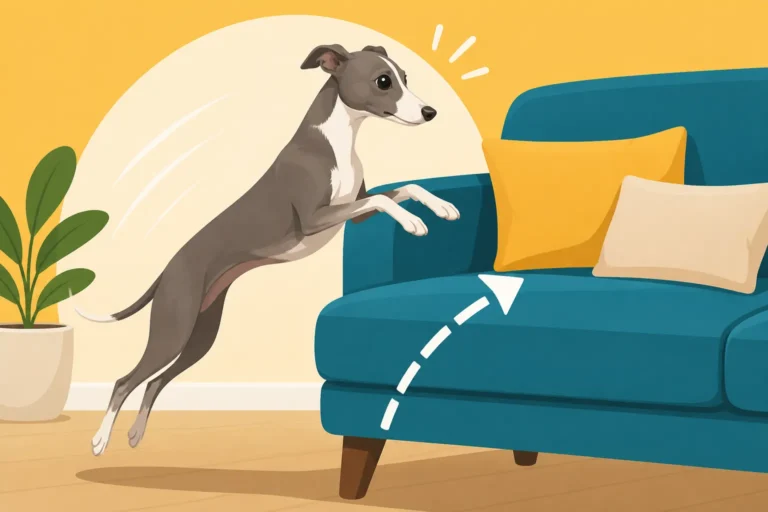
Their physical build, while elegant and agile, also makes them vulnerable. They are lightweight, with almost no body fat to cushion falls, and their long, slender legs are just asking for trouble if not protected. Even a seemingly innocuous jump or a sudden stop can cause serious injury. This fragility means that even in a controlled environment, we as owners have to be hyper-vigilant about their movements and ensure they're not putting themselves at risk. The desire to let them truly run and stretch those magnificent legs is strong, but the fear of injury or loss is even stronger.
What Exactly Is a Long Line and How Does It Work?
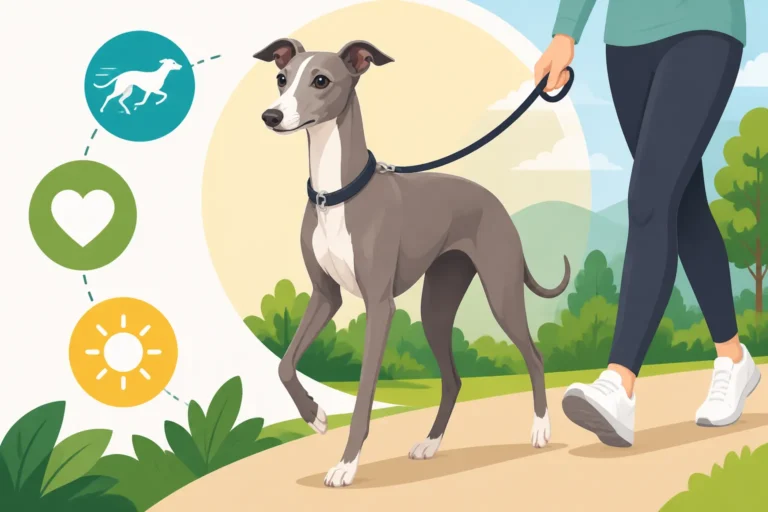
So, if traditional off-leash isn't an option, what about a long line? A long line, also known as a training leash or a check cord, is essentially an extra-long leash, usually ranging from 15 to 50 feet or even more. Unlike a standard 6-foot leash used for walks, a long line provides a much greater radius of freedom while still keeping your dog physically tethered to you. It's not meant for casual strolls, but rather for specific training purposes or for allowing supervised exercise in open, safe areas.
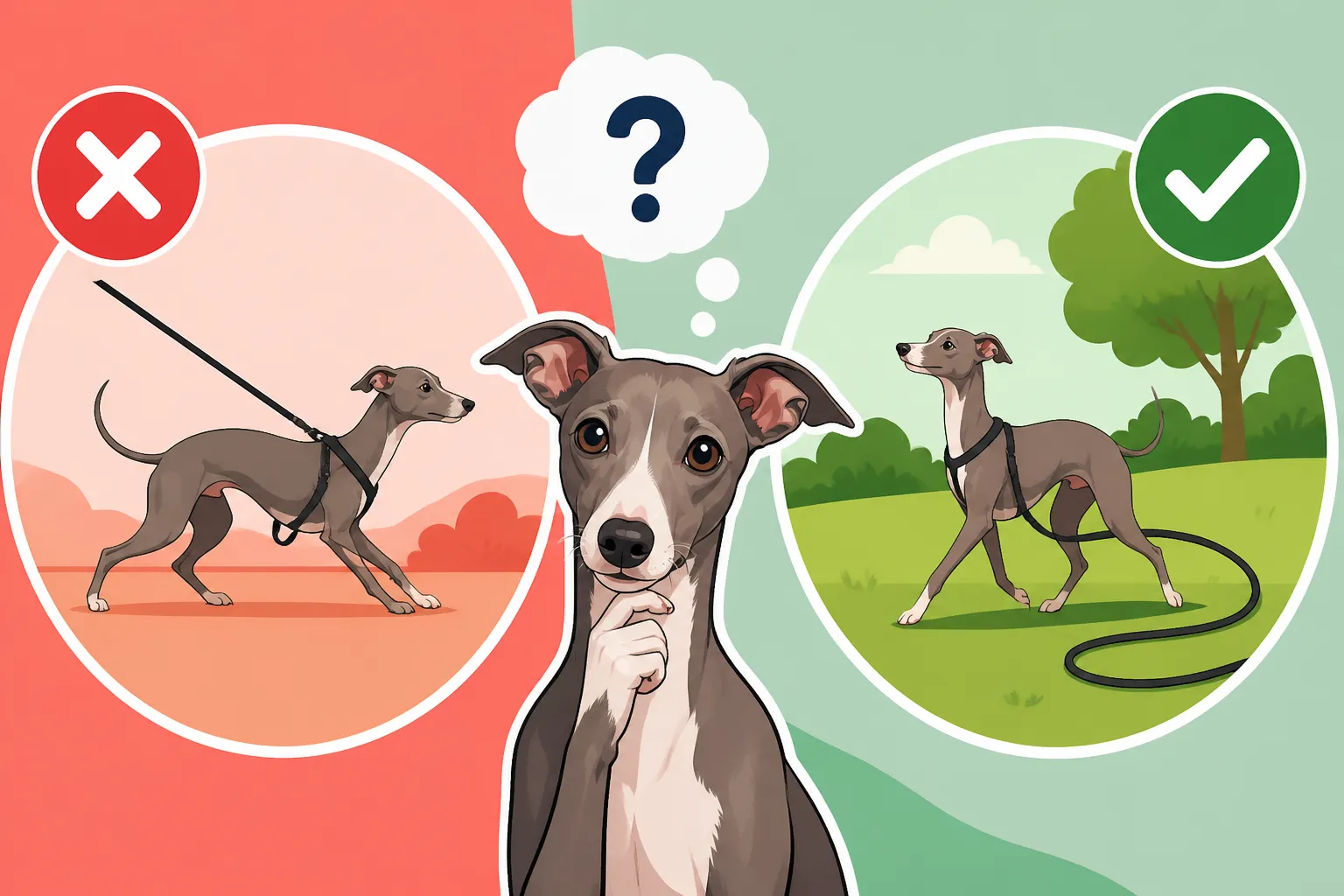
The basic premise is simple: you attach one end of the long line to your Italian Greyhound's harness (never a collar, as a sudden jolt on a long line could injure their delicate neck), and you hold the other end. This allows your Iggy to explore, sniff, and even sprint a fair distance away from you, simulating an off-leash experience without the inherent risks of them bolting completely. It's a way to teach and reinforce recall commands in a controlled setting, giving them a taste of independence while you maintain ultimate control. Think of it as a safety net for their boundless energy and instincts.
Different Types and Materials
Long lines come in various materials, each with its own pros and cons. Nylon is common, often brightly colored, and relatively inexpensive, but it can get tangled easily and absorb water. Biothane, a synthetic material, is fantastic because it's waterproof, easy to clean, and doesn't get tangled as much, but it tends to be pricier. Cotton or rope lines are also available, offering a softer feel but can fray and get heavy when wet. The length you choose depends on your dog's size, the environment you're using it in, and your specific training goals. For an Italian Greyhound, a lighter material is generally preferred so as not to add unnecessary weight or drag. You can find a vast selection of these lines on Amazon, with different lengths and materials to suit your preference.
The hardware on the long line is also important. Look for sturdy, lightweight clips that won't rust or break. A swivel clip is ideal as it helps prevent the line from twisting as your Iggy runs and spins. The last thing you want is a cheap clip failing just when your dog decides to bolt after a leaf What an Italian Greyhound Chases.
The Benefits and Limitations of Using a Long Line for Italian Greyhounds
Now, let's get down to the nitty-gritty: is a long line truly "enough" for an Italian Greyhound? The answer, as with many things in Iggy ownership, is nuanced.
Giving a Taste of Freedom Safely
One of the biggest benefits of a long line is the ability to offer your Italian Greyhound a controlled burst of speed and exploration in an otherwise restricted environment. We all know how much they love to run, truly run, not just trot beside us on a short leash. A long line allows them to stretch their legs, chase scents, and burn off that pent-up energy in a large, open space, like an empty soccer field or a quiet park, without the heart-stopping fear that they'll vanish. It’s a fantastic compromise for owners who don't have access to a fully fenced area where their Iggy can safely zoom. This can be a huge boost for their mental well-being, satisfying some of that primal urge to run that's so strong in sighthounds.
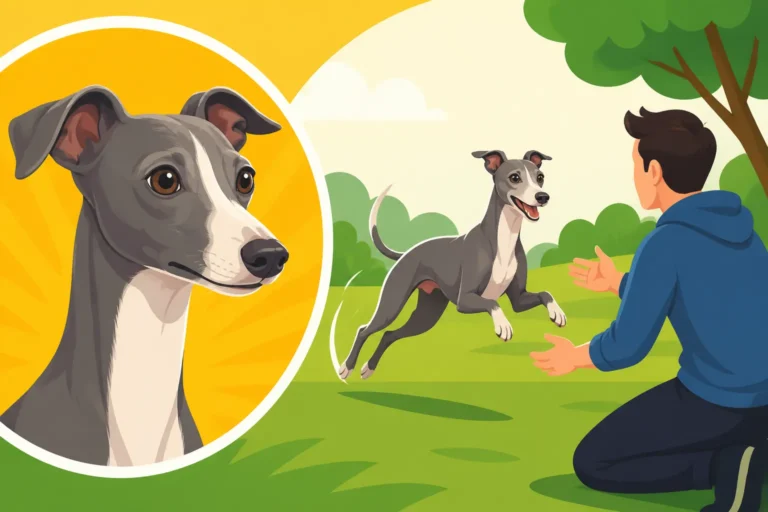
It's also an invaluable tool for recall training. Because your dog is still attached, you can let them get distracted, call them back, and if they hesitate, gently reel them in. This teaches them that "come" isn't optional and has immediate consequences (being brought back to you), rather than just being a suggestion they can ignore when something more interesting pops up. Companies like BAXTER & Bella offer excellent online training programs that can guide you through using a long line effectively for recall and other commands, reinforcing positive habits without risking your dog's safety. For more on training, you might find Whether an Italian Greyhound Can Be Recall Trained helpful.
The Trade-offs and Potential Risks
However, a long line is not a magic bullet, and it comes with its own set of challenges and limitations, especially for an Italian Greyhound.
- Tangle Hazard: Anyone who has used a long line knows they can become a tangled mess in seconds. For an Italian Greyhound, this isn't just an annoyance; it can be dangerous. A line wrapping around their slender legs at speed could cause a nasty rope burn or even a serious fracture. You have to be incredibly attentive to where the line is and how your dog is moving.
- False Sense of Security: It's easy to think, "Oh, they're on a long line, they're safe." But if you're not actively managing the line, or if your dog hits the end of it at a full sprint, the jolt can be significant. Imagine your Iggy going full tilt after What an Italian Greyhound Does When It Sees a Rabbit and suddenly hitting the end of a 30-foot line. That kind of sudden stop could easily result in injury to their neck or back, even with a harness.
- Owner Engagement: Using a long line effectively isn't a passive activity. You need to be fully engaged, constantly aware of your dog's movements, surroundings, and the slack in the line. This means you can't be scrolling on your phone or chatting with friends. You are literally holding their safety in your hands (or attached to your waist, if using a hands-free belt).
- Not for All Environments: A long line needs a lot of open space. It's not suitable for crowded parks, sidewalks, or areas with dense trees or obstacles where the line can easily snag or wrap around something. The goal is safe freedom, not an obstacle course that could lead to injury.
A long line offers a controlled compromise for exercise, but it's not a hands-off solution. You're still actively responsible for managing the line and the environment.
Best Practices for Using a Long Line Safely with Your Italian Greyhound
If you decide that a long line is right for your Italian Greyhound, here are some crucial best practices to ensure their safety and maximize the benefits.
Gear Up for Success
First things first: choose the right equipment.
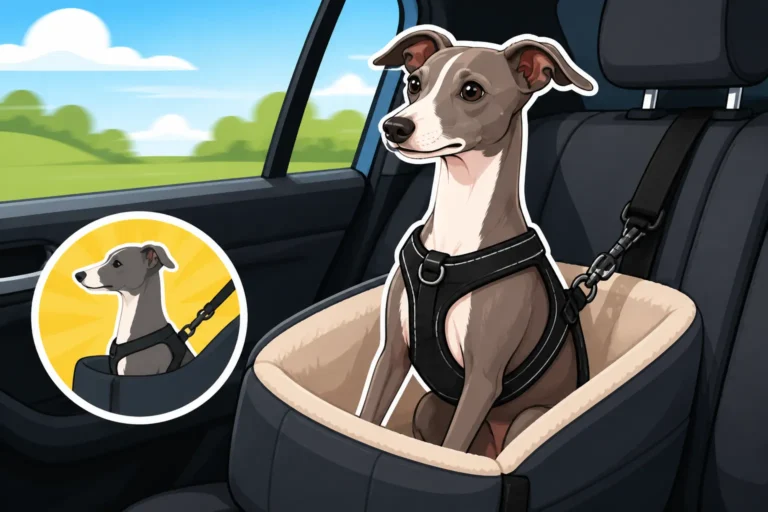
- Harness, Not Collar: I cannot stress this enough. Always attach the long line to a well-fitting harness, preferably one that distributes pressure across their chest and shoulders, not around their delicate neck. A martingale collar, while good for preventing slips, is still a collar and not designed for the sudden impact a long line can deliver. For Italian Greyhounds, who can slip out of many standard collars, a properly fitted sighthound harness or a specialized escape-proof harness is essential. For advice on what type of harness to use, see Which Harness Suits an Italian Greyhound's Neck.
- Appropriate Length and Material: Start with a shorter long line (15-20 feet) to get comfortable, then gradually increase if needed. Consider a Biothane line for its durability and ease of cleaning, especially if you're in an area with mud or water. Make sure the line is lightweight enough that it doesn't drag or feel cumbersome for your small Iggy.
- Hands-Free Option: Many owners opt for a hands-free waist belt. This attaches the long line to your waist, freeing up your hands and often providing a more stable anchor point. Just be sure the belt is comfortable and robust enough to handle any sudden pulls.
Pick Your Play Zone Wisely
The location where you use your long line is paramount.
- Open and Flat: Look for large, open, and relatively flat areas. Think empty sports fields, quiet agricultural land (with permission, of course), or a very large, unfrequented park. Avoid areas with heavy foot traffic, other dogs, cyclists, or dense brush.
- Familiar Territory: If possible, start in an area your Italian Greyhound is already somewhat familiar with, where they feel comfortable and aren't overwhelmed by new smells or sights. This helps them focus on you and the training.
- Scan for Hazards: Before you even unclip the standard leash, walk the perimeter and scan the area for potential hazards: broken glass, sharp objects, steep drops, busy roads nearby, or aggressive off-leash dogs. Remember, your Iggy can run How Fast an Italian Greyhound Runs, and they won't always see dangers you do.
Master the Technique
Using a long line effectively is an art.
- Maintain Control of the Line: Never let the line drag freely, especially for an Italian Greyhound, as it can easily get tangled around their legs. Keep a loop of the line in your hand, or use your waist belt, and allow slack only as needed. Learn to feed out and gather the line smoothly.
- Anticipate Movement: Always watch your Iggy. If you see them start to sprint after something, call their name or your recall command before they hit the end of the line. This gives them a chance to respond and prevents a jarring impact.
- Positive Reinforcement: Use high-value treats and praise when they respond to your calls, especially when they return to you on the long line. Make coming back to you the most rewarding thing in the world. This is where a good training program, perhaps from BAXTER & Bella, can really shine, helping you build a strong recall foundation.
- Short Sessions: Italian Greyhounds have short attention spans. Keep long line training sessions positive and relatively brief, especially at first. Focus on quality over quantity.
- Never Let Go: This might seem obvious, but it's crucial. Never drop the long line. If it slips from your grasp, your Iggy is effectively off-leash, and you're back to square one, or worse.
When a Long Line Isn't Enough: Exploring Alternatives and Supplements
While a long line is a fantastic tool for many, it simply isn't "enough" in every scenario, nor is it a substitute for all forms of exercise and safety. There are times when it might not be the best solution, or when you need to supplement it with other strategies.
High-Distraction Environments
If you're in an area with high distractions – like a busy dog park where various breeds and sizes of dogs are running freely, or a park known for wildlife – a long line might not cut it. The sheer volume of stimuli can override even the best-intentioned training, and the risk of entanglement with other dogs or unexpected encounters becomes too high. Remember, Italian Greyhounds are delicate, and an accidental collision with a larger, boisterous dog could easily lead to serious injury, similar to risks discussed in Why an Italian Greyhound Puppy Should Not Wrestle Big Dogs. In such places, a shorter leash and a more controlled walk are often the safer bet.
Owner Incapacity or Unsuitable Terrain
If you can't actively manage the line, whether due to a physical limitation, being distracted, or simply not having the experience, a long line can quickly become a hazard. Similarly, if the terrain is uneven, rocky, or heavily wooded, the line can snag, causing sudden jerks or tangles that risk injury to your Iggy or even yourself. It’s vital to be realistic about your own capabilities and the environment.
Securely Fenced Areas: The Gold Standard
For true, unadulterated running freedom, a securely fenced area is still the gold standard. This could be your own backyard, a friend's yard, or a dedicated, well-maintained private dog park. The key here is "securely fenced." Italian Greyhounds can be surprisingly agile and have a tendency to slip through small gaps or even climb fences if motivated enough. A fence needs to be at least 5-6 feet high, with no gaps underneath, to be truly secure for a determined Iggy.
If you don't have access to such a space, consider exploring local options. Some communities have private dog parks that require membership and vetting, often leading to a safer, more controlled environment than public ones. Others might have rentable sports fields outside of peak hours. These offer a chance for your Italian Greyhound to really open up and run without the physical tether, which is immensely beneficial for their muscular development and mental stimulation.
Enriching Indoor Play
When outdoor options are limited, or during bad weather, indoor exercise and mental stimulation become critical. Italian Greyhounds are great apartment dwellers precisely because they can get a lot of their exercise in short bursts inside. The "zoomies" are a real phenomenon for this breed!
- Interactive Toys: Puzzle feeders, snuffle mats, and engaging toys can keep their minds active.
- Indoor Agility: Simple jumps (low to the ground for safety!), weave poles, or tunnels made from household items can provide fun exercise. Just remember to prioritize safety and avoid high jumps due to their delicate bones.
- Training Games: Short, fun training sessions, teaching new tricks or practicing old ones, can be surprisingly tiring for an Italian Greyhound. This is another area where resources like BAXTER & Bella can provide structured games and activities.
Long lines offer a wonderful middle ground for responsible Iggy owners, providing a bridge between strict leash walks and risky off-leash freedom. However, they demand diligence, the right environment, and a commitment to active supervision. They are a tool, not a full solution, and should be used thoughtfully as part of a comprehensive approach to keeping your Italian Greyhound happy, healthy, and safe.
| Long Line Length (Approx.) | Typical Use Case | Pros | Cons | Suitability for Italian Greyhounds |
|---|---|---|---|---|
| 15-20 feet | Initial recall training, closer supervision | Good control, less tangling, easier to manage | Limited range for full sprints, still need open space | Excellent starting point; good for controlled training in moderate spaces. |
| 30-40 feet | More freedom to explore, extended recall practice | More room for bursts of speed, greater exploration | Can tangle more easily, requires more attention to slack | Good for larger, very open spaces. Requires active management to prevent injury. |
| 50+ feet | Maximum freedom in very large, open areas | Closest to off-leash experience in terms of distance | Very prone to tangles, difficult to manage, high injury risk if dog hits end at speed | Generally too long and risky for Iggys due to fragility and speed. Best avoided unless in an extremely specific, vast, and controlled environment with expert handling. |
Disclaimer
This article is for general informational purposes only and does not constitute professional advice. Laws, prices and regulations vary by location and change over time. Consult a qualified professional for guidance on your specific situation.