What an Italian Greyhound Does When It Sees a Rabbit
It's a scene that plays out in slow motion in every Italian Greyhound owner's worst nightmares, yet can unfold in the blink of an eye in real life: your beloved, delicate Italian Greyhound spots a flash of movement, usually a rabbit, and within milliseconds, they transform from a cuddly companion into a single-minded, unstoppable hunting machine. This isn't just a brief moment of distraction; it's a powerful, ancient instinct that can lead to immense danger for such a fragile breed. This guide will delve into what exactly happens when your Italian Greyhound's prey drive ignites, why it's so strong, and crucial strategies to keep them safe from the perils of the chase.
The Instinctive Bolt: Understanding Your Italian Greyhound's Prey Drive
If you've ever witnessed your Italian Greyhound lock onto a moving target, whether it's a leaf skittering across the yard or a squirrel darting up a tree, you've seen a glimpse of their sighthound heritage. But when it's a rabbit, that glimpse becomes an all-consuming, tunnel-vision pursuit that overrides everything else. Understanding this deep-seated instinct is the first step in managing it effectively.
The Sighthound Heritage and its Rabbit Connection
Italian Greyhounds, despite their dainty appearance and "toy group" classification, are sighthounds through and through. This means they were originally bred for speed and sight, specifically to hunt small, fast-moving prey. Imagine their larger cousins, the Greyhounds or Whippets, coursing across fields after hares; your Italian Greyhound carries that very same genetic blueprint, just in a more compact package. Rabbits, with their sudden movements and quick bursts of speed, are practically tailor-made to trigger this ancient programming. It’s not about disobedience; it’s about biology.
For thousands of years, their ancestors relied on this incredible prey drive for survival, to put food on the table, or simply for the thrill of the chase. Even though your pampered pup gets their dinner served in a bowl twice a day, that raw instinct remains dormant, waiting for the right stimulus. It’s why How Strong an Italian Greyhound's Prey Drive Is is something every owner needs to grasp fully. It's not a switch you can easily turn off, but a deeply ingrained part of who they are.
When a rabbit enters their field of vision, particularly if it's darting or running, it doesn't just catch their eye; it ignites a cascade of physiological and neurological responses. Their focus narrows, their muscles coil, and their brain essentially goes into "hunt mode." This isn't a behavior they can easily choose to ignore, nor can they simply "be trained out of it" in the same way you might teach a non-sighthound to ignore a dropped treat.
From Zero to Sixty: The Immediate Reaction
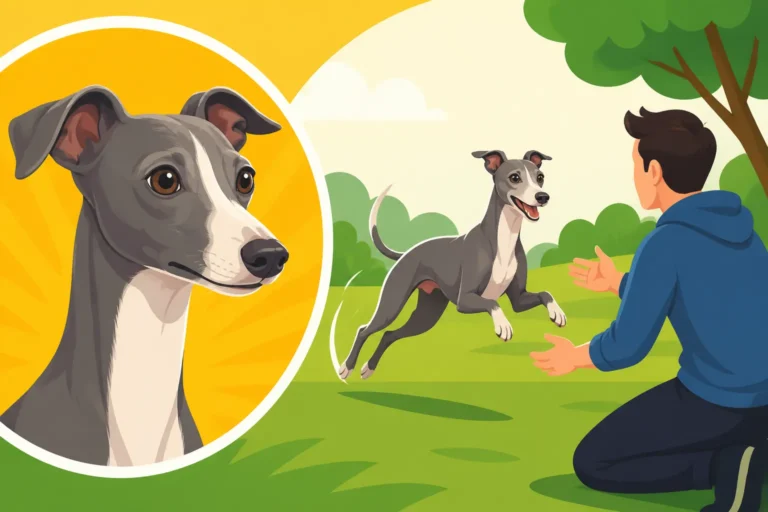
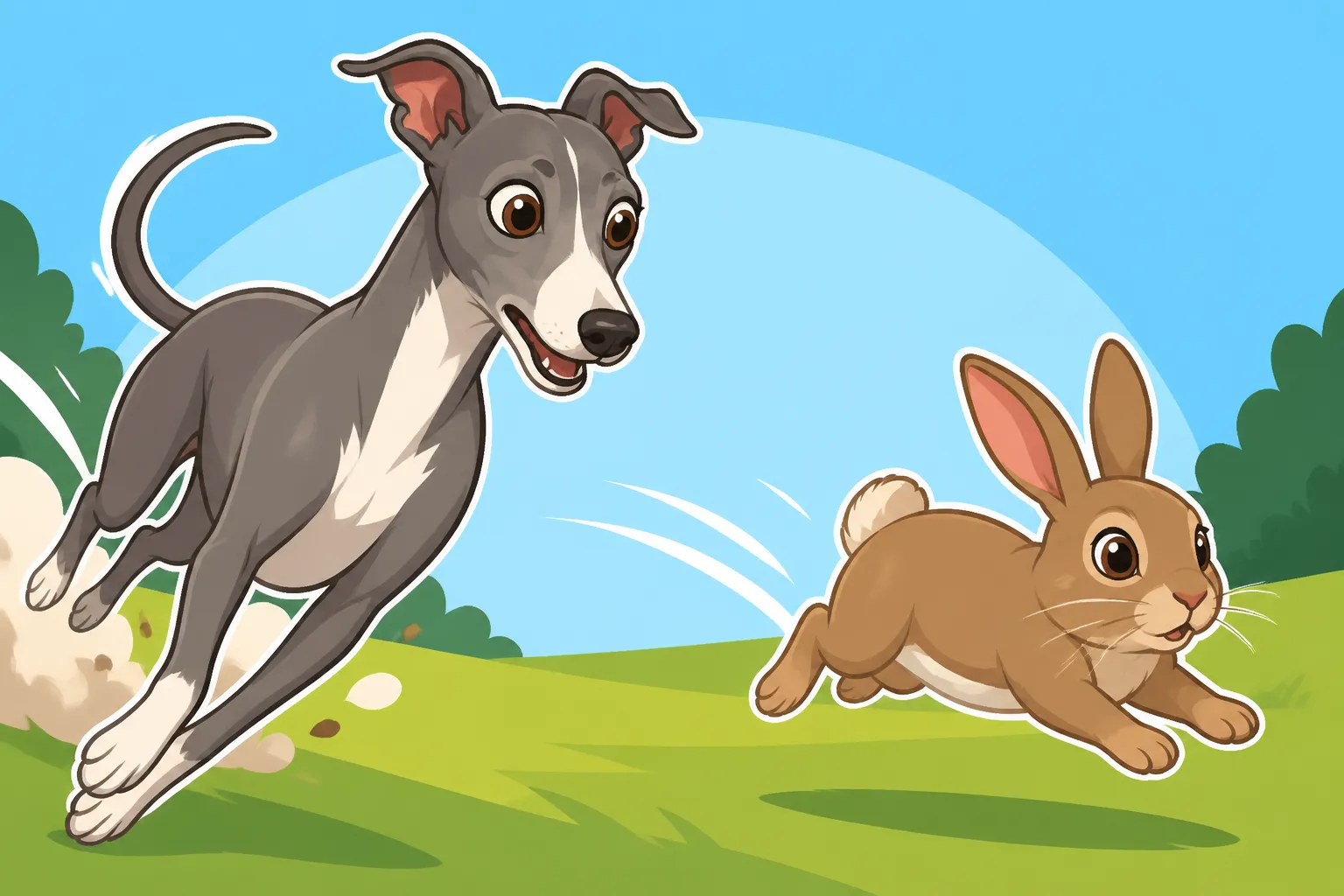
The moment an Italian Greyhound spots a rabbit, the transformation is instantaneous and breathtaking. One second they might be lazily sniffing a patch of grass, the next they are a blur, tearing across the landscape at incredible speeds. Their delicate frame seems to defy gravity as they launch themselves into a full-out sprint. This immediate, explosive acceleration is characteristic of sighthounds and is part of what makes them so efficient at chasing prey. How Fast an Italian Greyhound Runs is truly astounding for their size.
This isn't a gradual build-up; it's an immediate commitment to the chase. Their body is designed for this very purpose: a deep chest for large lung capacity, long lean legs, and a flexible spine that allows for maximum reach and contraction during a gallop. They don't pause to think; they simply react. It's a primal, unthinking response, and it happens faster than most human reflexes can even register.
This sudden burst of speed is also why they can be so prone to injury during a chase. A sudden turn, a misstep on uneven ground, or an unexpected obstacle can lead to serious consequences for a breed known for its fragile bones. The sheer force of their own momentum, coupled with their delicate bone structure, creates a perfect storm for potential injury, making every uncontrolled sprint a gamble.
Why They Don't Hear You
Perhaps one of the most frustrating aspects for Italian Greyhound owners is the absolute deafness that descends upon their dog the moment a rabbit appears. You might yell, whistle, plead, or even offer their favorite high-value treat, but it's as if you're speaking a foreign language, or perhaps no language at all. This isn't stubbornness or malice; it's profound focus.
When their prey drive is fully engaged, an Italian Greyhound's auditory processing for anything other than the rustle of their quarry simply shuts down. Their entire being is locked onto that visual stimulus. The world shrinks to just them and the rabbit. Your voice, no matter how urgent, becomes irrelevant background noise. It's a testament to the power of their instinct, demonstrating why Why an Italian Greyhound Stops Hearing You at a Sprint is a critical piece of information for responsible ownership.
This inability to hear or respond to commands in the heat of the moment means that recall training, while important, has severe limitations for this breed when prey is involved. While you can build a strong bond and a generally good recall in calm environments or when there are no significant distractions, expecting it to hold against a full-throttle prey drive is often unrealistic and dangerous. It's crucial not to blame your dog for this natural behavior, but to understand it and plan accordingly.
The Dangers of the Chase: More Than Just a Run
While the sight of your Italian Greyhound streaking across a field might be impressive, the reality of an uncontrolled chase is fraught with peril. For a breed as physically delicate and instinctively driven as the Italian Greyhound, these incidents are not just minor inconveniences; they can be life-threatening emergencies.
Road Risks and Other Hazards
The most immediate and terrifying danger of an Italian Greyhound chasing a rabbit is the complete disregard they have for their surroundings. A rabbit isn't going to stop at the edge of a busy street, and neither will your Italian Greyhound once they're in pursuit. They will bolt into traffic, through thorny bushes, over fences, and into any unknown territory, all in the singular quest to catch their prey. This makes it impossible to trust them off-leash, ever, outside of a truly secure, enclosed area, which is why Why an Italian Greyhound Cannot Be Trusted Off Leash, Ever is a common refrain among experienced owners.
Beyond cars, there are countless other hazards. They could run through poison ivy or hazardous chemicals in a neighbor's yard, fall into an unseen ditch, encounter an aggressive dog, or get caught on sharp objects. Their thin skin and delicate bones offer little protection against the harsh realities of the outdoor world at high speeds. Even a familiar park can become a minefield of potential dangers when your dog is operating purely on instinct.
The speed at which they disappear can also lead to them getting disoriented and lost. An Italian Greyhound can cover a significant amount of ground very quickly, making it incredibly difficult to catch up or even keep them in sight. This is where a robust GPS tracker, perhaps one you've explored on Amazon, becomes an absolute necessity, not just a luxury, for any Italian Greyhound who spends time outdoors.
The Physical Toll on a Fragile Breed
Italian Greyhounds are famously delicate. Their long, slender legs are prone to fractures, and a high-speed chase involving sudden stops, turns, or jumps can very easily lead to a broken bone. A common scenario is a sudden stop or pivot on a slippery surface, or an awkward landing after jumping a small obstacle. The adrenaline of the chase can mask pain, meaning they might continue to run even with a serious injury. The Jump Off the Sofa That Breaks an Italian Greyhound's Leg highlights just how easily these injuries can occur even in seemingly innocuous situations, let alone a full-throttle sprint.
Beyond fractures, they can suffer sprains, muscle strains, cuts, and scrapes from brushing against rough terrain or obstacles. Their minimal body fat offers little cushioning, and their skin is thin, making them susceptible to tears and punctures. An uncontrolled chase isn't just a physical exertion; it's a high-stakes gamble with their fragile bodies.
The financial and emotional cost of these injuries is also significant. Fracture repair often requires specialist veterinary care, and the recovery process is long and demanding, both for the dog and the owner. Preventing these chases is not just about avoiding a scare; it's about protecting your dog from severe pain and you from substantial stress and expense.
The Emotional Impact of a Lost Dog
The thought of your dog getting lost is heartbreaking for any pet owner, but for an Italian Greyhound, it carries specific anxieties. Due to their extreme shyness with strangers and their tendency to be wary of new situations, a lost Italian Greyhound is often incredibly difficult to catch, even if they are spotted. They may run from well-meaning rescuers, prolonging their time in danger.
A lost Italian Greyhound is also highly vulnerable to the elements. Their fine coat offers little protection against cold, rain, or even direct sun. Without the warmth and security of their human companion, they can quickly become hypothermic or suffer from exposure. This fragility means that every minute they are lost increases their risk. This is why it's so important to know What to Do When an Italian Greyhound Gets Loose and to act quickly and calmly.
The emotional toll on an owner whose Italian Greyhound has gone missing after a rabbit chase is immense. The guilt, fear, and desperation can be overwhelming. This is why proactive prevention and a clear understanding of their prey drive are paramount, to avoid ever having to face such a traumatic situation.
Proactive Management and Training Strategies
Given the strength of an Italian Greyhound's prey drive, the focus shifts from "training it out of them" to "managing it safely." This involves a combination of vigilant handling, realistic training, and creating environments where they simply can't indulge their dangerous instincts.
The Indispensable Harness and Leash
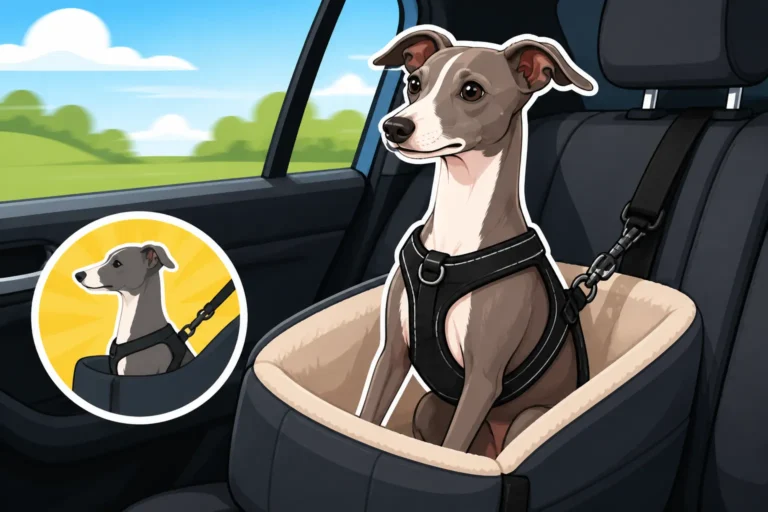
For an Italian Greyhound, a leash isn't just a suggestion; it's a non-negotiable safety tether any time you are outside a fully secured area. But not just any leash and collar will do. Due to their slender necks and heads that are often narrower than their necks, Italian Greyhounds can easily slip out of traditional flat collars, especially when pulling hard against a leash during a chase. A martingale collar can offer better security, but for true safety, a well-fitting harness is usually recommended.
A secure harness, properly fitted, distributes pressure across their chest and shoulders rather than their delicate neck, making it much harder for them to back out or slip free. Look for harnesses designed specifically for sighthounds or escape-proof designs, which often have an extra strap around the waist for added security. Which Harness Suits an Italian Greyhound's Neck is a critical decision that could mean the difference between a safe walk and a terrifying chase. Always double-check the fit before leaving the house, and regularly inspect your equipment for wear and tear.
Consider using a long line (a leash that's 15-30 feet long) in open, safe areas where you want to give your IG more room to explore, but still maintain control. This allows them to run and sniff somewhat freely while still being physically attached to you. You can find excellent quality long lines on Amazon, perfect for those times you want to give your IG a bit more freedom without the risk. Never attach a long line to a collar; always use a secure harness.
Cultivating a Reliable Recall (and its Limitations)
While we've established that an Italian Greyhound's recall often fails in the face of a rabbit, it doesn't mean you should abandon recall training entirely. A strong recall is still vital for everyday safety and communication, especially in situations where the prey drive isn't fully engaged. It's about setting realistic expectations for when it will work and when it won't.
Focus on positive reinforcement and high-value rewards. Practice recall in a variety of low-distraction environments first, gradually increasing the distractions. Make coming back to you the most rewarding thing in the world. Use a distinct, happy tone of voice and always reward generously, even if they were a bit slow to respond. Consider online training programs like those offered by BAXTER & Bella, which emphasize positive, relationship-based methods that can be very effective for sensitive breeds like Italian Greyhounds.
However, accept that against a running rabbit or squirrel, your Italian Greyhound's recall is unlikely to hold. This isn't a flaw in your training; it's a fundamental aspect of their breed. Therefore, rely on physical containment (leash, harness, secure fencing) rather than recall for situations where prey might be present. Always prioritize prevention over relying on a command that is genetically prone to failure in these specific, high-stakes moments. Whether an Italian Greyhound Can Be Recall Trained delves into this nuance further.
Creating a Safe Environment at Home
Your home environment and yard are where you have the most control to prevent rabbit-induced dashes. Ensuring your yard is truly escape-proof is paramount. Italian Greyhounds are surprisingly agile and can jump higher and squeeze through smaller gaps than you might expect. A standard picket fence might not be enough. They can also get under fences or dig if motivated.
Check your fence line regularly for weak spots, gaps, or areas where they might be able to dig out. How High a Fence an Italian Greyhound Needs often surprises new owners. Consider adding a "coyote roller" to the top of fences if jumping is a concern, or burying chicken wire along the bottom to deter digging. Even a momentary lapse in vigilance can lead to an escape if a rabbit happens to dart through your yard.
Indoors, practice good door manners. Teach your Italian Greyhound to wait calmly at the door rather than bolting out when it opens. This is another area where consistent positive reinforcement training, perhaps from a resource like BAXTER & Bella, can make a huge difference. Use a baby gate at your front door as an extra barrier when guests are coming and going, or when you’re bringing in groceries. These small preventative measures can make a world of difference in keeping your Italian Greyhound safe from their powerful, yet dangerous, rabbit-chasing instinct.
| Management Strategy | Description | Key Benefit | Important Considerations |
|---|---|---|---|
| Secure Harness | A properly fitted harness that prevents backing out or slipping, distributing pressure away from the neck. | Prevents escape, protects delicate neck. | Must be specifically designed for sighthounds or escape-proof; check fit regularly. |
| Fixed Leash | Always use a leash outside of fully secure, enclosed areas. | Constant physical control, prevents bolting. | Never trust off-leash in any open area; choose appropriate leash length. |
| Long Line (supervised) | A 15-30 ft lead for safe, open areas, attached to a harness, allowing exploration with control. | Allows more freedom for exercise and sniffing in controlled settings. | Requires constant supervision; ensure the area is truly free of hazards or exits. |
| Escape-Proof Fencing | A yard with no gaps, sufficient height, and possibly anti-digging measures. | Prevents yard escapes due to prey sightings. | Regular fence inspection; IGs are surprisingly agile jumpers and diggers. |
| Doorway Protocol | Training your IG to wait at doors, using gates as secondary barriers. | Prevents accidental escapes when doors are opened. | Requires consistency from all household members; especially crucial with visitors. |
| GPS Tracker | A device attached to the harness that allows real-time tracking of your dog's location. | Aids in recovery if an escape occurs. | Not a substitute for prevention; ensure battery is charged and signal is reliable. |
| Realistic Recall Training | Positive reinforcement for coming when called in low-distraction settings. | General obedience, emergency recall for non-prey situations. | Will likely fail when prey drive is fully engaged; never rely on it for rabbit safety. |
Disclaimer
This article is for general informational purposes only and does not constitute professional advice. Laws, prices and regulations vary by location and change over time. Consult a qualified professional for guidance on your specific situation.