Teaching an Italian Greyhound to Wait at a Door
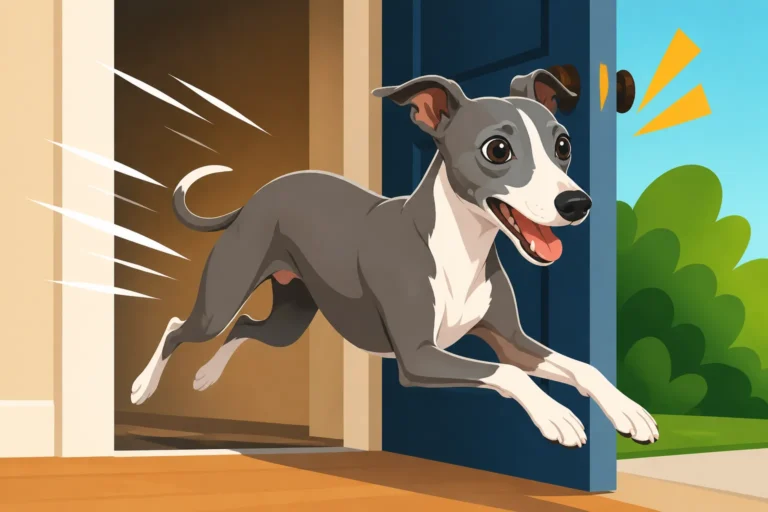
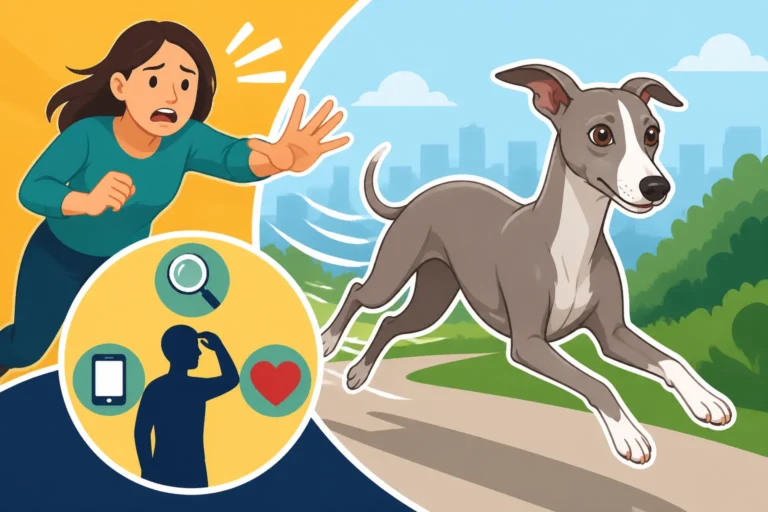
Few things are more terrifying for an Italian Greyhound owner than the sight of their delicate, speedy companion making a break for it through an open door. That instant surge of adrenaline, the frantic call that falls on deaf ears as your beloved little sighthound vanishes in a blur, it's a nightmare scenario. This guide is here to walk you through understanding why your Italian Greyhound might be prone to bolting and, more importantly, how to teach them the crucial life-saving skill of waiting patiently at any doorway until released.
The Instinct to Bolt: Understanding Your Italian Greyhound's Drive
Before we dive into the "how," it's absolutely vital to understand the "why." Italian Greyhounds are unique creatures, and their tendencies at a doorway stem from a combination of their ancient instincts and their sensitive personalities. It’s not about them being disobedient; it’s about their inherent nature colliding with the exciting opportunities an open door represents.
Prey Drive and the Great Outdoors
Italian Greyhounds are sighthounds, and that means they were bred for centuries to spot, chase, and catch small, fast-moving prey. That tiny squirrel darting across the lawn, the neighbor’s cat strolling by, even a leaf skittering in the wind – these are all irresistible lures for an IG's highly developed prey drive. To them, an open door isn't just an exit; it's a gateway to an exciting, scent-filled world where their deepest instincts can be fulfilled. The call of the wild, or at least the backyard, is a powerful motivator.
Imagine the scenario: you open the front door to grab a package, and your Italian Greyhound is there in a flash. They haven't calculated the risk of cars or getting lost; they've simply seen a potential "prey item" or an open field and their brain has shouted, "Chase!" This strong, ingrained behavior is why you absolutely cannot trust an Italian Greyhound off leash, ever, especially in an unfenced or uncontrolled area. A split second is all it takes for them to be out of sight and potentially in danger. For more on this, you might find What an Italian Greyhound Does When It Sees a Rabbit insightful.
The Fear of Being Left Behind
While prey drive pulls them outward, another powerful force can push them through a door: the fear of being separated from you. Italian Greyhounds are often described as "Velcro dogs" for a reason – they thrive on companionship and can develop significant attachment to their people. An open door, especially if you're stepping through it, can trigger anxiety about being left alone. They might bolt not to explore, but to ensure they remain by your side, even if it means rushing into an unfamiliar and potentially dangerous situation.
This instinct to follow their human can be incredibly strong. Many Italian Greyhounds will follow you room to room, never wanting to be out of your sight. So, when that front door opens and you're headed out, their first thought might be, "My human is leaving! I must go with them!" It's a testament to their devotion, but it can also lead to hazardous situations if not properly managed. Understanding this aspect of their personality is crucial when formulating a training plan, as it helps you approach the problem with empathy rather than frustration.
Lack of Impulse Control
Beyond prey drive and attachment, Italian Greyhounds, especially younger ones, can simply lack impulse control. They are intelligent dogs, but their enthusiasm and quickness can sometimes override their learned behaviors. The excitement of a visitor, the jingle of keys, or even just the sudden movement of a door opening can trigger an automatic, unthinking dash. It’s not defiance; it’s a momentary lapse in self-control.
This is why patient, consistent training is so vital. We’re not just teaching them a command; we’re helping them develop the mental muscle to pause, assess, and choose a different, safer action. Like a child who hasn't quite learned to wait their turn, an Italian Greyhound needs guidance and practice to develop the restraint necessary to safely navigate doorways. It's a learned skill, not an inherent one, especially when their natural inclination is to move quickly.
Essential Pre-Training Steps for Door Safety
Before you even start formal training, you need to set your Italian Greyhound up for success. This means putting management strategies in place to prevent accidental escapes and ensuring you have the right tools. Think of these as your safety nets while your IG is still learning the ropes.
Management First: Preventing the Bolt
The most important rule when dealing with a door-dashing Italian Greyhound is: prevention is key. Every time your dog successfully bolts through a door, they are reinforcing that behavior. They've learned that pushing past you gets them what they want – be it a squirrel chase or simply staying by your side. So, before training can be truly effective, you need to manage the environment to prevent these opportunities.
Consider using baby gates or exercise pens to create a "safe zone" a few feet back from any exterior door. This is especially helpful if you have kids who might accidentally leave a door ajar or if you frequently have visitors. When you know a door will be opened, either put your Italian Greyhound on a leash before opening it or secure them behind a gate. For times when you have contractors or frequent deliveries, a simple tether to a secure piece of furniture or a designated crate can provide peace of mind. Investing in a good quality gate from places like Amazon can make a huge difference in your daily routine. Don't underestimate the importance of these physical barriers; they buy you time and prevent dangerous learning experiences.
Consistent Routines and Predictability
Dogs thrive on routine, and Italian Greyhounds are no exception. Establishing predictable routines around doorways can help reduce their anxiety and excitement. If every time the doorbell rings it means chaos, your IG will become frantic. Instead, try to create a calm ritual. For example, before anyone approaches the door, ask your dog to go to a designated "place" (like their bed or a mat) and stay there until invited.
Practicing this even when no one is at the door helps desensitize them to the sound of the doorbell or a knock. Make coming and going a non-event as much as possible. Avoid overly excited greetings or dramatic goodbyes if you suspect separation anxiety is a factor in their door dashing. A calm, consistent approach signals to your Italian Greyhound that opening a door is a normal part of life, not an immediate invitation to a free-for-all. Consistency here isn't just about training commands, but about the entire atmosphere you create around entrances and exits.
The Right Equipment for Safety
Because Italian Greyhounds have delicate necks and often slender heads, traditional flat collars can be easily slipped out of, especially if they lunge or pull. This makes the right equipment absolutely non-negotiable for their safety when near an open door or on walks. A secure, well-fitting harness is often the safest choice, distributing pressure across their chest and shoulders rather than their throat. Look for harnesses specifically designed for sighthounds or those with multiple points of adjustment to ensure a snug fit that they can't back out of. Which Harness Suits an Italian Greyhound's Neck goes into more detail on this.
Another excellent option for many IGs is a martingale collar. These collars are designed to tighten gently when a dog pulls, preventing them from slipping their head out, but they relax when the pressure is off. They are a much safer alternative to choke chains or prong collars, which can injure an Italian Greyhound's delicate neck. Whatever you choose, ensure it's in good repair and fits properly. A poorly fitting collar or harness is almost as dangerous as none at all when dealing with a door-dashing dog. Remember, safety first, always. You can learn more about this by reading Whether a Martingale Collar Suits an Italian Greyhound.
Step-by-Step Training for Door Manners
Now that you've got your management strategies in place and your Italian Greyhound is securely outfitted, it's time to teach them the "wait" command at the door. This isn't just about stopping them from running; it's about teaching them patience and respect for boundaries.
"Sit" and "Stay" at the Threshold
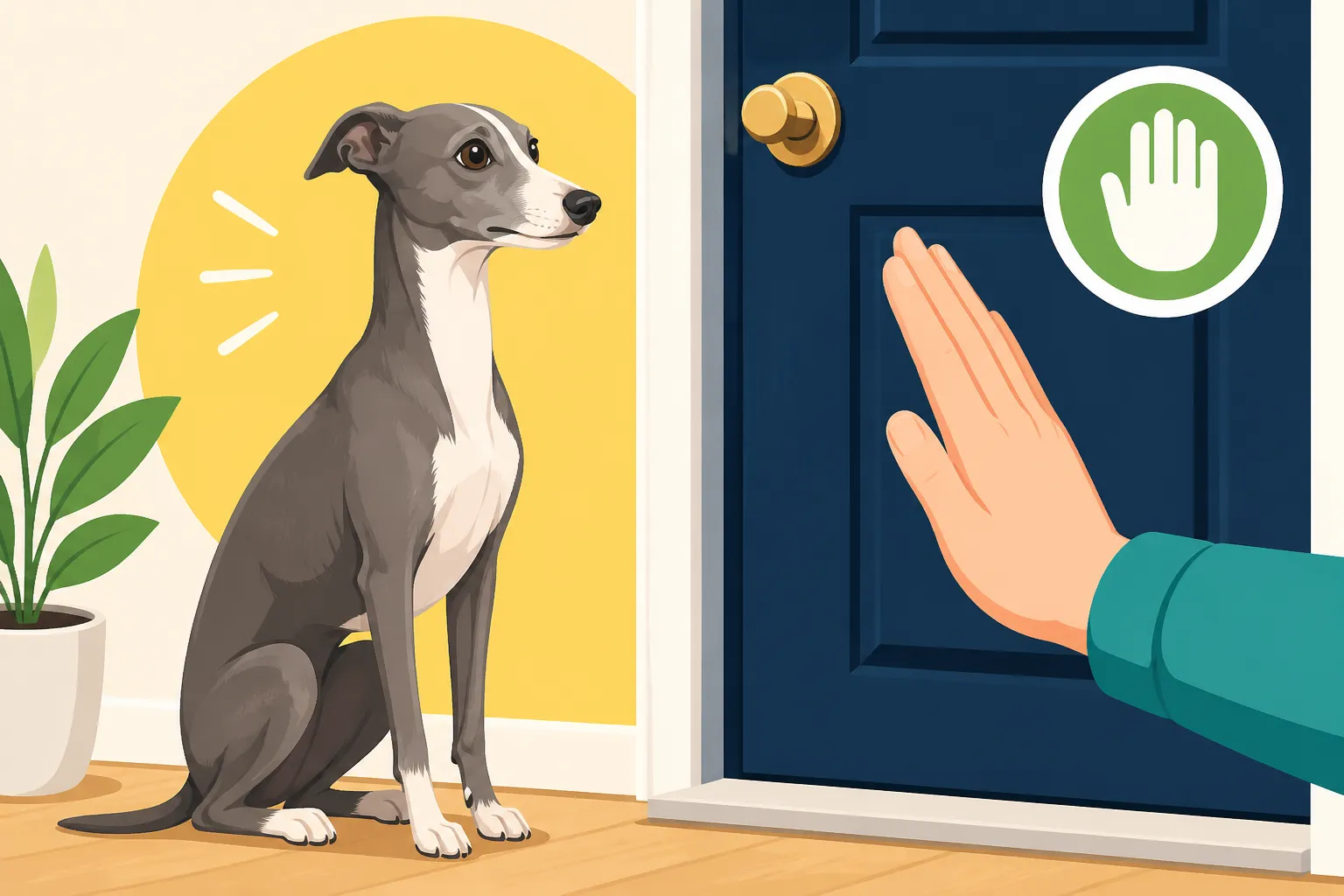
Start with the basics, away from the actual door first. Teach your Italian Greyhound a solid "sit" and "stay" command in a low-distraction environment. Once they're proficient, move your training to a doorway that leads to a less exciting area, like another room in the house. Ask them to "sit" a few feet away from the closed door. Then, practice your "stay." Start with very short durations and gradually increase the time.
The key here is consistency and positive reinforcement. When they hold their "sit" and "stay," reward them immediately with a high-value treat and praise. Gradually introduce the action of reaching for the doorknob, then turning it, then cracking the door open just a tiny bit, all while your IG remains in their "stay." If they break the "stay," calmly close the door, reset them, and try again, making the task a little easier. Never scold them for breaking; simply remove the opportunity and restart. This process builds their understanding that remaining calm and in position is what earns them rewards and, eventually, permission to pass.
The "Release Word" and Gradual Progression
Once your Italian Greyhound can hold a "sit" and "stay" with the door cracked open for a few seconds, it’s time to introduce a "release word." This word signals that they are now allowed to move. Popular choices include "okay," "free," or "go." Before you use it, ensure you are ready for them to move. Have them in a "sit-stay" at the door. Open the door a little wider, step slightly through, and if they hold their position, give your release word and reward them, allowing them to follow you through.
Practice this by gradually increasing the challenge:
- Open the door wider.
- Step completely through the doorway yourself.
- Stand outside the door for a few seconds.
- Introduce mild distractions like another person walking by in the hallway (if safe).
Always remember to close the door and restart if they break their "stay" before the release word. The goal is that they learn to wait for your explicit permission. This isn't just for safety; it reinforces your leadership and builds their trust in your commands. The process is slow and requires immense patience, but the payoff for your dog's safety is immeasurable.
Dealing with Doorbell Excitement
The doorbell is a notorious trigger for many dogs, and an Italian Greyhound's excitement can quickly turn into a dash. To tackle this, you'll need to create a new association with the doorbell. Start by having a helper ring the doorbell while you are prepared. As soon as the bell rings, immediately redirect your IG to their "place" or ask for a "sit-stay" away from the door. Reward them for calm behavior. If they charge the door, have your helper stop ringing, wait for calm, and try again.
Practice this many times, gradually extending the time they have to remain calm before the helper stops ringing and they get their reward. Only once they are reliably calm with the doorbell should you add the next layer: opening the door. Have them "sit-stay" at their designated spot while you open the door. If they remain, they get a reward. If they lunge, the door immediately closes, and you reset. This teaches them that the doorbell means "go to your place and be calm" rather than "charge the door." BAXTER & Bella offers some excellent online resources for tackling doorbell reactivity that might be helpful for this specific challenge.
Common Challenges and Troubleshooting
Even with the best intentions, training an Italian Greyhound can present its own set of hurdles. They are smart, sensitive, and sometimes incredibly stubborn (or just very, very focused on what they want to do!). Understanding these common issues can help you navigate them effectively.
When Training Falls Apart: Inconsistency is the Enemy
One of the biggest reasons door training fails is inconsistency. It only takes one time for your Italian Greyhound to successfully bolt through a door, and all your hard work can feel like it's been undone. That single "win" for them reinforces the wrong behavior strongly. Perhaps you were in a hurry, or a guest didn't know the rules, and suddenly, your IG was out the door. It's frustrating, certainly, but it's also a powerful learning moment for your dog.
This is why everyone in the household, and even frequent visitors, needs to be on the same page. If one person allows the dog to rush out, it confuses your Italian Greyhound and makes them question the rule. Go back to basics if a lapse occurs. Re-establish management protocols – gates, leashes – and practice the "sit-stay-release" hundreds of times. For an Italian Greyhound, repetition and absolute consistency are paramount. Remember, you're competing with instinct, so you need to be clearer and more consistent than the pull of the wild.
High-Value Rewards and Motivation
Italian Greyhounds can be notoriously picky, not just about their food but also about what motivates them during training. A dry piece of kibble might not cut it when faced with the excitement of an open door. To make your training irresistible, you need to find genuinely high-value treats that your Italian Greyhound absolutely adores. Think small pieces of cooked chicken, cheese, hot dogs, or specially made training treats. The higher the value, the more motivated they'll be to perform the desired behavior.
Beyond food, praise and gentle petting can also be powerful motivators, especially for these sensitive souls. However, at a doorway, where excitement runs high, food is usually the most effective immediate reward. Experiment to find what truly excites your specific Italian Greyhound. Some might prefer a quick game with a favorite toy as a reward, but make sure it’s something you can deliver quickly to mark the moment of correct behavior. Knowing Which Rewards an Italian Greyhound Works For is key to successful training.
Incorporating Professional Guidance
Sometimes, despite your best efforts, you might feel like you're hitting a wall. Or perhaps your Italian Greyhound's door-dashing is coupled with other behavioral issues like intense separation anxiety or reactivity that makes training at the door even harder. In these cases, don't hesitate to seek professional help. A certified professional dog trainer, especially one with experience with sighthounds, can provide tailored advice and hands-on guidance. They can observe your dog's specific behaviors and help you troubleshoot issues you might not recognize.
Many excellent online resources exist, like the programs offered by BAXTER & Bella, which provide structured, step-by-step guidance that you can follow at your own pace. For more complex issues, a local trainer or veterinary behaviorist might be necessary. They can help identify underlying anxieties or behavioral patterns and develop a comprehensive plan. Investing in professional guidance is investing in your Italian Greyhound's safety and your peace of mind.
Here's a quick comparison of popular door safety solutions:
| Solution Type | Pros | Cons | Best For |
|---|---|---|---|
| Baby Gates | Immediate physical barrier, easy to install. | Can be jumped over by determined IGs, some are flimsy. | Containing IGs in a "safe zone" away from the door. |
| Leash Management | Direct control, reinforces "wait" with gentle guidance. | Requires constant vigilance, can be inconvenient for quick exits. | Temporary door control, quick trips, initial training. |
| Martingale Collar | Prevents slipping out, safer than choke collars. | Not a standalone training tool, requires a leash. | Walking, ensuring collar security for door dashes if they occur. |
| Harness (Sighthound) | Distributes pressure evenly, very secure. | Can be tricky to fit perfectly, some IGs dislike them. | Walking, maximum security against slips or neck injury. |
| "Place" Command | Builds impulse control, creates calm routine. | Requires consistent training, not a physical barrier. | Long-term behavioral solution, reduces overall excitement. |
Learning to wait at a door is a critical skill for any Italian Greyhound, transforming a potential hazard into a routine moment of calm and respect. It takes patience, consistency, and a deep understanding of your IG's unique blend of instinct and personality, but the safety and peace of mind it brings are absolutely worth every effort.
Disclaimer
This article is for general informational purposes only and does not constitute professional advice. Laws, prices and regulations vary by location and change over time. Consult a qualified professional for guidance on your specific situation.