Whether a Belly Band Helps an Italian Greyhound
One of the most persistent and frustrating challenges many Italian Greyhound owners face is dealing with indoor accidents, especially marking behavior. It feels like you've tried everything – constant trips outside, praise, even professional training – but your little Iggy still finds a way to sneak a pee on the rug, the sofa, or your favorite laundry pile. This guide is here to help you understand if a belly band is a viable solution for these specific frustrations, when it works best, and what to keep in mind to make it effective for your sensitive Italian Greyhound.
What Exactly Is a Belly Band for an Italian Greyhound?
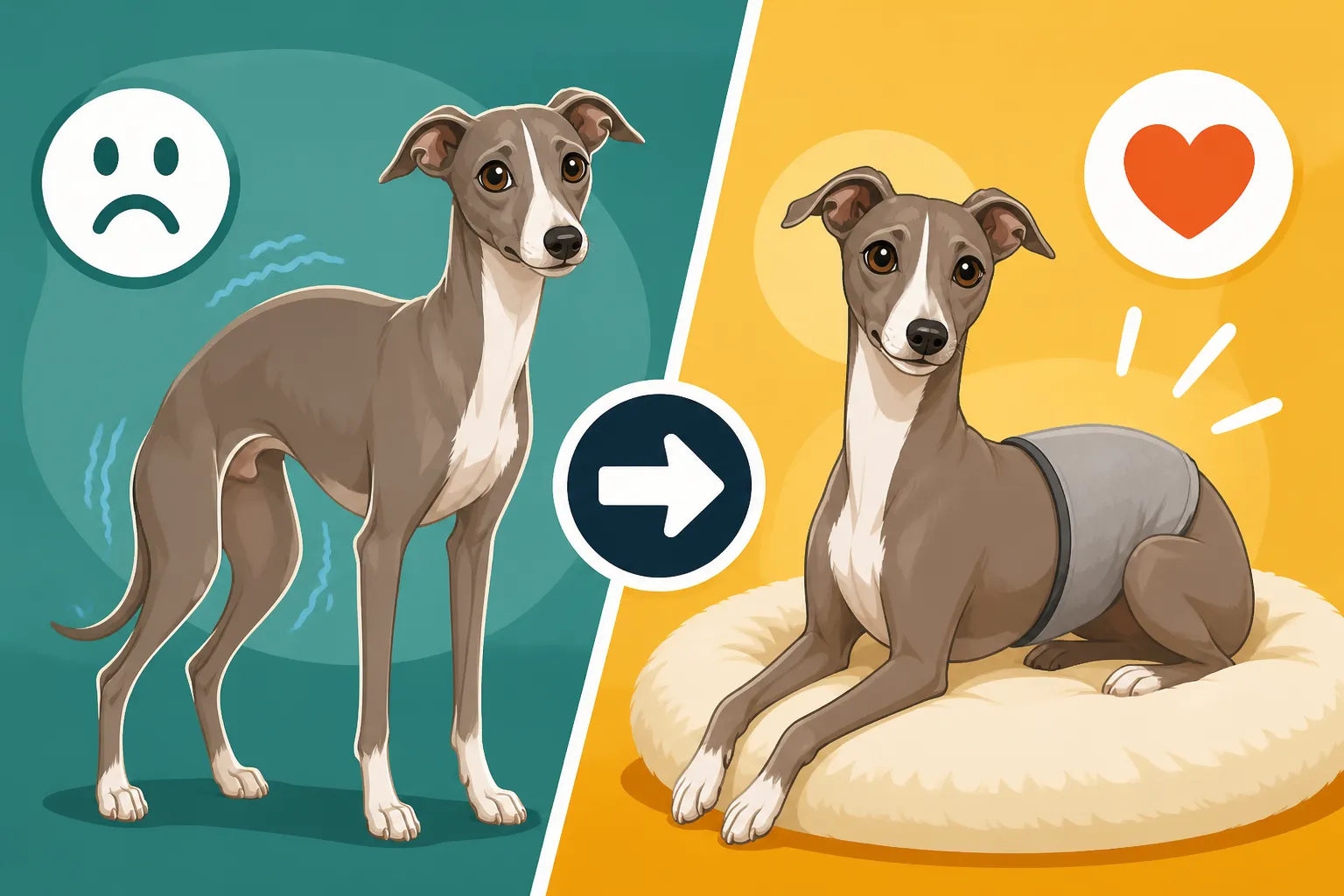
Let's start by clarifying what a belly band actually is, because it's often misunderstood. It's not a diaper, and it's certainly not a magic bullet. Instead, think of a belly band as a protective wrap designed to catch urine from male dogs, specifically those who lift their leg to mark territory indoors. It acts as a physical barrier and an absorbent safety net, offering peace of mind when you can't have your eyes on your Italian Greyhound every single second.
Construction and Materials
A typical belly band is a strip of fabric, often fleece, flannel, or a waterproof material, with an absorbent liner or a pocket where you can insert a disposable pad. They usually fasten with hook-and-loop closures (like Velcro) around your dog's midsection, covering the area where a male dog would urinate. Because Italian Greyhounds have such delicate skin and fine coats, the softness of the materials is paramount. You want something breathable to prevent skin irritation, and the fit needs to be snug enough to stay on but not so tight that it restricts movement or causes chafing. Many owners find options available on platforms like Amazon that cater to smaller breeds work well, but always double-check the material composition.
How it's Worn and What it Contains
The belly band wraps around your Italian Greyhound's waist, just in front of his hind legs, covering his penis. Inside, you'll place an absorbent liner – this could be a specifically designed disposable pad, a folded paper towel, or even a reusable cloth pad. The idea is that if your Iggy attempts to mark, the urine is absorbed by the pad within the band, preventing it from soaking into your furniture, carpets, or any other forbidden spot. This doesn't stop the act of lifting the leg, but it does prevent the consequence of a mess. It's a management tool, not a training tool in itself, though it can certainly complement training efforts.
Not a Substitute for Housetraining
It's crucial to understand that a belly band is not a substitute for proper housetraining. It won't teach your Italian Greyhound not to mark; it simply prevents the mess when he does. If you're relying solely on a belly band without addressing the underlying reasons for indoor marking or accidents, you're essentially putting a band-aid on a deeper issue. For successful long-term results, the belly band should always be used in conjunction with consistent training, positive reinforcement, and a clear routine for outdoor potty breaks. Think of it as your assistant in maintaining a clean home while you work on solidifying your dog's understanding of Housetraining an Italian Greyhound Is the Hardest Part of Owning One.
When a Belly Band Can Be a Lifesaver for Your Italian Greyhound
While not a magic solution, there are definite scenarios where a belly band can be incredibly beneficial, reducing stress for both you and your Italian Greyhound and helping keep your home clean.
Managing Marking Behavior
This is perhaps the most common reason Italian Greyhound owners turn to belly bands. Italian Greyhounds, even neutered ones, can sometimes be prone to marking behavior, especially in new environments, when guests visit, or if there's a perceived change in their territory. It's not malice; it's often an instinctual communication. A belly band can be a fantastic management tool in these situations. For instance, when you have company over, putting a belly band on your Iggy can relieve anxiety about him marking a guest's bag or shoes. It allows you to relax and enjoy your visitors without constantly shadowing your dog. It's a proactive step that can save your sanity and your upholstery. This is particularly relevant if you've already tried other methods to curb Why an Italian Greyhound Marks Indoors without complete success.
Temporary Training Aid for Accidents
For Italian Greyhound puppies or newly adopted rescue Iggies who are still learning the ropes, belly bands can serve as a temporary aid during the housetraining process. It can be incredibly disheartening to feel like you're making progress with How Long Housetraining an Italian Greyhound Takes, only to find a puddle. A belly band can catch those unexpected leaks, turning an "oops" moment into a non-event for your flooring. This doesn't mean you slack on teaching your puppy the right place to go, but it buys you grace periods, especially when you might be briefly distracted, like during meal prep or an important phone call. It helps prevent those discouraging setbacks that can make you question if your Iggy will ever be reliably housetrained.
When using a belly band for training, some owners find the slight dampness against the dog's skin when they mark inside can serve as a mild deterrent, making the indoor experience less rewarding. However, this effect is often subtle and should not be relied upon as a primary training method. True housetraining comes from consistent positive reinforcement for eliminating outside, a predictable schedule, and careful supervision. Brands like BAXTER & Bella, which focus on positive reinforcement training, would emphasize the band as a management tool while you train, rather than a training device itself.
Supporting Senior or Incontinent Iggies
As Italian Greyhounds age, like all dogs, they can develop medical conditions that lead to incontinence. Weakened bladder muscles, cognitive decline, or other health issues can make it harder for them to hold their urine or even remember their housetraining. For these older Iggies, a belly band can significantly improve their quality of life and maintain their dignity, as well as yours. It prevents accidents around the house, which can be upsetting for both you and your dog, and allows them to continue being a comfortable part of the family without constant worry about messes.
For an older Italian Greyhound experiencing incontinence, a belly band with a highly absorbent pad can mean the difference between sleeping soundly and waking up in a puddle. It's a compassionate solution that helps manage the physical realities of aging, especially if you're caring for an Iggy Caring for an Italian Greyhound Past Eleven. Regular checks and changes of the pad are essential to prevent skin irritation, but the peace of mind it offers can be invaluable. This way, your focus can remain on providing comfort and companionship, rather than constantly cleaning up.
The Downsides and Considerations of Using a Belly Band
While belly bands offer significant benefits, they aren't without their drawbacks and require careful consideration, especially given the Italian Greyhound's unique physical characteristics and sensitive nature.
Hygiene and Skin Issues
One of the biggest concerns with belly bands, particularly for a breed with such fine skin and minimal body fat, is hygiene. If a band is left on too long after it's been soiled, it can lead to severe skin irritation, urine scalding, or even bacterial infections. Italian Greyhounds are prone to skin issues due to their delicate constitution, so moisture trapped against their skin is a recipe for discomfort. You need to be diligent about checking the band frequently and changing the pad immediately after an accident.
This means you can't just put a belly band on your Iggy and forget about it for hours. It requires active management and a commitment to cleanliness. If you notice any redness, rash, or excessive licking of the area, the belly band should be removed, and your dog's skin should be cleaned and allowed to air dry. In some cases, a trip to the vet might be necessary if a severe irritation or infection develops. Using soft, breathable pads and ensuring the band isn't too tight can help mitigate these risks.
False Sense of Security
For owners, there's a risk of developing a "false sense of security" when their Italian Greyhound is wearing a belly band. It's easy to think, "Oh, he's wearing his band, so I don't need to worry about accidents." This mindset can inadvertently lead to slacking on consistent housetraining routines, fewer outdoor potty breaks, or less supervision. Remember, the belly band is a management tool, not a cure for Why an Italian Greyhound Is Slow to Housetrain.
If you become less vigilant about taking your Iggy out regularly because you know the band will catch any urine, you could actually prolong the housetraining process. Your Italian Greyhound needs to learn that eliminating outside is the only acceptable place, and if they're still consistently peeing in the band indoors, that lesson isn't sticking. It's vital to maintain a strict potty schedule and reward successful outdoor eliminations to truly reinforce desired behavior, especially as your Italian Greyhound gets closer to The Age an Italian Greyhound Is Reliably Housetrained.
Comfort and Acceptance
Not all Italian Greyhounds will take to a belly band immediately, or even at all. Some dogs might find them uncomfortable, restrictive, or simply annoying. Because Iggies are often sensitive and particular, some may try to chew them off, rub against furniture to remove them, or simply freeze up and refuse to move when wearing one. Introducing a belly band should be done gradually and with positive reinforcement.
Start by letting your Iggy wear it for short periods, supervised, and reward him with treats and praise when he tolerates it. Never force the issue, as this can create a negative association. Pay close attention to his body language; signs of discomfort like excessive licking, fidgeting, or trying to remove it are clear indicators that he's not happy. Finding the right size and fit is also paramount. A band that's too loose will slip, and one that's too tight will be uncomfortable. You might need to try a few different brands or styles to find one that your sensitive Italian Greyhound accepts.
Maximizing the Effectiveness of Your Italian Greyhound's Belly Band
If you decide a belly band is right for your Italian Greyhound, there are several steps you can take to ensure it's as effective and comfortable as possible.
Proper Sizing and Fit
This cannot be stressed enough: proper sizing is absolutely critical for an Italian Greyhound. Their lean, deep-chested, and often tiny physiques mean that generic dog sizing charts often miss the mark. A band that’s too wide might rub against their sensitive inner thighs or restrict their movement. A band that’s too narrow or loose won't catch urine effectively and will simply slip down. Most belly bands are measured by waist circumference. Measure your Italian Greyhound carefully around their waist, just in front of their hind legs, where the band will sit.
When you put the band on, it should be snug enough that you can only comfortably slide two fingers underneath it. It shouldn't be so tight that it pinches or leaves marks on their skin, but it needs to stay in place even when your Iggy is doing zoomies. Look for brands that offer multiple sizes or adjustable closures. Sometimes, even "small" sizes from pet stores can be too bulky for a truly petite Italian Greyhound. Don't be afraid to try a few options, maybe from places like Amazon with good return policies, until you find the perfect fit.
Regular Checks and Changes
As discussed earlier, diligence with hygiene is key. Make it a habit to check the belly band every hour or two, especially if your Italian Greyhound has a history of frequent marking or if he’s a senior dog with incontinence. If the pad is even slightly damp, change it immediately. Always have a supply of clean, dry pads readily available.
When changing the pad, take a moment to inspect your Italian Greyhound's skin. Look for any redness, irritation, or dampness on his belly or inner thighs. Clean the area gently with a pet-safe wipe or a damp cloth and allow it to air dry completely before putting on a fresh band and pad. This routine will help prevent skin issues like urine scalding, which can be quite painful for your dog and lead to more serious problems if ignored. Remember, your Iggy might not vocalize his discomfort, so regular visual checks are your best defense.
Combining with Training
A belly band is an aid, not a solution in itself. For true success, integrate its use seamlessly into your ongoing housetraining efforts. This means maintaining a consistent potty schedule, rewarding successful outdoor eliminations enthusiastically, and supervising your Italian Greyhound, even when he's wearing the band. Think of the band as a way to manage accidents while you teach.
If you know your Iggy tends to mark after a specific trigger, like when a new person enters the house or when he gets excited, put the belly band on before the trigger occurs. This proactive approach ensures you're prepared. Continue to take your Italian Greyhound outside regularly, praising and treating him lavishly when he potties in the designated spot. If you're struggling with consistent training, consider resources like BAXTER & Bella's online training programs, which often emphasize positive reinforcement techniques that work well with sensitive breeds like Iggies. The goal is to eventually reduce reliance on the belly band as your dog's housetraining solidifies.
Alternative and Complementary Solutions to Marking Behavior
While belly bands can be a fantastic tool, they're just one piece of the puzzle. Addressing marking behavior or chronic indoor accidents effectively often requires a multi-faceted approach.
Enhanced Housetraining Protocols
Sometimes, marking isn't just about territory; it's about incomplete housetraining. Many Italian Greyhounds are notoriously challenging to housetrain, and it can take longer than with other breeds. Revisit the basics: consistent potty breaks every 2-4 hours, especially after waking, eating, or playing. Go outside with your Iggy every single time, even in inclement weather (hence why Why an Italian Greyhound Refuses to Go Out in Rain is a common problem). Praise and treat immediately when he potties outside. Limit access to unsupervised areas indoors, using crates or playpens, especially during the learning phase. For a deeper dive, check out guides on Crating an Italian Greyhound Overnight or setting up an Setting Up an Indoor Bathroom for an Italian Greyhound if outdoor access is challenging.
Addressing Medical Causes
Any sudden onset of indoor accidents, especially in an otherwise reliably housetrained Italian Greyhound, warrants a vet visit. Urinary tract infections, kidney issues, diabetes, or even cognitive dysfunction in older dogs can all lead to incontinence or increased urination. Your vet can rule out underlying medical conditions that might be contributing to the problem. Periodontal Disease Is the Italian Greyhound's Most Common Diagnosis and other health issues can sometimes manifest in behavioral changes, so a thorough check-up is always a good idea. Don't assume it's "just marking" without a clean bill of health.
Environmental Management
Sometimes, changing the environment can make a huge difference. If your Iggy marks specific spots, thoroughly clean those areas with an enzymatic cleaner to eliminate all traces of urine odor, which can act as a trigger for remarking. Consider gating off rooms where marking is a persistent problem. For new guests or items, supervise interactions closely or put your Iggy in his crate with a favorite chew toy. Preventing access to tempting marking spots can break the cycle. Also, ensure your Italian Greyhound isn't feeling anxious or stressed, as this can often lead to marking. A calm, predictable environment is always beneficial.
Behavioral Consultation
If marking persists despite consistent training, vet checks, and environmental management, a certified professional dog trainer or veterinary behaviorist might be needed. They can help identify specific triggers, assess underlying anxiety or behavioral issues, and develop a tailored plan. Sometimes, what looks like marking might be stress-related urination, or an Italian Greyhound's sensitive nature might require a different training approach. They can also advise on whether Whether Neutering Stops an Italian Greyhound Marking is effective for your individual dog, as it doesn't always resolve the issue completely.
Here's a quick look at the pros and cons of using belly bands:
| Feature | Pros | Cons |
|---|---|---|
| Mess Prevention | Effectively catches urine, protecting furniture and floors. | Only prevents mess, doesn't stop the marking behavior itself. |
| Peace of Mind | Reduces owner anxiety about indoor accidents. | Can lead to a false sense of security, reducing training vigilance. |
| Versatility | Useful for housetraining, marking, and senior incontinence. | Requires diligent changing and hygiene to prevent skin issues. |
| Comfort | Many soft, breathable options are available. | Some Iggies may find them uncomfortable or try to remove them. |
| Cost-Effective | Reusable bands save money over time, disposable pads are an added cost. | Ongoing cost of disposable pads (if used). |
Ultimately, a belly band can be a helpful tool in your Italian Greyhound care arsenal, especially for managing frustrating indoor marking. But like any tool, it works best when used correctly, consistently, and as part of a larger, well-thought-out plan.
Disclaimer
This article is for general informational purposes only and does not constitute professional advice. Laws, prices and regulations vary by location and change over time. Consult a qualified professional for guidance on your specific situation.