How Often an Italian Greyhound Wakes at Night to Go
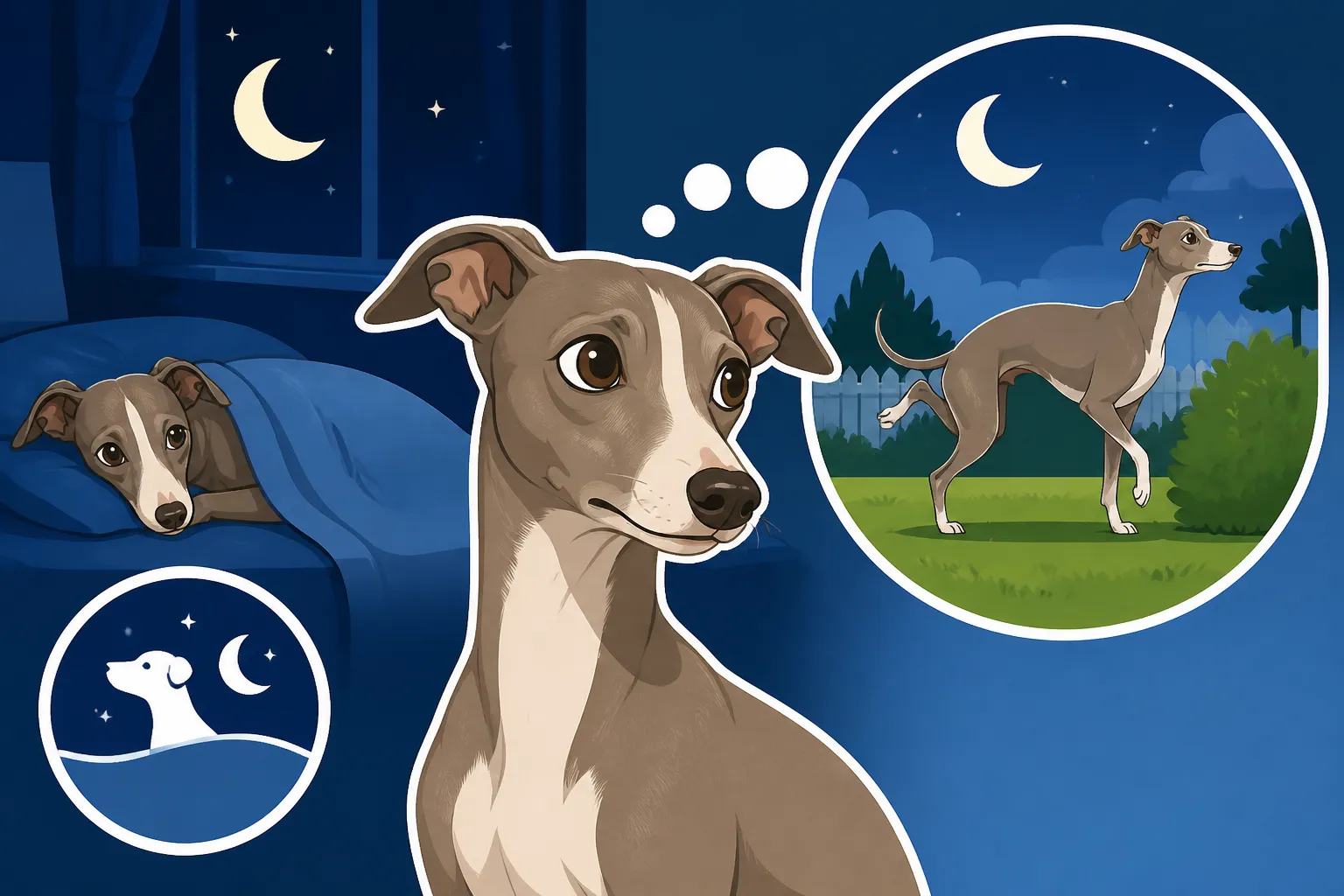
One of the most challenging aspects of living with an Italian Greyhound, especially during those early puppy months, is the constant worry about nighttime potty breaks. Many new owners quickly realize that their tiny, delicate companion seems to have an equally tiny bladder, leading to a frustrating cycle of interrupted sleep and early morning cleanups. This guide will walk you through what to expect regarding your Italian Greyhound's nighttime bathroom habits, from puppyhood to old age, and provide practical strategies to help both of you get more restful sleep without compromising on their health or your sanity.
Understanding the Italian Greyhound's Bladder and Potty Needs at Night
It's a common misconception that all dogs can "hold it" for eight hours straight overnight. While some breeds might manage this relatively easily, the Italian Greyhound, with its petite stature and unique physiology, often presents a different story. Their small size means smaller internal organs, including a bladder that simply doesn't have the same storage capacity as a larger dog's. This isn't a training failure; it's a biological reality that requires understanding and adaptation from their human companions.
The drive to urinate is a fundamental instinct, and for Italian Greyhounds, who are particularly sensitive and clean creatures by nature, holding it for extended periods can be genuinely uncomfortable and even stressful. They're not doing it to spite you, but because their body is telling them it's time to go. Acknowledging this physiological reality is the first step toward managing nighttime potty needs effectively.
Puppy Bladder Capacity vs. Adult Capacity
When you bring home an Italian Greyhound puppy, it's crucial to recalibrate your expectations for nighttime bathroom breaks. A general rule of thumb for puppies is that they can hold their bladder for approximately one hour per month of age, plus one hour. So, a two-month-old puppy might only manage three hours, while a four-month-old might stretch to five. However, this is an absolute maximum, and for an Italian Greyhound, who tend to have smaller bladders even for their size, it's often less.
During the night, a puppy's metabolism is still going strong, and their sleep cycles might be shorter and lighter than an adult's. This means they're more likely to stir and feel the urge to relieve themselves more frequently. It's not uncommon for Italian Greyhound puppies under six months to need at least one or two potty breaks during the night, sometimes more, especially if they've had a lot to drink or eat later in the evening. As they mature, their bladder capacity increases, and they develop better muscle control, allowing them to hold it for longer stretches. An adult Italian Greyhound, once reliably housetrained, should ideally be able to hold it for 6-8 hours overnight, but even then, individual variation is significant. Some might sail through 8 hours, while others consistently need a 2 AM trip outside. The Age an Italian Greyhound Is Reliably Housetrained is often later than you might expect for other breeds.
Factors Influencing Nighttime Potty Breaks
Several factors can influence how often your Italian Greyhound needs to wake up and go during the night. Understanding these can help you anticipate and manage their needs better:
- Age: As discussed, puppies have minimal bladder control. Senior Italian Greyhounds can also start to experience more frequent urination due to aging bladders, potential kidney issues, or even cognitive decline affecting their ability to "hold it" or signal their need. Why an Old Italian Greyhound Feels the Cold More can also impact their willingness to go outside, leading to accidents.
- Diet and Hydration: What and when your Italian Greyhound eats and drinks can significantly impact their nighttime needs. A large meal or a big drink of water right before bed will naturally lead to more frequent urges. Certain foods can also increase thirst.
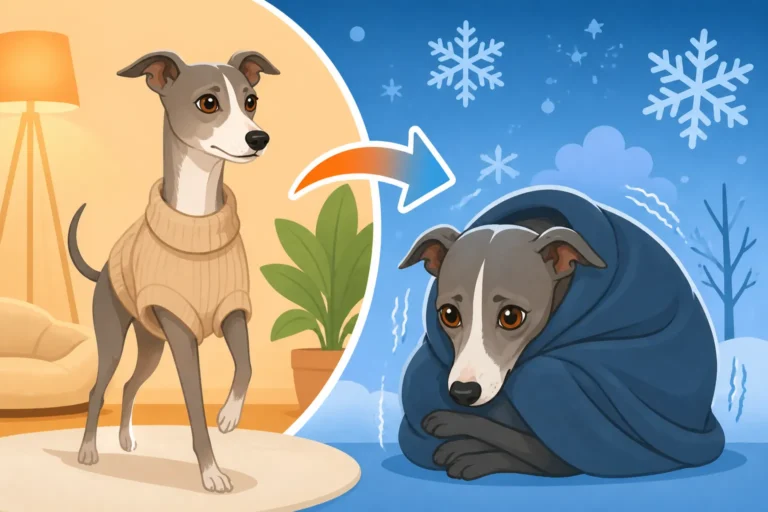
- Weather: Italian Greyhounds notoriously dislike cold, wet, or windy weather. If they're hesitant to go outside when it's chilly, they might try to hold it longer than comfortable, or worse, have an accident indoors. Why an Italian Greyhound Refuses to Go Out in Rain is a common frustration for owners.
- Stress or Anxiety: A new environment, separation anxiety, or even changes in routine can cause a dog to urinate more frequently, sometimes as a stress response. Italian Greyhounds are sensitive souls, and any emotional upset can manifest in their potty habits.
- Health Issues: Increased urination (polyuria) can be a symptom of various health conditions, including urinary tract infections, diabetes, kidney disease, or Cushing's disease. If your Italian Greyhound suddenly starts needing to go out much more often at night, especially after being reliably housetrained, a vet visit is essential to rule out medical causes.
Strategies for Reducing Nighttime Potty Trips
While you can't magically give your Italian Greyhound a bigger bladder, you can implement routines and tools to help manage their nighttime potty needs more effectively. The goal isn't to force them to hold it past comfort, but to optimize their schedule and provide appropriate outlets.
Implementing a Strict Evening Routine
Consistency is truly king when it comes to housetraining an Italian Greyhound, and this extends to their evening routine. A predictable schedule helps their body learn when to expect a potty break and when it's time to settle down for the night.
- Last Call for Food and Water: Aim to cut off food and water at least 2-3 hours before bedtime. This gives their system ample time to process everything before they're expected to sleep through the night. If your Italian Greyhound is particularly thirsty, offer a small amount of ice cubes instead of a bowl of water right before bed – it satisfies the urge to drink without overwhelming their bladder.
- Thorough Last Potty Break: Don't just rush them out the door and back in. Make sure their last trip outside is a substantial one. Walk them around, encourage them to empty their bladder completely, and give them plenty of time. This might mean waiting with them for 10-15 minutes, even if it's cold. Layer them up in a warm coat if needed, and consider a covered potty area for those rainy or snowy nights. Reward them heavily with praise and a high-value treat when they successfully go.
- Wind-Down Period: Just like children, Italian Greyhounds benefit from a calm wind-down period before bed. Avoid exciting play or stimulating activities right before their last potty break. A gentle cuddle, a quiet chew toy, or a short, slow walk can help signal that it's time to relax.
The Role of Crating and Confinement
Crating, when introduced positively, can be an invaluable tool for managing nighttime urination, especially for puppies or newly adopted Italian Greyhounds. Dogs are naturally den animals and generally prefer not to soil their sleeping area. This innate cleanliness can be leveraged in a crate.
- Proper Crate Sizing: The crate should be just large enough for your Italian Greyhound to stand up, turn around, and lie down comfortably. If it's too big, they might use one end as a bathroom and sleep in the other, defeating the purpose. Dividers can be used to adjust the size as your puppy grows. For tips on choosing the right crate, you might find information in Crating an Italian Greyhound Overnight.
- Positive Association: Never use the crate as punishment. Make it a comfortable, inviting den with soft bedding like a snuggle sack (Whether a Snuggle Sack Suits an Italian Greyhound), a favorite toy, and perhaps a special treat only given in the crate. This positive association is key for them to feel secure and relaxed, which in turn helps them settle for the night. You can even use a specific brand's training resources, like those offered by BAXTER & Bella, to help with positive crate training methods.
- Placement and Proximity: Placing the crate in your bedroom, or at least very close to where you sleep, can be beneficial. Your Italian Greyhound will feel more secure knowing you're nearby, which can reduce anxiety. Plus, you're more likely to hear them if they stir and need to go out. A subtle whine or restless movement might be their only signal.
- Scheduled Nighttime Breaks: For young puppies, you might need to set an alarm to take them out for a quick potty break during the night. Carry them directly to their potty spot, encourage them to go, praise quietly, and then immediately return them to the crate. Keep these breaks strictly business – no play, no lights, just potty and back to bed. As they get older, you can gradually extend the time between breaks.
Indoor Potty Solutions for Night
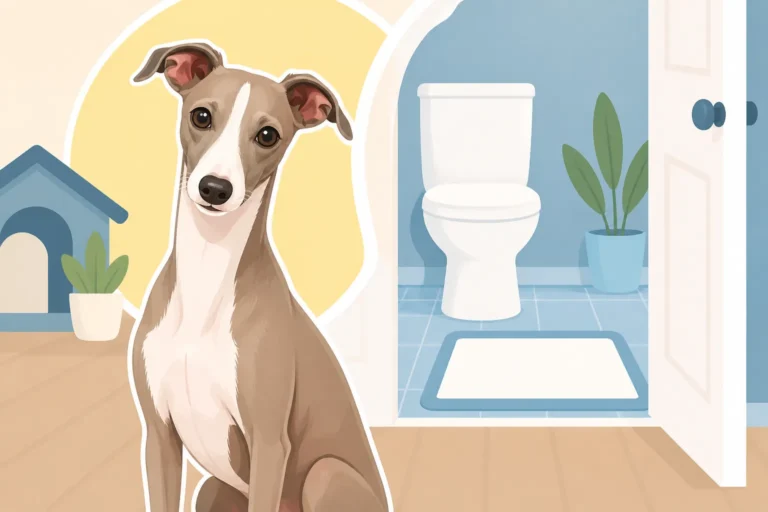
Let's be realistic: some Italian Greyhounds, either due to extreme weather aversion, age, or specific health conditions, might genuinely struggle with going outside during the night. For these dogs, an indoor potty solution can be a lifesaver for both their comfort and your sleep schedule.
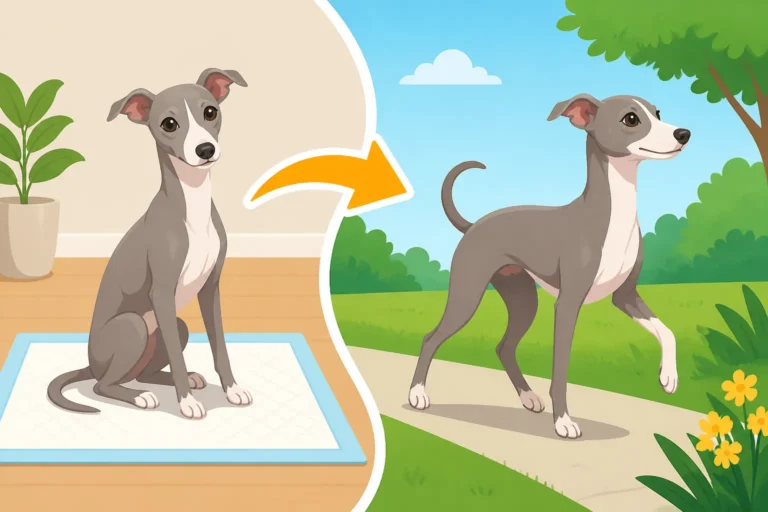
- Pee Pads/Grass Patches: Setting up a designated indoor potty area with pee pads or a synthetic grass patch can be a great alternative. Place it in an easily accessible spot, but perhaps not right in your sleeping area. A bathroom or a corner of the laundry room works well. Consistency in location is crucial. Setting Up an Indoor Bathroom for an Italian Greyhound goes into more detail on how to make this work. Many owners find absorbent pads, often found on Amazon, to be a practical solution for this.
- Litter Boxes: Believe it or not, some Italian Greyhounds can be successfully litter box trained, much like cats. This isn't for every dog, but for those who take to it, it offers a contained and relatively odor-free indoor option. Special dog litter and low-sided boxes are available.
- Weather-Proofing: For those who can go outside but are simply finicky about the elements, think about creating a small, sheltered spot in your yard. A covered patio, a dog house with a small run, or even a large umbrella over their preferred potty area can make a huge difference in their willingness to venture out on a cold or rainy night.
Here's a quick comparison of common nighttime potty strategies:
| Strategy | Pros | Cons | Best For |
|---|---|---|---|
| Outdoor Potty Breaks | Reinforces outdoor housetraining | Requires owners to go outside, weather-dependent, can be disruptive | Most adult Italian Greyhounds, when weather permits |
| Crate Training | Leverages natural instinct not to soil den, aids bladder control | Requires proper introduction, not suitable if too small or large | Puppies, newly adopted dogs, anxiety management |
| Indoor Pee Pads | Convenient, accessible in all weather, less disruptive for owners | Can prolong outdoor training, requires consistent cleanup | Puppies, older dogs, weather-sensitive IGs, apartment dwellers |
| Litter Box Training | Contained, less mess than pads, can be very independent | Not all dogs take to it, requires specific supplies | IGs with strong indoor preference, smaller spaces |
When to Seek Veterinary Advice for Nighttime Urination Issues
While many nighttime potty issues are behavioral or training-related, it's absolutely vital to be vigilant for signs that something more serious might be going on. A sudden change in your Italian Greyhound's nighttime habits, especially in an adult dog who was previously reliable, should always prompt a call to your veterinarian. Ignoring these signs can lead to worsening health problems and unnecessary discomfort for your beloved companion.
Recognizing Signs of a Medical Problem
Pay close attention to these indicators, as they might signal an underlying health issue:
- Sudden Increase in Frequency: If your adult Italian Greyhound, who used to sleep through the night, suddenly starts needing to go out multiple times, this is a red flag.
- Increased Thirst: Are they drinking significantly more water than usual during the day? Increased thirst (polydipsia) often accompanies increased urination and can point to conditions like diabetes or kidney issues.
- Straining or Difficulty Urinating: If they seem to be trying to go but only producing small amounts, or if they whimper while urinating, it could indicate a urinary tract infection (UTI), bladder stones, or other painful conditions.
- Urine Color or Odor Changes: Any unusual color (very dark, cloudy, or reddish), or a strong, foul odor, warrants immediate veterinary attention.
- Lethargy or Other Sickness: If the increased nighttime urination is accompanied by a change in appetite, vomiting, diarrhea, or a general lack of energy, don't wait. These are signs of a sick dog.
- Accidents in Their Crate/Bed: An Italian Greyhound who soils their sleeping area is often experiencing an urgent need they simply can't control, rather than a training issue.
Remember, Italian Greyhounds are incredibly stoic and often How an Italian Greyhound Hides Pain. They won't always cry out or make a big fuss, so subtle changes in behavior or routine are often the only clues you'll get.
Discussing Age-Related Changes
As Italian Greyhounds enter their golden years, typically around the age of 8-10, their bodies undergo changes that can affect their bladder control. The Age an Italian Greyhound Is Considered Senior means their organs might not function with the same efficiency.
- Kidney Function: Older dogs are more prone to kidney disease, which impairs their ability to concentrate urine, leading to more frequent urination. Regular bloodwork and urinalysis are important for senior IGs to catch these issues early. Kidney Disease in an Old Italian Greyhound is a common concern.
- Cognitive Decline: Similar to dementia in humans, some older dogs experience cognitive dysfunction syndrome. This can manifest as confusion, disorientation, and a loss of previously learned behaviors, including housetraining. They might forget where to go, or even forget to signal their need.
- Weakened Bladder Muscles: Just like in people, bladder muscles can weaken with age, making it harder to hold urine for extended periods. This can lead to leakage or sudden urges they can't control.
- Arthritis and Mobility: If your senior Italian Greyhound has arthritis or other mobility issues, getting up and out quickly enough can be a challenge. They might have accidents simply because they can't move fast enough to get to their designated spot. Providing ramps or steps to furniture they use, and ensuring easily accessible outdoor or indoor potty areas, can help immensely.
When you notice these changes in an older Italian Greyhound, a compassionate approach is key. They aren't doing it on purpose. A vet visit is crucial to distinguish between normal aging, which can be managed with routine adjustments and patience, and a treatable medical condition. Sometimes, medication or dietary changes can significantly improve their quality of life and reduce nighttime incidents.
Living with an Italian Greyhound who needs frequent potty breaks, especially at night, can test your patience. But by understanding their unique physiology, establishing consistent routines, and recognizing when a vet visit is needed, you can ensure your delicate companion stays healthy and happy, and that both of you get the rest you deserve.
Disclaimer
This article is for general informational purposes only and does not constitute professional advice. Laws, prices and regulations vary by location and change over time. Consult a qualified professional for guidance on your specific situation.