The Age an Italian Greyhound Is Considered Senior
It's a bittersweet moment when you start noticing the subtle shifts in your beloved Italian Greyhound. One day they're a boundless puppy, the next you're wondering if that gray hair on their muzzle or slightly slower pace means they're officially "senior." It's a question many IG parents grapple with, and this guide is here to help you understand exactly when an Italian Greyhound is considered senior and what that transition truly entails for their health and happiness.
Defining "Senior" in Italian Greyhounds
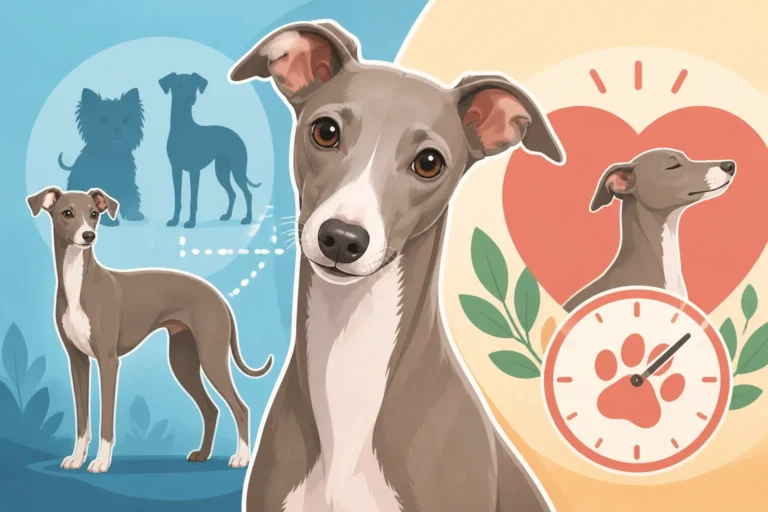
Pinpointing the exact moment an Italian Greyhound officially becomes a "senior" isn't as simple as circling a date on a calendar. Unlike humans, dogs age at different rates, and size plays a huge role. While a Great Dane might be considered senior by age five or six, our lithe Iggies, with their longer lifespans, take a bit more time to reach their golden years.
Beyond the Calendar Age: More Than Just Numbers
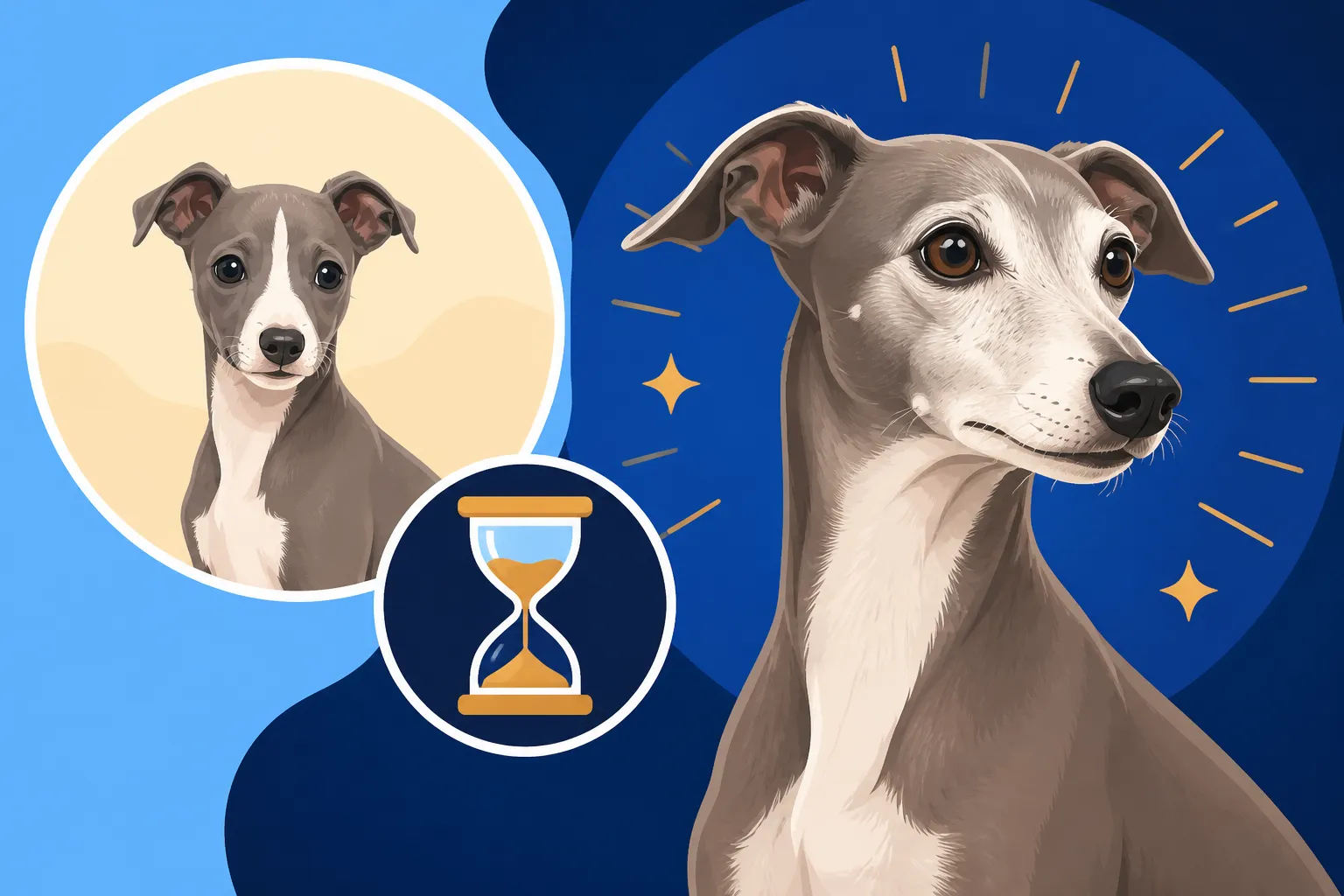
Generally speaking, an Italian Greyhound is considered senior when they reach around 8 to 10 years of age. However, this is a guideline, not a hard-and-fast rule. Some Iggies are still zipping around and playing like youngsters well into their teens, showing few signs of slowing down. Others might start exhibiting senior characteristics a little earlier, perhaps around seven or eight, especially if they've had a history of health issues. It's truly about the individual dog, their genetics, their lifestyle, and their overall health. You might find yourself asking, "What changes in an Italian Greyhound after eleven?" because that's often when the subtle shifts become more noticeable for many. It's less about a birthday and more about a combination of physical and behavioral cues.
A truly senior Italian Greyhound is one whose body and mind are starting to show the wear and tear of a long life. This can manifest as anything from a slightly less bouncy gait to increased naps or a more subdued demeanor. Owners need to be observant of these subtle changes, rather than waiting for an arbitrary age marker, because early recognition can lead to more proactive care and a better quality of life for your aging companion.
Comparing to Other Breeds: Why IGs Are Different
It’s easy to get confused when you hear about dogs becoming "senior" at what seems like a young age. Many larger and giant breeds have significantly shorter lifespans, meaning their senior phase begins much earlier. A Mastiff, for example, might be geriatric by seven, while your Italian Greyhound is just hitting their stride in middle age. This difference is mainly due to metabolic rates and the stresses placed on larger bodies. Smaller breeds, including Italian Greyhounds, tend to live longer, often reaching 14 to 15 years, and sometimes even more. This means their senior years are compressed into a later part of their life.
This extended lifespan means you have more precious years with your Italian Greyhound, but it also means understanding their specific aging process is crucial. Their delicate bones and lean body mass, for instance, can lead to unique challenges in their later years, different from what you'd expect in a more robust breed. Knowing that your Italian Greyhound will likely live a full life means you need to prepare for Caring for an Italian Greyhound Past Eleven and beyond, extending your proactive care well into their second decade.
The Graying Muzzle Myth: Not Always the First Sign
While a graying muzzle is a classic sign of aging in many dogs, for Italian Greyhounds, it's not always the most reliable or earliest indicator of seniority. Some Iggies, particularly those with darker coats, might start getting those distinguished silver hairs around their face quite early, even in their mid-life, without showing any other senior characteristics. Conversely, some lighter-colored Iggies might retain their youthful face coloring well into their advanced years, even as their bodies begin to slow down.
Instead of focusing solely on muzzle color, pay attention to more functional changes. Is your IG a little less enthusiastic about walks? Do they take longer to settle down after excitement? Are they starting to struggle with stairs or reluctant to jump off the sofa? These are often more pertinent early warning signs that your Italian Greyhound is entering their senior phase. It's about looking at the whole picture of their physical capabilities and daily habits, rather than just superficial markers.
| Age Range (Years) | Seniority Stage | Key Characteristics to Observe |
|---|---|---|
| 0-1 | Puppy | Rapid growth, high energy, learning |
| 1-3 | Young Adult | Peak physical condition, maturity |
| 3-7 | Adult | Stable, established routine |
| 8-10 | Early Senior | Subtle slowing, minor joint stiffness, potential sensory changes |
| 11+ | Advanced Senior | More pronounced physical/cognitive decline, increased health risks |
Physical Changes to Expect in Senior Iggies
As Italian Greyhounds age, their bodies naturally undergo a series of transformations. These changes are part of the normal aging process, but understanding them helps owners provide targeted care and maintain their dog's comfort.
Changes in Mobility and Joints
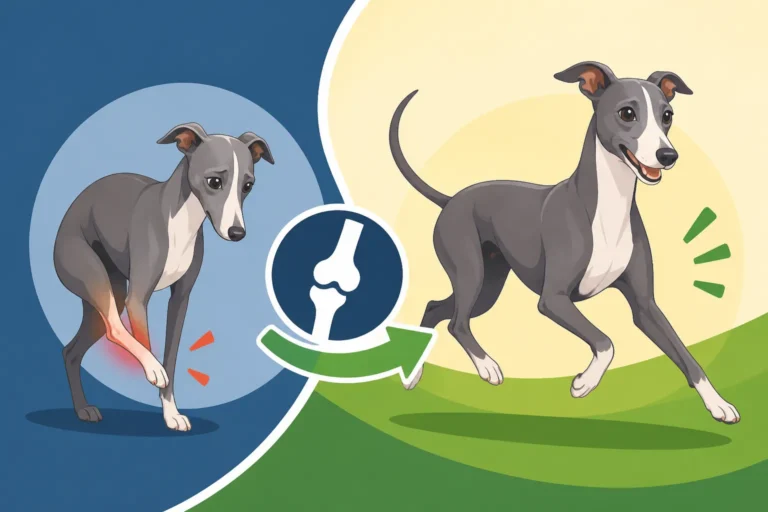
One of the most common and noticeable changes in an aging Italian Greyhound is a decline in mobility. Their once effortless leaps and lightning-fast sprints might become slower, more deliberate, or even hesitant. You might observe a slight stiffness when they first wake up, or they may take longer to get comfortable after lying down. This is often due to age-related conditions like arthritis, which can affect their delicate joints. While Italian Greyhounds are known for their athleticism, years of jumping, running, and playing can take a toll on their small frames.
Owners often report that their senior Iggies are less willing to jump onto furniture they once scaled with ease, or they might even yelp occasionally when handled in certain ways. This isn't just them being dramatic; it’s a genuine sign of discomfort. Consider asking your vet about supplements, gentle physical therapy, or even anti-inflammatory medications to help manage joint pain. Ensuring they have Ramps and Steps for an Italian Greyhound's Furniture can also make a huge difference in preventing further injury and easing their daily movements, minimizing stress on their aging joints.
Sensory Declines: Sight and Hearing
Just like humans, Italian Greyhounds can experience a decline in their senses as they age. Their once keen eyesight might dim, leading to bumping into furniture, especially in unfamiliar environments or in low light. You might notice them hesitating more at night or becoming more anxious in new places. This can be particularly challenging for Iggies who rely heavily on their vision for navigating their world. Conditions like cataracts or progressive retinal atrophy, which Italian Greyhounds are prone to, can contribute significantly to this decline. The Age Retinal Atrophy Appears in an Italian Greyhound can vary, so regular eye exams are vital.
Similarly, hearing loss is another common aspect of aging. Your senior Italian Greyhound might not respond to their name as readily, seem to ignore commands they once knew, or startle more easily if approached from behind. This isn't necessarily disobedience, but rather a genuine inability to hear. While it can be frustrating, patience and understanding are key. Learning to use hand signals or investing in a vibrating collar can help maintain communication. Being aware of Deafness in an Old Italian Greyhound means you can adapt your interactions to ensure they still feel safe and connected.
Coat, Skin, and Dental Health
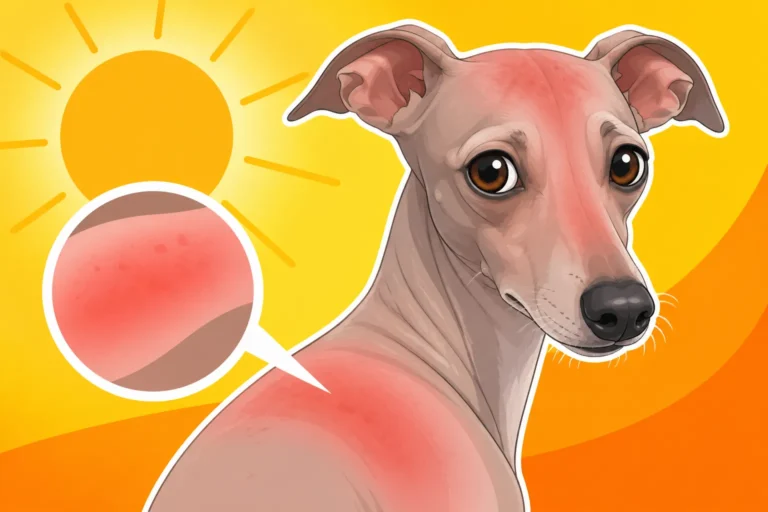
The physical appearance of an Italian Greyhound can also change with age. Their sleek, short coat might become a bit thinner or coarser, and you might notice more dry skin, especially during colder months. Some Iggies develop small benign lumps or skin tags, which are generally harmless but should always be checked by a vet. Their thin skin, always a consideration for the breed, can become even more delicate, making them more susceptible to minor scrapes and tears.
Perhaps one of the most critical areas for aging Italian Greyhounds is their dental health. Italian Greyhounds are notoriously prone to dental issues, with Periodontal Disease Is the Italian Greyhound's Most Common Diagnosis. As they age, this can worsen significantly, leading to tooth loss, pain, and even systemic health problems if left unchecked. You might notice bad breath, reluctance to eat hard kibble, or excessive drooling. Regular brushing, specialized dental chews, and professional dental cleanings are not just important for young Iggies, but absolutely essential for senior dogs to prevent discomfort and maintain overall health.
Behavioral and Cognitive Changes
Aging doesn't just affect an Italian Greyhound's body; it can also bring about shifts in their behavior and cognitive function. These changes, while sometimes subtle, are important for owners to recognize and address with empathy and understanding.
Increased Sleep and Decreased Energy
One of the most common behavioral changes you'll notice in a senior Italian Greyhound is a significant increase in their sleep patterns and a general decrease in energy levels. The energetic zoomies that once characterized their youthful exuberance might become shorter, less frequent, or disappear entirely. They might prefer to nap in sunny spots for longer periods, burrow deeper under blankets, and show less enthusiasm for vigorous play sessions. It’s natural for their stamina to wane, and they simply don't have the same bounce they once did.
While this reduction in energy is normal, it's crucial not to mistake it for depression or disinterest. Your senior IG still craves interaction and affection, albeit at a gentler pace. Adjusting their exercise routine to include more frequent, shorter walks, and engaging in low-impact play that caters to their comfort levels, is essential. Providing them with comfortable, warm sleeping spots where they feel secure is also incredibly important, as Why an Old Italian Greyhound Feels the Cold More can affect their ability to rest comfortably.
Cognitive Decline and Confusion
As Italian Greyhounds reach their later years, some may experience a form of cognitive dysfunction syndrome (CDS), similar to Alzheimer's in humans. This can manifest in various ways, from mild confusion to more significant disorientation. You might notice them getting stuck in corners, staring blankly at walls, or forgetting familiar routines. They might even wake up confused at night, exhibiting behaviors like pacing or barking, a phenomenon often referred to as Night Confusion in an Old Italian Greyhound.
Other signs of cognitive decline can include changes in house-training habits, even in a previously perfectly trained dog. They might forget where they are supposed to relieve themselves or simply lose control. Their interaction with family members might shift; some become clingier, while others become more withdrawn or even irritable. Patience and a predictable routine are vital when dealing with these changes. Your vet might also suggest dietary supplements or medications that can help manage the symptoms of CDS and improve their quality of life. Pet insurance providers like Healthy Paws often cover diagnostic tests and treatments for age-related cognitive issues, offering valuable support.
Changes in Social Interaction
An aging Italian Greyhound might also show shifts in their social behavior. Some senior Iggies become more tolerant and mellow, enjoying gentle cuddles and quiet companionship. Others, however, might become more reserved, preferring their own space and sometimes reacting less favorably to boisterous children or other pets, especially if they are also experiencing pain or sensory loss. A dog who once loved visitors might now retreat when company arrives.
These changes can be unsettling for owners, especially if their IG has always been a social butterfly. It's important to respect their boundaries and create a safe, quiet space where they can retreat when feeling overwhelmed. Understanding that their emotional needs are evolving is key. Continue to offer affection and interaction, but tailor it to their comfort level. A senior Italian Greyhound might still enjoy a short, gentle walk around the block, but a crowded dog park might be too much stimulation. Observing their cues and adapting to their preferences will help maintain a strong bond.
Veterinary Care Adjustments for Senior Iggies
As your Italian Greyhound enters their senior years, their veterinary care needs will inevitably change. Proactive and comprehensive medical attention becomes paramount to ensure their comfort, detect issues early, and manage age-related conditions effectively.
More Frequent Vet Visits and Diagnostics
Gone are the days when an annual check-up was sufficient. For senior Italian Greyhounds, most veterinarians recommend wellness exams twice a year. These more frequent visits allow your vet to closely monitor any developing health concerns, which can progress rapidly in older dogs. During these appointments, your vet will perform a thorough physical examination, paying close attention to their joints, teeth, eyes, and any new lumps or bumps.
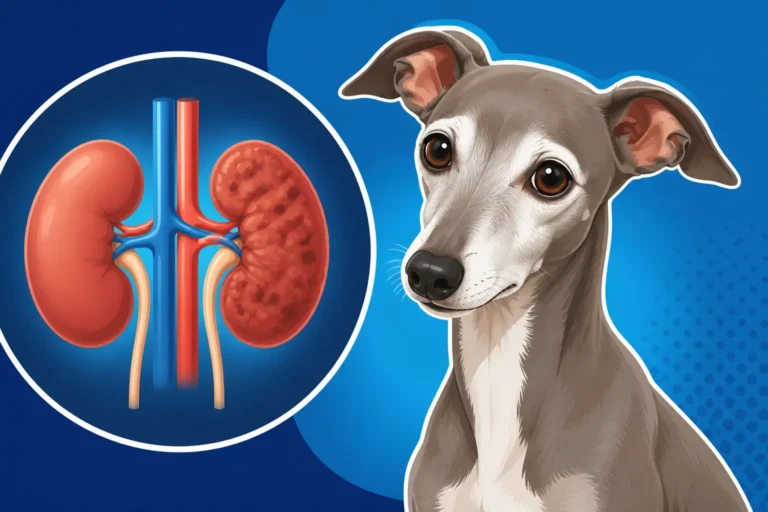
Beyond the physical exam, comprehensive diagnostic testing becomes much more important. This often includes routine blood work, urinalysis, and sometimes thyroid panels. These tests can help detect underlying conditions such as kidney disease, liver issues, or Hypothyroidism in an Italian Greyhound long before clinical symptoms become obvious. Early detection often means more effective treatment and a better prognosis. For example, catching signs of Kidney Disease in an Old Italian Greyhound early can allow for dietary changes and medications that significantly slow its progression. Pet insurance, such as a plan from Healthy Paws, can be incredibly beneficial in offsetting the costs of these more frequent and extensive diagnostic procedures.
Managing Chronic Conditions
Unfortunately, old age often brings with it chronic health conditions. Italian Greyhounds are prone to certain issues that can become more pronounced as they age. For example, heart conditions, particularly mitral valve disease, can manifest as a heart murmur that may progress over time. Regular cardiac assessments, including auscultation and potentially echocardiograms, become vital to monitor and manage The Heart Murmur an Old Italian Greyhound Develops.
Other common chronic conditions include arthritis, discussed earlier, which often requires ongoing pain management, and dental disease, which necessitates regular professional cleanings and sometimes extractions. Your vet might also discuss managing weight, as even a few extra pounds can exacerbate joint pain in a senior IG. Medication, dietary changes, and supplements all become part of a comprehensive management plan aimed at improving their quality of life and slowing the progression of these conditions. It's about maintaining comfort and functionality, rather than seeking a complete cure.
Anesthesia Considerations for Senior IGs
Many senior Italian Greyhounds will eventually require anesthesia for procedures like dental cleanings, tumor removals, or other necessary surgeries. However, anesthesia poses a higher risk for older dogs due to potential underlying health issues, organ function decline, and their unique physiology as sighthounds. This isn't to say senior Iggies can't safely undergo anesthesia, but it requires much more careful planning and monitoring.
Before any anesthetic procedure, your vet will likely recommend extensive pre-anesthetic blood work, urinalysis, and potentially chest X-rays or an ECG to assess heart function. This helps identify any risks and allows the veterinary team to tailor the anesthetic protocol specifically for your dog. During the procedure, enhanced monitoring, including blood pressure, heart rate, oxygen saturation, and temperature, is crucial. Additionally, special precautions are taken to keep your Italian Greyhound warm, as getting cold under sedation (Whether an Italian Greyhound Gets Cold Under Sedation) is a significant concern due to their minimal body fat. Discussing these concerns thoroughly with your vet, especially one experienced with sighthounds, is paramount to ensure the safest possible outcome.
Making Their Senior Years Comfortable
Watching your Italian Greyhound grow older can be tough, but focusing on their comfort and quality of life can make their senior years truly golden. Small adjustments around the house and in their daily routine can have a massive impact.
Home Modifications for Ease of Movement
As mobility declines, your home, which once felt like a playground, might become a challenging obstacle course for your senior Italian Greyhound. Those smooth hardwood floors that were great for zoomies can now be slippery hazards. Consider adding non-slip rugs or runners, especially in high-traffic areas and near furniture. Access to their favorite spots, like the sofa or bed, can be maintained by installing pet-friendly ramps or steps. This isn't just about making it easier for them; it's about preventing falls and potential injuries, like A Broken Leg Is the Emergency Every Italian Greyhound Owner Fears, which become even more critical to avoid in older, more fragile dogs.
Furthermore, ensure their sleeping areas are easily accessible and supremely comfortable. Orthopedic beds with supportive foam can provide much-needed relief for aching joints and help prevent pressure sores on their bony prominences. Since Why an Old Italian Greyhound Feels the Cold More, ensure their beds are warm, perhaps even with a safe, low-heat pet bed, and plenty of soft blankets for burrowing. Making these thoughtful modifications signals to your beloved companion that they are still a cherished member of the family, even if their physical capabilities have changed.
Nutritional Adjustments for an Aging Body
Just as with humans, an Italian Greyhound's nutritional needs change as they age. Their metabolism tends to slow down, and they might become less active, meaning they require fewer calories to maintain a healthy weight. Feeding them the same amount of food they ate as a young adult can lead to unhealthy weight gain, which puts additional stress on their aging joints and organs. Conversely, some senior Iggies, especially those with dental pain or other health issues, might lose their appetite and become underweight.
Consulting with your veterinarian is essential to determine the best diet for your senior Italian Greyhound. They might recommend a specialized senior dog food formula, which is typically lower in calories but still packed with essential nutrients, often enriched with joint-supporting supplements like glucosamine and chondroitin. If dental issues are a problem, transitioning to Softer Food for an Old Italian Greyhound or moistening their kibble can make eating more comfortable and ensure they get the nutrition they need. Regular monitoring of their weight and body condition is crucial to make timely adjustments to their diet.
Emotional Support and Quality of Life
Beyond physical comfort and medical care, providing strong emotional support is perhaps the most vital aspect of caring for a senior Italian Greyhound. They might become more dependent on you, seeking comfort and reassurance, especially if they are experiencing sensory loss or cognitive decline. Maintaining a consistent routine for feeding, walks, and bedtime can help alleviate anxiety and confusion, providing a sense of security in their changing world.
Continue to engage them in gentle play, offer plenty of affectionate cuddles, and include them in family activities at a level they can manage. Even a blind or deaf Italian Greyhound can find joy in familiar smells, textures, and the warmth of your touch. If they're showing signs of Night Confusion in an Old Italian Greyhound, a nightlight, a familiar scent near their bed, or a consistent calming ritual can help. The goal is to maximize their comfort and happiness, cherishing every moment of their twilight years. Your presence, love, and understanding are the most powerful medicine you can offer.
Disclaimer
The information provided in this article is for general informational purposes only and does not constitute veterinary advice. Always consult with a qualified veterinarian for any health concerns or before making any decisions about your Italian Greyhound's care.