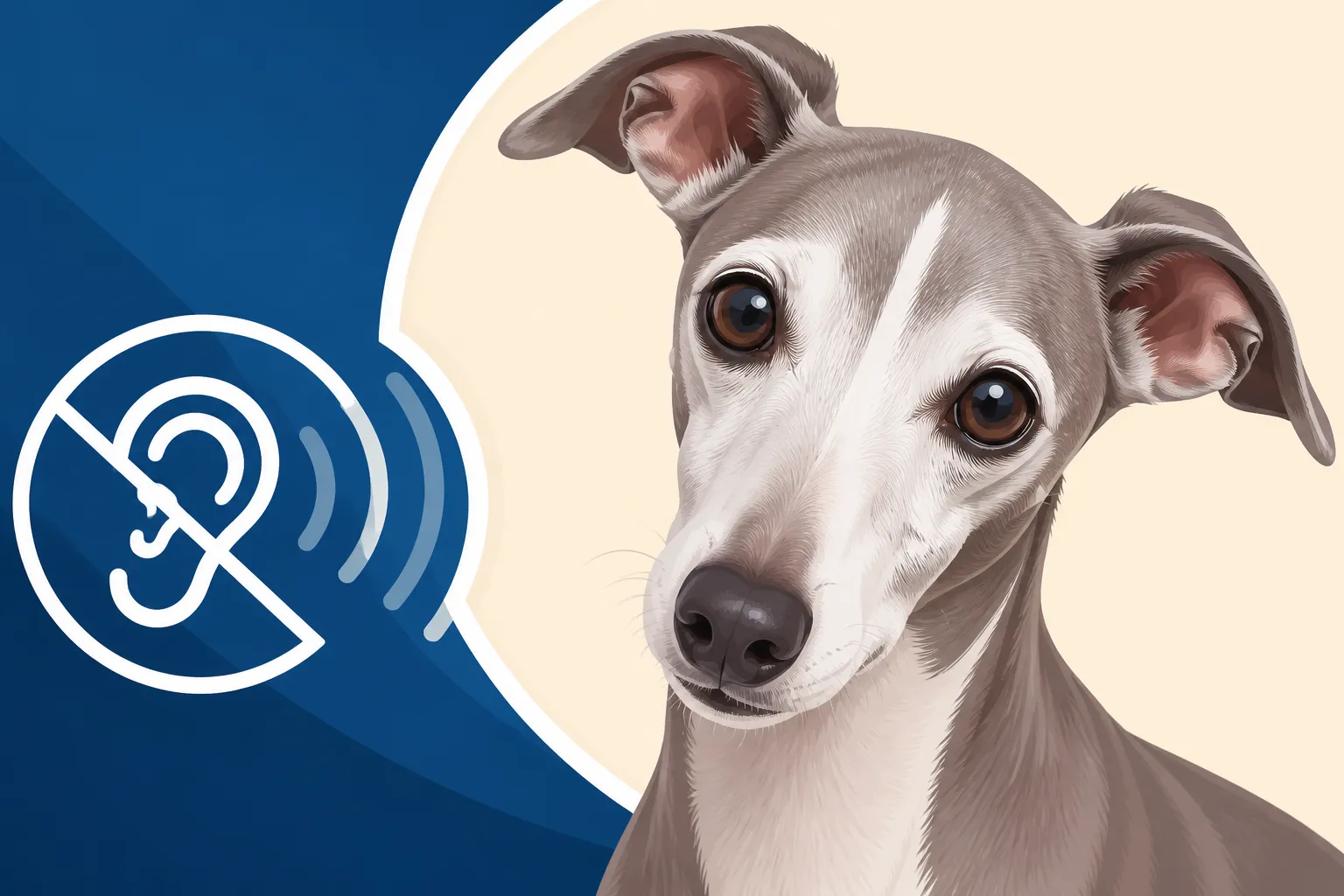
Deafness in an Old Italian Greyhound
It's heartbreaking to realize your beloved Italian Greyhound, who once greeted you with excited barks and head tilts, might not be hearing you anymore. Deafness in an old Italian Greyhound is a common, often gradual, challenge that can leave owners feeling helpless about how to keep their senior companion safe and connected. This guide will walk you through understanding why it happens, how to spot the signs, and practical ways to adapt your life and home to support your deaf senior IG, ensuring their golden years are still full of joy and security.
The Silent Shift: Understanding Age-Related Deafness in Italian Greyhounds
As our cherished Italian Greyhounds gracefully enter their senior years, changes inevitably come with age. Just like humans, one of the most common sensory changes they experience is a decline in hearing, leading to partial or complete deafness. This isn't usually a sudden event but a slow, creeping process that often goes unnoticed until it's quite advanced.
Presbycusis: The Most Common Culprit
The primary cause of hearing loss in older Italian Greyhounds is a condition called presbycusis, which is essentially age-related progressive nerve degeneration. It's a natural physiological process where the tiny hair cells within the inner ear, responsible for converting sound vibrations into electrical signals the brain can interpret, gradually wear out and die. Once these cells are gone, they don't regenerate. This means that presbycusis is typically irreversible and progressive. It’s not about earwax buildup or an infection; it's a structural change within the ear itself. While the exact age it starts can vary, most Italian Greyhounds will begin to show some degree of hearing loss in their later years, usually past the age of ten or eleven. For more on general age-related changes, you might find What Changes in an Italian Greyhound After Eleven insightful.
The subtle onset of presbycusis means that your Italian Greyhound might first lose the ability to hear high-frequency sounds, which often include your voice commands or the jingle of keys. Over time, the range of sounds they can no longer perceive will expand, until even loud noises become muted or completely silent. This gradual decline can make it hard for owners to pinpoint exactly when it started, leading to frustration when their dog doesn't respond as expected. It's important to remember this isn't defiance; it's a true inability to hear.
Other Potential Contributors to Hearing Loss
While presbycusis is by far the most frequent cause, it's not the only reason an old Italian Greyhound might lose their hearing. It's always a good idea to have your veterinarian rule out other potential, sometimes treatable, issues.
One possibility is chronic ear infections that, if left untreated over many years, can cause structural damage to the eardrum or middle ear components. Italian Greyhounds, with their typically clean and open ear canals, are less prone to recurring ear infections compared to breeds with heavy, floppy ears, but it's not impossible, especially if they've had a history of them or if moisture gets trapped. Another concern can be tumors or polyps in the ear canal, which can obstruct sound waves or press on auditory nerves. While less common, these growths can also cause pain or balance issues alongside hearing loss.
Additionally, certain medications, known as ototoxic drugs, can sometimes lead to hearing damage, though this is usually more acute and less common as a cause of gradual senior deafness. Your vet will also want to check for any signs of hypothyroidism, which, while more commonly associated with skin and coat issues or lethargy, can sometimes affect nerve function, including those related to hearing. If you're managing other senior health concerns, having a reliable pet insurance provider like Healthy Paws can certainly help ease the financial burden of diagnostic tests and ongoing care.
Spotting the Subtle Signs: How to Recognize Hearing Loss in Your Senior IG
Recognizing that your Italian Greyhound is losing their hearing can be tricky, especially because they are masters at compensating. They rely more on their other keen senses, like smell and sight, and can be very tuned into vibrations. You might unknowingly be adapting your own behavior, leading to a delay in recognizing the issue. However, there are several key signs that, when observed together, can paint a clearer picture of hearing decline.
Behavioral Changes That Signal Deafness
One of the most obvious indicators is a lack of response to sounds that previously elicited a reaction. Does your Italian Greyhound no longer perk up at the sound of the doorbell, the crinkle of a treat bag, or your voice calling their name? If they seem to sleep through noises that used to startle them, or don't come when called from another room, these are significant clues. You might also notice they seem startled more easily when approached from behind or woken up, simply because they didn't hear you coming. This can sometimes be misinterpreted as aggression or increased anxiety, when in reality, it's a natural reaction to being surprised.
They might also bark excessively, or bark at nothing at all. This can be their way of trying to get your attention or reacting to things they see but can't quite place the sound for. Conversely, some deaf Italian Greyhounds become quieter, as they can't hear their own barks, or they might seem to "zone out" more frequently. They may also stop playing with noisy toys they once loved, or seem less engaged in their surroundings. This is a good time to consider a general check-up, as detailed in How Often an Italian Greyhound Needs a Wellness Exam, to ensure there are no other underlying health issues.
Physical and Environmental Clues
Beyond behavior, there are subtle physical and environmental clues. If your Italian Greyhound sleeps more soundly, almost too soundly, this could be a sign. They might also appear disoriented or confused at times, particularly if they are in a new environment or if their routine is disrupted, as they can no longer rely on auditory cues to orient themselves. You might also notice them tilting their head to one side more often, as if trying to catch a sound, or appearing to strain to listen.
Pay attention to how they interact with other pets or people. A deaf Italian Greyhound might miss social cues, like another dog's warning growl or a child's excited squeal, which can lead to misunderstandings or even minor conflicts. If you have other dogs, you might observe them trying to "herd" the deaf dog or getting frustrated when the deaf dog doesn't respond to their barks or play invitations.
Here’s a helpful table comparing typical behaviors of a hearing versus a deaf Italian Greyhound:
| Behavior / Scenario | Hearing Italian Greyhound | Deaf Italian Greyhound |
|---|---|---|
| Response to Name | Immediately turns head, comes when called. | Often no response, may look up if they see you or feel vibrations. |
| Doorbell/Knock | Barks, rushes to the door, or shows excitement. | May not react at all, or react only to strong vibrations. |
| Treat Bag Crinkle | Shows immediate interest, comes running. | No discernible reaction, unless they see the bag. |
| Waking Up | Awakens gently to voices, soft sounds, or touch. | Startles easily when touched, may jump up quickly. |
| Approaching from Behind | Aware of your presence by sound, doesn't startle. | Easily startled, may spin around defensively. |
| Outdoor Noises | Reacts to sirens, other dogs barking, or distant sounds. | Appears oblivious to most outdoor sounds. |
| Playing with Noisy Toys | Engages with squeaky toys, enjoys the sound. | Less interested in noisy toys, prefers visually stimulating ones. |
| Barking Volume | Modulates bark volume, barks to communicate. | May bark louder, more indiscriminately, or less often. |
| General Awareness | Aware of surroundings through sight and sound. | Highly reliant on sight and smell, may seem "zoned out." |
Remember, these are general observations. If you suspect hearing loss, a veterinary examination is crucial to rule out treatable conditions and confirm a diagnosis. Pet insurance from providers like Healthy Paws can be incredibly valuable in covering these diagnostic visits, especially for senior pets.
Navigating a Quieter World: Adapting Your Home and Communication for a Deaf Italian Greyhound
When your Italian Greyhound's hearing starts to fade, it’s a big adjustment for everyone, but it’s entirely possible to create a safe, happy, and fulfilling life for them. The key is to be patient, consistent, and proactive in adapting your environment and communication methods.
Mastering New Communication Techniques
Verbal commands, once the cornerstone of your communication, will become ineffective. This means transitioning to visual cues and tactile signals. Hand signals are incredibly effective and can be taught for common commands like "sit," "stay," "come," and "potty." Start by pairing a hand signal with a treat or a desired action. For example, when your IG sits, use the "sit" hand signal and immediately reward them. Repetition and positive reinforcement are your best friends here. Many deaf dog owners also use a vibrating collar (not a shock collar!) as a "tap on the shoulder" cue. This collar simply vibrates, signaling your dog to look at you for further instruction, and should always be followed by a hand signal and a reward.
For getting their attention when they're not looking at you, a gentle foot stomp on a hard floor can create vibrations, or a quick flash of a flashlight (never directly in their eyes) can work in low light. Remember, consistency is vital. Everyone in the household needs to use the same signals so as not to confuse your dog.
It's also important to maintain physical contact and affection. Deaf Italian Greyhounds often become even more attuned to touch and can find immense comfort in it. Lots of petting, cuddling, and gentle massages can strengthen your bond and provide reassurance. Your touch becomes a language in itself. For more on the emotional aspects, consider reading Caring for an Italian Greyhound Past Eleven.
Safety First: Adjusting Your Home Environment
A deaf Italian Greyhound can be more vulnerable to certain dangers, both inside and outside the home. Their inability to hear approaching threats or warnings means you need to be their ears.
Indoors, safety is largely about preventing startling moments. Always approach your sleeping Italian Greyhound gently, perhaps by stomping lightly on the floor to create vibrations or touching them softly on the shoulder or back to wake them. Avoid startling them from a deep sleep, as this can lead to fear-biting or unnecessary anxiety. Make sure they have a designated, quiet, and comfortable sleeping spot where they won't be easily tripped over or disturbed. The Bedding a Thin Skinned Italian Greyhound Actually Needs might offer some good ideas for comfortable options. Consider adding baby gates to stairs to prevent accidental falls, especially if they are also experiencing Night Confusion in an Old Italian Greyhound.
Outdoors, the rules change significantly. A deaf Italian Greyhound should never be off-leash in an unfenced area. Their prey drive, combined with an inability to hear traffic or calls, makes it far too dangerous. A securely fenced yard is essential, and even then, always supervise them. When on walks, a well-fitting harness (rather than a collar that can slip) and a leash are non-negotiable. Look for busy patterns or bright colors on their harness or a bandana that says "Deaf Dog" to alert others. A GPS tracker can also add an extra layer of security in case they ever slip out.
Ensuring Safety and Comfort: Lifestyle Adjustments for a Senior IG with Hearing Loss
Living with a deaf Italian Greyhound requires a bit more intentionality, but it can be incredibly rewarding. Their world becomes more focused on sight, smell, and touch, and by understanding this, you can enrich their lives.
Enriching Their Sensory World
Since their auditory world has diminished, focus on enhancing their other senses. Provide plenty of visually stimulating toys, like puzzle toys that dispense treats, or brightly colored balls. Scent work, even simple games of "find the treat" hidden around the house, can be incredibly engaging for an Italian Greyhound, tapping into their natural hound instincts. Long, sniffy walks on a secure leash in safe environments allow them to explore the world through their nose, providing mental and physical stimulation. Remember that How an Italian Greyhound Hides Pain is a common trait, so observe them closely for any changes in gait or activity during these walks.
Routine becomes even more important for a deaf Italian Greyhound. Predictable meal times, walk times, and cuddle sessions help them feel secure and understand what to expect from their day. Changes can be more unsettling without the comfort of familiar sounds. Introducing new people or environments should be done slowly and calmly, allowing them to acclimate visually and through scent.
Managing Health and Well-being
Deafness itself isn't painful, but it's often a sign of general aging. Regular veterinary check-ups are more crucial than ever for senior Italian Greyhounds. Your vet can monitor their overall health, address any co-existing conditions, and provide advice on nutrition and exercise appropriate for a senior dog. It's also vital to ensure their eyes are healthy, as they rely on them so much more now. Problems like Progressive Retinal Atrophy in an Italian Greyhound or Cataracts in an Italian Greyhound could compound the challenges of deafness.
Discussing pet insurance for senior dogs with your vet can also be beneficial. Many owners find policies, such as those offered by Healthy Paws, helpful in managing the costs associated with ongoing senior care, including diagnostics or treatments for conditions that might arise alongside hearing loss. Knowing you have support can allow you to make decisions based on what’s best for your beloved Italian Greyhound, rather than solely on cost. For broader financial planning for their later years, consider reading What an Old Italian Greyhound Costs a Year.
Finally, remember that patience and empathy are paramount. Your Italian Greyhound isn't being stubborn; they simply can't hear you. A little extra understanding, combined with proactive adjustments to your routine and environment, will ensure your deaf senior Italian Greyhound continues to thrive, feeling loved, secure, and cherished in their quieter world.
Disclaimer
This article is for general informational purposes only and does not constitute professional advice. Laws, prices and regulations vary by location and change over time. Consult a qualified professional for guidance on your specific situation.