What an Old Italian Greyhound Costs a Year
It’s a bittersweet truth that as our beloved Italian Greyhounds age, while our hearts swell with all the memories and unconditional love they’ve given us, our wallets often feel a different kind of squeeze. The reality is that the yearly costs associated with owning a senior Italian Greyhound often increase significantly, reflecting their evolving needs for comfort, specialized care, and more frequent veterinary attention. This guide is here to walk you through the various expenses you can anticipate, helping you prepare for the financial commitment of caring for your cherished older IG.
The Escalating Vet Bills for Senior Iggies
One of the most noticeable shifts in annual expenses for an old Italian Greyhound comes in the form of veterinary care. While a young, healthy Iggy might only need an annual check-up, senior Iggies often require a more proactive and frequent approach to their health. This isn't about unnecessary tests; it's about staying ahead of common age-related conditions and ensuring their comfort and quality of life.
Routine Care Becomes More Frequent
As Italian Greyhounds enter their golden years, typically around ages eight to ten, their bodies begin to show the natural signs of aging. Just like people, they become more susceptible to certain health issues, and early detection is key to managing these conditions effectively. This often translates to more frequent vet visits. Instead of a single yearly wellness exam, your senior Iggy might benefit from bi-annual check-ups. These appointments allow your veterinarian to catch subtle changes that could indicate the onset of conditions like arthritis, dental disease, or declining organ function.
During these visits, it's common for your vet to recommend senior blood panels, urinalysis, and potentially blood pressure checks or even imaging like X-rays if they suspect issues with joints or internal organs. For instance, a persistent cough could point to heart changes, necessitating a cardiac workup. Similarly, a slight increase in thirst might warrant a comprehensive blood and urine test to check for kidney or liver issues that wouldn't necessarily be present in a younger dog. Proactive care, while seemingly more expensive upfront, can often prevent larger, more costly emergencies down the road by addressing problems when they are still manageable. For more on preventative checkups, you might find How Often an Italian Greyhound Needs a Wellness Exam helpful.
Managing Chronic Conditions and Medications
It's a rare Italian Greyhound that sails through its senior years without developing at least one chronic condition. Arthritis is incredibly common, manifesting as stiffness, reluctance to jump, or a slower pace on walks. Heart murmurs, which can progress to more significant cardiac disease, also tend to appear with age. Kidney disease, thyroid issues, and even some forms of cognitive dysfunction are other possibilities. Managing these conditions is not a one-time fix; it requires ongoing care and, most often, daily medication.
The cost of these medications can quickly add up. You might be looking at daily pain relievers for arthritis, cardiac medications to support a weakening heart, or thyroid supplements if your Iggy develops hypothyroidism. Each of these prescriptions becomes a recurring monthly expense. Beyond the pills, monitoring these chronic conditions often requires follow-up vet visits, sometimes every few months, to recheck blood levels, adjust dosages, or simply assess how your dog is responding to treatment. For example, a dog with The Heart Murmur an Old Italian Greyhound Develops might need regular echocardiograms, while one with Kidney Disease in an Old Italian Greyhound will need frequent bloodwork. These aren't just one-off costs; they are a continuous part of managing senior health. Having pet insurance, especially if you enroll when your Iggy is younger and healthy, can be a lifesaver for these ongoing chronic conditions. Companies like Healthy Paws can help cushion the blow of these escalating medical expenses, though it’s crucial to understand their coverage limits and any pre-existing condition clauses.
Dietary and Comfort Adjustments: More Than Just Food
As Italian Greyhounds age, their nutritional needs shift, and their physical comfort becomes paramount. What worked for them as a spry youngster might not be appropriate or sufficient for their older bodies, leading to necessary adjustments in diet and living arrangements.
Special Diets and Supplements
An old Italian Greyhound's metabolism slows down, and they might become less active, meaning their caloric needs can decrease. Conversely, some older Iggies, especially those with dental problems or certain diseases, might struggle to maintain weight. This often necessitates a switch to senior-specific food formulas, which are typically lower in calories but richer in beneficial nutrients like antioxidants and joint support. For Iggies with specific health issues, a prescription diet might be recommended by your vet—foods formulated to support kidney function, manage weight, or aid in joint health. These specialized diets often come at a higher price point than standard adult kibble.
Beyond food, many senior Iggies benefit greatly from supplements. Glucosamine and chondroitin are popular choices for joint support, while omega-3 fatty acids can help with inflammation, skin health, and cognitive function. Some owners also explore supplements aimed at cognitive health to support their dog's brain as they age. Services like Ollie, which provide fresh, human-grade dog food, can be particularly appealing for senior Italian Greyhounds who become pickier eaters or need easily digestible meals. Their customized plans can often cater to specific dietary needs that arise with age. Finding Softer Food for an Old Italian Greyhound can make a huge difference in their appetite and comfort.
Investing in Senior Comfort
An Italian Greyhound's thin skin and delicate bone structure make comfort a significant consideration throughout their life, but it becomes even more critical in their senior years. Arthritis can make lying on hard surfaces painful, and their minimal body fat means they get cold easily. Investing in orthopedic beds becomes essential to support aging joints and prevent pressure sores. Memory foam beds or even heated beds can offer immense relief and warmth. These aren't necessarily one-time purchases; beds wear out, and you might need to replace them or add more throughout the house as your Iggy's mobility changes.
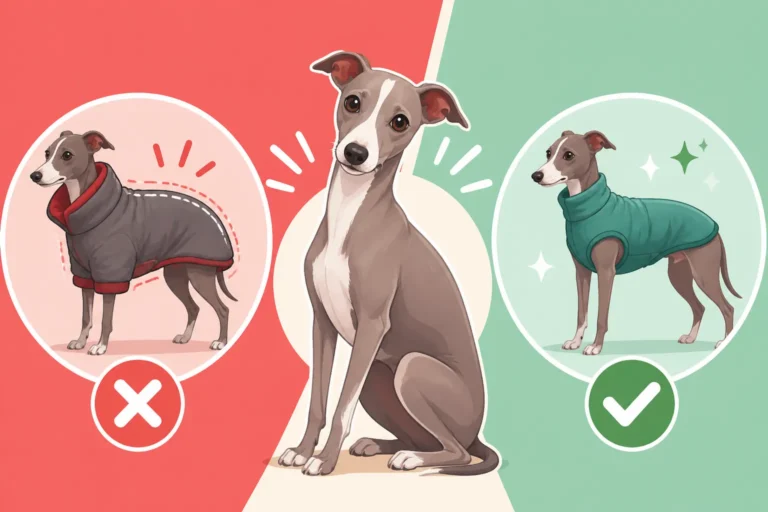
Ramps and steps become indispensable to protect their fragile legs from the strain of jumping on and off furniture. A senior Iggy with compromised vision or balance is at even higher risk of injury from a simple leap. You might find yourself placing ramps at the sofa, the bed, and even outdoor steps. Moreover, due to their low body fat and thin coats, older Italian Greyhounds feel the cold much more acutely. This means a larger wardrobe of sweaters, coats, and even pajamas, both indoors and out, becomes a year-round necessity, not just a winter luxury. You'll likely also consider things like non-slip rugs on hard floors to prevent falls. Online retailers such as Chewy are excellent resources for finding a wide range of senior care products, from orthopedic beds and ramps to specialized food and winter wear. It’s worth exploring The Bedding a Thin Skinned Italian Greyhound Actually Needs and Why an Old Italian Greyhound Feels the Cold More to understand these needs better. For managing mobility, consider Whether an Old Italian Greyhound Needs Steps Everywhere.
The Unseen Costs and Preparing for the Future
Beyond the tangible expenses of vet visits and special products, owning a senior Italian Greyhound incurs other, less obvious costs – namely, your time, emotional energy, and the financial preparations for their final chapter. These are often the "costs" that nobody explicitly warns you about, but they are profoundly real.
Increased Time and Emotional Investment
Caring for an old Italian Greyhound demands a significant increase in your time and emotional bandwidth. Vet visits become more frequent, often requiring you to take time off work or rearrange your schedule. Administering daily medications, preparing special meals, assisting with mobility challenges, and more frequent potty breaks (as their bladder control may lessen) all add up. You might spend more time helping them navigate stairs, lifting them onto the sofa, or simply providing gentle comfort as they experience stiffness or discomfort. This isn't a burden, of course, because we adore our Iggies, but it's a very real commitment that impacts your daily life and can sometimes feel overwhelming.
The emotional investment is perhaps the greatest "cost." Watching your vibrant, active Iggy slow down, struggle with tasks they once did effortlessly, or experience pain, can be heartbreaking. You might spend more time simply sitting with them, offering comfort, or trying to understand what they need. This deep emotional connection, while beautiful, carries its own weight. It's the silent price of unconditional love, and it's something every owner of a senior dog understands. This intensified bond and the increased demands on your time become central to Caring for an Italian Greyhound Past Eleven. It’s also important to consider Whether an Old Italian Greyhound Costs More After Ten as they truly require more attention and specialized care.
End-of-Life Planning and Considerations
While it’s a topic no pet owner wants to dwell on, planning for the end of your Italian Greyhound's life is a crucial part of responsible senior dog ownership, and it comes with its own set of costs. Quality-of-life assessments with your veterinarian become more frequent, helping you determine when your beloved companion's suffering outweighs their joy. This might involve difficult conversations about palliative care—managing pain and discomfort without curing the underlying disease—which can itself involve medications and specialized therapies.
When the time comes to make the ultimate decision, the costs associated with euthanasia and cremation or burial need to be considered. These vary widely based on your location and chosen services (e.g., in-home euthanasia versus at the clinic, private cremation with ashes returned versus communal cremation). While these are typically one-time expenses, they are an important part of the final yearly budget for an old Italian Greyhound. Many owners find peace in knowing they can provide a dignified and peaceful farewell, and having an emergency fund that accounts for What an Emergency Fund for an Italian Greyhound Should Hold can alleviate financial stress during an emotionally devastating time. Knowing What an Italian Greyhound's Final Year Costs can help in preparing for all eventualities.
Here’s a general overview of how annual costs can shift from a young adult Iggy to a senior one:
| Category | Young Adult Italian Greyhound (Approx. 2-7 years) | Senior Italian Greyhound (Approx. 8+ years) |
|---|---|---|
| Routine Vet Care | Annual wellness exam, vaccinations, flea/heartworm meds. | Bi-annual wellness exams, senior blood panels, increased diagnostics, specialized vet visits. |
| Medications | Primarily preventative (flea/heartworm). | Daily medications for chronic conditions (arthritis, cardiac, thyroid), pain management. |
| Food & Supplements | Standard adult kibble/food. | Senior-specific or prescription diets, joint supplements, cognitive aids, omega-3s. |
| Comfort & Equipment | Standard bed, basic sweaters. | Orthopedic/heated beds, ramps/steps, extensive cold-weather wardrobe, non-slip flooring. |
| Grooming | Basic nail trims, occasional baths. | Similar, but may require sedation for nails if arthritic, increased focus on skin health. |
| Emergency Fund | For unexpected accidents/illnesses. | For acute flare-ups of chronic conditions, advanced diagnostics, end-of-life care. |
| Time & Emotional Labor | Regular walks, playtime, basic training. | Daily medication administration, assistance with mobility, more frequent potty breaks, emotional support. |
Caring for an old Italian Greyhound is a profound privilege, and while the financial commitment does increase, the joy and companionship they continue to offer are immeasurable. Being prepared for these evolving costs allows you to focus on what truly matters: cherishing every moment with your loyal companion.
Disclaimer
This article is for general informational purposes only and does not constitute professional advice. Laws, prices and regulations vary by location and change over time. Consult a qualified professional for guidance on your specific situation.