Why Off the Rack Coats Do Not Fit an Italian Greyhound
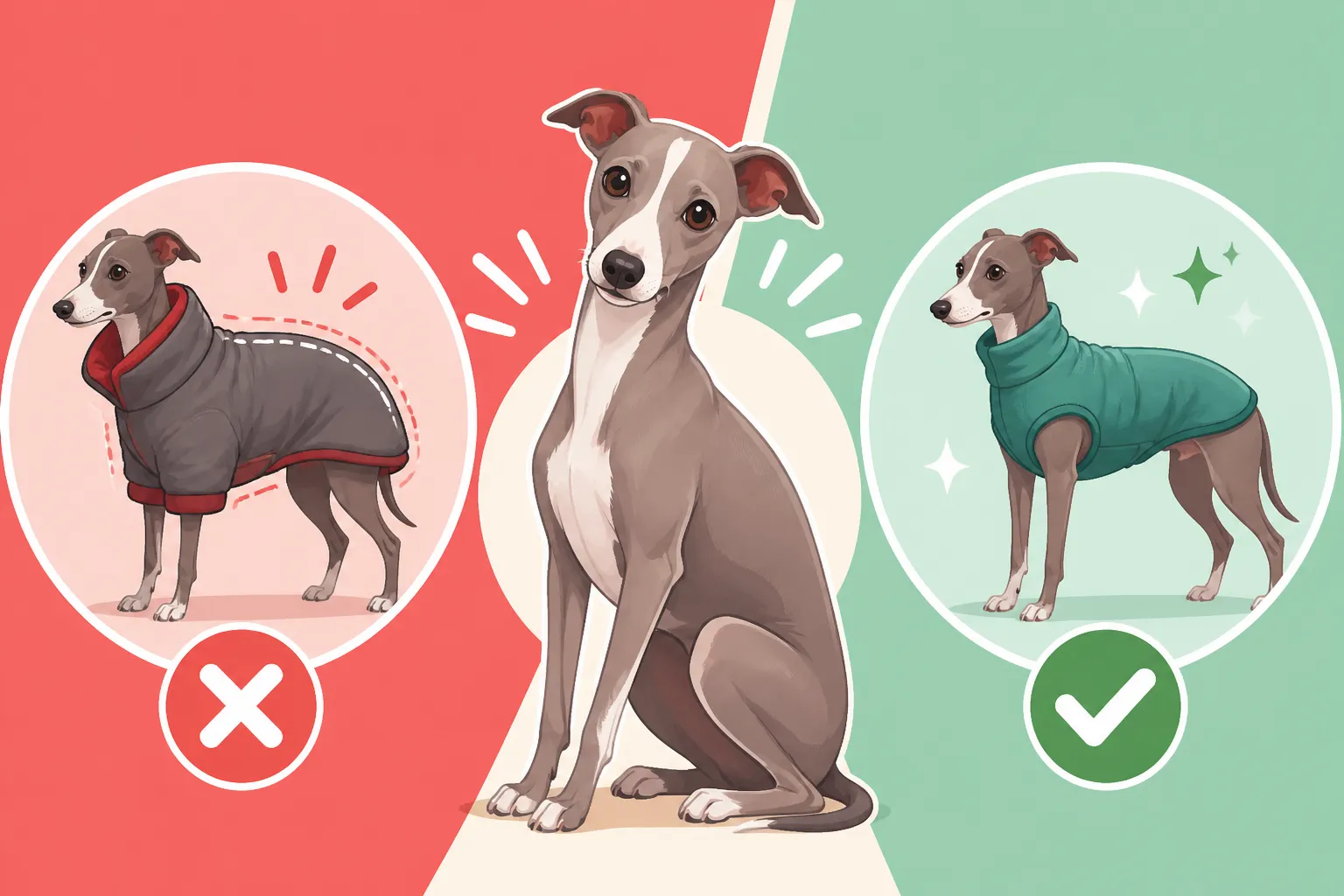
It’s a common scenario that Italian Greyhound owners know all too well: you’re browsing the pet store aisle, excited to find a cute new sweater or a practical raincoat for your beloved companion, only to realize that nothing on the rack seems to fit quite right. The frustration is real when you pull a standard dog coat onto your Italian Greyhound, and it either gaps around their impossibly deep chest, sags in the belly, or leaves their elegant, long neck completely exposed. This guide is here to explain exactly why "off-the-rack" coats just don't cut it for our slender, deep-chested friends and what you need to look for to keep them comfortable, warm, and stylish.
The Unmistakable Silhouette: Why an Italian Greyhound's Anatomy Challenges Standard Sizing
The Italian Greyhound isn't just a small dog; it's a sighthound, and that means its body shape is fundamentally different from most other breeds. These dogs were bred for speed and agility, resulting in a unique anatomical structure that simply doesn't align with the "average" dog measurements used by most pet clothing manufacturers. Trying to fit a standard coat on an Italian Greyhound is like trying to put a square peg in a round hole – it just won't work well.
The Deep, Broad Chest and Tapered Body
One of the most defining features of an Italian Greyhound is its incredibly deep chest, which houses powerful lungs built for sprinting. This chest is also surprisingly broad, especially when viewed from the front. However, immediately behind this impressive chest, their body tapers dramatically into a very narrow waist and abdomen. Standard dog coats are typically designed for breeds with more uniform body proportions, meaning the chest measurement often corresponds to a much larger waist.
When you try a generic coat, you'll find that if you buy a size that fits around the deepest part of your Italian Greyhound's chest, the coat often hangs loosely around their slender midsection. This creates significant gaps, especially underneath, allowing cold air to rush in and defeat the purpose of the coat. Conversely, if you choose a size that fits their narrow waist, it's almost guaranteed to be far too tight across their chest, restricting their movement and breathing. It's a lose-lose situation with most conventional designs because the pattern simply isn't drafted to accommodate such a drastic difference in girth from chest to flank.
The Elegant Arch and Delicate Bone Structure
Beyond the chest, an Italian Greyhound's back also presents a unique challenge. They possess a distinctive "roach back" – a graceful, upward curve over the loin – which then sweeps into an extreme tuck-up, meaning their belly slopes dramatically upwards towards their hind legs. This elegant arch is a hallmark of the sighthound breed type, but it plays havoc with straight-cut coats.
Many off-the-rack coats are designed with a relatively flat backline and a uniform belly drop. When an Italian Greyhound wears such a coat, the fabric often pulls taut over the highest point of their arch, or bunches up awkwardly. The belly panel, if it exists, will either hang far too low, potentially interfering with male dogs' urination, or be too short to provide adequate coverage for their tucked-up abdomen. Moreover, Italian Greyhounds have famously delicate bones, particularly in their legs. A coat that doesn't accommodate their movement or puts pressure on their frame isn't just uncomfortable; it can be dangerous if it restricts their gait or gets tangled during their playful bursts of speed, known as zoomies.
Long Neck, Tiny Head, and Sensitive Skin
The Italian Greyhound's head and neck also contribute to the fitting dilemma. They have exceptionally long, slender necks and small, refined heads. Most generic dog coats feature a wider neckline designed for breeds with shorter, thicker necks, or simply a larger head-to-neck ratio. On an Italian Greyhound, these necklines are far too loose, allowing cold air and precipitation to penetrate easily, especially in chilly weather. For a breed that shivers easily, this is a significant flaw, as Why an Italian Greyhound Gets Cold Under Sedation perfectly illustrates their sensitivity to temperature.
Furthermore, their fine, thin skin is incredibly delicate. Seams, rough edges, or ill-fitting closures on a poorly designed coat can cause chafing, irritation, or even small abrasions. They lack the thick undercoat or robust skin of many breeds, making them particularly vulnerable to discomfort from abrasive fabrics or ill-placed hardware. A coat for an Italian Greyhound needs to be smooth, soft, and meticulously designed to avoid any points of friction, especially around their armpits and neck.
The Frustrations of Generic Dog Clothing on an Italian Greyhound
So, what exactly happens when you try to force a typical dog coat onto an Italian Greyhound? It's not just a matter of aesthetics; it's a matter of functionality, comfort, and sometimes, even safety. Owners often spend money on coats from general pet retailers, only to find them completely impractical.
Gaps, Slippage, and Tripping Hazards
The most common issue is the gaping chest and loose belly. A coat that is technically long enough for their back will likely have a chest and belly panel so wide that it simply hangs off them like a sack. This creates enormous open spaces for drafts, defeating the entire purpose of wearing a coat for warmth. For male Iggies, a low-slung belly panel can interfere with urination, leading to soiled clothing or an uncomfortable dog. On the flip side, if you try a smaller size for a snugger fit around the chest, the back length will inevitably be too short, leaving their hindquarters exposed.
Beyond warmth, a poorly fitting coat can pose a safety risk. Loose fabric around the legs can get tangled during play or even a brisk walk, causing your Italian Greyhound to trip or get a leg caught. Imagine trying to run with fabric flapping around your ankles – it's both annoying and dangerous. The Jump Off the Sofa That Breaks an Italian Greyhound's Leg highlights their inherent fragility, and even a minor tumble due to ill-fitting clothing could lead to a serious injury. Furthermore, a wide neckline means the entire coat can easily twist or even slip off, especially if your dog is doing their characteristic bursts of speed.
Inadequate Warmth and Protection
Italian Greyhounds, with their single, fine coat and minimal body fat (often around Why an Italian Greyhound Carries Almost No Body Fat), are extremely susceptible to cold. They are not built for harsh weather, and even a mild chill can send them shivering indoors. The whole point of a coat for an Italian Greyhound is to provide vital insulation and protection from the elements.
When a coat has large gaps around the chest, neck, or belly, it simply cannot do its job effectively. Cold air penetrates, body heat escapes, and your dog is still cold. Raincoats meant to keep them dry often fail to do so because water can easily seep through the open areas. A coat that isn't snug but flexible simply won't keep them adequately warm or dry. This means you might find yourself needing How Many Coats an Italian Greyhound Needs for different weather conditions, and each one must fit perfectly to be truly useful. This is why Keeping an Italian Greyhound Warm Is Daily Work, Not a Winter Job is such crucial advice for Italian Greyhound owners.
Discomfort and Restricted Movement
While an Italian Greyhound looks delicate, they are surprisingly athletic and love to run and play. A poorly fitting coat can severely restrict their natural movement. If it's too tight across the shoulders or chest, it can impede their gait, making them uncomfortable and less likely to want to wear it. Fabric that rubs or bunches under the armpits can cause painful chafing, especially during prolonged wear or activity.
Their distinctive high-stepping trot, a hallmark of the breed, can be hampered by restrictive leg openings or a coat that doesn't allow for full range of motion in their front limbs. When a dog is uncomfortable in their clothing, they will often try to chew it off, rub against furniture to remove it, or simply refuse to move. This defeats the purpose of providing them with warmth and protection. A coat should feel like a second skin, allowing them to move freely and gracefully, not like a cumbersome burden.
Decoding the Ideal Fit: Essential Features for Italian Greyhound Coats
Finding the right coat for your Italian Greyhound means understanding their specific needs and looking for designs that cater to their unique build. It's less about finding a "small" size and more about finding a "sighthound" size. This shift in perspective will save you a lot of frustration and ensure your dog stays happy and healthy.
Measurements That Truly Matter for an IG
When shopping for an Italian Greyhound coat, you need to go beyond just "small," "medium," or "large." The key is to take accurate measurements and understand what each measurement signifies for an IG's fit. You'll want to measure:
- Chest Girth: This is the most critical measurement. Wrap a soft tape measure around the deepest part of their chest, just behind their front legs. This should be snug but not tight.
- Back Length: Measure from the base of their neck (where their collar sits) all the way to the base of their tail. Remember that elegant arch! You want a coat that follows this curve and provides full coverage.
- Neck Circumference: Measure around the widest part of their neck. This helps ensure the collar is snug enough to keep warmth in but not restrictive.
You'll quickly find that Italian Greyhounds often have a chest girth that corresponds to a "medium" or "large" in generic sizing, but a back length that is "small," and a neck circumference that is "extra-small." This mismatch is precisely why standard sizing fails. When you're ready to measure, consult guides like Which Measurements an Italian Greyhound Coat Needs to ensure accuracy.
Design Elements for a Perfect Sighthound Silhouette
A well-designed Italian Greyhound coat incorporates specific features to accommodate their unique shape:
- Deep Chest Panel & High-Cut Belly: Look for coats with a deep chest panel that comes up high between their front legs and then tapers sharply to a high-cut belly. This provides maximum warmth to their vital organs while ensuring male dogs can relieve themselves without soiling the garment.
- Contoured Back: The back of the coat should be cut to follow the natural curve of their roach back, rather than lying flat. This prevents bunching and ensures the coat lies smoothly and comfortably.
- Extended Neck/Snood: Many effective Italian Greyhound coats feature a built-in snood or an extra-long neck portion. This can be pulled up over their ears for added warmth in biting winds, providing crucial protection for their long, slender necks.
- Adjustable Straps & Closures: Velcro or buckle closures around the belly and chest that offer adjustability are vital for fine-tuning the fit. This allows you to cinch the coat snugly around their narrow waist while still accommodating their deep chest.
- Material Choices: For warmth, consider fleece, wool, or insulated softshell fabrics. For rain, look for waterproof or water-resistant outer layers. For delicate skin, always prioritize soft, breathable linings.
More Than Just Fashion: The Health and Comfort Benefits
Investing in a properly fitting coat for your Italian Greyhound isn't just about making them look adorable (though they certainly will!). It's a fundamental part of responsible Italian Greyhound ownership and directly impacts their health and well-being. A well-fitting coat ensures your dog stays genuinely warm, preventing chills, hypothermia, and potential cold-related illnesses. Given their thin skin and low body fat, even a short stroll on a brisk day can be uncomfortable or even hazardous without proper protection.
It also protects their delicate skin from scrapes, minor injuries, and the elements. A coat acts as a barrier, preventing incidental bumps or brushes against rough surfaces from causing skin tears. When a coat fits correctly, it allows for complete freedom of movement, meaning your Italian Greyhound can enjoy their walks, play fetch, and perform their famous indoor zoomies without feeling restricted or uncomfortable. This leads to a happier, healthier, and more active dog, especially when considering When an Italian Greyhound Needs a Sweater Indoors.
Navigating the Market: Where to Find Italian Greyhound-Specific Apparel
Once you understand why off-the-rack doesn't work, the next step is to figure out where to find clothing that does. It can feel like a quest, but thankfully, a dedicated community of sighthound lovers has made this much easier.
Specialized Sighthound Retailers
The best place to start your search is with retailers and crafters who specialize in sighthound apparel. These businesses understand the unique anatomical needs of Italian Greyhounds, Whippets, and Greyhounds, and they design their patterns accordingly. You'll find coats, sweaters, and pajamas specifically cut with deep chests, high bellies, and contoured backs. These are the places that truly get it.
Many of these specialized brands operate online, often run by fellow sighthound owners who have experienced the same frustrations you have. They'll usually provide detailed sizing charts that go beyond just S/M/L, asking for specific measurements like chest, back, and neck to ensure a custom-like fit. This is where you'll find the quality and fit that makes a real difference. For example, while general pet supply sites like Chewy offer a vast array of dog clothing, Italian Greyhound owners quickly discover that standard sizing rarely works, necessitating a search for these more specialized vendors.
Adapting Generic Options: When and How
While specialized retailers are your best bet, sometimes you might find a nearly-perfect generic coat that just needs a little tweak. This is usually only advisable for minor adjustments. If a coat is just a little too long, you might be able to hem it. If the neck is slightly too wide, a few stitches could gather it in. However, attempting to alter a coat to completely overhaul its shape – like trying to create a deep chest or a contoured back where none exists – is usually an exercise in futility.
It's important to be realistic about what can be salvaged. If a coat requires extensive modifications, the time and effort, or the cost of professional alterations, often outweigh the savings of buying a cheaper, generic item. Remember that a "deal" on an ill-fitting coat is no deal at all if your Italian Greyhound won't wear it, or if it doesn't provide the necessary warmth and protection. It's far better to invest wisely upfront in a coat designed for their body type.
Investing in Quality: A Long-Term View
It's true that Italian Greyhound-specific clothing often comes with a higher price tag than what you might find at a big-box pet store. However, consider this an investment. A well-made, properly fitting coat will last longer, provide superior comfort and protection, and ultimately save you money in the long run by not having to constantly replace ill-fitting, ineffective garments. Think of What a Fitted Italian Greyhound Sweater Costs as a price for true functionality and comfort.
High-quality materials and construction mean the coat will withstand more wear and tear, more washes, and more zoomies. It will retain its shape and insulating properties, genuinely keeping your Italian Greyhound warm season after season. Furthermore, a comfortable dog is a happy dog, and that peace of mind is priceless. You'll spend less time wrestling with an uncomfortable dog, and more time enjoying walks and adventures together, knowing they're perfectly protected against the elements. It’s an investment in their comfort and health that truly pays off over the lifespan of your cherished Italian Greyhound.
| Feature | Generic Dog Coat | Italian Greyhound Specific Coat |
|---|---|---|
| Chest Area | Often too loose, gapping, boxy | Snug on deep chest, tapers sharply to narrow waist |
| Back Length | Either too short, exposing rump, or too long, dragging | Contoured to arched back (roach back), covers to tail base |
| Neckline | Wide, low, allows cold air in, can slip | High, snug, often a snood-style for maximum warmth |
| Belly Coverage | Often low-cut, especially for males, or hangs loose | High-cut, covers chest and abdomen without restriction, specific for male/female |
| Leg Openings | Generous, can lead to legs slipping out, chafing | Proportionate, designed for slender legs and high-stepping gait, non-restrictive |
| Overall Shape | Boxy or barrel-chested design | Streamlined, follows sighthound's elegant curves, second-skin fit |
Disclaimer
This article is for general informational purposes only and does not constitute professional advice. Laws, prices and regulations vary by location and change over time. Consult a qualified professional for guidance on your specific situation.