Why an Italian Greyhound’s Lifespan Raises Its Lifetime Cost
It’s a common dream, isn't it? Bringing home that tiny, delicate Italian Greyhound puppy, full of boundless energy and affectionate wiggles. You imagine years of cuddles on the sofa, zoomies in the yard, and a loyal companion through thick and thin. What many new (and even seasoned) owners don't fully grasp, however, is that the Italian Greyhound's wonderfully long lifespan, while a blessing, significantly impacts the financial commitment you're signing up for. This guide will help you understand why an Italian Greyhound's longevity directly translates to a higher lifetime cost and how to realistically prepare for it.
The Lifespan Advantage and Its Cost Implication
Italian Greyhounds are truly special dogs, known for their elegance, athleticism, and surprisingly robust health compared to many other purebreds. This often means they'll be by your side for a significant portion of your own life, bringing immense joy but also extending the financial responsibilities far beyond what many initially anticipate.
Italian Greyhounds Live Longer Than Many Breeds
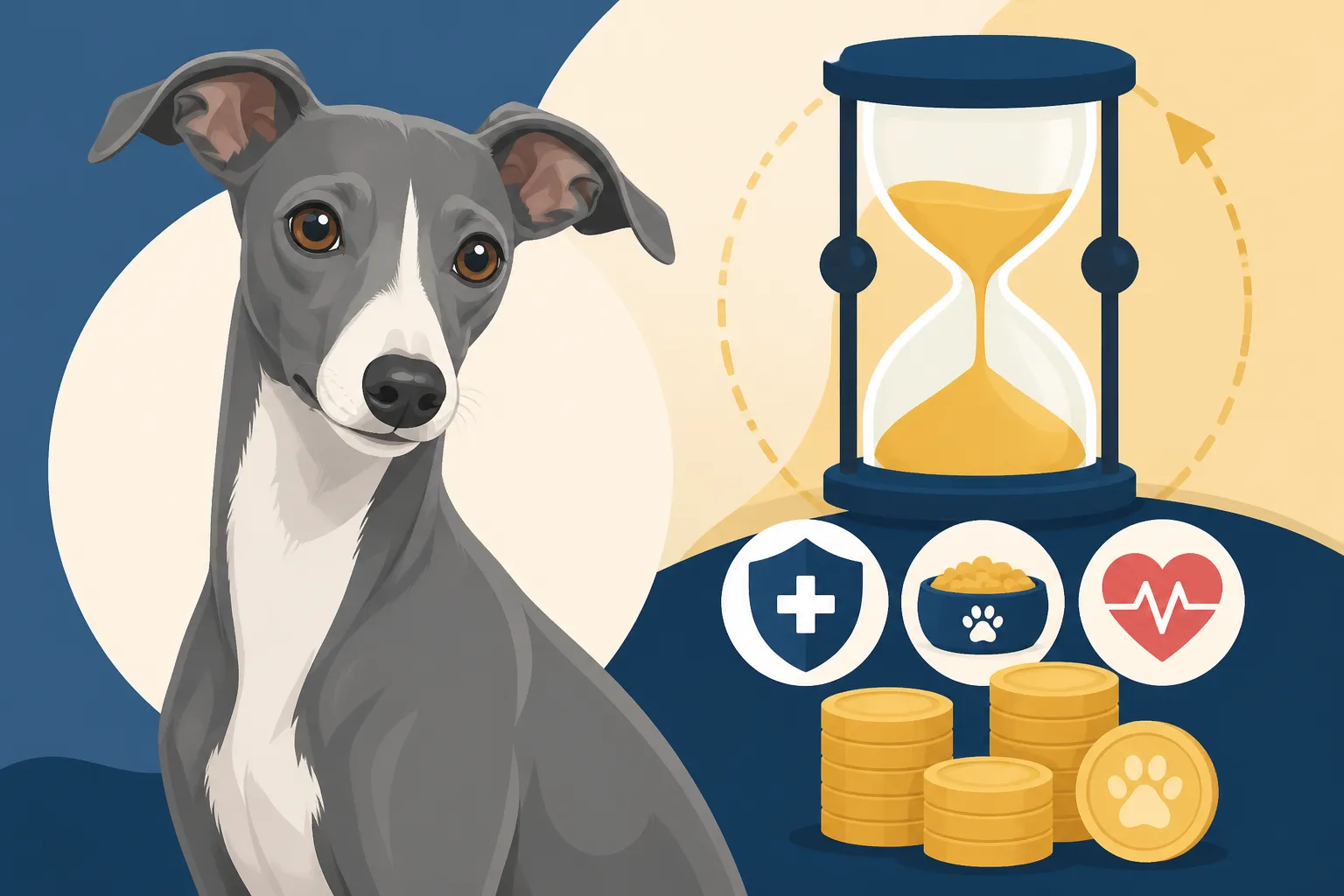
When you're researching breeds, you often see average lifespans listed. For an Italian Greyhound, that number is quite impressive – typically Why an Italian Greyhound Lives Fourteen to Fifteen Years. That's often a good three to five years longer than many medium to large breeds, and even a couple of years more than some other small dogs. While this is fantastic news for anyone who cherishes their canine companion, it means you need to think about ongoing costs not just for a decade, but potentially for fifteen years or more. Imagine having a car payment for an extra five years; it changes your financial outlook considerably, right? The same principle applies to dog ownership. You get more time, but you also incur more years of expenses.
The Cumulative Effect of Annual Expenses
Every single recurring cost you have for your Italian Greyhound – from their food to their annual vet check-ups, flea and heartworm prevention, and even replacing worn-out sweaters – compounds over these extra years. It’s easy to budget for a year or two, but when you multiply those expenses by 14 or 15, the numbers begin to paint a very different picture. What might seem like a small monthly cost suddenly becomes a substantial sum over a dog's full life. For example, if you spend an average of $100 per month on food and basic supplies, over 15 years, that's $18,000 just on those essentials. This doesn't even begin to cover vet bills, emergencies, or grooming. It's truly eye-opening when you consider the total What an Italian Greyhound Costs Over Fifteen Years.
Extended Healthcare Needs Over a Longer Life
One of the biggest areas where an extended lifespan impacts cost is veterinary care. Just like humans, older dogs tend to require more medical attention, even if they've been perfectly healthy their entire lives.
Routine Veterinary Care Adds Up Over Years
Even if your Italian Greyhound never has a major health crisis, those routine visits are still happening year after year. Annual wellness exams, booster vaccinations (if your vet recommends them for senior dogs), and regular parasite prevention are non-negotiable for keeping your dog healthy. Over fourteen or fifteen years, these yearly appointments become a significant part of the overall cost. For breeds with a shorter lifespan, you might only budget for eight to ten years of these routine costs, but with an Italian Greyhound, you're looking at almost double that.
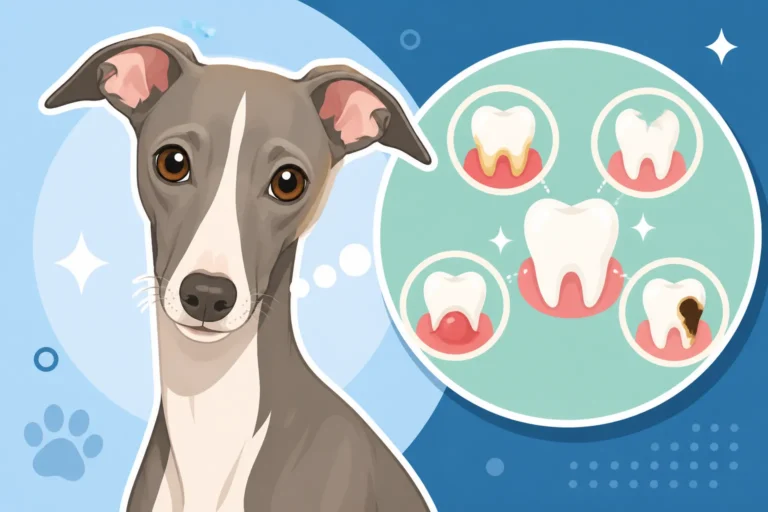
Perhaps the most significant ongoing health cost for an Italian Greyhound is dental care. These elegant little dogs are notoriously prone to dental issues due to their small mouths and crowded teeth. It's not uncommon for them to need How Often an Italian Greyhound Needs a Dental Cleaning, sometimes even every year, as they age. Each professional dental cleaning requires anesthesia and can involve extractions, significantly increasing the bill. Over many years, this can truly add up. Periodontal Disease Is the Italian Greyhound's Most Common Diagnosis is not just a concern for comfort, but a huge financial consideration.
Age-Related Conditions and Their Management
As Italian Greyhounds enter their senior years, typically around age eleven or twelve, they become more susceptible to age-related conditions. These aren't necessarily life-threatening emergencies but rather chronic issues that require ongoing management, medication, and specialized care. Think about common ailments in older dogs like arthritis, declining vision or hearing, or even early signs of kidney or heart disease. Caring for an Italian Greyhound Past Eleven often means regular blood work, specialized diets, joint supplements, or medications for pain management.
For example, an older Italian Greyhound might develop a heart murmur that requires yearly cardiac evaluations and daily medication. Or they might start showing signs of arthritis, needing anti-inflammatory drugs or even physical therapy sessions. These aren't one-time fixes; they're ongoing treatments that become a part of your monthly budget for potentially several years. While a younger dog might just need a booster shot, an older dog's vet visit could involve blood panels, urinalysis, specialized food, and a new prescription, all contributing to a higher cost.
The Impact of Preventative Care and Emergencies
While preventative care like regular dental cleanings and appropriate nutrition can help stave off some issues, accidents and unexpected illnesses can still strike at any age. A longer lifespan simply means more years during which such events can occur. A broken leg, for instance, is a devastating but not uncommon accident for an Italian Greyhound, and the cost of surgery can be astronomical. Even if you've been vigilant with preventative care, the sheer number of years your Italian Greyhound is alive increases the statistical probability of needing emergency care at some point.
This is where planning truly comes into play. Having a robust pet insurance plan can be a lifesaver, especially with a breed prone to certain orthopedic or dental issues over a long life. Companies like Healthy Paws offer coverage that can help mitigate the financial shock of unexpected vet bills. Without such a safety net, owners of long-lived breeds can find themselves facing truly daunting expenses.
Ongoing Daily Care and Lifestyle Costs
Beyond the vet's office, the daily realities of owning an Italian Greyhound also carry a cumulative cost that grows with their extended lifespan.
Food, Supplies, and Comfort for More Years
Your Italian Greyhound needs to eat every day, for every one of those 14 or 15 years. While they don't eat a huge amount, those food costs add up. Choosing a high-quality kibble or even a fresh food option like Ollie will impact your budget year after year. Then there are all the other daily essentials: treats, waste bags, toys, bedding, and replacing worn-out leashes and harnesses. Italian Greyhounds also have specific needs for warmth, meaning a wardrobe of sweaters and coats. What an Italian Greyhound Eats in a Month might seem small, but consider it across 180 months!
| Item | Monthly Estimate (Example) | Annual Estimate (Example) | 15-Year Lifetime Estimate (Example) |
|---|---|---|---|
| Food | $40 – $70 | $480 – $840 | $7,200 – $12,600 |
| Treats & Chews | $10 – $25 | $120 – $300 | $1,800 – $4,500 |
| Flea/Heartworm Meds | $15 – $30 | $180 – $360 | $2,700 – $5,400 |
| Toys & Enrichment | $5 – $15 | $60 – $180 | $900 – $2,700 |
| Waste Bags & Misc. | $5 – $10 | $60 – $120 | $900 – $1,800 |
| Total (Low End) | $75 | $900 | $13,500 |
| Total (High End) | $150 | $1,800 | $27,000 |
Note: These are illustrative estimates only and do not include vet visits, insurance, dental care, clothing, or emergencies.
Beyond these basics, Italian Greyhounds are sensitive to cold and often require heated beds or extra blankets, particularly as they age. Why an Old Italian Greyhound Feels the Cold More means you might invest in more warming accessories or higher utility bills to keep your home cozy. These comforts, while seemingly minor, add to the long-term expenditure.
Specialized Needs as They Age
As your Italian Greyhound matures and then ages into their golden years, their needs often become more specialized, leading to additional costs. You might find yourself upgrading to orthopedic beds to support aging joints, or purchasing ramps and steps to help them safely access furniture. Many senior Iggys benefit from softer food or even prescription diets if they develop specific health conditions.
Their grooming needs might also shift slightly; while they generally don't require professional grooming, an older dog might need more frequent nail trims if they're less active, or gentle wipes to keep them clean if they're less mobile. These are not huge costs individually, but they are recurring considerations over many, many years.
Unexpected Incidental Costs Over Time
Life happens. Over fifteen years, you might move several times, which involves pet transport fees or adjusting to new vet clinics. You might go on vacations, requiring reliable pet sitters or boarding. You might need to make adjustments to your home, like adding non-slip runners to hardwood floors to protect their delicate legs as they age. Even things like replacing furniture worn by years of enthusiastic cuddling, or a professional cleaning service to tackle the occasional housetraining accident (yes, even well-trained Iggys can have them in old age!), contribute to the overall Whether an Italian Greyhound Is Expensive to Own. The longer your companion is with you, the more these small, incidental costs accrue.
Planning for the Long Haul: Financial Strategies
Understanding that an Italian Greyhound's longevity impacts its lifetime cost isn't meant to deter you, but rather to empower you to plan effectively. These dogs bring so much joy that they are absolutely worth every penny, but responsible ownership means being prepared.
The Role of Pet Insurance and Savings
For a long-lived breed like the Italian Greyhound, pet insurance is less of a luxury and more of a necessity. With so many years ahead, the chances of something happening—whether a broken leg in their youth or a chronic illness in their senior years—are high. Investing in a good policy from a provider like Healthy Paws can help you manage significant veterinary expenses without depleting your savings or making difficult choices based on cost. It provides peace of mind for the long road ahead. You'll want to investigate what different plans cover, especially regarding common breed issues like dental disease or orthopedic concerns. What Pet Insurance Actually Covers on an Italian Greyhound can vary widely, so read the fine print!
Beyond insurance, cultivating a dedicated savings fund specifically for your pet is a brilliant strategy. Even with insurance, many plans have deductibles or co-pays, and some routine or preventative care might not be covered. Having an emergency fund specifically for your Italian Greyhound means you're ready for those gaps, or for any smaller unexpected expenses that don't meet an insurance deductible. Start small, save regularly, and watch it grow over the years.
Budgeting for the Entire Lifespan
The best approach is to create a realistic, long-term budget from day one. Don't just think about the first year; project costs out for the expected lifespan of your Italian Greyhound.
Here's a simplified approach to budgeting:
- Fixed Annual Costs: Add up your projected annual vet visits, vaccinations, parasite prevention, and pet insurance premiums.
- Monthly Recurring Costs: Calculate your monthly food, treats, and basic supplies. Consider if you'll buy from online retailers like Chewy for convenience and potential savings.
- Variable/Contingency Fund: Set aside a monthly amount for unexpected expenses, senior care needs, or even replacing worn items like beds or coats.
- Dental Specifics: Budget separately for dental cleanings, understanding they might be needed frequently, especially as your dog ages.
By breaking down the costs and acknowledging the extended timeline, you can integrate your Italian Greyhound's needs into your overall financial planning. This proactive approach ensures you can provide the best possible care for your beloved companion throughout their entire, wonderful life.
Disclaimer
This article is for general informational purposes only and does not constitute professional advice. Laws, prices and regulations vary by location and change over time. Consult a qualified professional for guidance on your specific situation.