What an Italian Greyhound Eats in a Month
One of the most common questions I hear from fellow Italian Greyhound parents is, "How much does my tiny little dog actually eat?" It's easy to assume their delicate frames mean they barely graze, but these lean, athletic little dogs have unique dietary needs that can surprise you. Getting their nutrition right is absolutely fundamental to their health and well-being, especially considering their predisposition to certain issues. This guide will walk you through exactly what an Italian Greyhound eats in a month, considering everything from calorie needs to cost.
Understanding the Italian Greyhound's Unique Dietary Needs
Italians Greyhounds are not your average small dog. They possess a distinctive sighthound build – lean, muscular, and with minimal body fat. This elegant physique, combined with their often surprisingly high energy levels, dictates a specific approach to their diet that differs significantly from many other toy breeds.
High Metabolism and Energy Output
Despite their small size, Italian Greyhounds often have a surprisingly high metabolism. Think of them as tiny athletes. They can go from zero to sixty in a blink, performing exhilarating "zoomies" around the house or yard. This bursts of energy, even if they're not daily marathon runners, mean they burn calories more efficiently than a more sedentary dog of similar size might. Their bodies are built for speed and agility, and fueling that requires a steady supply of high-quality nutrients. If you've ever watched an IG zip around, you know that sustained energy requires sustained input.
For active Iggies, neglecting their caloric needs can lead to them becoming too thin, which can exacerbate their already delicate bone structure. We all know the heartbreak of a broken leg, and while diet isn't the sole factor, maintaining good muscle mass and overall health is crucial. Conversely, a less active Italian Greyhound still needs balanced nutrition, just adjusted in quantity. Their high energy output is why it's a common misconception that they are lazy lapdogs; many are incredibly playful and active, needing the fuel to match.
Delicate Digestive Systems and Sensitivities
Many Italian Greyhounds seem to have a rather delicate digestive system. It's not uncommon to hear owners discuss issues like occasional loose stools, gas, or general tummy upset. This means that the quality of their food is paramount. Cheap fillers, artificial colors, and low-quality protein sources can often trigger adverse reactions, turning mealtime into a guessing game of "will this cause a rumble?"
Finding a food that agrees with your Italian Greyhound often involves a bit of trial and error, but once you find it, it's best to stick with it. Sudden changes in diet can be a real challenge for their sensitive tummies. Owners often report that foods with limited, high-quality ingredients, easily digestible proteins, and minimal grain or specific carbohydrate sources work best. This sensitivity also means paying close attention to treats and human food scraps, as even small deviations can lead to digestive woes. It can be frustrating, for sure, wanting to spoil your little companion but knowing that one wrong bite could mean an upset stomach for them, and an upset clean-up for you.
Maintaining Ideal Body Condition
Perhaps one of the most critical aspects of feeding an Italian Greyhound is maintaining their ideal body condition. These dogs are meant to be lean, with their last few ribs visible but not prominently protruding. You should be able to easily feel their ribs, spine, and hip bones without them being bony. A good visual guide often suggests an hourglass figure when viewed from above, and a definite tuck-up in their abdomen when viewed from the side.
Being underweight leaves them with less protective muscle mass, which some owners worry could make them more susceptible to injury, though it's important to note that their bone fragility is a breed characteristic. Conversely, an Overweight Italian Greyhound Is at Fracture Risk. Even a little extra weight can put undue strain on their fine bones and joints, increasing the risk of injuries and contributing to other health problems like arthritis as they age. Regular weight checks, perhaps weekly when they are young, are a good idea, and learning How to Feel an Italian Greyhound's Ribs is essential. It's a fine line to walk, ensuring they're well-fed without becoming too plump, and it’s something every Italian Greyhound owner should monitor diligently.
Types of Food Suitable for an Italian Greyhound
When it comes to feeding your Italian Greyhound, the market is flooded with options, which can feel overwhelming. The key is to look beyond flashy packaging and focus on what truly benefits their unique physiology.
High-Quality Dry Kibble Options
For many Italian Greyhound owners, high-quality dry kibble forms the cornerstone of their dog's diet. The critical factors to consider are nutrient density, digestibility, and kibble size. A smaller kibble size is often preferred simply because Iggies have dainty mouths and smaller teeth. It's easier for them to pick up and chew, which can also help with their dental health to a degree, though nothing replaces regular brushing.
Look for kibble with a named meat protein as the first ingredient – chicken, lamb, turkey, or fish are common and often well-tolerated. Avoid foods with excessive fillers like corn, wheat, or soy, especially if your IG has a sensitive stomach. Many brands now offer "small breed" or "miniature breed" formulas that are specifically designed with smaller kibble pieces and appropriate nutrient profiles for dogs of this size. Reputable brands like Orijen, Acana, Taste of the Wild, and some Royal Canin small breed formulas are often cited by owners as good choices. Always check the ingredient list carefully and ensure the food meets AAFCO nutritional guidelines for "all life stages" or a specific life stage like "adult maintenance" or "growth." Whether an Italian Greyhound Needs Small Breed Kibble is often discussed, and while not strictly necessary, it can certainly make meal times easier for them.
Wet Food and Fresh Food Alternatives
While kibble is convenient, many owners incorporate wet food or even fresh food into their Italian Greyhound's diet, either as a topper, a mix-in, or as the primary meal. Wet food offers several advantages: increased palatability, which can be a godsend for picky eaters, and added hydration, which is beneficial for kidney health. It's also often easier to digest for dogs with sensitive stomachs. There are many high-quality canned foods available that can complement a kibble diet or be fed on their own.
A growing trend among Italian Greyhound owners is fresh food diets. Brands like Ollie prepare human-grade, gently cooked meals delivered to your door. The benefits often include improved digestion, healthier skin and coat, and increased energy, along with making mealtime exciting for even the pickiest of pups. For an Italian Greyhound with known sensitivities, a fresh food diet might offer a more controlled and digestible option, reducing the likelihood of gastrointestinal upset. However, it's generally more expensive than kibble. When considering a fresh food diet, it's wise to consult with your veterinarian to ensure it's nutritionally complete and balanced for your specific dog's needs.
The Role of Treats and Supplements
Treats are an important part of training, bonding, and just plain spoiling our Iggies, but they need to be chosen wisely. Because Italian Greyhounds are small and can easily gain weight, calorie-dense treats should be limited. Look for small, low-calorie options, or even use pieces of their regular kibble for training. Vegetables like small pieces of carrot, green beans, or apple (without seeds) can make excellent, healthy treats. Always introduce new treats slowly to avoid upsetting their sensitive stomachs.
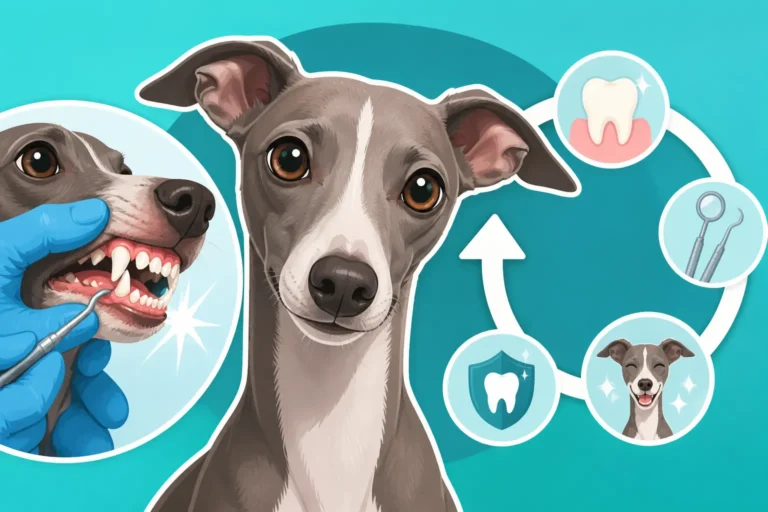
Supplements can play a role, but they should only be added under veterinary guidance. For instance, some Italian Greyhounds might benefit from joint supplements as they age, especially if they've had any orthopedic issues, although this is more common for senior dogs. Dental chews are a popular choice, but for an Italian Greyhound, many are too hard and can risk breaking their delicate teeth. Always opt for softer, more pliable dental chews, or better yet, focus on daily teeth brushing as the primary means of dental care, as Periodontal Disease Is the Italian Greyhound's Most Common Diagnosis. If you're considering a fresh food diet through a brand like Ollie, they often formulate their meals to be nutritionally complete, minimizing the need for additional supplements unless there's a specific health concern.
Calculating Monthly Food Quantities and Costs
Figuring out exactly how much food your Italian Greyhound needs and what that translates to in terms of monthly cost requires a bit of math and an understanding of their individual needs.
Daily Calorie Requirements by Age and Activity
The exact amount an Italian Greyhound should eat varies significantly based on their age, activity level, metabolism, and whether they are spayed/neutered. Generally, a small, active adult Italian Greyhound might need between 250-400 calories per day. Puppies, growing rapidly, often need more calories per pound of body weight than adults. Senior dogs, on the other hand, might have reduced caloric needs if their activity level decreases, but often require highly digestible, nutrient-dense food.
It's always best to start with the feeding guidelines provided on your chosen food's packaging, usually based on your dog's weight. However, these are just starting points. You'll need to observe your IG's body condition and adjust accordingly. If they are looking too thin (ribs too prominent), slightly increase their portions; if they're gaining too much weight (can't feel ribs easily), reduce them. This personalized approach is crucial to keeping them at a healthy weight. Many owners find that twice-daily feeding works best, splitting the total daily amount into two meals. This also helps with digestion and keeps their blood sugar stable.
Estimating Monthly Kibble Consumption
Let's do a hypothetical example to illustrate monthly kibble consumption. A typical adult Italian Greyhound might eat around 1/2 to 3/4 cup of dry kibble per day.
If your IG eats 3/4 cup of kibble per day:
- Daily: 0.75 cups
- Weekly: 0.75 cups * 7 days = 5.25 cups
- Monthly (approx. 30 days): 0.75 cups * 30 days = 22.5 cups
Most bags of small breed kibble come in sizes like 4-5 lbs or 10-15 lbs. A 4-lb bag of premium kibble often contains around 16-18 cups of food.
So, if your IG eats 22.5 cups a month, a 4-lb bag might last about 3 weeks, meaning you'd need slightly more than one bag per month, or a larger bag. A 10-lb bag (around 40-45 cups) would easily last over a month, likely two.
The cost then depends on the brand. A 4-lb bag of quality kibble could range from about $20 to $40 or more, while a 10-lb bag might be $40 to $70+. So, for an Italian Greyhound, your monthly kibble bill could easily be in the $25-$50 range, depending on the brand and how much they eat. This aligns with the general idea that Why an Italian Greyhound Is Cheap to Feed when compared to larger breeds, but the quality of food is still a significant factor.
Factoring in Wet/Fresh Food and Treats
If you incorporate wet food, fresh food, or a lot of treats, your calculations will change.
- Wet Food: If you add a tablespoon or two of wet food as a topper daily, this will add minimal calories but significantly to the cost if you're buying small cans frequently. If you feed wet food as a full meal a few times a week, that needs to be calculated. A 5.5 oz can of quality wet food might cost $2-$4. If you feed one every other day, that's 15 cans a month, adding $30-$60 to your bill.
- Fresh Food: Services like Ollie are typically subscription-based and calculate portions for you. For a small dog like an Italian Greyhound, a full fresh food diet might cost significantly more than kibble, potentially in the $50-$100+ range per month, depending on the plan and exact caloric needs. However, the convenience and potential health benefits can make it worthwhile for many owners.
- Treats: If you use small training treats, a bag might last a month or more, costing $5-$15. If you're giving larger, more frequent treats, this could add $20-$30 or more to your monthly expenses. It’s important to remember that treats should make up no more than 10% of their daily caloric intake.
Here's a simplified table illustrating potential monthly food costs for an adult Italian Greyhound:
| Food Type | Daily Quantity (Approx.) | Monthly Consumption (Approx.) | Estimated Monthly Cost Range | Pros | Cons |
|---|---|---|---|---|---|
| Budget Kibble | 0.5 – 0.75 cups | 15 – 22.5 cups | $20 – $35 | Most economical, widely available | Lower quality ingredients, potential sensitivities |
| Premium Kibble | 0.5 – 0.75 cups | 15 – 22.5 cups | $30 – $60 | High-quality ingredients, balanced | Higher initial cost |
| Kibble + Wet Food Topper | 0.5 cups kibble + 1-2 tbsp wet | 15 cups kibble + 1-2 cans wet | $40 – $80 | Increased palatability, hydration | Higher cost, more storage needed |
| Fresh Food (e.g., Ollie) | Pre-portioned | Subscription varies | $50 – $100+ | Human-grade, highly digestible, convenient | Most expensive, requires refrigeration |
Note: These are estimates. Actual costs will vary based on brand, region, specific dog needs, and current prices. Always check current pricing directly from retailers or brands.
As you can see, What an Italian Greyhound's Monthly Food Bill Runs can be quite a range, depending on your choices and your dog's individual metabolism.
Budgeting for Your Italian Greyhound's Monthly Meals
Feeding an Italian Greyhound involves more than just picking a bag of kibble. It's about making informed choices that balance nutrition, cost, and your dog's specific health needs.
Price Ranges for Different Food Types
The range in food prices for an Italian Greyhound is vast. You can find generic kibble for under $20 a month, but for a breed known for delicate stomachs and requiring specific nutrient profiles, investing in quality often pays off in the long run. Premium kibbles from brands like Orijen, Acana, or even specific vet-recommended diets can push your monthly bill to $40-$60. Wet food, while excellent for palatability and hydration, can quickly add up if used as a primary food source, often costing $2-$4 per small can. If you're feeding half a can a day, that's still potentially $30-$60 a month on top of kibble.
The highest price point typically comes with fresh food services. While incredibly convenient and often highly beneficial for dogs with allergies or digestive issues, these can cost upwards of $50-$100+ per month for a small Italian Greyhound. For example, a service like Ollie provides customized, fresh meals, and while the cost is higher, the quality of ingredients and tailored nutrition can be a game-changer for some Iggies. The choice often comes down to what you can comfortably afford and what best suits your individual dog's health.
Saving Money Without Compromising Health
Nobody wants to compromise their Italian Greyhound's health, but smart budgeting is always a good idea. Here are a few ways to save:
- Buy in Bulk (When Practical): If your IG is on a specific kibble that they tolerate well, buying a larger bag can often offer a lower price per pound. However, remember that kibble can go stale, so only buy a size you can use within a reasonable timeframe (usually 1-2 months).
- Look for Sales and Loyalty Programs: Many pet supply stores and online retailers like Chewy offer discounts, loyalty programs, or subscription services that save you a percentage on recurring orders. This can add up over time and ensure you never run out of food unexpectedly.
- Homemade Additions (Safely): You can safely supplement high-quality kibble with small amounts of cooked, unseasoned lean meats (chicken, turkey) or vegetables (carrots, green beans). This adds variety and extra nutrients without needing to buy expensive toppers, just be sure these additions are vet-approved and don't upset their stomach.
- Preventive Care: Investing in good nutrition can actually save you money on vet bills in the long run. A well-fed Italian Greyhound with a strong immune system and healthy weight is less prone to certain issues. For instance, feeding a diet that supports dental health, combined with daily brushing, can reduce the frequency and cost of professional dental cleanings, which can be significant for this breed.
Unexpected Food-Related Expenses
While we budget for regular food, there are sometimes unexpected costs related to an Italian Greyhound's diet.
- Prescription Diets: If your IG develops allergies, kidney disease, or other health issues, your vet might recommend a prescription diet. These specialized foods are often more expensive than regular kibble, and an unexpected cost that needs to be factored in. For example, a small bag of hypoallergenic or renal support kibble can easily cost $40-$70.
- Allergy Testing: If your Italian Greyhound experiences chronic digestive upset or skin issues, your vet might suggest allergy testing or elimination diets to identify food sensitivities. These diagnostics come with a cost.
- Supplements for Specific Conditions: Beyond general wellness supplements, if your IG has specific needs, such as a diagnosed joint issue or a skin condition, your vet might recommend targeted supplements that add to your monthly budget.
- Emergency Vet Visits: While not directly food cost, if your IG gets into something they shouldn't have eaten, an emergency vet visit can be very costly. This is where pet insurance, like Healthy Paws, can be invaluable. While it won't cover the cost of the food itself, it can help mitigate the financial impact of accidental ingestion or the diagnosis and treatment of diet-related illnesses, including prescription diets if they're deemed medically necessary for a covered condition. It’s always smart to have an emergency fund or insurance for these unpredictable scenarios.
Common Feeding Challenges and Solutions
Even with the best intentions and the highest quality food, feeding an Italian Greyhound can present its own set of challenges. Their personalities and delicate natures often require a flexible and patient approach.
Dealing with Picky Eaters
Ah, the infamous picky Italian Greyhound! Many owners know the frustration of putting down a beautiful bowl of food only for their Iggy to turn up their nose, stare at you expectantly, and then wander off. Their small size means they don't need huge quantities, but it also means every bite counts. A common cause for pickiness can be offering too many treats or human food, which makes their regular kibble seem dull by comparison.
Solutions for picky eaters:
- Consistency: Stick to a regular feeding schedule. Don't leave food down all day, as this can encourage pickiness. Offer food for 15-20 minutes, then pick it up until the next mealtime. This teaches them that food is available at certain times.
- Enhance Palatability: Sometimes a little enticement is all it takes. Try warming wet food slightly, adding a tiny bit of low-sodium broth (check ingredients!), or sprinkling on a food topper. A fresh food diet, like those from Ollie, often has a much higher appeal to picky eaters due to its human-grade ingredients and palatable texture.
- Rotate Flavors (Carefully): While generally good to stick to one food for sensitive Iggies, if your vet approves, occasionally rotating between a few different high-quality protein sources within the same brand can keep things interesting without causing digestive upset.
- Rule Out Medical Issues: Persistent pickiness or a sudden loss of appetite should always warrant a vet visit. Dental pain (which is very common in Iggies), stomach upset, or other underlying health issues could be the cause.
Managing Weight for Optimal Health
As we've discussed, maintaining an Italian Greyhound's ideal weight is critical for their health and bone structure. Being either too thin or too heavy comes with risks.
Strategies for weight management:
- Accurate Portions: Use a measuring cup every time. Eyeballing can lead to over or underfeeding. Adjust portions gradually based on your dog's body condition and energy levels. If you notice Signs an Italian Greyhound Is Underweight, increase their food slowly; if you see Signs an Italian Greyhound Is Overweight, reduce it.
- Controlled Treats: Treats are often the silent calorie culprits. Factor them into your daily caloric count, or choose very low-calorie options.
- Regular, Appropriate Exercise: Daily walks and safe indoor play contribute to burning calories and building healthy muscle mass. Ensure exercise is appropriate for their age and physical condition. A good brisk walk, zoomies in a carpeted room, or a safe, enclosed park for a sprint are all great options.
- Routine Vet Checks: Your veterinarian can provide an objective assessment of your IG's body condition score and recommend precise adjustments to their diet.
Preventing Counter Surfing and Food Theft
Italian Greyhounds are agile and surprisingly opportunistic. Many owners are shocked to discover their seemingly innocent Iggy has become a master counter surfer or a quick-footed food thief. This isn't just annoying; it can be dangerous if they ingest something toxic. Their ability to climb is often underestimated, so don't assume anything is truly out of reach if they set their mind to it. An Italian Greyhound Climbs Higher Than You Expect is a very real concern for many owners.
Tips for prevention:
- Management is Key: The easiest way to prevent theft is to remove the opportunity. Don't leave food unattended on counters, tables, or within reach on low shelves. Clear dishes immediately after meals.
- Crate Training: If you can't supervise your Italian Greyhound, particularly during meal prep or when visitors are around, crating them can keep them safe from temptation.
- Training "Leave It": Teach a strong "leave it" command. This can be invaluable, but requires consistent practice and high-value rewards.
- Secure Trash Cans: Italian Greyhounds are smart and can often figure out how to open unsecured trash cans. Opt for bins with secure lids or keep them in a pantry.
- Awareness: Always be aware of your Italian Greyhound's location, especially in the kitchen. Their quick movements and stealth can make them hard to spot when they're on a mission.
Understanding your Italian Greyhound's monthly food needs, both in terms of nutrition and cost, is a vital part of responsible ownership. By choosing high-quality food, monitoring their weight, and addressing challenges proactively, you're setting your beloved Iggy up for a long, healthy, and happy life.
Disclaimer
This article is for general informational purposes only and does not constitute professional advice. Laws, prices and regulations vary by location and change over time. Consult a qualified professional for guidance on your specific situation.