Periodontal Disease Is the Italian Greyhound’s Most Common Diagnosis
The heartbreak of watching your beloved Italian Greyhound struggle with pain, especially when it comes to something as fundamental as eating, is a burden no pet parent wants to bear. Dental disease, specifically periodontal disease, is a silent epidemic in our breed, often progressing unnoticed until it becomes severe. This comprehensive guide is here to demystify this common affliction, helping you understand its progression, identify the signs, and equip you with the knowledge to protect your delicate companion's oral health.
Understanding Periodontal Disease in Italian Greyhounds
Periodontal disease is not just bad breath; it's a progressive inflammatory condition that affects the supporting structures of a dog's teeth. For Italian Greyhounds, this is a particularly prevalent and serious issue. The phrase "Periodontal Disease Is the Italian Greyhound's Most Common Diagnosis" rings true for a reason – their unique anatomy makes them exceptionally vulnerable, often leading to significant pain and systemic health problems if left unchecked. It's a journey that typically starts with the buildup of plaque and tartar and, without intervention, escalates to irreversible damage.
What Periodontal Disease Actually Is
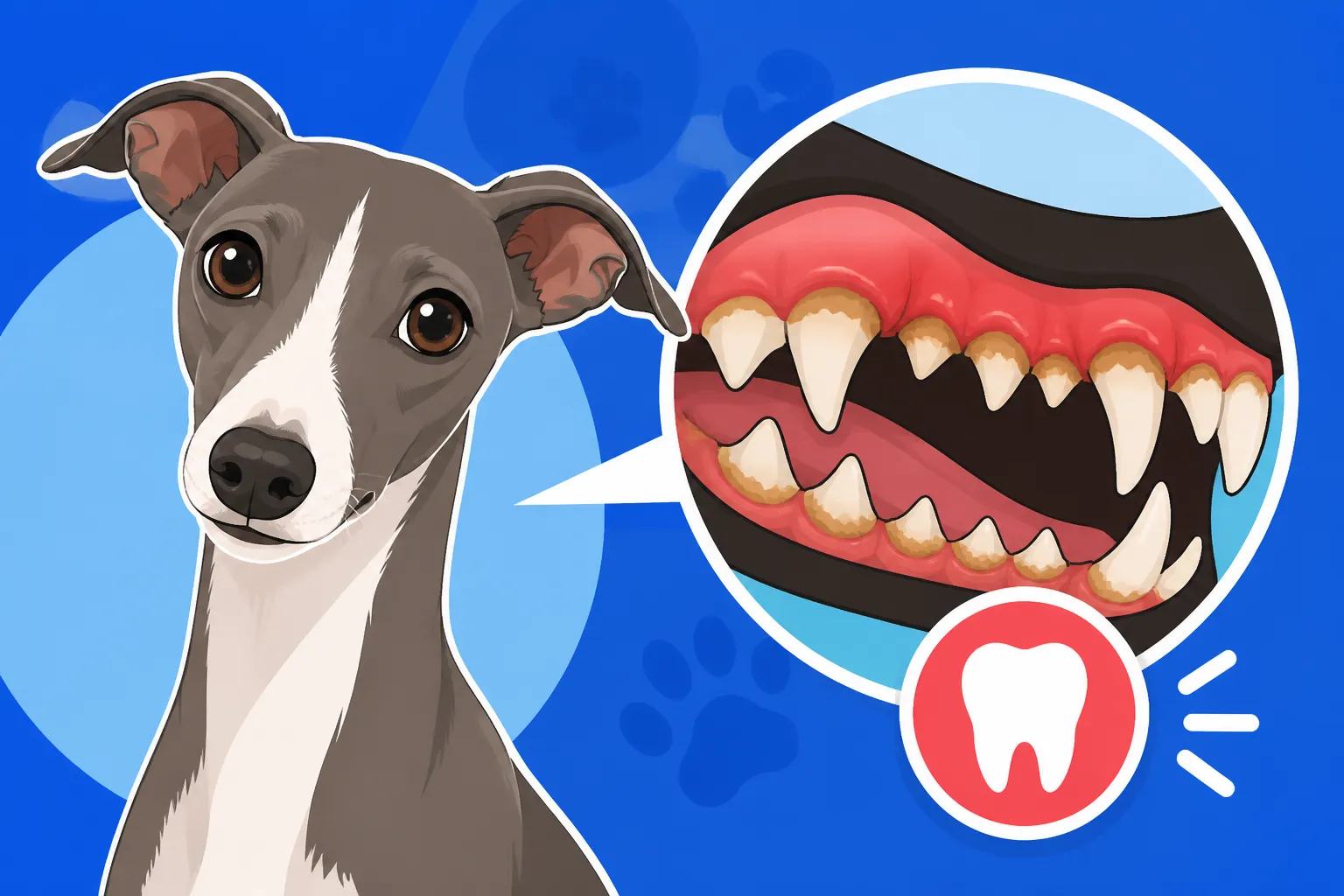
At its core, periodontal disease begins with plaque, a sticky film of bacteria, food particles, and saliva that constantly forms on your dog's teeth. If this plaque isn't removed regularly, it hardens into tartar (calculus). This yellow or brown substance adheres firmly to the tooth surface, both above and below the gum line. The real trouble starts when these bacteria and tartar irritate the gums, leading to inflammation known as gingivitis. This is the earliest, and thankfully, reversible stage of periodontal disease. Your Italian Greyhound might have slightly red, swollen gums that bleed easily, but at this point, the underlying bone and ligaments supporting the teeth are still intact.
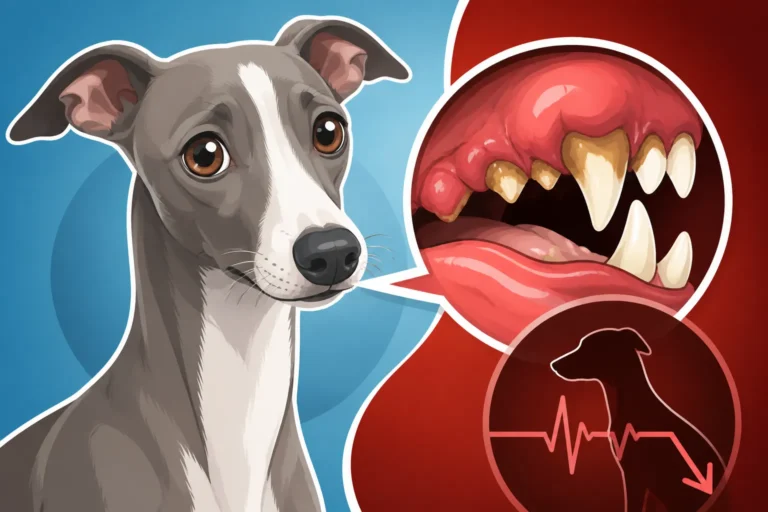
However, if gingivitis isn't addressed, the inflammation spreads, and the bacteria begin to colonize the area below the gum line. This causes the gums to pull away from the teeth, forming pockets. These pockets become breeding grounds for more bacteria, pus, and food debris, which further damages the periodontal ligament and the alveolar bone that anchors the teeth in the jaw. As this destruction continues, teeth become loose, painful, and eventually fall out or require extraction. It's a vicious cycle that can impact your Italian Greyhound's entire well-being.
Why Italian Greyhounds Are So Prone to Dental Issues
Our lean, elegant Italian Greyhounds, with their distinctive long, narrow muzzles, are genetically predisposed to dental woes. It's not just bad luck; it's a combination of breed-specific factors that stack the odds against them. Firstly, their small mouths often mean that their teeth are crowded. Imagine trying to fit 42 normal-sized adult teeth into a space designed for much fewer; it’s a recipe for disaster. This crowding creates nooks and crannies where food particles and plaque can easily get trapped, making it incredibly difficult for owners to clean effectively, and even harder for the dog's own saliva to naturally wash away debris. This is a primary reason why Why an Italian Greyhound's Teeth Crowd is such a common discussion among owners.
Secondly, many Italian Greyhounds have a genetic predisposition to develop more significant amounts of plaque and tartar at a faster rate than other breeds. This isn't just about what they eat; it's about the composition of their saliva and their oral microbiome. Even with diligent home care, some IGs will develop tartar rapidly, necessitating more frequent professional cleanings. This genetic component, combined with their delicate bone structure, means that what might be a minor issue in a larger, sturdier breed can quickly become a serious and painful problem for an Italian Greyhound. Understanding this inherent vulnerability is the first step in providing them with the best possible care.
The Stages of Periodontal Disease Progression
Understanding the stages of periodontal disease is crucial because early intervention can often reverse or halt its progression, saving your Italian Greyhound from significant pain and costly procedures down the line. It's not a sudden event but a gradual deterioration, often creeping up unnoticed because our brave little dogs are masters at hiding discomfort. From the initial inflammation to severe bone loss, each stage brings more challenges and requires a different approach to treatment.
Stage 1: Gingivitis (Mild Periodontal Disease)
This is the earliest and most hopeful stage, where the disease is reversible. At Stage 1, your Italian Greyhound's gums might appear slightly red, swollen, or inflamed along the gum line. You might notice some mild bad breath, but it could easily be dismissed as "dog breath." This inflammation is directly caused by the accumulation of plaque on the teeth, irritating the gum tissue. There's no attachment loss yet, meaning the ligaments and bone holding the teeth are still healthy and firmly in place.
During a professional dental cleaning under anesthesia, your vet can meticulously remove all plaque and tartar from above and below the gum line. This deep cleaning, combined with diligent daily brushing at home, can completely reverse gingivitis. If you catch it here, you've saved your Italian Greyhound a world of pain and potential tooth loss. Many Italian Greyhounds, especially if they haven't had regular dental care, will already be in this stage by the time they are just a few years old, underscoring why routine exams are so vital.
Stage 2: Early Periodontitis (Moderate Periodontal Disease)
If gingivitis is left untreated, it progresses to early periodontitis. At this stage, the inflammation has started to spread beyond the gums and has begun to affect the supporting structures of the teeth. You'll likely see more pronounced redness and swelling of the gums, and the bad breath will be more noticeable and persistent. Crucially, the bacteria have started to cause minor attachment loss, typically around 25% or less, meaning the gum tissue and underlying bone are beginning to recede from the tooth root.
This recession creates small pockets where bacteria can thrive, hidden from your toothbrush. While not fully reversible, professional veterinary dental cleaning, including scaling and polishing both above and below the gum line, can manage the disease and prevent further progression. The vet might use dental X-rays to assess the extent of the bone loss, which isn't visible to the naked eye. Home care becomes even more critical at this stage to maintain oral hygiene after the professional cleaning and slow down any further damage.
Stage 3: Moderate Periodontitis
This stage marks a significant turning point where the damage becomes more severe and more challenging to manage. Your Italian Greyhound will likely exhibit very noticeable symptoms: pronounced bad breath, visibly inflamed and bleeding gums, and possibly some gum recession. The attachment loss is more substantial, ranging from 25% to 50% of the tooth's supporting structures. The pockets around the teeth are deeper, allowing more bacteria and debris to accumulate, further eroding the bone.
At this stage, professional dental treatment will involve not only thorough scaling and root planing but often requires extractions of teeth that have lost too much support. The vet might perform procedures like guided tissue regeneration or apply local antimicrobial gels to reduce bacterial load in the deeper pockets, though this is less common in general practice. The pain your Italian Greyhound experiences is likely quite significant, even if they're still trying to eat. Without aggressive treatment, the teeth will continue to loosen and eventually fall out or cause severe infections.
Stage 4: Advanced Periodontitis (Severe Periodontal Disease)
This is the most critical and painful stage of periodontal disease. At Stage 4, your Italian Greyhound will have suffered extensive attachment loss, often more than 50%, with severe bone loss clearly visible on dental X-rays. Many teeth will be extremely loose, wobbly, or already missing. The gums will be severely inflamed, bleeding, and may show signs of infection, such as pus or abscesses. The bad breath will be overwhelming, and your dog might visibly struggle to eat, dropping food, chewing on one side, or completely refusing hard kibble.
Treatment at this stage almost always involves multiple tooth extractions, sometimes even full-mouth extractions for the most severely affected dogs. The goal is to remove all sources of infection and pain, as these severe infections can spread to other organs like the heart, liver, and kidneys, significantly impacting your Italian Greyhound's overall health and lifespan. This is often where owners realize the devastating effects of How Dental Disease Shortens an Italian Greyhound's Life. While the surgical intervention is extensive, it offers the best chance for your dog to live a pain-free life afterward. Long-term management will focus on maintaining a healthy mouth, even if it means a significantly reduced number of teeth.
Recognizing the Signs and Symptoms
One of the toughest parts of being an Italian Greyhound parent is knowing that our dogs are incredibly stoic. They'll often hide pain, even severe pain, until they simply cannot anymore. This makes recognizing the subtle signs of periodontal disease absolutely critical. Don't wait for obvious bleeding or falling teeth; by then, the disease is likely advanced. Learning to spot the early indicators can make all the difference in their comfort and long-term health.
Persistent Bad Breath (Halitosis)
Let's be honest, no dog's breath smells like roses, but there's a distinct difference between "dog breath" and truly foul breath. If your Italian Greyhound's breath has taken a turn for the worse – a smell that's consistently strong, putrid, or sickly sweet – it's a major red flag for dental disease. This odor is caused by the accumulation of anaerobic bacteria in the mouth, which release volatile sulfur compounds as they break down food particles and tissue. It’s not just unpleasant; it’s a symptom of an underlying infection.
You might notice this particularly when they yawn, lick your face, or even just breathe near you. Don't simply cover it up with dental chews or breath sprays; those are temporary fixes for an escalating problem. If you notice a significant change in their breath, it's time for a thorough oral examination by your veterinarian, as it's often one of the first and most persistent indicators that something is amiss below the surface.
Red, Swollen, or Bleeding Gums
Healthy gums in an Italian Greyhound should be a pale pink color, firm, and lie tightly against the teeth. Any deviation from this is cause for concern. Look for gums that appear bright red, puffy, or swollen, especially along the gum line. This inflammation, or gingivitis, is a clear sign that bacteria are irritating the tissue. You might also notice bleeding when your dog chews on a toy, eats hard kibble, or even when you gently try to brush their teeth.
Sometimes, the bleeding might be very subtle, perhaps just a pink tinge on a chew toy or a small spot on their bed. Don't ignore these seemingly minor signs. As the disease progresses, the gums may recede, exposing more of the tooth root, which can look elongated and yellowish. In advanced cases, you might even see pus oozing from the gum line or notice painful growths on the gums themselves.
Changes in Eating Habits or Appetite
This is where the stoicism of Italian Greyhounds can truly work against them. They might be in significant pain but will still try to eat because hunger is a powerful drive. However, you might observe subtle changes. They might hesitate before eating, especially crunchy kibble, or pick up food and then drop it. They may chew only on one side of their mouth, favor softer foods, or take longer to finish their meals. In severe cases, they might refuse food altogether, cry out when trying to eat, or show a distinct disinterest in their favorite treats.
Even if they are still eating, pay attention if they're suddenly avoiding hard toys or chews they once loved. They might also start salivating excessively, or you might see a discharge mixed with their drool. Sometimes, a dog might paw at their mouth, rub their face against furniture, or show general irritability due to the constant discomfort. Any shift in their normal eating behavior warrants immediate veterinary attention to rule out or address dental pain.
Loose Teeth or Missing Teeth
This is a sign of advanced periodontal disease and indicates significant bone loss. If you notice a tooth that wiggles when your Italian Greyhound chews, or if you find a tooth on the floor or in their bed, it means the supporting structures are severely compromised. While it might seem like a relief that a painful tooth has fallen out, it's often just the tip of the iceberg, as other teeth are likely in various stages of advanced disease.
Sometimes, you might not see the tooth fall out, but you'll notice a gap where a tooth used to be. For Italian Greyhounds, who already have delicate jawbones, this can be particularly concerning because advanced bone loss around teeth can weaken the jaw itself, leading to a pathological jaw fracture – a truly devastating complication that can occur during a dental procedure or even from a minor impact. This highlights Why an Italian Greyhound's Jaw Can Break During Extraction and why proactive care is so vital.
Swelling or Bumps on the Face
Facial swelling, particularly below the eye or along the jawline, is a serious symptom that often indicates a dental abscess. This occurs when an infection from a diseased tooth root spreads into the surrounding bone and soft tissues. The body tries to wall off the infection, creating a painful pocket of pus. This can be incredibly painful for your Italian Greyhound and can lead to systemic illness if not treated promptly.
You might notice a soft or firm lump, which could be warm to the touch. Sometimes, an abscess can rupture, creating a draining tract on the outside of the face, usually just below the eye. This is an emergency and requires immediate veterinary attention. These kinds of infections are not only painful but can quickly become life-threatening if bacteria spread through the bloodstream, affecting vital organs.
Causes and Risk Factors Specific to Italian Greyhounds
While all dogs can develop periodontal disease, Italian Greyhounds face a higher, almost unfair, burden due to a combination of genetic predispositions and unique anatomical features. Understanding these specific risk factors can help owners implement more targeted preventive measures and be vigilant about their dog's oral health from puppyhood.
Genetic Predisposition and Breed Anatomy
As mentioned earlier, the Italian Greyhound's delicate and refined bone structure, particularly their long, narrow jaw, is a double-edged sword. While it contributes to their elegant appearance, it also means their 42 adult teeth are often severely overcrowded. This inherent crowding makes it incredibly difficult for food particles and bacteria to be naturally dislodged, leading to rapid plaque and tartar buildup. Think of it like trying to floss teeth that are practically fused together – it’s almost impossible to get in there effectively. This crowding is a primary reason why Why an Italian Greyhound's Muzzle Cannot Hold Its Teeth is a widespread issue.
Beyond the physical structure, Italian Greyhounds also have a genetic predisposition to poorer dental health. This can manifest in several ways: a genetic tendency to produce more plaque-forming bacteria, differences in saliva composition that make it less effective at cleaning teeth, or a weaker enamel structure. These genetic factors mean that even with perfect care, some IGs will simply be more prone to severe dental disease than a breed like a Labrador Retriever, which tends to have a more robust oral cavity. This makes early and consistent intervention paramount for their long-term health.
Retained Deciduous Teeth (Baby Teeth)
Many Italian Greyhound puppies struggle to shed their deciduous (baby) teeth naturally. If a baby tooth doesn't fall out when the adult tooth erupts, it's called a retained deciduous tooth. This is a very common problem in Italian Greyhounds and can be a significant contributing factor to future dental disease. The presence of both baby and adult teeth in the same socket creates further crowding and acts as a trap for food and bacteria, accelerating plaque and tartar formation.
These retained baby teeth can also interfere with the proper eruption of the adult teeth, leading to misalignment (malocclusion) and further crowding. Moreover, they can contribute to early onset periodontal disease around the adult teeth. It's crucial for your vet to check for retained baby teeth during puppy visits. If present, they usually need to be extracted, typically when the puppy is spayed or neutered, to give the adult teeth the best chance at a healthy start. Ignoring them sets the stage for a lifetime of dental struggles. This is why addressing Retained Baby Teeth in an Italian Greyhound early on is so important.
Diet and Chewing Habits
While diet alone isn't the sole cause of periodontal disease, it can certainly be a contributing factor. A diet consisting primarily of soft, wet food can sometimes allow plaque to accumulate more quickly because there's less mechanical abrasion to help clean the tooth surfaces. That's not to say wet food is bad – many IGs thrive on it, especially if they have sensitive stomachs or have already lost teeth. However, if your Italian Greyhound eats only soft food, your home dental care routine becomes even more critical.
On the flip side, some hard kibbles are marketed as "dental diets," designed with larger, fibrous kibbles that scrape the tooth surface as the dog chews. While these can offer some benefit, they are rarely a substitute for brushing. Likewise, chewing on certain toys or dental chews can help reduce plaque, but care must be taken to choose appropriate, vet-approved chews that are safe for your Italian Greyhound's delicate teeth and jaw and won't contribute to fractured teeth. The goal is to provide beneficial chewing without risking injury.
Lack of Consistent Home Dental Care
This is perhaps the most significant modifiable risk factor. Even with all the genetic predispositions, consistent and effective home dental care can dramatically slow the progression of periodontal disease in Italian Greyhounds. Unfortunately, many owners find it challenging to brush their dog's teeth daily, or they simply aren't aware of how vital it is for this particular breed. Without daily brushing, plaque quickly hardens into tartar, and once tartar forms, it cannot be removed by brushing alone – it requires a professional dental cleaning.
Neglecting daily oral hygiene allows bacteria to multiply unchecked, creating a constant inflammatory assault on the gums and supporting bone. It's a cumulative effect; every day without proper cleaning contributes to the problem. It can feel like a losing battle, especially when you consider How Early Tartar Appears on an Italian Greyhound, sometimes visible even in young dogs. But even a few minutes a day can make a world of difference. Regular home care is your primary defense against the inevitable progression of this disease.
Diagnosis and Veterinary Assessment
When you suspect your Italian Greyhound might be suffering from periodontal disease, a visit to your veterinarian is the crucial next step. A thorough dental assessment involves more than just a quick peek in their mouth; it's a multi-faceted process that often requires anesthesia to get a complete and accurate picture of their oral health. This comprehensive approach ensures that no painful or hidden issues are overlooked.
Initial Oral Examination During Wellness Checks
During your Italian Greyhound's annual wellness exams, your veterinarian will typically perform a preliminary oral examination. This "awake exam" allows the vet to visually inspect the obvious parts of the mouth: the outer surfaces of the teeth, the visible gum lines, and to check for any obvious signs of redness, swelling, or tartar buildup. They might also note any bad breath. This initial check is a good indicator of general oral health and helps determine if a more in-depth dental procedure is necessary.
However, it's important to understand the limitations of an awake exam. A dog, especially one who might be experiencing pain, will rarely allow a vet to fully probe beneath the gum line or examine the inner surfaces of their teeth and the back of their mouth. Most importantly, it's impossible to take dental X-rays without anesthesia, and X-rays are critical for assessing the health of the tooth roots and the underlying bone, which is where much of the damage from periodontal disease occurs. So, while a quick look is helpful, it’s usually just the first step in diagnosing the true extent of the problem.
The Importance of Anesthesia for a Thorough Exam
This is where many owners understandably become nervous, but it's vital to stress that a truly comprehensive dental examination and cleaning must be performed under general anesthesia. Why? Because a proper assessment involves:
- Subgingival Exploration: The most damaging aspect of periodontal disease occurs below the gum line. A conscious dog simply won't tolerate a vet probing these sensitive areas. Anesthesia allows for meticulous cleaning and examination of the tooth roots and surrounding pockets.
- Dental X-rays: As mentioned, X-rays are non-negotiable. Roughly 60-70% of dental disease lies below the gum line, invisible to the naked eye. X-rays reveal bone loss, root abscesses, unerupted teeth, and other issues that would otherwise be missed. For a breed like the Italian Greyhound, with their delicate jaws, understanding bone density is also crucial to prevent complications like jaw fractures during extractions.
- Safety and Pain Control: Anesthesia ensures your dog is still, comfortable, and pain-free throughout the procedure, allowing the veterinary team to work efficiently and thoroughly without causing stress or injury. It also allows for nerve blocks to manage pain during and after extractions.
The risks of modern anesthesia are minimal, especially with proper pre-anesthetic bloodwork to ensure organ function and careful monitoring throughout the procedure. For Italian Greyhounds, specifically, careful consideration of their lean body mass and sensitivity to certain sedatives is always taken. This is why understanding Why Anesthesia Is Handled Differently in an Italian Greyhound is crucial and why a vet experienced with sighthounds is invaluable.
Diagnostic Tools: Probing and Dental Radiographs
Once your Italian Greyhound is safely under anesthesia, the real diagnostic work begins. The veterinary team will systematically probe around each tooth, measuring the depth of the gingival sulcus (the space between the gum and the tooth). Increased pocket depths indicate attachment loss and the presence of periodontal disease. A healthy sulcus should be very shallow, typically 0-1mm in dogs. Readings of 3mm or more signal disease.
Following probing, full-mouth dental radiographs (X-rays) are taken. These images are invaluable for assessing the health of the tooth roots, the surrounding bone, and detecting issues like:
- Bone loss around the roots
- Root abscesses
- Cysts
- Fractured teeth or roots
- Unerupted teeth
- Resorption lesions (where the tooth structure is dissolved)
- Integrity of the jawbone, especially before extractions.
The combination of visual inspection, probing, and dental X-rays provides a complete "dental chart" for your Italian Greyhound, detailing the health of every single tooth. This comprehensive information then guides the veterinarian in creating the most effective treatment plan, which often includes professional cleaning and polishing, and sometimes, extractions.
Treatment Options for Periodontal Disease
Once periodontal disease is diagnosed, the treatment approach will depend entirely on its severity. Early stages may only require a thorough cleaning, but advanced cases often necessitate more invasive procedures, including tooth extractions, to eliminate pain and infection. The goal is always to restore comfort and prevent further health complications.
Professional Dental Cleaning and Scaling
For Italian Greyhounds in Stage 1 (Gingivitis) or early Stage 2 (Early Periodontitis), a professional dental cleaning under anesthesia is the primary treatment. This involves several meticulous steps:
- Supragingival Scaling: Using ultrasonic and hand scalers, the veterinary technician or veterinarian carefully removes all visible plaque and tartar from the crown of the tooth, above the gum line.
- Subgingival Scaling: This is the most crucial step. Plaque and tartar are removed from beneath the gum line, where bacteria cause the most damage. This requires specialized instruments and careful technique to avoid damaging the delicate gum tissue.
- Root Planing: The tooth roots, especially in pockets, can become rough due to calculus. Root planing smooths these surfaces, making it harder for bacteria to adhere and promoting reattachment of gum tissue where possible.
- Polishing: After scaling, the tooth surfaces are polished with a special dental paste. This smooths out microscopic scratches created by scaling, making the teeth less hospitable for new plaque to attach.
- Fluoride Treatment (Optional): A fluoride treatment may be applied to help strengthen enamel and reduce sensitivity.
This thorough cleaning removes the source of inflammation and infection, allowing the gums to heal. Following this, the focus shifts to robust home care to maintain the clean mouth for as long as possible. The frequency of these professional cleanings can vary, but many Italian Greyhounds benefit from yearly or even bi-annual cleanings, given their predisposition to dental issues. This is why How Often an Italian Greyhound Needs a Dental Cleaning is a common question and concern for owners.
Tooth Extractions for Damaged Teeth
When periodontal disease has progressed to Stage 3 or 4, resulting in significant bone loss, deep pockets, root exposure, or tooth mobility, extractions become a necessary and often life-changing intervention. While it's natural to want to save every tooth, a severely diseased tooth is a constant source of pain and infection, severely impacting your Italian Greyhound's quality of life. Removing these teeth eliminates the pain and prevents the spread of bacteria to other parts of the body.
The extraction process for Italian Greyhounds involves:
- Pre-Surgical X-rays: To fully assess the tooth roots and surrounding bone.
- Nerve Blocks: Local anesthetic injections are administered to numb the specific area, providing excellent pain relief during and after the extraction.
- Surgical Extraction: Unlike simply "pulling" a tooth, surgical extractions are performed with precision. Gums are carefully incised and flapped, bone may be removed to access the roots, and the tooth is extracted carefully to minimize trauma to the delicate jawbone.
- Suturing: After extraction, the gum flap is closed with sutures, protecting the exposed bone and promoting healing.
- Post-Operative Care: Pain medication, antibiotics (if infection is present), and a soft food diet are typically prescribed for several days to weeks.
It's important to remember that most dogs, including Italian Greyhounds, adapt incredibly well to having teeth extracted, even multiple teeth or full-mouth extractions. They are often much happier and healthier once the chronic pain and infection are gone. They learn to eat soft foods or smaller kibble pieces with ease, and their overall demeanor improves dramatically. You'd be amazed at How an Italian Greyhound Eats With No Teeth.
Advanced Periodontal Treatments
For specific cases, typically handled by veterinary dental specialists, there are more advanced treatments available, though they are less commonly performed on general practice. These can include:
- Guided Tissue Regeneration (GTR): For instances of significant bone loss, GTR involves using barrier membranes to promote the regrowth of bone and gum tissue around compromised teeth. This is a complex procedure and requires very specific conditions to be successful.
- Bone Grafts: Materials can be placed in bone defects to stimulate new bone growth, particularly after severe bone loss or in preparation for future treatments.
- Periodontal Splinting: In some cases, slightly mobile teeth might be stabilized by splinting them to adjacent healthy teeth, though this is often a temporary solution.
- Endodontic Treatment (Root Canal): If a tooth has deep infection but good bone support, a root canal might be an option to save the tooth, similar to human dentistry. This is generally reserved for strategic teeth (e.g., canines) in working dogs, and less common for typical Italian Greyhound dental disease.
These advanced treatments are generally expensive and require a specialist, so your general veterinarian will discuss whether they are viable or recommended for your Italian Greyhound's specific situation. Often, for advanced periodontal disease, extractions remain the most pragmatic, effective, and pain-relieving solution.
Prevention and Home Care Strategies
Preventing periodontal disease in Italian Greyhounds is a lifelong commitment, but one that is incredibly rewarding. While genetics play a role, diligent home care can make a monumental difference in slowing the disease's progression and minimizing the need for extensive veterinary interventions. Think of it as a partnership between you, your vet, and your dedicated daily efforts.
Daily Tooth Brushing: The Gold Standard
Without a doubt, daily tooth brushing is the single most effective way to prevent plaque from hardening into tartar and to keep your Italian Greyhound's gums healthy. It removes the sticky plaque before it has a chance to cause problems. This isn't just a suggestion; for Italian Greyhounds, it's a necessity. It truly aligns with the importance of Brushing an Italian Greyhound's Teeth Every Day.
Here’s how to approach it:
- Start Early: Begin brushing your Italian Greyhound puppy's teeth as soon as possible, even if they only have baby teeth. This helps them get accustomed to the sensation.
- Appropriate Tools: Use a veterinary-approved enzymatic toothpaste (never human toothpaste!) that your dog actually likes the taste of. For the brush, a finger brush or a small, soft-bristled toothbrush designed for pets works well. A child's toothbrush can also be a good fit for their delicate mouths. Consider Which Toothbrush Fits an Italian Greyhound's Mouth.
- Technique: Gently lift their lip and brush along the gum line in small circles, focusing on the outside surfaces of the teeth, especially the canines and molars, where plaque tends to accumulate most. Aim for at least 30 seconds per side.
- Patience and Positive Reinforcement: Keep sessions short, positive, and follow with praise and a small, healthy treat. If your dog resists, go slow. Just getting the toothbrush in their mouth for a few seconds is a win. Gradually increase the duration.
- Consistency: Daily brushing is ideal. If daily isn't possible, aim for at least every other day. Less frequent brushing will significantly diminish the benefits.
Veterinary Dental Wellness Plans and Regular Check-ups
Even with diligent home care, Italian Greyhounds will likely need regular professional dental cleanings. These procedures remove the tartar that brushing cannot, allowing for a fresh start. Many veterinary clinics offer dental wellness plans or provide estimates for routine cleanings. Factor this into your annual pet care budget. What an Italian Greyhound's Annual Dental Costs can vary, but proactive care often saves money in the long run by preventing more costly extractions and complications.
Regular veterinary check-ups are also crucial. Your vet can monitor your Italian Greyhound's oral health, assess the effectiveness of your home care routine, and recommend professional cleanings when needed. They can also spot early signs of disease that you might miss, such as How Early Tartar Appears on an Italian Greyhound, giving you a head start on treatment. Don't skip these annual appointments; they are your best defense against silent progression of dental disease.
Dental Chews, Water Additives, and Diet Considerations
While not a substitute for brushing, some products can complement your home care routine:
- Veterinary Dental Chews: Look for chews that have been clinically proven to reduce plaque and tartar, often indicated by a Veterinary Oral Health Council (VOHC) seal of acceptance. Brands like Greenies, Oravet, and Purina DentaLife are often recommended. Choose appropriate sizes for your Italian Greyhound's delicate jaws, and always supervise chewing. Be mindful that Whether Dental Chews Do Anything for an Italian Greyhound is often debated, and they are generally considered supplementary, not primary, care.
- Dental Water Additives: These products are added to your dog's drinking water and contain ingredients designed to reduce bacteria or break down plaque. Again, look for VOHC-accepted products. They are generally safe and easy to use, providing another layer of defense.
- Dental Diets: Some prescription and over-the-counter kibbles are formulated with a unique texture or ingredients designed to scrape plaque off teeth as your dog chews. Hill's t/d and Royal Canin Dental are examples. These can be helpful for dogs that are resistant to brushing, but they often don't provide the comprehensive cleaning of a brush.
- Raw Bones: While some advocates recommend raw bones for dental health, many veterinarians caution against them, especially for Italian Greyhounds. Raw bones can be too hard for their delicate teeth, leading to fractures, and can also pose a risk of choking, gastrointestinal upset, or bacterial contamination. Discuss this with your vet if you are considering this option. Generally, for Italian Greyhounds, the risks often outweigh the benefits due to their fragile teeth and jaws.
Always remember that these supplementary methods are just that – supplementary. They are not a replacement for daily brushing and regular professional veterinary care, especially for a breed as susceptible to periodontal disease as the Italian Greyhound.
Long-Term Management and Prognosis
Living with an Italian Greyhound often means embracing the reality of dental care as a constant, ongoing process. Periodontal disease is rarely a "one and done" fix, particularly in this breed. Long-term management focuses on maintaining oral health after initial treatment, managing any existing damage, and ensuring your beloved companion lives a comfortable and pain-free life.
Life After Treatment: Maintaining Oral Health
After your Italian Greyhound undergoes a professional dental cleaning, possibly with extractions, the most critical phase of long-term management begins: prevention of recurrence. Without consistent follow-up care, plaque and tartar will inevitably return.
- Commit to Daily Brushing: This cannot be stressed enough. If you’ve had a professional cleaning, you now have a clean slate. Daily brushing is your best tool to keep it that way. If your Italian Greyhound has had extractions, gently brush the remaining teeth and the gum lines where teeth were removed to keep the area clean and free of new plaque.
- Schedule Regular Follow-Up Cleanings: Your veterinarian will recommend a schedule for future professional dental cleanings, which for many Italian Greyhounds might be annually or even every six to nine months. Sticking to this schedule is vital for catching any new plaque/tartar buildup and addressing it before it becomes severe again. Remember, for IGs, How Often an Italian Greyhound Needs a Dental Cleaning is more frequent than for many other breeds.
- Monitor for Symptoms: Continue to be vigilant for any recurring signs of dental disease, such as bad breath, red gums, or changes in eating habits. Early detection can prevent extensive damage.
- Dietary Adjustments: If your Italian Greyhound has had multiple extractions, especially of molars, transitioning to a softer diet (wet food, or kibble softened with water) might be necessary to ensure comfortable eating. This ties into understanding How an Italian Greyhound Eats With No Teeth if many are removed.
Potential Complications and What to Watch For
Even with the best care, sometimes complications can arise, especially if the disease was advanced or if multiple extractions were performed.
- Infection: Though antibiotics are often given after extractions, watch for any signs of continued infection such as swelling, discharge, lethargy, or fever.
- Jaw Fractures: Due to the Italian Greyhound's delicate jawbone, especially in cases of severe bone loss, a jaw fracture is a rare but serious complication, sometimes occurring during difficult extractions or even weeks later from a minor bump. Signs include severe pain, inability to close the mouth, or significant swelling.
- Oral-Nasal Fistulas: If an upper canine tooth with a very long root is extracted when there's significant bone loss, an opening between the mouth and the nasal cavity can occur (oral-nasal fistula). This can lead to chronic sneezing, nasal discharge, and sometimes food coming out of the nose. Surgical repair is typically needed.
- Recurrence: As mentioned, periodontal disease is chronic. Without proper ongoing care, it will recur, potentially leading to more pain, infection, and the need for further extractions down the line.
Prompt veterinary attention for any concerning symptoms is essential to address these complications quickly and effectively.
The Prognosis: A Healthier, Happier Italian Greyhound
The prognosis for an Italian Greyhound with periodontal disease is generally excellent if the disease is diagnosed and treated appropriately, and followed by consistent home care. While some teeth may be lost, eliminating pain and infection vastly improves their quality of life. Owners often report that their dogs become more energetic, playful, and affectionate after dental treatment, as they are no longer silently suffering from chronic pain.
A proactive approach to dental health can significantly contribute to your Italian Greyhound's overall well-being and longevity. Remember, dental disease doesn't just stay in the mouth; the chronic inflammation and bacterial load can impact systemic health, contributing to issues with the heart, kidneys, and liver. By addressing their dental needs head-on, you're not just saving their teeth; you're safeguarding their entire body and giving them the best chance to live a full, happy life for as long as Why an Italian Greyhound Lives Fourteen to Fifteen Years.
Taking care of an Italian Greyhound’s dental health is a significant commitment, but the reward is a comfortable, happy, and healthier companion by your side for years to come. Investing in their dental care is investing in their future.
Disclaimer
This article is intended for informational purposes only and does not constitute veterinary medical advice. Always consult with a qualified veterinarian for any health concerns or before making any decisions about your Italian Greyhound's care, diet, or treatment. Individual results may vary. While every effort has been made to provide accurate and up-to-date information, no guarantee is made regarding the completeness, accuracy, or reliability of the information provided herein.