Whether Dental Chews Do Anything for an Italian Greyhound
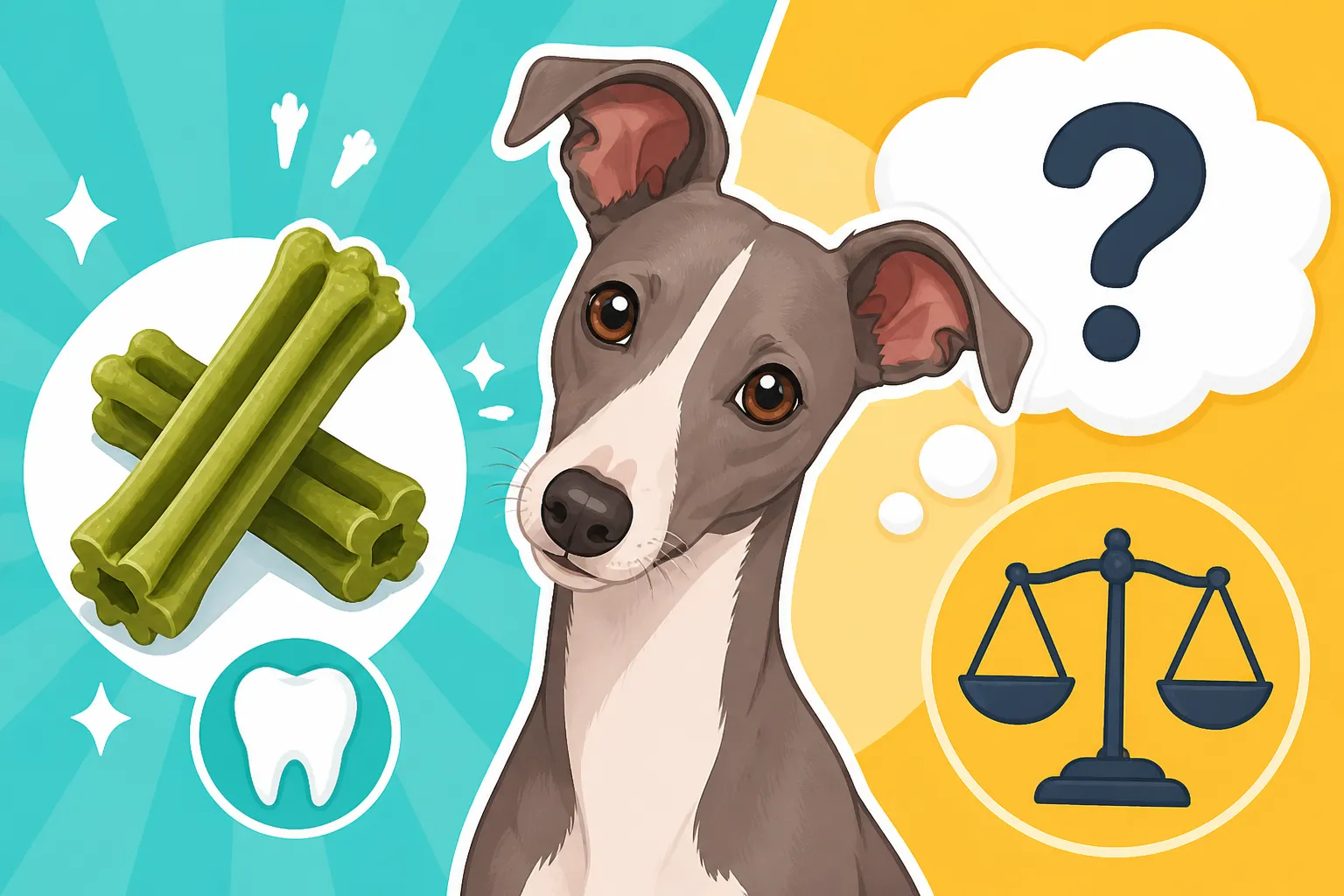
It’s a common frustration for Italian Greyhound owners, isn't it? We look at our sweet, fragile Iggies and desperately wish there was a magic bullet for their notoriously terrible teeth. We see all those commercials for dental chews, promising sparkling canines and fresh breath, and it’s natural to wonder, "Could this be it? Could a simple chew really make a difference for my Italian Greyhound?" This guide is going to dive deep into the reality of dental chews and their effectiveness for our delicate sighthounds, giving you the honest truth about what they can and cannot do for your beloved companion's oral health.
The Harsh Reality of Italian Greyhound Dental Health
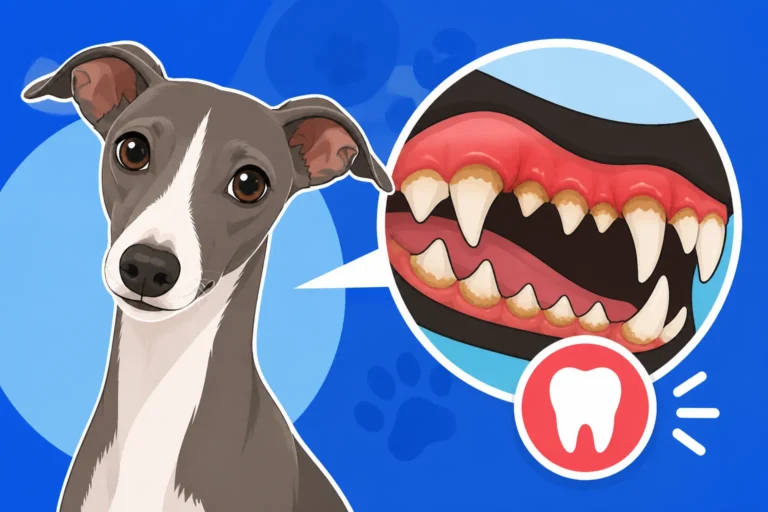
Let's face it: Italian Greyhounds are genetically predisposed to dental woes. It's not a matter of if they'll have dental problems, but when and how severe. This isn't just an inconvenience; it's a serious health concern that can lead to pain, infection, and even shorten their lifespan. Understanding this inherent vulnerability is the first step in truly appreciating the challenge of maintaining their oral hygiene.
Why IGs Are So Prone to Dental Issues
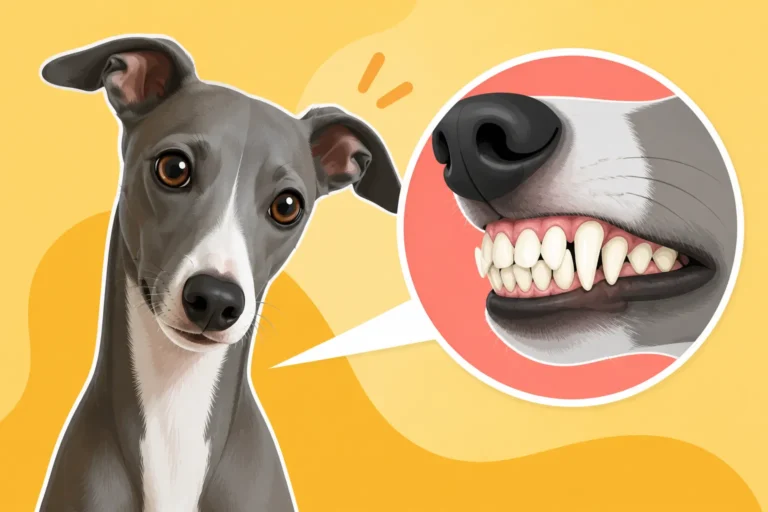
Our little Iggies have adorable, delicate muzzles, but this very feature is part of the problem. Italian Greyhounds typically have a full set of 42 teeth, just like much larger breeds, crammed into a proportionally tiny mouth. This crowding creates a perfect storm for dental disease. When teeth are packed so closely together, food particles and bacteria get trapped easily, forming plaque and then hardening into tartar. This environment is ripe for gingivitis, which quickly progresses to periodontal disease.
It’s not just the crowding, either. Their thin jawbones and fine enamel can also contribute to their predisposition. We often hear about how Periodontal Disease Is the Italian Greyhound's Most Common Diagnosis, and it's sadly true. From a young age, many Italian Greyhounds already show signs of tartar buildup, even before their second birthday. This rapid onset means we, as owners, have to be exceptionally diligent from day one, something many new IG parents aren't fully prepared for until they're facing their first hefty dental bill.
The Limitations of "Easy" Solutions
The appeal of dental chews is undeniable: an easy, hands-off approach to a persistent problem. Who wouldn't want to just toss their dog a treat and know their teeth are being cared for? The reality, however, is far more complex, especially for a breed like the Italian Greyhound. Many "dental" products on the market are designed for larger, stronger-jawed breeds who can really work a chew and scrape off plaque effectively. Our Iggies, with their delicate mouths and often finicky chewing habits, don't always engage with these chews in the same way, or for long enough to make a significant difference.
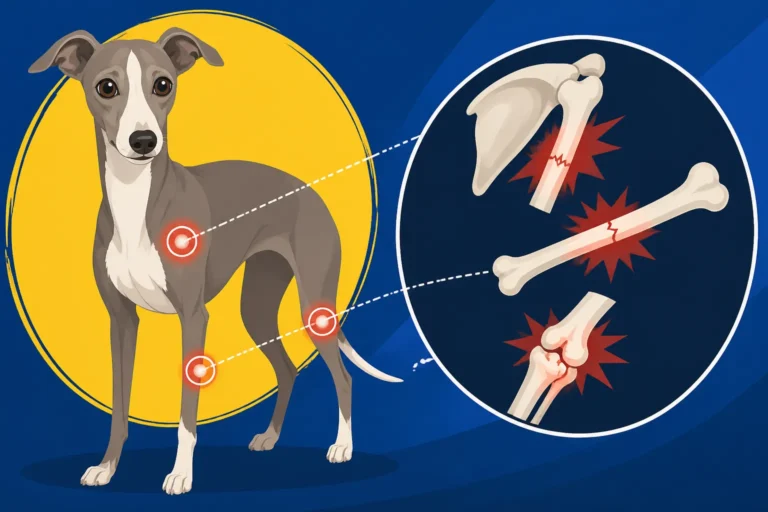
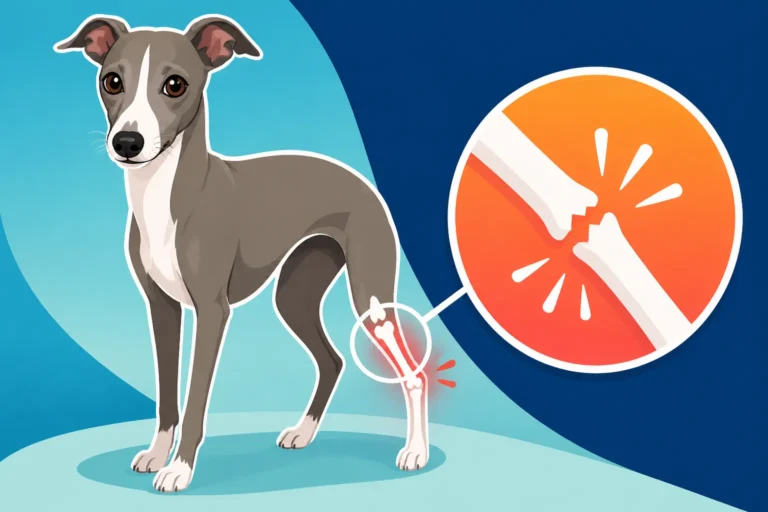
Furthermore, the very nature of an Italian Greyhound's fragile bones means we have to be incredibly cautious about what they chew on. Hard bones, antlers, or even some very dense dental chews can pose a fracture risk to their tiny teeth or delicate jaws. The last thing any of us want is for a well-intentioned dental treat to lead to a broken tooth or, even worse, Why an Italian Greyhound's Jaw Can Break During Extraction if a fracture makes a future dental procedure more complicated. This inherent fragility means many of the truly abrasive chews aren't suitable, leaving us with softer options that often lack the mechanical action needed to really clean teeth.
What Dental Chews Can (and Can't) Do for Your Italian Greyhound
So, where do dental chews fit into the picture, if at all? It's important to have realistic expectations and understand the nuances of how these products work, or don't work, for our unique breed.
The Mechanics of Dental Chews and Plaque
The basic premise behind most dental chews is mechanical abrasion. As a dog chews, the texture of the treat is supposed to scrape away plaque from the tooth surface. Some chews also contain ingredients designed to inhibit bacterial growth or break down tartar chemically. For larger dogs with robust chewing habits, this mechanical action can indeed offer some benefit, especially on the outer surfaces of the teeth.
However, for an Italian Greyhound, several factors limit this effectiveness. First, their small mouths and crowded teeth mean that many areas, particularly between teeth and on the inner surfaces, are simply inaccessible to a chew. The chew might primarily clean the larger, front-facing surfaces, leaving the most problematic areas untouched. Second, the chewing duration and intensity matter. An IG might quickly gobble down a soft chew, providing minimal contact time for any plaque-removing action. If they’re not truly gnawing and working the chew, it’s not doing much more than providing a tasty snack.
Differentiating Chew Types and Their Effectiveness
Not all dental chews are created equal, and understanding the differences is key. Here's a breakdown:
| Chew Type | Description | Potential Benefits for IGs | Potential Drawbacks for IGs |
|---|---|---|---|
| Enzymatic Chews | Contain enzymes (e.g., glucose oxidase, lactoperoxidase) that help break down plaque and inhibit bacterial growth. Often softer. | Some chemical action to reduce bacteria; generally safer for teeth. | Limited mechanical action; may be consumed too quickly; only tackles surface bacteria. |
| Abrasive Chews | Designed with a specific texture or shape to mechanically scrape teeth (e.g., ridges, nubs). | Can offer some plaque removal on accessible surfaces. | Risk of tooth fracture if too hard; many IGs don't chew vigorously enough; less effective on crowded teeth. |
| Water Additives/Gels | Not chews, but often marketed alongside them. Chemicals added to water or applied directly to gums to reduce bacteria/plaque. | Non-invasive; can reach all areas of the mouth. | Dogs may refuse to drink water with additives; less effective than direct cleaning; not a chew. |
| VOHC Approved Chews | Products validated by the Veterinary Oral Health Council (VOHC) for their ability to help control plaque and/or tartar. | Scientifically proven to provide some benefit, often for surface plaque. | Still secondary to brushing; may not address severe crowding; not a cure-all. |
When considering options for an Italian Greyhound, you really need to prioritize safety over extreme hardness. Many vets recommend avoiding anything that won't give a little when pressed with your thumb, to minimize the risk of tooth fracture. Brands like Greenies or certain dental formulations from Hills or Purina might be VOHC-approved, meaning they’ve met certain standards for effectiveness in reducing plaque or tartar. However, even these are primarily designed to reduce accumulation, not remove significant existing buildup, and often work best in conjunction with other preventative measures.
When Dental Chews Might Offer a Small Benefit
For an Italian Greyhound, dental chews can serve as a very minor supplemental tool, almost like a tiny bonus round in a much larger dental care game. They might help slightly with keeping the most accessible outer surfaces of the teeth a little cleaner, or provide a momentary distraction that some dogs enjoy. For example, if you have a young Italian Greyhound with minimal plaque, an appropriate, softer VOHC-approved chew might help slow down the initial accumulation, but it won't stop it.
Some owners find that a chew can help with mild bad breath, temporarily masking it or addressing a very superficial bacterial issue. If your Italian Greyhound has already developed significant tartar, a dental chew will do virtually nothing to remove it. Tartar is hard, calcified plaque that requires professional scaling, often under anesthesia, to be removed effectively. Thinking a dental chew can fix a mouth full of tartar is like thinking a light scrub brush can remove a barnacle from a boat hull – it's just not going to happen.
The Cornerstone of Italian Greyhound Dental Care
If dental chews are just a minor player, what truly makes the difference for an Italian Greyhound's delicate mouth? The answer lies in consistent, proactive care that addresses the root causes of their dental problems.
The Unbeatable Power of Daily Brushing
This is the absolute gold standard, the undisputed champion of Italian Greyhound dental care. Daily brushing is the most effective way to mechanically remove plaque before it hardens into tartar. Yes, it can be a challenge. Our Iggies are often squirmy, and getting into all those tiny, crowded spaces with a toothbrush requires patience and persistence. But the effort is unequivocally worth it.
Imagine trying to prevent cavities in your own mouth by just chewing on something – it wouldn't work, right? You brush, floss, and see your dentist. The same principle applies here. When you consistently Brushing an Italian Greyhound's Teeth Every Day, you're actively disrupting the bacterial biofilm and physically removing the plaque. It takes time, consistency, and the right tools. We need a toothbrush that Which Toothbrush Fits an Italian Greyhound's Mouth – usually a very small, soft-bristled brush or a finger brush – and a pet-safe enzymatic toothpaste.
Start slowly, making it a positive experience with lots of praise and treats. Even if you can only manage a few teeth at first, build up gradually. This daily ritual is the single most impactful thing you can do to preserve your Italian Greyhound's oral health and potentially save thousands in veterinary dental bills down the line. It's truly a game-changer for How Home Brushing Cuts an Italian Greyhound's Dental Bill.
Professional Dental Cleanings: A Non-Negotiable
Even with the most diligent home brushing, professional dental cleanings under anesthesia are an inevitable and crucial part of owning an Italian Greyhound. These aren't just a luxury; they are a medical necessity. How Often an Italian Greyhound Needs a Dental Cleaning can vary, but many Iggies need annual cleanings, some even more frequently.
During a professional dental, your veterinarian can thoroughly examine every tooth, probe for pockets under the gum line, take full-mouth radiographs to assess bone loss and hidden problems below the gum line, and perform a complete scaling and polishing. This is the only way to remove tartar effectively, treat existing periodontal disease, and extract any teeth that are too far gone to save.
It’s completely understandable to worry about Why Anesthesia Is Handled Differently in an Italian Greyhound given their small size and unique physiology. However, modern veterinary anesthesia protocols are very safe, especially when appropriate precautions are taken, such as pre-anesthetic bloodwork, IV fluids, and careful monitoring. The risks of untreated dental disease, which can lead to systemic infections, heart problems, and chronic pain, far outweigh the risks of a properly managed anesthetic procedure. Many pet insurance providers, such as Healthy Paws, offer coverage for these essential procedures, which can significantly ease the financial burden of What an Italian Greyhound's Annual Dental Costs.
Complementary Strategies for Optimal Oral Health
Beyond brushing and professional cleanings, there are other strategies that can support your Italian Greyhound's dental health, though none replace the core two:
- Veterinary Dental Water Additives: These liquids, when added to your dog's drinking water, contain ingredients that can help reduce bacteria in the mouth and slow plaque accumulation. While they don't scrub teeth, they can contribute to a healthier oral environment. Make sure to choose a VOHC-accepted product and ensure your IG drinks the water.
- Dental Wipes: These offer a quick way to wipe down the outer surfaces of teeth, especially for dogs who resist brushing. They're better than nothing, but less effective than a toothbrush.
- Diet: While dry kibble is sometimes touted for its "cleaning" action, its impact is often minimal. The idea that crunchy kibble scrapes teeth clean is largely a myth. Most dogs swallow kibble with minimal chewing action, and even when they do chew, it's often not enough to effectively remove plaque from all tooth surfaces, especially for crowded teeth. However, ensuring a high-quality, balanced diet is important for overall health, which in turn supports gum health.
- Regular Vet Check-ups: During routine wellness exams, your vet can assess your Italian Greyhound's oral health and recommend preventative measures or alert you to early signs of disease. This proactive approach can help you stay ahead of serious problems.
Here’s a summary of the hierarchy of dental care effectiveness for Italian Greyhounds:
| Priority | Method | Primary Benefit |
|---|---|---|
| 1 (Essential) | Daily Tooth Brushing | Direct mechanical removal of plaque, prevents tartar buildup, freshest breath |
| 2 (Essential) | Regular Professional Dental Cleanings | Removes tartar, addresses periodontal disease, radiographs for hidden issues, extractions |
| 3 (Supplemental) | Veterinary Dental Water Additives | Reduces oral bacteria, minor plaque inhibition |
| 4 (Minor Support) | VOHC-Accepted Dental Chews (soft/safe) | Very mild mechanical abrasion on accessible surfaces, minimal plaque reduction |
| 5 (Minimal) | Standard Kibble / Hard Toys | Insignificant dental benefit, potential for tooth fracture from hard items |
Making Informed Choices for Your Italian Greyhound's Teeth
Navigating the world of pet dental products can be overwhelming, with so many claims and options. For an Italian Greyhound owner, the focus must always be on what is genuinely effective and safe, rather than what simply sounds convenient.
Consulting Your Veterinarian
Your veterinarian is your most important partner in your Italian Greyhound's dental health journey. They can assess your individual dog's mouth, pinpoint specific problem areas (like particularly crowded molars), and recommend a tailored dental care plan. They can also guide you on Whether Dental Chews Are Safe for an Italian Greyhound based on your dog's chewing style and current dental condition. It's always best to ask your vet for specific recommendations for VOHC-accepted chews that are appropriately sized and textured for an Italian Greyhound to avoid any risks.
Don't be shy about asking questions about different products you've seen or heard about. A good vet will be happy to discuss the pros and cons and help you filter out the marketing hype from truly beneficial tools. They can also advise on things like What Bad Breath Means in an Italian Greyhound – often a sign of underlying dental disease that needs more than a chew to fix. If your Italian Greyhound has a history of fractures or very sensitive teeth, your vet might even recommend avoiding all chews entirely.
The Cost-Benefit of Dental Chews vs. Other Care
When you look at the economics of Italian Greyhound ownership, dental care is a significant line item. Many owners cringe at the prospect of annual or biannual dental cleanings, which can easily run into hundreds or even thousands of dollars. This is why the allure of a cheaper, simpler solution like dental chews is so strong. However, it's crucial to understand the true cost-benefit.
Investing in daily brushing with a quality pet toothpaste and a small toothbrush is minimal in cost, yet provides the highest return in terms of preventing disease. The recurring cost of professional dental cleanings, while higher, is absolutely necessary for long-term health. Think of it as an investment in How Dental Disease Shortens an Italian Greyhound's Life – keeping their mouth healthy contributes to their overall longevity and quality of life.
Dental chews, while less expensive per unit than a professional cleaning, often give a false sense of security. If you rely solely on chews and neglect brushing and professional cleanings, you're not saving money; you're simply delaying and exacerbating the problem. The eventual dental procedures will be more extensive, more painful for your dog, and more costly for you. Many pet insurance plans, like those offered by Healthy Paws, recognize the importance of comprehensive care, often covering significant portions of accident and illness-related dental issues, but typically not routine cleanings unless an optional wellness package is added. Always check your policy details regarding Whether Insurance Ever Pays an Italian Greyhound's Dental. Ultimately, a small daily investment of time in brushing, combined with a commitment to professional care, will yield far greater benefits and potentially lower lifetime costs than a cupboard full of dental chews.
Disclaimer
Please remember that this article provides general information and advice based on common Italian Greyhound health knowledge. Always consult with your trusted veterinarian for personalized recommendations regarding your Italian Greyhound's specific dental health needs and before making any changes to their care routine.