What Happens During an Italian Greyhound’s Dental
It's a familiar feeling for any Italian Greyhound owner: the knot of anxiety that forms in your stomach when the vet suggests a dental cleaning. We all know how delicate our Iggies are, not just their fragile bones, but also their tiny mouths and their unique sensitivity to anesthesia. The thought of them undergoing a procedure, even a routine one, can be nerve-wracking. This comprehensive guide is here to demystify the process, walking you through exactly what happens during an Italian Greyhound's dental procedure, from preparation to recovery, so you can feel more informed and at ease.
Understanding Why Italian Greyhounds Need Specialized Dental Care
Our beloved Italian Greyhounds are prone to dental issues in ways many other breeds aren't. Their delicate physiology, combined with specific breed characteristics, makes proactive dental care not just a recommendation but an absolute necessity for their overall health and longevity. It's not just about fresh breath; it's about preventing serious health complications.
The Unique Dental Challenges of Italian Greyhounds
Let's face it, our Iggies have rather elegant, slender heads, and that includes their jaws. Unfortunately, their mouths are often a bit too small for the 42 adult teeth they're supposed to have, leading to significant crowding. This overcrowding creates tiny crevices and overlaps where food particles and bacteria can easily get trapped, making it incredibly difficult to clean effectively, even with diligent home care. This is a primary reason why Why an Italian Greyhound's Teeth Crowd is such a common discussion among Iggy owners and vets alike.
Beyond crowding, Italian Greyhounds are notoriously prone to developing tartar and plaque at an alarming rate. It seems like one minute their teeth are pearly white, and the next, you see that tell-tale yellowish-brown buildup. This rapid accumulation, often starting at a surprisingly young age, exacerbates the problem, quickly progressing to gingivitis and then full-blown periodontal disease. This isn't a problem that waits until they're seniors; some Iggies can show significant dental issues even as young adults, making early intervention critical.
How Dental Disease Affects Overall Health
Ignoring those dental issues isn't just about bad breath; it's a silent threat to your Italian Greyhound's entire system. Periodontal disease, the inflammation and infection of the tissues surrounding the teeth, can allow bacteria from the mouth to enter the bloodstream. Once in the bloodstream, these bacteria can travel to vital organs like the heart, kidneys, and liver, causing serious secondary infections and organ damage. This is why Periodontal Disease Is the Italian Greyhound's Most Common Diagnosis and a significant concern for responsible owners.
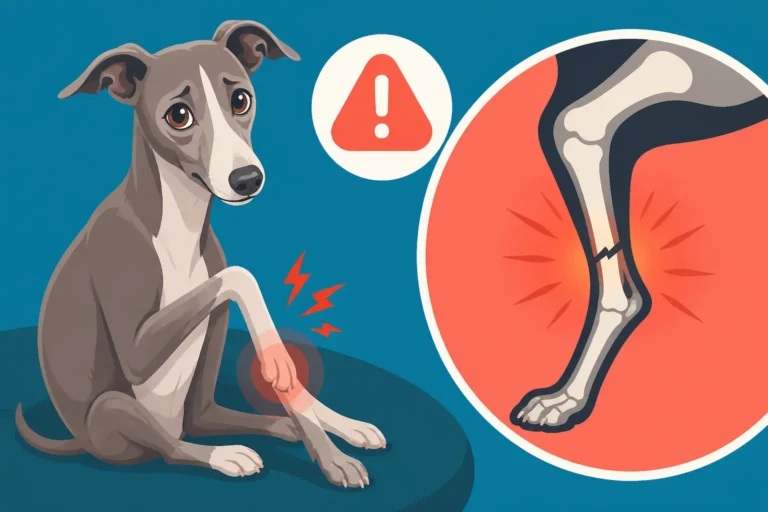
Untreated dental disease is also incredibly painful. Imagine having a constant toothache, infected gums, or loose teeth. Your Italian Greyhound, being the stoic little creature they often are, might not show obvious signs of discomfort until the pain is severe. They might simply become a bit pickier with their food, less enthusiastic about playing, or generally more subdued. This chronic pain significantly impacts their quality of life. Furthermore, severe periodontal disease can lead to jaw fractures, especially in a breed with such delicate bone structure. The infection can weaken the jawbone around the tooth roots, making it incredibly susceptible to breaks, a truly devastating complication.
| Stage of Periodontal Disease | Description | Common Signs | Typical Veterinary Intervention |
|---|---|---|---|
| Stage 1: Gingivitis | Redness, swelling of gums, plaque/tartar buildup | Bad breath, red gum line, mild bleeding | Professional cleaning (scaling, polishing) |
| Stage 2: Early Periodontitis | Increased gum inflammation, minor bone loss | More severe bad breath, visibly inflamed gums | Professional cleaning, possibly some root planing, preventative care |
| Stage 3: Moderate Periodontitis | Significant inflammation, moderate bone loss | Loose teeth, pus, painful eating, bleeding gums | Professional cleaning, dental X-rays, extractions of affected teeth |
| Stage 4: Advanced Periodontitis | Severe inflammation, extensive bone loss, infection | Severe pain, extensive tooth mobility, abscesses, jaw weakness | Extensive extractions, advanced surgical procedures, pain management |
The Essential Steps Before Your Italian Greyhound's Dental Procedure
Preparation is key, especially when dealing with a breed as unique as the Italian Greyhound. A thorough pre-operative assessment ensures the procedure is as safe as possible, addressing the specific risks associated with their delicate nature and sensitivity to certain medications.
Pre-Anesthetic Bloodwork and Physical Exam
Before any Italian Greyhound goes under anesthesia, a comprehensive physical examination is absolutely non-negotiable. Your vet will listen to their heart and lungs, check their overall body condition, and assess their general health. This exam helps identify any underlying issues that might increase anesthetic risk. But the real game-changer is the pre-anesthetic bloodwork. This typically includes a complete blood count (CBC) to check for infection, anemia, and other blood disorders, and a chemistry panel to evaluate organ function (kidneys, liver, pancreas).
Why is this so vital for an Italian Greyhound? Their small size and unique metabolism mean their bodies process drugs differently. Abnormal organ function, especially of the liver or kidneys, could compromise their ability to metabolize anesthetic agents, leading to prolonged recovery or more serious complications. This bloodwork provides a critical baseline and helps your veterinary team tailor the anesthetic protocol specifically for your individual dog, ensuring they are as healthy as possible before the procedure begins. It’s an investment in their safety.
Anesthesia Considerations for Sighthounds
This is often the part that makes Italian Greyhound owners the most nervous, and for good reason. Sighthounds, including Iggies, are known to be particularly sensitive to certain anesthetic drugs and can be prone to hypothermia during and after surgery. It's a valid concern, and one that experienced vets take very seriously. Because of these sensitivities, Why Anesthesia Is Handled Differently in an Italian Greyhound is a topic every owner should discuss with their vet.
Your vet will typically choose a combination of short-acting, easily reversible anesthetic agents to minimize the risks. They might use specific pre-medications to help with anxiety and pain control, and then induce anesthesia with a rapid-acting injectable drug, followed by gas anesthesia (isoflurane or sevoflurane) delivered via an endotracheal tube. The goal is to keep them under for the shortest effective time. Many veterinary practices now have specialized protocols for sighthounds, utilizing drugs like propofol or alfaxalone for induction and gas anesthetics for maintenance. Furthermore, active warming measures are crucial. This means heated tables, circulating warm air blankets, and warm IV fluids to combat their natural tendency to get cold under sedation. If you're wondering Whether an Italian Greyhound Gets Cold Under Sedation, the answer is a resounding yes, which is why your vet should be prepared with these warming techniques.
It's also worth discussing pet insurance here. A good policy, like those offered by Healthy Paws, can provide significant peace of mind when facing necessary procedures like dental cleanings, especially given the specialized anesthetic protocols and potential for extractions. Knowing that a portion of these costs might be covered can alleviate financial stress, allowing you to prioritize your Iggy's health without compromise.
A Detailed Look at the Dental Procedure Itself
Once your Italian Greyhound is safely under anesthesia, the real work begins. It’s far more than just a quick scrape; it’s a thorough medical procedure aimed at addressing both visible and hidden dental issues.
Anesthesia and Monitoring During the Procedure
While your Iggy is under, they are never alone. A dedicated veterinary technician will be monitoring them constantly, acting as their advocate throughout the entire process. This monitoring is incredibly comprehensive, including:
- Heart Rate and Rhythm (ECG): An electrocardiogram tracks their heart's electrical activity, ensuring it's beating steadily and effectively.
- Respiratory Rate and Depth: Monitoring how often and how deeply they're breathing.
- Blood Pressure: Essential for ensuring adequate blood flow to all organs.
- Oxygen Saturation (Pulse Oximetry): Measuring the percentage of oxygen in their red blood cells.
- End-tidal CO2 (Capnography): Tracking the carbon dioxide levels in their exhaled breath, which is a key indicator of ventilation and circulation.
- Body Temperature: Crucially, continuous temperature monitoring is in place, with active warming devices (like Bair Huggers or warmed circulating water blankets) being adjusted as needed to prevent hypothermia, which is a significant concern for Italian Greyhounds.
The monitoring technician constantly adjusts anesthetic depth, fluid rates, and warming devices to keep your Italian Greyhound in the safest possible state. This vigilance is paramount to minimizing risks associated with anesthesia, especially for sensitive breeds.
Full Mouth X-Rays Reveal Hidden Issues
You wouldn't get major dental work done without X-rays, and neither should your Italian Greyhound. Dental X-rays are absolutely critical, perhaps even more so for Iggies, because so many problems lie beneath the gum line, invisible to the naked eye. In fact, studies show that over 60% of significant dental pathology in dogs is found only on radiographs.
During the procedure, after your Iggy is anesthetized, a series of full-mouth X-rays will be taken. This means every tooth, from the incisors to the molars, gets its close-up. These images allow the vet to see:
- Bone Loss: How much bone support each tooth has lost due to periodontal disease.
- Root Integrity: Whether tooth roots are fractured, infected, or resorbing.
- Abscesses: Pockets of infection at the tooth roots that can be incredibly painful.
- Impacted or Unerupted Teeth: Teeth that never fully emerged or are stuck beneath the gum.
- Jawbone Health: The overall condition of the delicate jawbone, which is especially important for Italian Greyhounds who are prone to jaw fractures during extractions due to their thin mandibles.
Without X-rays, the veterinary team would be guessing, potentially leaving painful problems undiagnosed and untreated. It's a non-negotiable step for a truly thorough and effective dental procedure.
Scaling, Polishing, and Extractions
Once the X-rays are reviewed, the actual cleaning and treatment begin. This usually involves:
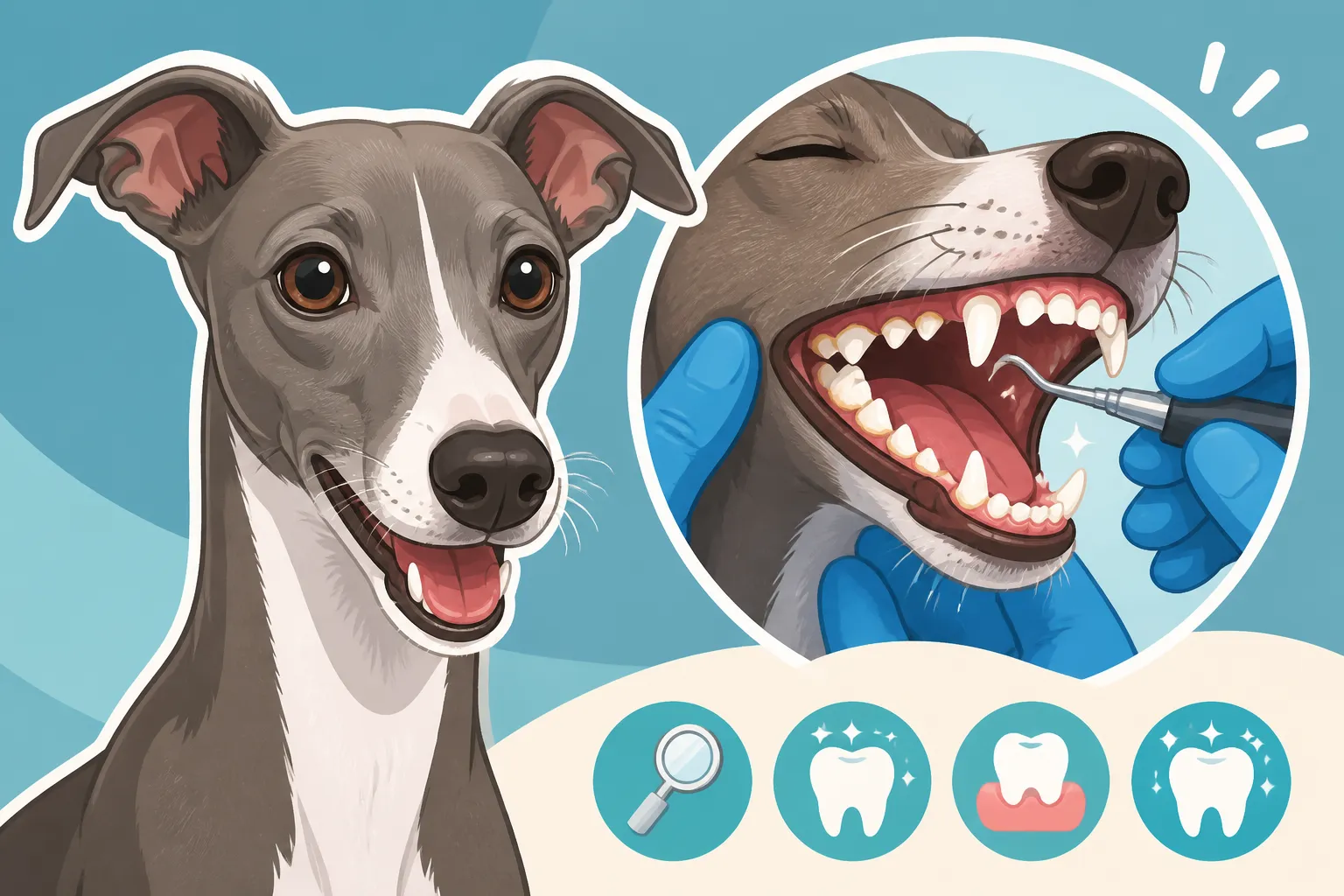
- Supragingival Scaling: Using an ultrasonic scaler, the veterinary technician or vet meticulously removes plaque and tartar from the visible surface of the teeth, above the gum line. This is similar to what a dental hygienist does for you.
- Subgingival Scaling: This is where the real deep cleaning happens. Tartar and plaque are carefully removed from beneath the gum line, where periodontal disease really takes hold. This is crucial for halting the progression of gum disease.
- Polishing: After scaling, the teeth are polished with a special paste. This creates a smooth surface on the tooth enamel, which helps to prevent plaque and tartar from adhering as quickly in the future.
- Fluoride Treatment (Optional): Some clinics may apply a fluoride treatment to strengthen enamel and reduce sensitivity.
- Extractions: If X-rays reveal severe bone loss, root fractures, abscesses, or other irreversible damage, extractions will be performed. This is often the most complex part of the procedure, especially for Iggies with their fragile jaws. The vet will carefully section multi-rooted teeth, use specialized instruments to elevate the tooth, and suture the gum tissue afterward. This is a delicate process, and preventing Why an Italian Greyhound's Jaw Can Break During Extraction is a serious consideration, requiring experienced hands. Pain management is paramount, with local anesthetic blocks often used in addition to systemic pain medication.
Your vet will communicate with you during or immediately after the procedure regarding any extractions or significant findings. They will detail the condition of the mouth and the prognosis, ensuring you're fully informed about your Iggy's new smile.
After the Cleaning: Recovery and Long-Term Dental Health
The dental procedure doesn't end when your Italian Greyhound wakes up. The recovery period is important, and ongoing home care is essential for maintaining their oral health.
Recovery and Monitoring Post-Procedure
As your Italian Greyhound starts to wake up, they will be kept warm and monitored closely in a quiet, comfortable recovery area. The veterinary team will continue to track their vital signs, ensuring they recover smoothly from the anesthesia. They'll also be watching for any signs of pain or discomfort. Pain management is a top priority, especially if extractions were performed. Your Iggy will likely receive injectable pain medication before, during, and immediately after the procedure, and you'll often be sent home with oral pain medication and possibly anti-inflammatory drugs.
It's completely normal for your Italian Greyhound to be a little groggy, disoriented, or even a bit whiny when you pick them up. Anesthesia can affect them for several hours. They might not have much of an appetite initially, and that's okay. Keep them in a safe, warm, and quiet space at home, away from stairs or high furniture where they might accidentally injure themselves while still recovering. A cozy, soft bed with plenty of blankets is ideal, as they will still be susceptible to feeling chilly.
At-Home Care and Follow-Up for Lasting Results
The work doesn't stop once you bring your Italian Greyhound home. The post-dental period is crucial for healing, and ongoing home care is the best defense against future dental problems. For the first few days, especially if extractions were done, your vet will recommend feeding soft food. This reduces stress on their healing gums and any extraction sites. You'll need to administer any prescribed pain medications or antibiotics diligently according to your vet's instructions.
The long-term success of the dental cleaning largely depends on consistent home dental care. This means daily brushing, if possible. Don't worry, it's not as daunting as it sounds once you get into a routine! Brushing an Italian Greyhound's Teeth Every Day is the gold standard for preventing plaque and tartar buildup. Your vet can show you the best techniques and recommend appropriate toothbrushes and enzymatic toothpastes specifically designed for dogs. While dental chews and water additives can be supplementary, they are never a substitute for brushing.
Regular follow-up appointments with your vet will help monitor their oral health and determine How Often an Italian Greyhound Needs a Dental Cleaning. For many Italian Greyhounds, due to their predisposition, this might mean yearly or even more frequent professional cleanings. Consider investing in a good pet insurance plan, such as Healthy Paws, which often helps cover the significant costs associated with regular veterinary dental care and unexpected extractions. Being proactive with your Iggy’s dental health can make a huge difference in their comfort, health, and ultimately, How Dental Disease Shortens an Italian Greyhound's Life. It truly is an essential part of responsible Italian Greyhound ownership.
Disclaimer
This article is intended for informational purposes only and does not constitute medical advice. Always consult with a qualified veterinarian for any health concerns or before making any decisions about your Italian Greyhound's care.