Signs an Italian Greyhound’s Kneecap Slips
One of the most concerning things for any Italian Greyhound owner is seeing their beloved, delicate companion exhibit a limp or unusual movement. Given their famously fragile bones and slender build, even a slight skip can send a jolt of fear through you. This guide is here to walk you through the subtle, and sometimes not-so-subtle, signs that your Italian Greyhound might be experiencing a slipped kneecap, officially known as patellar luxation, and what you can do about it.
Understanding Patellar Luxation in Italian Greyhounds
Patellar luxation is a common orthopedic condition, especially prevalent in smaller breeds like our Italian Greyhounds. It refers to the displacement of the patella, or kneecap, from its normal position in the trochlear groove of the femur (thigh bone). This can be a scary diagnosis, but understanding it is the first step towards managing it effectively for your dog.
What is Patellar Luxation?
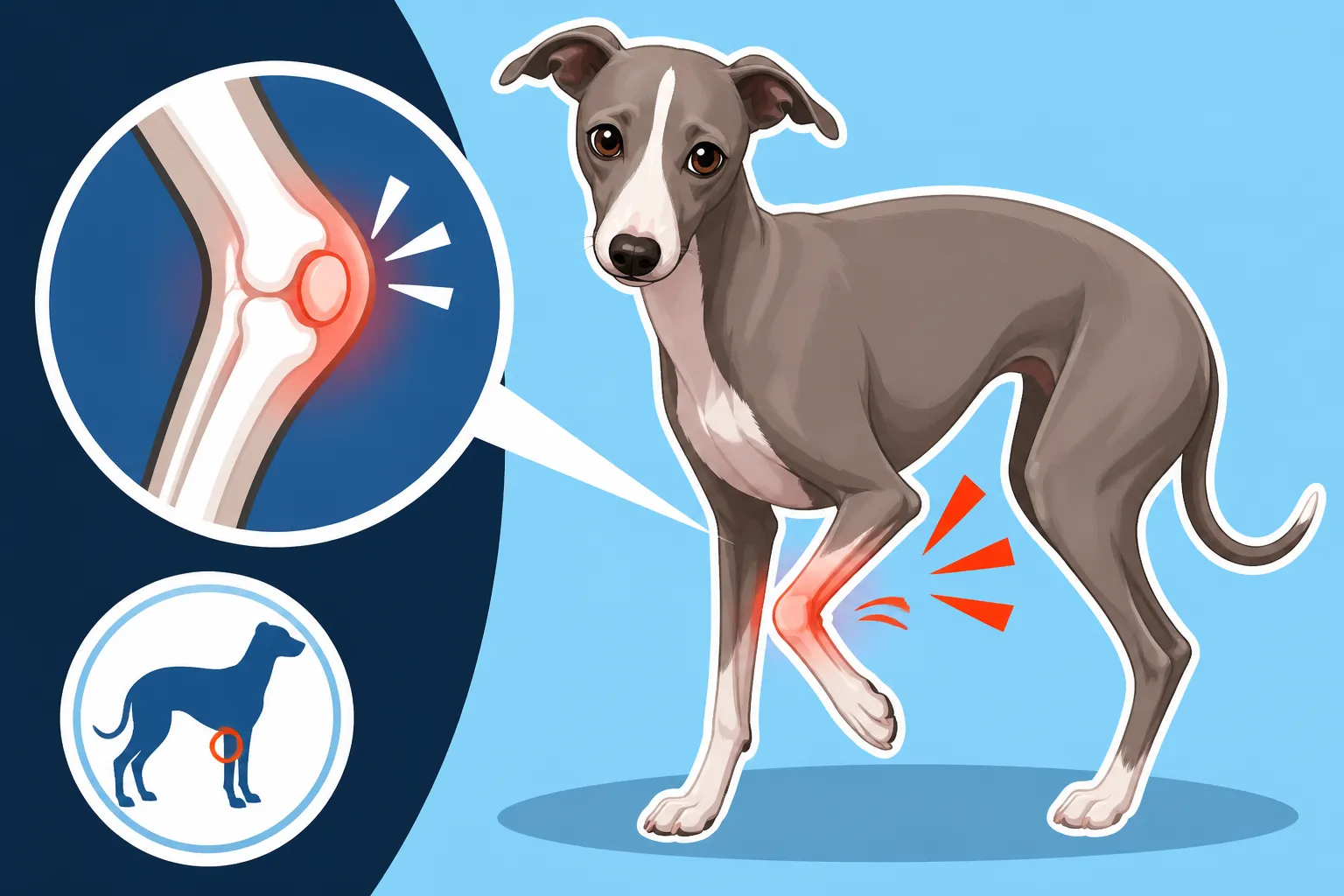
At its core, patellar luxation is when the kneecap, which normally glides smoothly up and down a groove at the end of the thigh bone, pops out of place. This can happen to the inside (medial luxation) or, less commonly, to the outside (lateral luxation) of the leg. For an Italian Greyhound, whose anatomy is already quite unique with those long, slender legs, this displacement can cause varying degrees of discomfort and mobility issues. It's not always a constant problem; sometimes the kneecap might pop out and then spontaneously pop back in, which can make the symptoms seem intermittent and confusing to an owner. You might see your dog skip a step, shake their leg, or hold it up for a moment before seemingly returning to normal. This on-again, off-again nature is often what makes it so hard for owners to pinpoint initially, leading to anxiety and uncertainty.
Why Italian Greyhounds Are Prone to It
Italian Greyhounds, unfortunately, are genetically predisposed to patellar luxation. Their conformation, while beautiful and characteristic of the sighthound type, plays a significant role. Breeders work hard to minimize this risk, but it can still occur. The primary reasons include:
- Shallow Trochlear Groove: The groove in the femur where the kneecap should sit can be too shallow, allowing the patella to easily slide out.
- Misalignment of the Quadriceps Muscle: The quadriceps muscles and patellar ligament might not be perfectly aligned with the trochlear groove, creating an off-center pull that encourages the kneecap to luxate.
- Bone Deformities: Sometimes, the tibia (shin bone) or femur can have slight twists or curvatures that contribute to the misalignment. These subtle anatomical differences, often inherited, mean that even a perfectly healthy puppy can develop issues as they grow or after even minor trauma. It's a cruel twist that a breed known for its grace can have such a delicate knee joint. When you consider Whether the Italian Greyhound is a healthy breed, it’s often these orthopedic issues that come to mind first for many owners.
The Different Grades of Patellar Luxation
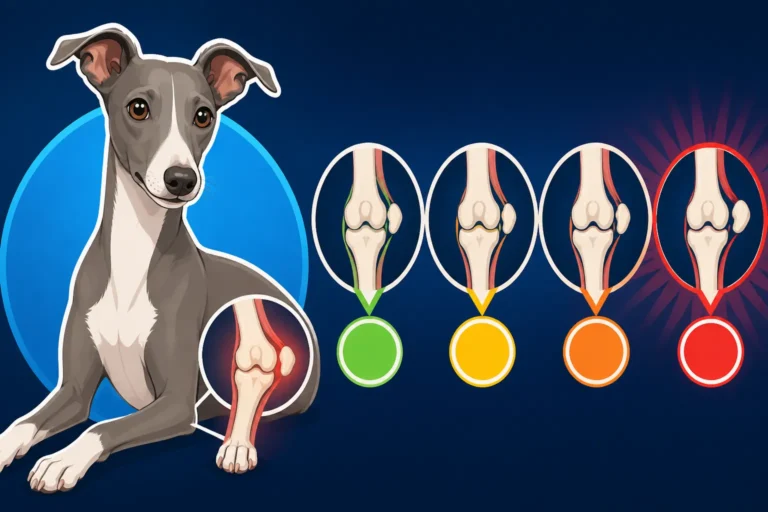
Veterinarians classify patellar luxation into four grades, from mild to severe. This grading helps determine the best course of action and what you might expect regarding your dog's mobility and comfort.
- Grade I: This is the mildest form. The kneecap can be manually luxated (moved out of place) by a vet but will spontaneously return to its normal position. Your Italian Greyhound might show no clinical signs at all, or perhaps just an occasional, almost imperceptible skip. Many dogs with Grade I live full, active lives without intervention.
- Grade II: The kneecap luxates spontaneously, meaning it pops out on its own, and usually returns to its normal position either spontaneously or when the leg is extended. You'll likely notice more frequent skipping or limping, especially after activity. This is often the point where owners start to realize something isn't quite right.
- Grade III: The kneecap is luxated most of the time but can be manually returned to its normal position. However, it will pop back out almost immediately. Dogs with Grade III typically show a persistent limp, may hold the affected leg up more often, and might have a "bow-legged" or "knock-kneed" appearance. Their quality of life is usually impacted.
- Grade IV: This is the most severe grade. The kneecap is permanently luxated and cannot be manually repositioned. Dogs with Grade IV often have significant lameness, chronic pain, and a noticeably abnormal gait. Their leg might appear twisted or bent, and they may have difficulty bearing weight. This grade often requires surgical intervention to improve mobility and comfort.
Understanding these grades is crucial because the visible signs you observe in your Italian Greyhound will often correlate with the severity. Early detection and diagnosis are truly invaluable.
Recognizing the Early Warning Signs of a Slipping Kneecap
Catching patellar luxation early can make a world of difference for your Italian Greyhound. Their stoic nature, a common trait in sighthounds, often means they try to hide discomfort, making it even more important for owners to be vigilant. You know your dog best, and noticing subtle changes is key. Many an owner has worried, "why does my Italian Greyhound skip a step when running?", and this is often the very first clue.
Intermittent Limping or "Skipping"
This is by far the most common and often the earliest sign of patellar luxation. Imagine your Italian Greyhound, full of their typical playful energy, dashing across the living room or bouncing off the sofa after a nap. Suddenly, they might hop on three legs for a few steps, holding one back leg tucked up, then just as quickly, put it down and resume normal running as if nothing happened. This "skipping" is precisely what it sounds like – a temporary inability to fully bear weight on the affected leg.
It's intermittent because the kneecap may be popping out and then sliding back into place on its own. It's a fleeting moment, sometimes so quick you wonder if you even saw it. You might dismiss it as a momentary stumble or awkward landing. However, if you see this behavior repeatedly, even if it's only once a week or a few times a month, it warrants attention. Pay close attention after vigorous play, getting up from rest, or navigating stairs. This subtle hop is your Italian Greyhound’s way of telling you something is amiss.
Reluctance to Use a Leg
Beyond the distinct skipping, you might notice a general reluctance in your Italian Greyhound to fully use one of their hind legs. This can manifest in several ways:
- Holding the Leg Up: Your IG might hold the affected leg up for longer periods, especially when standing still, resting, or even when trying to put weight on it. They might appear to "favor" the other leg.
- Hesitation Before Jumping or Climbing: If your Italian Greyhound usually loves to jump onto the sofa or bed (despite our best efforts to teach them Teaching an Italian Greyhound not to jump down), you might notice them hesitate or even refuse to do so. This isn't stubbornness; it's often a sign that the action causes them pain or instability.
- Slight Stiffness After Rest: When your Italian Greyhound first wakes up, they might walk with a noticeable stiffness in the affected leg, which can lessen as they move around. This is especially true after a long nap or in colder weather. This reluctance isn't always dramatic; it can be a subtle shift in their usual graceful movement, a slight awkwardness that wasn't there before.
Pain or Discomfort During Movement
Italian Greyhounds are notoriously good at hiding pain, a trait common in sighthounds that stems from their ancestral need to avoid appearing weak to predators. This makes spotting discomfort tricky, but not impossible. Look for these indicators:
- Whimpering or Crying: While less common for mild luxation, if the kneecap pops out and causes significant pain, your IG might let out a yelp or whimper. This usually happens during an acute episode of luxation.
- Licking or Chewing at the Knee: Dogs often self-soothe by licking painful areas. If you notice your Italian Greyhound repeatedly licking or chewing at their knee joint, it’s a strong signal of discomfort.
- Sensitivity to Touch: Gently touch your dog's knee area. If they flinch, pull away, or show any sign of aggression, it could indicate pain. Always approach this carefully and never force a painful interaction.
- Changes in Demeanor: A dog in chronic pain might become less playful, more withdrawn, or even a bit irritable. If your usually happy-go-lucky IG seems a bit "off," it's worth investigating. This subtle shift in personality can be one of the most heartbreaking signs, as it indicates a deeper level of discomfort than just an occasional skip. For more on how these dogs mask their discomfort, you might find How an Italian Greyhound Hides Pain particularly insightful.
Advanced Indicators and How They Progress
As patellar luxation progresses, the signs typically become more obvious and consistent. What might have started as an occasional skip can evolve into persistent lameness and visible changes in your Italian Greyhound's posture and movement. It's at this stage that the condition truly starts to impact their daily life and enjoyment.
Audible Clicks or Pops
When the kneecap consistently slips out of the trochlear groove, you might start to hear it. An audible "click" or "pop" can sometimes accompany the luxation and reduction (when it slips back into place). This sound is usually heard when your Italian Greyhound is walking, running, or changing position. It’s the sound of bone and cartilage rubbing together abnormally. While not always present, if you do hear it, it's a clear indication that the kneecap is moving where it shouldn't. It's a disconcerting sound that confirms what your eyes might have already been telling you – the joint is unstable.
Visible Deformity or Swelling
In more advanced cases, particularly Grade III and IV luxations, you might start to see physical changes in your Italian Greyhound's leg.
- Visible Luxation: If the kneecap is frequently luxated or permanently displaced, you might actually be able to see it sitting to one side of the joint. It can create a noticeable bulge on either the inner or outer side of the knee.
- Muscle Atrophy: Over time, if your Italian Greyhound isn't using the affected leg properly, the muscles in that leg can begin to waste away. This muscle atrophy will make the leg look thinner compared to the healthy limb, further highlighting the issue.
- Swelling: While not always obvious, inflammation around the joint can lead to subtle swelling. This might be hard to spot on a thin-skinned Italian Greyhound, but gently feeling the area might reveal warmth or puffiness compared to the other knee.
- Abnormal Leg Angle: In severe, chronic cases, the continuous pulling of the kneecap out of alignment can actually cause the bones of the leg (femur and tibia) to deform over time. This can result in a permanent "bow-legged" appearance if the luxation is medial, or a "knock-kneed" appearance if it's lateral. This kind of skeletal change is a serious indicator that the condition has been present and unaddressed for a significant period.
Changes in Gait and Activity Levels
The way your Italian Greyhound walks and their general activity level will inevitably change as patellar luxation progresses.
- Persistent Lameness: The intermittent skipping will likely give way to a more consistent limp or lameness. Your dog might frequently hold the affected leg up, only putting weight on it when absolutely necessary. They might walk with a crouched stance, trying to shift weight off the painful joint.
- Reduced Activity: Your once energetic Italian Greyhound might become noticeably less active. They may avoid playing, running, or even going for walks. The joy they once found in their daily zoomies might diminish because of the pain and instability. This can be heartbreaking to witness, as it directly impacts their quality of life.
- Difficulty with Stairs or Ramps: Even if you have Ramps and steps for an Italian Greyhound's furniture to protect their fragile legs, a dog with advanced luxation will struggle with inclines or declines. They might refuse to use them, or move very slowly and awkwardly.
- Sitting or Lying in Unusual Positions: To alleviate pressure on the painful joint, your Italian Greyhound might adopt strange sitting positions, such as sitting with the affected leg extended out to the side rather than tucked underneath them. They might also lie down more often or prefer certain positions to avoid aggravating the knee. Observing these changes in daily habits is crucial for early detection.
What to Do If You Suspect Patellar Luxation
Discovering that your beloved Italian Greyhound might have a slipped kneecap can be daunting. You're probably filled with questions and a natural desire to alleviate their discomfort. The good news is that patellar luxation is a treatable condition, and there are clear steps you can take to help your dog. This is where a proactive approach truly shines.
The Importance of Early Veterinary Consultation
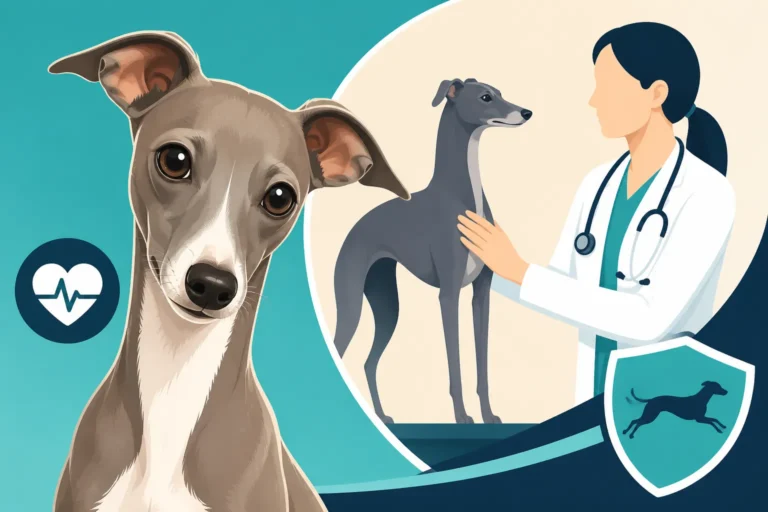
As soon as you notice any of the signs we've discussed – even if they are subtle and intermittent – scheduling a veterinary visit is paramount. Do not wait for the symptoms to become severe or constant. Italian Greyhounds, like many sighthounds, are experts at masking pain, and what appears minor to us might be causing significant, though hidden, discomfort. Early diagnosis allows for earlier intervention, which can often prevent the condition from worsening and lead to better long-term outcomes.
Your veterinarian is your best partner in this journey. They can distinguish patellar luxation from other potential causes of limping or discomfort, such as a muscle strain, a minor fracture (a concern with their delicate bones, as discussed in Why an Italian Greyhound's radius is the bone that breaks), or even something less common like Legg-Calve-Perthes disease which shows up in puppies around six months. Don’t hesitate to reach out to your vet; they've seen it all, and they're there to help you and your Italian Greyhound.
Diagnostic Process and Confirmation
When you take your Italian Greyhound to the vet, they will typically perform a thorough physical examination. This usually involves:
- Palpation of the Knee Joint: The vet will gently manipulate your dog's knee joint, flexing and extending the leg, and attempting to manually luxate the patella. This helps them assess the stability of the joint and assign a grade to any luxation present. They'll be feeling for that tell-tale "pop" or "click."
- Gait Analysis: They'll observe your Italian Greyhound walking and running, looking for the characteristic skipping or lameness you've described. Sometimes, videoing your dog at home displaying the behavior can be incredibly helpful for your vet.
- X-rays: Radiographs are often crucial. While patellar luxation is diagnosed by palpation, X-rays can reveal underlying bone deformities that contribute to the condition, assess for arthritis (which can develop secondary to chronic luxation), and rule out other orthopedic issues. They provide a comprehensive picture of the joint's overall health and structure.
Once a diagnosis is confirmed, your vet will discuss the grade of luxation and the various management options available.
Managing the Condition
The treatment approach for patellar luxation depends heavily on its grade, your Italian Greyhound's age, overall health, and quality of life.
-
Conservative Management: For Grade I and some Grade II luxations, conservative management might be recommended. This includes:
- Weight Management: Keeping your Italian Greyhound at a healthy weight is vital to reduce stress on their joints. Even a pound or two extra can make a big difference.
- Controlled Exercise: Low-impact exercise, such as short, leashed walks on soft surfaces, can help maintain muscle strength without overstressing the joint. Avoid jumping and rough play.
- Joint Supplements: Your vet might recommend supplements containing glucosamine, chondroitin, and MSM to support joint health and potentially slow the progression of arthritis.
- Anti-inflammatory Medications: For periods of pain or inflammation, your vet might prescribe non-steroidal anti-inflammatory drugs (NSAIDs) to keep your Italian Greyhound comfortable.
-
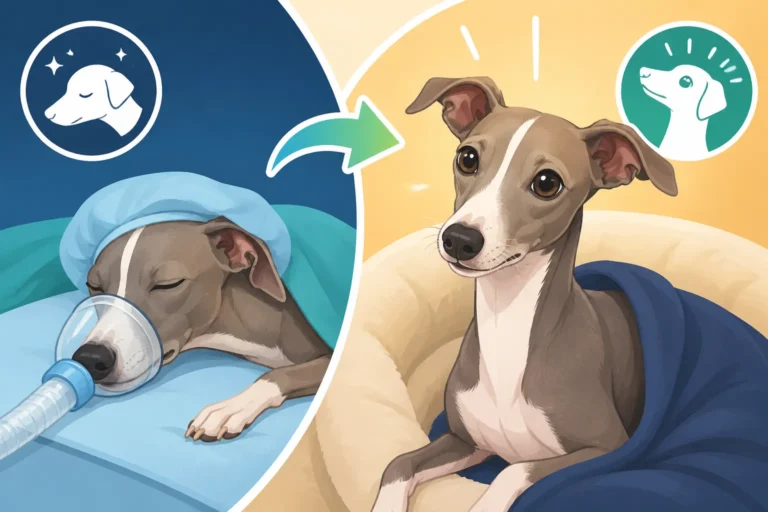
Surgical Intervention: For Grade III and IV luxations, or Grade II cases where conservative management isn't sufficient to maintain a good quality of life, surgery is often the most effective solution. Surgical techniques aim to realign the patella and deepen the trochlear groove. Common procedures include:
- Trochlear Wedge or Block Recession: Deepening the groove where the patella sits.
- Tibial Crest Transposition: Moving the attachment point of the patellar ligament to better align it with the groove.
- Fascial Release/Imbrication: Releasing or tightening surrounding soft tissues to help keep the kneecap in place.
Surgery can be a significant undertaking, both emotionally and financially. It’s important to discuss all options thoroughly with your veterinary surgeon. Having pet insurance, perhaps from a provider like Healthy Paws, can be incredibly helpful in managing unexpected costs associated with diagnostics, medications, and potential surgeries for conditions like patellar luxation, providing peace of mind during a stressful time. What an Italian Greyhound costs per month can quickly increase if these unexpected medical expenses arise.
No matter the chosen path, consistent follow-up with your vet, adherence to any medication schedules, and dedicated physical therapy can significantly improve your Italian Greyhound's comfort and long-term prognosis. It’s all about giving your unique companion the best chance at a happy, mobile life.
Here’s a quick overview of the grades and what they mean:
| Grade of Luxation | Description | Common Signs | Recommended Action |
|---|---|---|---|
| Grade I | Kneecap can be manually luxated, but stays in place. | Occasional, minor skip; often no visible signs. | Monitor, weight management, joint supplements. |
| Grade II | Kneecap spontaneously luxates, often returns on its own. | Intermittent skipping, limping, reluctance to fully use leg, occasional pain. | Conservative management (weight, controlled exercise, supplements); surgery considered if quality of life is affected. |
| Grade III | Kneecap is luxated most of the time, can be manually reduced. | Persistent limp, holding leg up frequently, abnormal gait, visible deformity. | Surgery highly recommended to improve function and prevent arthritis. |
| Grade IV | Kneecap is permanently luxated, cannot be reduced. | Severe lameness, chronic pain, significant deformity, difficulty walking. | Surgery almost always required to restore function and alleviate pain. |
Remember, every Italian Greyhound is an individual. What works for one might not work for another. Partnering with your vet is the key to navigating this journey successfully. Thinking about the long-term, it's worth considering What an Italian Greyhound costs over fifteen years when planning for potential health issues like these. Investing in preventative care and being prepared for common issues like patellar luxation can truly make a difference in their overall Why an Italian Greyhound lives fourteen to fifteen years. Sometimes, pet insurance, such as a plan from Healthy Paws, can significantly ease the financial burden if surgery or ongoing care is needed, allowing you to focus on your Italian Greyhound's recovery. Regularly check in with your vet to ensure your Italian Greyhound receives optimal care, perhaps at their How often an Italian Greyhound needs a wellness exam.
Disclaimer
The information provided in this article is for general informational purposes only and is not a substitute for professional veterinary advice. Always consult with a qualified veterinarian for any health concerns or before making any decisions related to your Italian Greyhound's care.