Teaching an Italian Greyhound Not to Jump Down
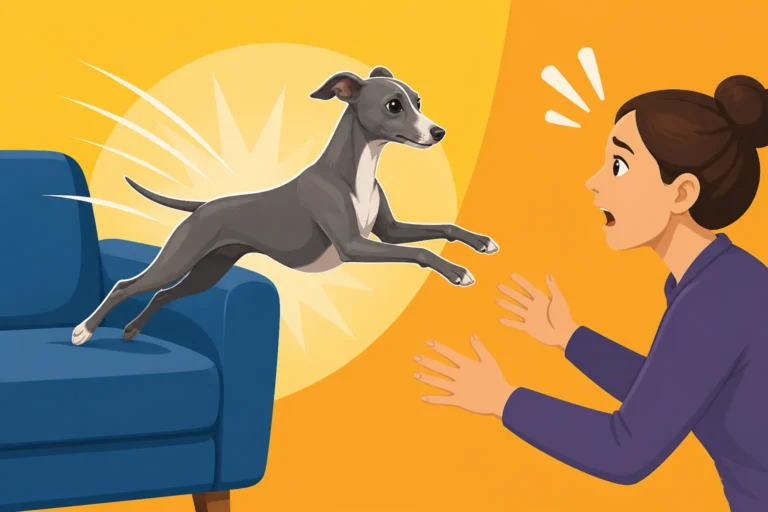
One of the most heart-stopping moments for an Italian Greyhound owner is watching their fragile friend leap from a sofa, a bed, or even out of someone's arms. The tiny, elegant legs seem ill-equipped for such impact, and indeed, they often are. This guide is dedicated to helping you understand why your Italian Greyhound insists on these perilous jumps and, more importantly, how you can teach them safer habits to protect those delicate bones.
The Allure of the Jump: Why Your Italian Greyhound Takes the Leap
It's a perplexing behavior, isn't it? You know how fragile they are, yet they launch themselves with such abandon. It’s not defiance, but a cocktail of instinct, learned behavior, and pure, unadulterated Italian Greyhound personality. Understanding these motivators is the first step in gently guiding them toward safer choices.
Natural Instincts and Sighthound Agility
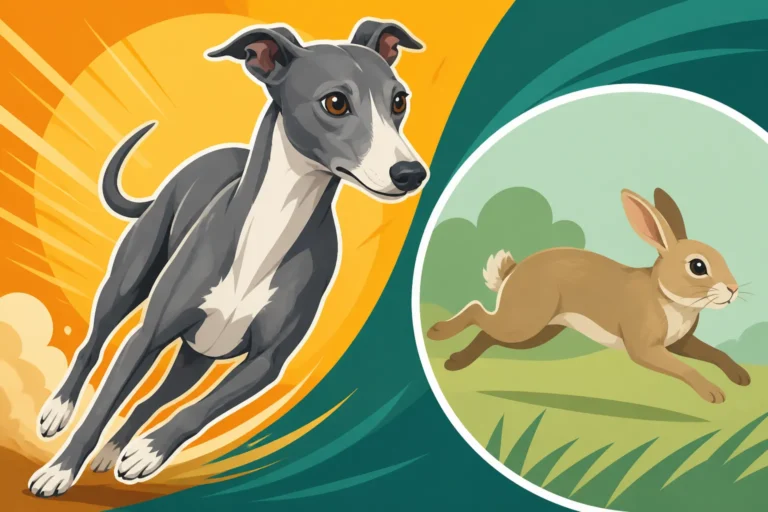
Despite their delicate appearance, Italian Greyhounds are sighthounds. This means they are inherently athletic, built for speed and quick, agile movements. Their long legs, deep chests, and lithe bodies are designed for bursts of incredible speed across open fields. While your living room might not be a wide-open field, that inherent athleticism still drives them. They love to run, chase, and yes, sometimes, jump. It’s an expression of their natural physical capabilities, even if those capabilities are sometimes at odds with their skeletal fragility.
Think about it: in the wild, or even in a field, a quick jump might be necessary to clear a small obstacle or to get a better vantage point on something they're chasing. This instinct isn't entirely "bred out" of them, even though their primary role now is companion animal. They possess a certain fearlessness and a desire to see what's happening from a higher perspective, or simply to get from point A to point B as efficiently (and often, dramatically) as possible. It's a fundamental part of their sighthound makeup.
Sometimes, a jump isn't even about getting somewhere; it's about the sheer joy of movement. You might see them launch themselves off a low ottoman during a bout of zoomies, just for the thrill of it. It’s an expression of their energetic spirit. While we adore their playful nature, it's our job to channel that energy into safer outlets and teach them that some jumps are just too risky for their own good.
Seeking Comfort and Proximity to Their People
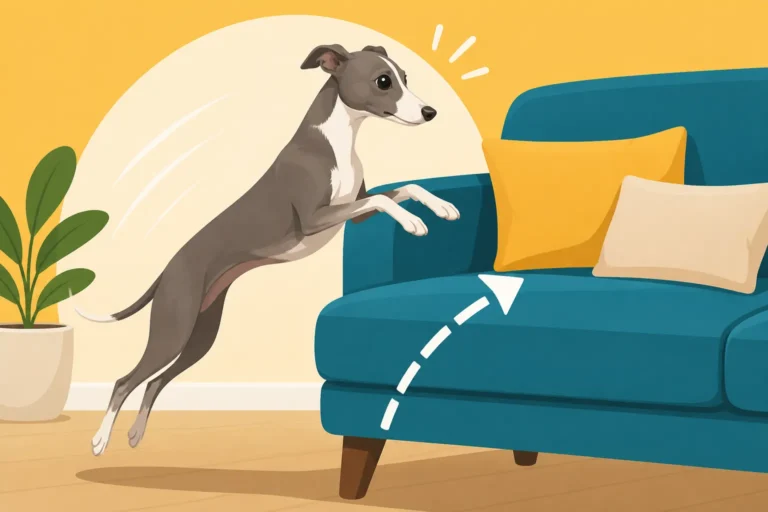
Italian Greyhounds are often called "Velcro dogs" for a reason. They thrive on close companionship and physical contact with their human family. If you're on the sofa, they want to be on the sofa. If you're in bed, they want to be in bed. This intense desire for proximity is a huge motivator for jumping. They see you comfortably ensconced on a higher surface, and their instinct isn't to wait for an invitation or a lift; it's to join you immediately.
They're not just seeking your presence; they're often seeking warmth and softness. A cozy blanket on the sofa or the soft duvet on your bed is infinitely more appealing than a hard floor. Given their very thin skin and minimal body fat, they are notoriously sensitive to cold. Snuggling up against you, under a blanket, is their idea of heaven. If the only perceived barrier to this comfort is a short jump, many Iggies will take it without a second thought.
This desire for closeness often overrides any perceived danger. They prioritize being with you above all else. When they jump off a bed to follow you to the kitchen, it's not because they don't love the bed; it's because they love you more, and they want to be wherever you are. This deep bond is what makes them such wonderful companions, but it also means we need to proactively teach them safe ways to satisfy their need for connection.
The Thrill of the Chase and Impulsive Behavior
Italian Greyhounds are easily stimulated, especially by movement. A squirrel darting past the window, a dropped crumb, or even another pet running by can trigger an immediate, impulsive reaction. They are bred to chase, and that instinct is powerful. If they are perched on a piece of furniture and something catches their eye, their first thought is almost always to pursue it, and that often involves a hasty leap.
Their impulsivity also plays a role when it comes to attention. If they learn that jumping off the bed or sofa gets a reaction from you—even a negative one, like a gasp or a scolding—they might inadvertently reinforce the behavior. They crave interaction, and sometimes any interaction is better than none. This is particularly true for younger, less trained Iggies who are still learning the boundaries of their world.
You might notice this impulsive jumping when they get overly excited, like when you come home from work. The sheer joy of your return can make them forget all their manners and launch themselves off anything just to get to you faster. It’s important to remember that this isn't malicious behavior; it's simply a manifestation of their strong instincts and sometimes overwhelming emotions. Our job is to gently guide that energy and teach them alternative, safer ways to express their excitement.
The Hidden Dangers: Why Jumping Is So Risky for Italian Greyhounds
The primary reason we obsess over preventing jumps is the very real and devastating risk of injury. Italian Greyhounds are notoriously delicate, and what might be a minor tumble for another breed can be a catastrophic event for them. Understanding these specific risks can help reinforce your commitment to consistent training and environmental management. A Broken Leg Is the Emergency Every Italian Greyhound Owner Fears is a reality many owners face.
The Fragile Reality of Italian Greyhound Bones
It's not an exaggeration: Italian Greyhounds have surprisingly fragile bones, particularly their front legs. Their long, slender limbs, fine bone structure, and minimal musculature make them susceptible to fractures even from seemingly minor impacts. The radius and ulna, the two bones in their forearm, are especially vulnerable. These bones are relatively thin, and they bear a significant amount of weight and impact during activity. Why an Italian Greyhound's Leg Bones Break So Easily is a topic that keeps many of us up at night.
Unlike some other breeds with denser bone mass, an Italian Greyhound's bones can snap under forces that wouldn't harm a more robust dog. A fall from a height of even two or three feet can generate enough force to cause a spiral fracture, a break that twists around the bone and is particularly difficult to repair. This fragility is a trade-off for their elegant, speedy build, but it means owners must be hyper-vigilant.
This isn't just a puppy problem, though puppies are at a higher risk before their growth plates fully close. Even adult Italian Greyhounds, well past the age where their bones have hardened, can suffer severe fractures from a bad jump or fall. It's a lifelong concern that dictates many aspects of their care and training, especially when it comes to managing their access to heights.
Common Injury Scenarios from Jumping
When an Italian Greyhound jumps, the risks are manifold, and the scenarios that lead to injury are often mundane. Imagine your Iggy launching off your bed—even if it's just two feet high—and landing awkwardly. Perhaps they misjudge the distance, slip on a hard floor, or land with their weight unevenly distributed on one slender leg. Any of these can result in a clean break or a more complex fracture. How an Italian Greyhound Usually Breaks Its Leg often involves these common household situations.
Another frequent scenario involves jumping from a person's arms. While it's lovely to hold your Iggy, their wiggling or sudden attempt to leap to the floor can lead to a disastrous fall. Sometimes, children, not understanding the delicacy of the breed, might drop an Italian Greyhound or allow it to jump freely, thinking it's fine. It's crucial that everyone in the household, and any visitors, understands the "no jumping" rule.
Then there's the excitement-driven jump: leaping off the sofa to greet you at the door, or launching from a windowsill when they spot a bird. These high-energy, impulsive movements often involve less control and a higher risk of an uncontrolled landing. It's these everyday moments, often driven by their affectionate or reactive nature, that pose the greatest threat to their physical well-being.
Long-Term Consequences Beyond the Immediate Fracture
A broken leg is not just a temporary inconvenience; it can have lasting repercussions for your Italian Greyhound. Even with expert veterinary care, a fracture repair can be a long and arduous process. There's weeks, sometimes months, of crate rest, rehabilitation, and restricted activity. How Long an Italian Greyhound Takes to Heal a Fracture can feel like an eternity for both dog and owner.
Beyond the initial healing, there's always the risk of complications. Pins or plates used in surgery can sometimes loosen or migrate, necessitating additional surgeries. Infection is a concern, and even a perfectly healed fracture site can be more prone to arthritis later in life. Whether an Italian Greyhound Regains Full Use of the Leg is a question many owners grapple with, and while many do, some retain a slight limp or weakness.
Financially and emotionally, a broken leg is incredibly draining. The cost of fracture repair can be significant, often running into the thousands. What Fracture Repair Costs on an Italian Greyhound is a steep price to pay. And then there's the emotional toll of seeing your beloved pet in pain, confined, and unable to move freely. This is why preventing the jump in the first place is always the best course of action.
Setting the Stage for Safety: Environmental Modifications
You can do all the training in the world, but if your home environment doesn't support safe behavior, you're fighting an uphill battle. The goal here is to remove the temptation and the necessity of jumping, making it easier for your Italian Greyhound to make good choices. This proactive approach is foundational to preventing injuries.
Ramps and Steps: Your Italian Greyhound's Lifelines
This is arguably the most critical environmental modification you can make. If your Italian Greyhound has access to furniture or beds that they want to get on or off, providing a safe, easy alternative to jumping is paramount. Ramps are generally preferred over steps, especially for smaller Iggies, as they offer a continuous, gentle incline, reducing any impact on joints. Ramps and Steps for an Italian Greyhound's Furniture are a wise investment.
When choosing ramps or steps, consider stability and surface. Look for sturdy options that won't wobble or slip, which could startle your dog. The surface should be non-slip, ideally carpeted or textured, to give them good traction. Place them strategically at every piece of furniture your Iggy is allowed on – sofas, chairs, and beds. You might need several throughout your home.
It takes a little patience to teach an Italian Greyhound to use ramps or steps, but it's well worth the effort. Use high-value treats and praise to lure them up and down initially. Make it a game, and be consistent. With time, they'll learn that the ramp is the "easy button" for getting where they want to go, and it will become second nature. Many pet stores and online retailers like Amazon offer a wide variety of suitable options.
Creating Safe Zones and Designated Landing Spots
Beyond ramps, think about areas where your Italian Greyhound might naturally want to be and create safe access. For example, if they love to sit on a windowsill, consider placing a sturdy pet step or ottoman below it to shorten any potential fall. This isn't about encouraging jumping, but mitigating risk in areas where they might instinctively climb or leap from.
Another strategy is to designate specific "safe landing zones" if a jump is truly unavoidable or accidentally occurs. While we aim to prevent all jumps, preparing for the worst-case scenario can lessen the impact. For example, if you have hard floors, place soft, thick rugs or cushioned mats in high-traffic areas near furniture where an Iggy might jump. This can absorb some shock and potentially prevent a severe injury.
Consider a contained, soft area where your Iggy can get their zoomies out safely, especially when they're young and most prone to impulsive leaps. A soft-sided playpen with plenty of blankets or a designated room with carpeting and low furniture can be a temporary safe haven. The idea is to control their environment to reduce risk, rather than simply hoping they won't jump.
Rethinking Furniture Placement and Access
Sometimes, the simplest solution is to rearrange your furniture or restrict access. If your Italian Greyhound is an avid counter-surfer or loves to climb onto high shelves, consider what furniture pieces are making this accessible. Can that bookcase be moved away from the wall? Can the sofa be pulled away from the window perch? Eliminating these opportunities can go a long way.
For specific pieces of furniture where jumping is absolutely unacceptable or too risky (like a very high antique table), you might need to restrict access entirely. This could mean using pet gates to block off rooms, or even placing physical barriers on the furniture itself if it's a constant problem spot. This might sound extreme, but it's often necessary to ensure their safety.
Consider the height of your furniture. While we can't replace all our furniture for our dogs, if you're in the market for new pieces, keeping Italian Greyhound safety in mind can be beneficial. Lower sofas, sturdier coffee tables, and easily accessible pet steps can be small but significant factors in creating a safer home environment for your delicate companion.
Building a Foundation: Positive Reinforcement Training
Environmental modifications are crucial, but they're only half the battle. We also need to actively teach our Italian Greyhounds how to behave safely. Positive reinforcement is the most effective and humane way to do this, building trust and a strong bond while shaping desirable actions.
Teaching "Wait" and "Off": Crucial Commands
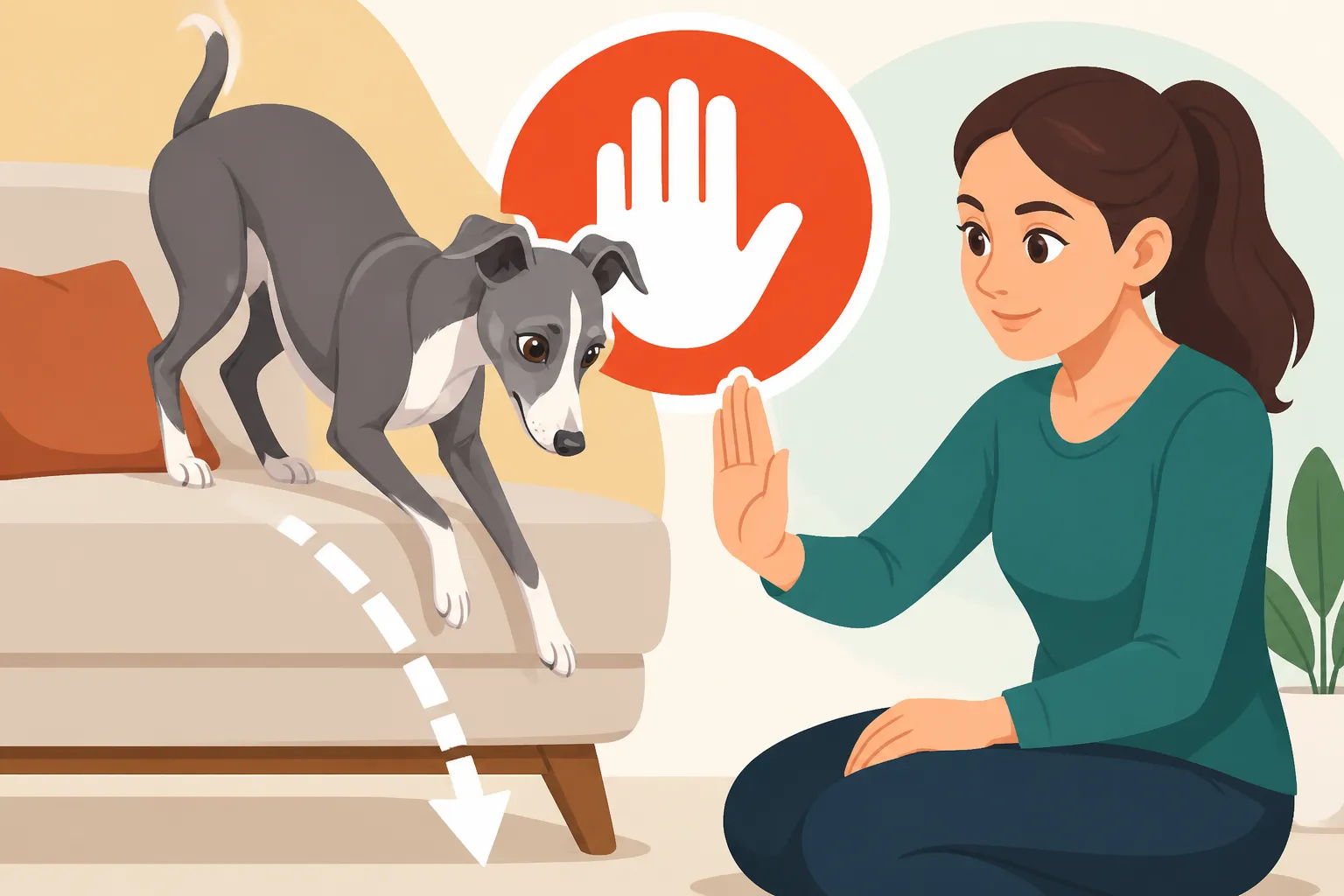
Two commands will be your best friends in preventing jumps: "Wait" and "Off." "Wait" teaches your Italian Greyhound to pause before doing something they naturally want to do. For example, if they're on the sofa and you're getting up, you can say "Wait" before they follow, giving you time to pick them up or guide them to a ramp. Start with short waits and gradually increase the duration.
"Off" teaches them to get down from a surface on command. This isn't about punishment, but about a clear instruction. When teaching "Off," lure them with a treat to get all four paws on the floor, then immediately reward and praise. Never push or pull them off, as this can create a negative association and make them more resistant. The goal is for them to choose to get off safely.
Practice these commands consistently, especially in the contexts where they are most likely to jump. For example, sit on the sofa, invite your Iggy up, then practice "Off" using the ramp. Repeat this frequently throughout the day, always ending on a positive note. This builds a strong association between the command and the desired safe action.
Rewarding Four Paws on the Floor (or Ramp)
The core of positive reinforcement is rewarding the behavior you want to see. This means lavishing praise, treats, or gentle pets whenever your Italian Greyhound chooses to use a ramp or steps, or simply refrains from jumping. Catch them in the act of making a good choice and celebrate it!
If they are looking like they are about to jump from the sofa, preemptively give them the "Off" command and then immediately guide them to the ramp or lift them down, rewarding them once their feet are safely on the ground. You're essentially rewarding the "off" behavior and the subsequent safe landing. This helps them understand that safety equals rewards.
It's not just about active training sessions. Incorporate this into your daily routine. Every time your Iggy comes down the ramp from the bed in the morning, offer a small treat. Every time they choose the steps to get onto the sofa instead of launching, give them praise. These small, consistent reinforcements add up over time and solidify the desired habits.
Harnessing Clicker Training for Clear Communication
Clicker training can be an incredibly powerful tool for Italian Greyhounds, especially for precise behaviors like using a ramp or staying put. A clicker provides a clear, instantaneous marker for the exact moment your dog performs the correct action. This precision helps them understand exactly what they are being rewarded for.
To start, "charge" the clicker by clicking and immediately giving a treat several times in a row. This teaches your Iggy that the click means a treat is coming. Then, use the clicker to mark small steps towards your goal. For instance, click and treat when they sniff the ramp, then when they put a paw on it, then when they take a step, and eventually, for using the whole ramp.
The beauty of clicker training is its clarity. When your Italian Greyhound is about to jump, and instead pauses and turns to look at the ramp, a timely click and treat reinforces that hesitation and choice for safety. This method works wonders for shaping complex behaviors and strengthening your communication with your sensitive Iggy. If you're looking for a structured approach, training programs like BAXTER & Bella often incorporate clicker methods into their curriculum.
Consistency is Key: Integrating Training into Daily Life
Training an Italian Greyhound to avoid jumping isn't a one-time lesson; it's an ongoing lifestyle commitment. Every interaction, every moment, is an opportunity to reinforce safe habits. Without consistency, even the best initial training can unravel.
The Importance of Every Interaction
Think of every time your Italian Greyhound is on a raised surface as a mini-training session. If they're on the sofa and you're leaving the room, don't just walk away and let them jump down to follow you. Instead, pause, offer the "Off" command, and guide them safely via the ramp or by picking them up. Then reward them on the floor.
It might feel tedious at first, but these consistent small interactions are far more effective than trying to "fix" the problem after an injury occurs. Your Italian Greyhound is constantly learning from your responses. If sometimes they're allowed to jump and other times they're not, they'll become confused and likely revert to their natural, riskier instincts.
This also means being mindful of how you pick them up and put them down. Always support their chest and hindquarters, ensuring their long, delicate back is straight. Place them gently on the floor or the ramp. Never drop them, even a short distance. How to Pick Up an Italian Greyhound Safely is a skill every Iggy owner quickly masters out of necessity.
Family Involvement and Unified Messaging
It's not just you who needs to be consistent; everyone in your household must be on the same page. If one person allows jumping and another strictly enforces ramps, your Italian Greyhound will receive mixed signals, making training incredibly difficult. Hold a family meeting to discuss the "no jumping" rule and the importance of using ramps or safe lifting.
Children, in particular, need clear guidelines. Explain to them, in an age-appropriate way, why jumping is dangerous for their small dog and why they must always use the ramp or ask an adult to help the Iggy down. Emphasize that it's about keeping their beloved pet safe, not about being mean or restrictive. Why Children Should Not Carry an Italian Greyhound is a vital conversation to have.
Even guests need to be informed. Before someone new sits on your sofa with your Iggy, politely explain the situation: "Please don't let Fifi jump down; her legs are very delicate. We always use the ramp or lift her gently." Most people will understand and appreciate the clear guidance, helping you maintain a safe environment for your fragile friend.
Managing Guest and Visitor Interactions
When visitors come to your home, the routine often gets disrupted, and your Italian Greyhound's excitement levels can skyrocket. This is a prime time for impulsive jumps. It's wise to have a plan in place to manage these situations safely.
Consider asking guests to sit on the floor, at least initially, if they want to interact with your Iggy. This eliminates the height differential entirely. Alternatively, keep your Italian Greyhound on a leash initially when guests arrive, or even in a secure area with a dog sitter until the initial excitement has died down. This allows you to control their movements and prevent any accidental jumps when they're overstimulated.
If your Iggy is calm and guests are seated on the sofa, reiterate the "no jumping" rule and demonstrate how to guide your dog off safely. You can even practice with your guests, showing them where the ramp is and how to offer a treat to encourage its use. Clear communication and preparation are essential to prevent any mishaps during social gatherings.
When the Rules Are Broken: Handling an Unintended Jump
Despite all your best efforts, there will likely be times when your Italian Greyhound takes an unexpected leap. It happens. Your reaction in these moments is critical, not only for assessing potential injury but also for reinforcing your training.
Remaining Calm and Assessing the Situation
The immediate, gut reaction when your Italian Greyhound jumps is often a gasp of fear or a shout of alarm. While natural, try your best to remain calm. A sudden, loud reaction from you can startle your Iggy further, potentially exacerbating an injury or making them fearful of your presence in similar situations.
Once the jump has occurred, quickly but gently assess your dog. Are they limping? Crying out? Holding a leg up? Are they favoring one side? Observe their gait carefully. If there's any sign of pain, swelling, or an unnatural angle to a limb, assume the worst and seek veterinary attention immediately. Even if they seem fine initially, sometimes the pain of a hairline fracture or sprain can manifest later.
If they appear completely fine and are moving normally, praise them for landing safely (even if it was a naughty jump) and then immediately redirect. Guide them to the ramp for a "proper" descent and reward them for using it. This reinforces the correct behavior after the incident, rather than just reacting to the jump itself.
Redirecting and Reinforcing Safe Habits
After an unintended jump, assuming no injury, the next step is redirection. You want to gently remind your Italian Greyhound of the safe way to get down. This isn't punishment; it's a re-teaching moment.
If they jumped off the sofa, call them back to the sofa. Ask them to get back up (using the ramp or by lifting them), then immediately cue them with "Off" and guide them down the ramp, rewarding heavily. The goal is to create a positive association with the ramp even after an accidental jump, effectively "erasing" the memory of the unsafe leap with a successful, rewarded safe one.
Consistency here is paramount. Don't let a single jump go unaddressed. Each time they jump, take a moment to calmly redirect and reinforce the desired behavior. This constant reinforcement teaches them that even if they make a mistake, there's always a safe, rewarded alternative.
Avoiding Punishment That Backfires
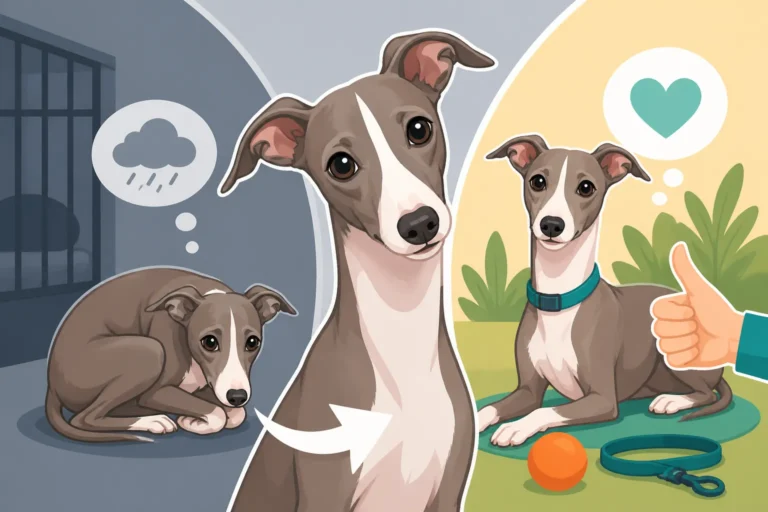
It's tempting to scold or punish your Italian Greyhound after they jump, especially if you're frustrated or scared. However, punishment is highly counterproductive with Iggies. They are sensitive dogs who respond poorly to harshness. Raising your voice or physically correcting them can make them fearful, stressed, and more likely to hide their jumping behavior from you in the future.
If your Italian Greyhound associates jumping with punishment, they might learn to jump when you're not looking, or worse, they might become withdrawn and anxious around you. This erodes the trust in your relationship, which is vital for successful training. Remember, they often jump out of instinct, excitement, or a desire to be near you—not out of malice.
Focus instead on positive reinforcement for safe behavior. Reward the desired actions more frequently and enthusiastically than you react to the unwanted ones. By making the "good" choices more rewarding and predictable, your Italian Greyhound will naturally gravitate towards them. This positive approach builds a stronger bond and a happier, safer dog.
Long-Term Strategies for a Jump-Free Future
Preventing jumps is not a phase; it's a commitment that lasts your Italian Greyhound's entire life. Their fragility doesn't diminish with age, and consistent reinforcement of safe habits is crucial for their well-being for years to come.
Continued Reinforcement and Proofing Behavior
Just because your Italian Greyhound has mastered using the ramps doesn't mean you can stop reinforcing the behavior. Continue to praise and occasionally treat them for making good choices. Think of it as "proofing" the behavior—ensuring it holds up under various circumstances and over time.
Periodically review your home environment. Are there new pieces of furniture? Has your Iggy found a new creative way to climb or jump that you hadn't anticipated? Stay vigilant and make adjustments as needed. The home environment is dynamic, and your safety measures should be too.
You might also consider occasional refresher training sessions, especially if you notice your Iggy getting a bit lax with ramp usage. A few days of extra treats and focused praise for using the ramp can quickly get them back on track. Remember, building strong habits is an ongoing process, not a one-and-done task.
Adjusting as Your Italian Greyhound Ages
As your Italian Greyhound enters their senior years, their physical capabilities will change. They might become less agile, their eyesight or hearing might diminish, and they could develop arthritis or other joint issues. These changes can make jumping even more dangerous and difficult for them. The Age an Italian Greyhound Is Considered Senior is a good benchmark for when to start anticipating these changes.
For senior Iggies, ramps and steps become even more vital. Their ability to judge distances or land softly might decline, increasing the risk of injury. Ensure ramps are in excellent condition, easy to use, and perhaps even add more of them to provide safe access to all favorite spots. Consider a heated bed to encourage them to stay put and reduce the need to jump for warmth.
You might also need to be more proactive in lifting them, even if they've always used a ramp. If their mobility is significantly reduced, gently picking them up and placing them where they want to go is the safest option. Their comfort and safety become paramount, and adapting your care to their changing needs is a testament to your bond.
The Ongoing Commitment to Safety
Ultimately, preventing jumps in an Italian Greyhound is a lifelong commitment. It requires patience, vigilance, and a deep understanding of their unique needs and challenges. While it can feel like a lot of work, the peace of mind that comes with knowing you're doing everything to protect your delicate companion is invaluable.
The financial and emotional cost of a broken leg far outweighs the effort of consistent training and environmental management. By prioritizing their safety, you're not just preventing injuries; you're ensuring a longer, happier, and healthier life for your cherished Italian Greyhound. They rely on you to be their protector, and by mastering these strategies, you're fulfilling that role beautifully.
| Strategy Type | Action Examples | Benefits for Italian Greyhounds |
|---|---|---|
| Environmental | Install ramps/steps for all furniture | Eliminates need for dangerous jumps, protects fragile bones. |
| Place soft rugs near furniture | Cushions accidental falls, reduces impact on joints. | |
| Restrict access to high-risk areas | Prevents impulsive climbing/jumping, especially when unsupervised. | |
| Training (Positive) | Teach "Wait" and "Off" commands | Provides control, allows safe guidance, builds clear communication. |
| Reward ramp/step usage consistently | Reinforces desired behavior, makes safe choices appealing. | |
| Use clicker training for precision | Clearly marks correct actions, speeds up learning process. | |
| Management | Unified family approach to rules | Prevents confusion, ensures consistent reinforcement, builds trust. |
| Inform guests about safety protocols | Avoids accidental jumps due to unfamiliarity, maintains safe environment during visits. | |
| Calm assessment after accidental jump | Minimizes panic, allows immediate injury assessment, helps redirect behavior without fear. |
Disclaimer
This article is for general informational purposes only and does not constitute professional advice. Laws, prices and regulations vary by location and change over time. Consult a qualified professional for guidance on your specific situation.