Why an Italian Greyhound Will Not Wait to Be Lifted Down
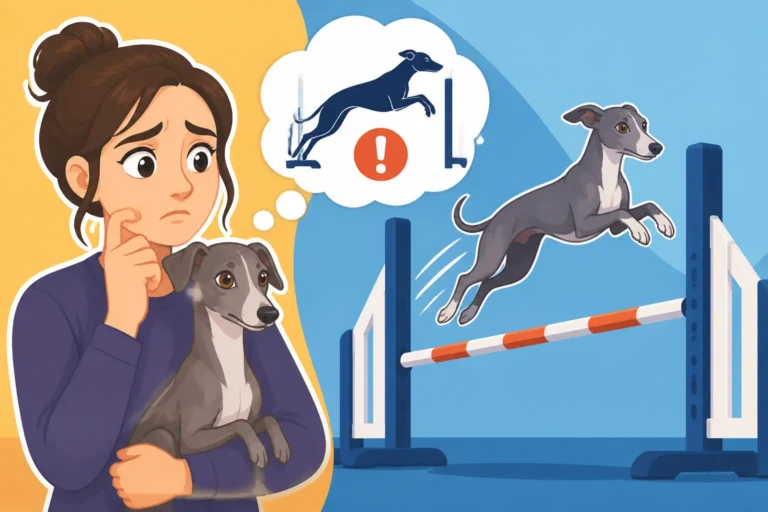
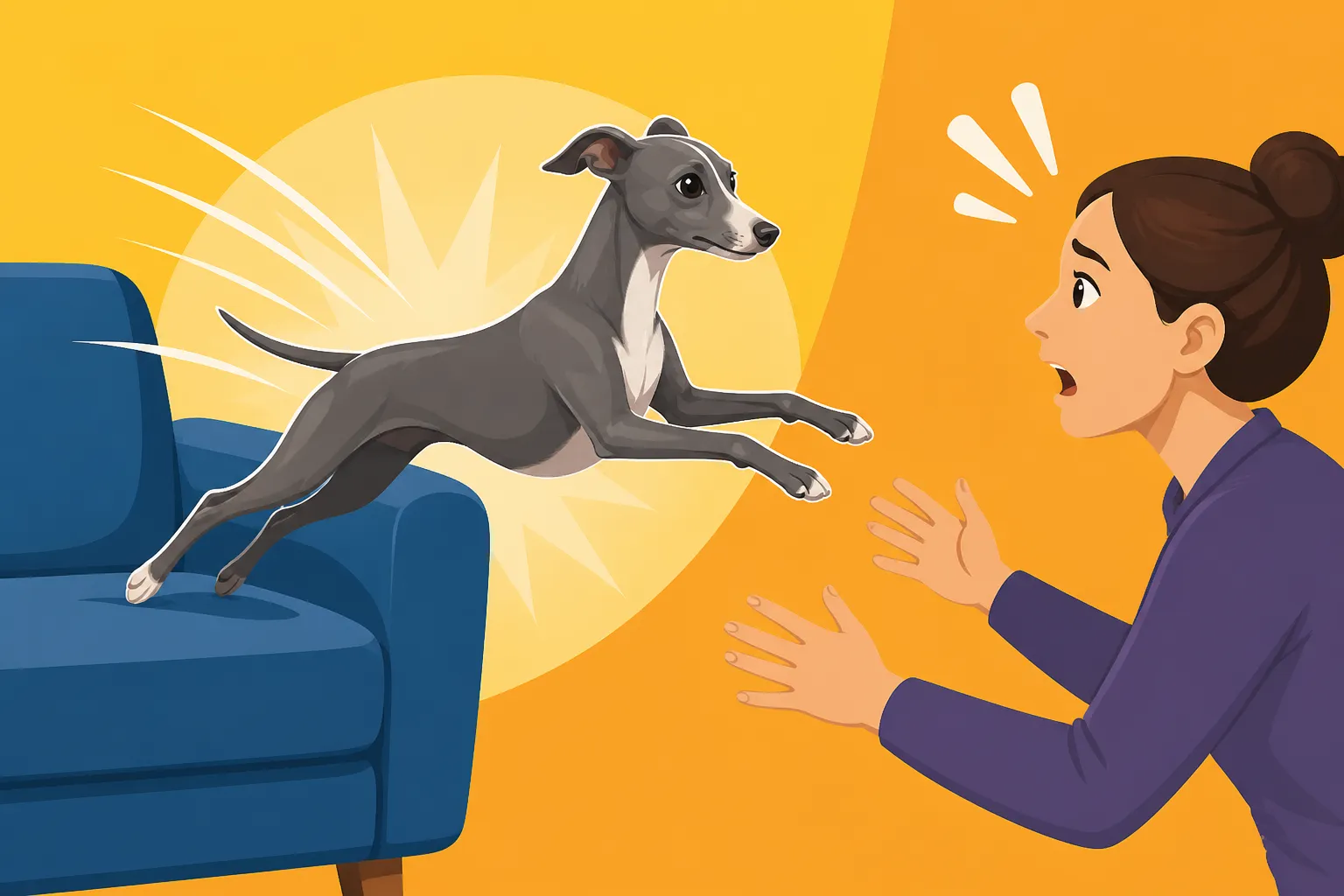
It’s a tale as old as time for Italian Greyhound owners: you’re relaxing on the sofa, your beloved IG nestled beside you, and then bam—they suddenly launch themselves off the cushion without a second thought, often landing with a thud that makes your heart stop. That desperate lunge to catch them in mid-air, only to miss by a millisecond, is a common frustration and a terrifying reminder of how fragile these elegant dogs can be. This guide will dive into the core reasons why your Italian Greyhound just won't wait to be lifted down, and more importantly, what you can do to keep them safe from dangerous falls.
Understanding the Italian Greyhound's Instinct to Jump
When we watch our Italian Greyhounds spring from heights, it often looks like willful disobedience, but it’s far more complex than that. Their genetic makeup and a lack of understanding of consequences play a huge role in this seemingly reckless behavior. It’s not about them trying to be difficult; it’s about how their bodies and minds are wired.
A Natural Drive, Not Disobedience
Italian Greyhounds, despite their toy breed classification, are sighthounds through and through. This means they are built for speed, agility, and incredibly quick reactions. Their sleek, muscular bodies and powerful hindquarters make jumping feel natural and effortless to them. For an Italian Greyhound, leaping from a sofa or bed is often the quickest, most efficient way to get from point A to point B in their world. It’s a natural expression of their athleticism, not a deliberate act of defiance against your safety rules.
Think about it from their perspective: they spot a toy, hear a rustle, or see you move to another room, and their instinct is to get there now. Their bodies are designed for explosive bursts of movement, and that includes vertical leaps. What we perceive as a dangerous drop, they often see as just another quick maneuver. Unfortunately, their delicate bone structure, particularly the radius and ulna in their front legs, isn't always up to the task of absorbing the impact from these seemingly small jumps. This is why understanding How high an Italian Greyhound can safely land is so crucial; even a jump from a standard sofa can be too much for their slender limbs.
The Urgency of Their World
Italian Greyhounds live very much in the present moment, driven by what's happening right now. If they suddenly decide they need to be on the floor—whether it's to investigate a sound, chase a dust bunny that dared to cross their path, or greet a family member walking into the room—the concept of patiently waiting for you to lift them down simply doesn't register in their urgent, high-speed brains. Their world is one of immediate action and reaction.
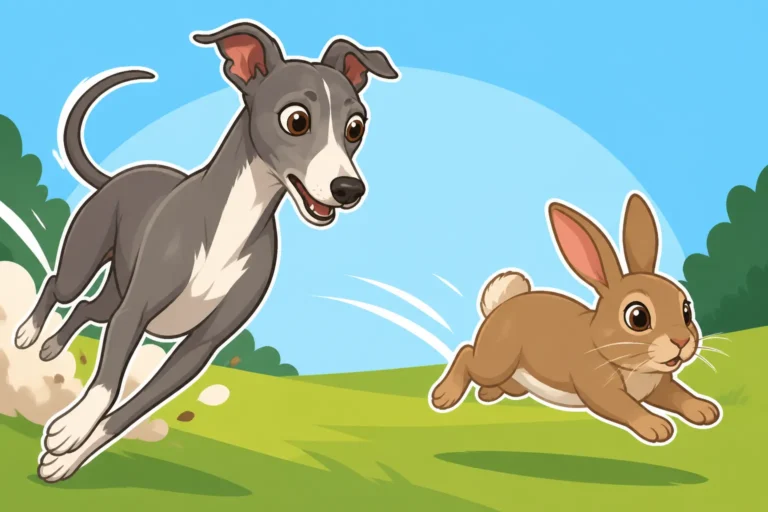
This urgency is deeply rooted in their sighthound heritage. They are hardwired to react instantly to movement and stimuli. A sudden flicker of light, a leaf blowing past the window, or a sound in another room can trigger an immediate, unthinking desire to investigate or chase. What an Italian Greyhound Does When It Sees a Rabbit gives you a clear picture of how strong this drive is. They don't have the foresight to connect a jump from a height with the potential pain or injury it might cause. For them, the motivation to get down now far outweighs any abstract notion of risk. It's an impulsive decision, driven by instinct and a lack of understanding of gravity's harsh realities for their fragile build.
Human Reinforcement and Learned Behavior
While genetics play a huge role, we, as their loving owners, often inadvertently contribute to this jumping habit. Our responses, or lack thereof, can reinforce the very behavior we desperately want to prevent. It’s a classic case of positive and negative reinforcement, often without us even realizing it.
Unintended Encouragement
Every time your Italian Greyhound jumps down safely, even if you cringe and scold them afterward, they've successfully achieved their goal: getting off the furniture. To them, it worked. They wanted to be on the floor, they jumped, and now they are. The negative attention (your scolding) might register, but the primary outcome (freedom to move) was positive. If they consistently jump down and experience no immediate pain, the behavior becomes ingrained as a viable option.
Consider this common scenario: your Iggy is on the bed, sees you open the fridge, and wants to investigate. They jump off the bed, run to you, and you might gently push them away, perhaps even offering a small piece of kibble to redirect their begging. In their mind, the sequence was: want food -> jump -> get to human -> sometimes get reward. The jumping action itself wasn't punished in a way they understand as "never do that." Over time, this leads to a strong association that jumping is a valid method of locomotion. Consistency in managing their access to furniture and actively teaching an alternative behavior is key to breaking this cycle.
The Comfort vs. Convenience Dilemma
As Italian Greyhound owners, we adore having our little shadows by our side. They are famous for being "Velcro dogs," always wanting to be close to their humans, whether on the sofa, in bed, or even just in the same room. The Velcro Dog: What Constant Company Means With an Italian Greyhound is a testament to their desire for constant companionship. This desire often leads us to allow them on furniture, creating a cozy shared space. The problem arises when we prioritize their comfort and our convenience over strict safety protocols.
It's convenient to have them hop off the sofa when you need to get up, rather than constantly bending down to lift them. It feels natural to let them follow you from the bed to the kitchen when you wake up. This convenience, however, subtly teaches them that jumping is permissible. We make an unspoken trade-off: comfort and ease now, potentially higher risk later. Many owners don't fully grasp the true fragility of an Italian Greyhound's legs until a devastating fracture occurs. It’s a heartbreaking lesson to learn, but one that can be prevented by being proactive about safe descent methods from day one. The desire to keep them warm and close, as explored in articles like The Bedding a Thin Skinned Italian Greyhound Actually Needs, often puts them in positions where jumping is a temptation.
Strategies to Teach Safe Descending Habits
The good news is that you can absolutely influence your Italian Greyhound's jumping habits, though it requires consistency, patience, and a proactive approach. It's all about making safe options more appealing and easier to use than risky ones.
Proactive Prevention is Key
The absolute best strategy for preventing dangerous jumps is to eliminate the opportunity for them in the first place. This means making sure there are safe, easy-to-use alternatives for getting on and off furniture. Think of it as creating a "no-jump" zone around your home's elevated surfaces.
Investing in and diligently using dog ramps or steps is paramount. Place them strategically at every piece of furniture your Italian Greyhound is allowed on – the sofa, the bed, even a favorite armchair. The goal is to make using the ramp the path of least resistance. You might need several ramps or sets of steps throughout your home. When choosing, look for sturdy, non-slip surfaces. Brands widely available on Amazon offer a vast array of options, from lightweight foldable ramps to carpeted steps, ensuring you can find something that fits your home's decor and your Iggy's needs. Consistency is critical here; everyone in the household must commit to always directing the dog to use the ramp. This means no more spontaneous lifts down from a loved one who might not be as vigilant. It takes time and effort to train them, but it’s a non-negotiable step to protect those delicate legs. Teaching an Italian Greyhound to Use a Ramp can offer more detailed guidance on this training process.
Consistent Training and Management
Teaching your Italian Greyhound to use ramps and steps isn't a "set it and forget it" task. It requires ongoing training, positive reinforcement, and consistent management of their environment.
| Method | Description | Pros | Cons |
|---|---|---|---|
| Ramps | Gradual incline, often foldable or adjustable. | Easier on joints, fewer steps for tiny legs, often more stable for hesitant dogs. | Can be bulky, may take up more floor space, some dogs might be initially wary. |
| Steps/Stairs | Multiple steps, usually carpeted, designed for small dogs. | More compact than ramps, can blend into home decor, good for dogs comfortable with stairs. | Each step is a small impact, can still be a trip hazard if not well-placed, some dogs might skip steps. |
| Lifting (Human) | Directly picking up and placing down the dog. | Direct control, zero impact for the dog, ensures safety every time. | Requires constant vigilance from owner, prone to human error (drops), inconvenient for spontaneous exits. |
Training starts with luring. Use high-value treats to entice your Iggy up and down the ramp or steps. Reward them generously for every successful ascent and descent. Pair the action with a verbal cue, like "ramp" or "steps," so they associate the word with the safe method. This positive reinforcement approach is far more effective than scolding, which can make a sensitive Italian Greyhound shut down. Which Rewards an Italian Greyhound Works For can give you ideas for motivating treats.
Beyond training, active management is crucial. When you can't actively supervise your Iggy (e.g., when you're busy cooking, working, or sleeping), restrict their access to high furniture. This might involve using baby gates to block off rooms with beds or sofas, or even crating them for short periods. Crating an Italian Greyhound Overnight can be a valuable tool for ensuring their safety when you're not awake to monitor them. For more structured training support, online platforms like BAXTER & Bella offer comprehensive puppy and dog training programs that include guidance on impulse control and managing household hazards, which can be invaluable for Italian Greyhound owners looking to instill good habits. Remember, the goal is to create an environment where the safest choice is always the easiest and most rewarded choice for your Italian Greyhound.
Addressing the "Emergency" Factor
Even with the best training and setup, there will be moments when your Italian Greyhound experiences an "emergency"—something so compelling that their impulse to jump overrides their training. This is when your management and preparation truly pay off.
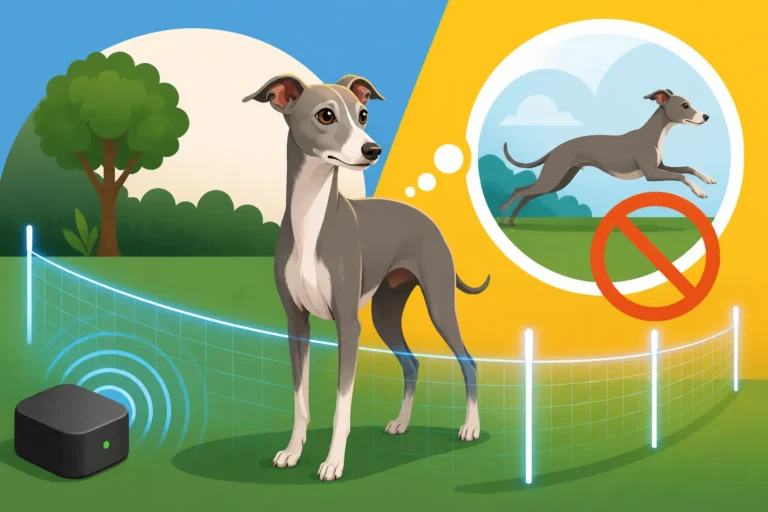
One way to mitigate the risk during these impulsive jumps is to create designated safe landing zones. Place soft, thick rugs or cushioned mats on the floor around the edges of frequently used furniture. While not a substitute for ramps, these can absorb some impact if they do decide to make an unplanned leap. Be mindful of triggers: if your Iggy always jumps when the doorbell rings, try to anticipate it. Have them on the floor or on a ramp before guests arrive, or secure them in a safe, gated area.
It's also essential to remember that you should never allow your Italian Greyhound to jump out of your arms. This is one of the most common ways they sustain injuries, as a sudden twist or squirm can lead to a clumsy fall. Why Dropping an Italian Greyhound Means Surgery highlights the severe consequences. Always hold them securely, ensuring all four paws are supported, and gently place them on the ground or a ramp. Finally, consistent use of gates, especially around stairs or areas with particularly high furniture, can prevent access during unsupervised times. Whether Stairs Should Be Gated for an Italian Greyhound is a critical consideration in an Iggy-proof home. By being prepared for these "emergency" moments and maintaining strict management, you significantly reduce the risk of injury.
In conclusion, your Italian Greyhound's tendency to jump from furniture isn't necessarily a sign of a naughty dog, but rather a combination of their innate sighthound athleticism, their urgency to act on impulses, and often, unintentional reinforcement from their human companions. By understanding these factors, you can take proactive steps to safeguard their delicate limbs. Consistent use of ramps and steps, positive reinforcement for safe descents, and diligent management of their environment are your best tools. It requires commitment, but protecting your beloved companion from a devastating injury is undoubtedly worth every effort.
Disclaimer
This article is for general informational purposes only and does not constitute professional advice. Laws, prices and regulations vary by location and change over time. Consult a qualified professional for guidance on your specific situation.