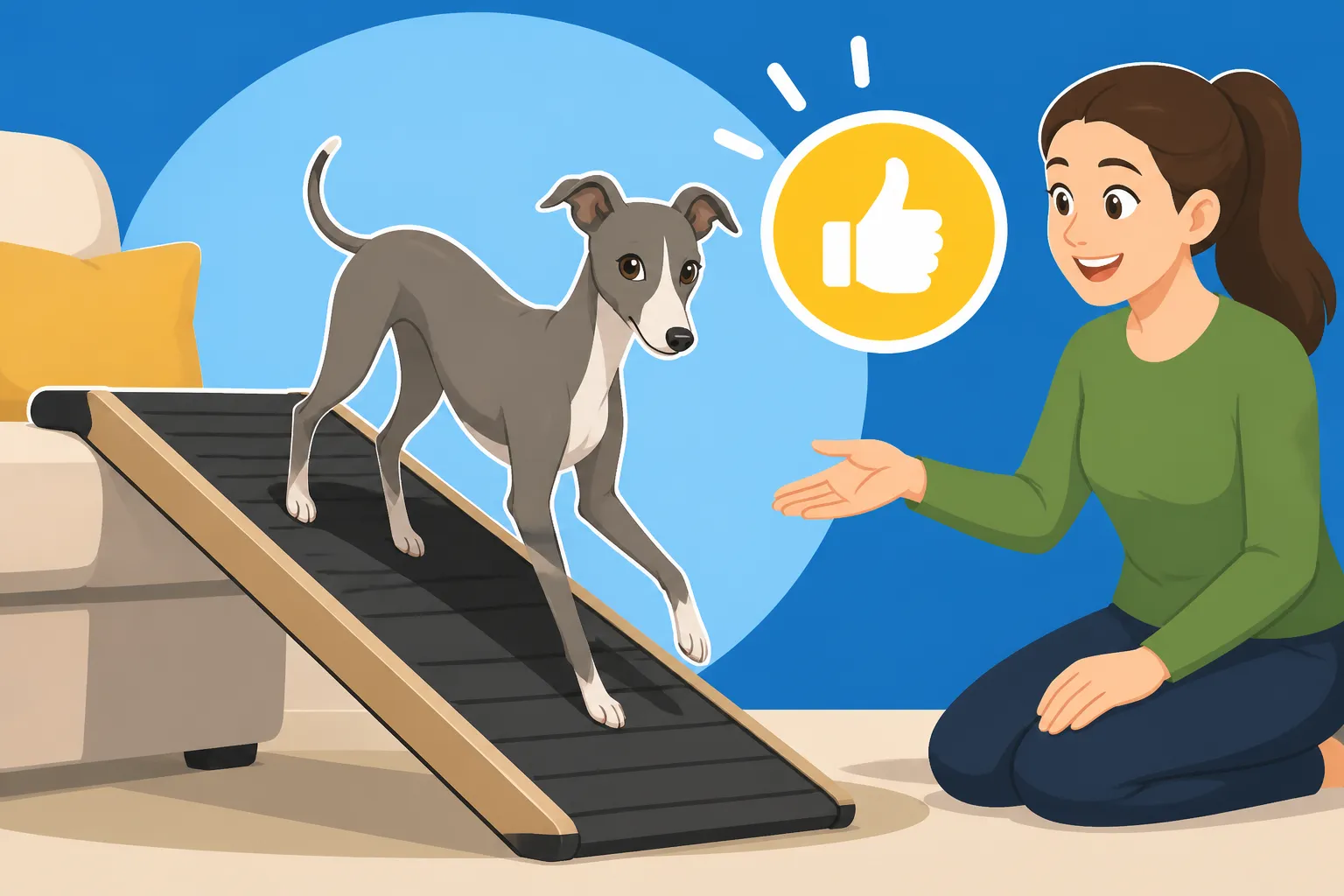
Teaching an Italian Greyhound to Use a Ramp
One of the biggest worries for any Italian Greyhound owner is the risk of a broken leg, and often, these devastating injuries happen right at home from a seemingly innocent jump. This guide will walk you through everything you need to know about successfully teaching your Italian Greyhound to use a ramp, transforming your home into a safer haven for their delicate frame.
Why Ramps Are an Essential Part of Italian Greyhound Ownership
If you're bringing an Italian Greyhound into your home, whether they're a tiny puppy or a seasoned rescue, integrating ramps into your daily life isn't just a suggestion—it's a critical safety measure. Their unique build, while graceful and elegant, also makes them particularly susceptible to certain injuries that many other breeds might shrug off. Overlooking this can lead to heartache and hefty vet bills.
The Peril of Jumping: A Constant Threat
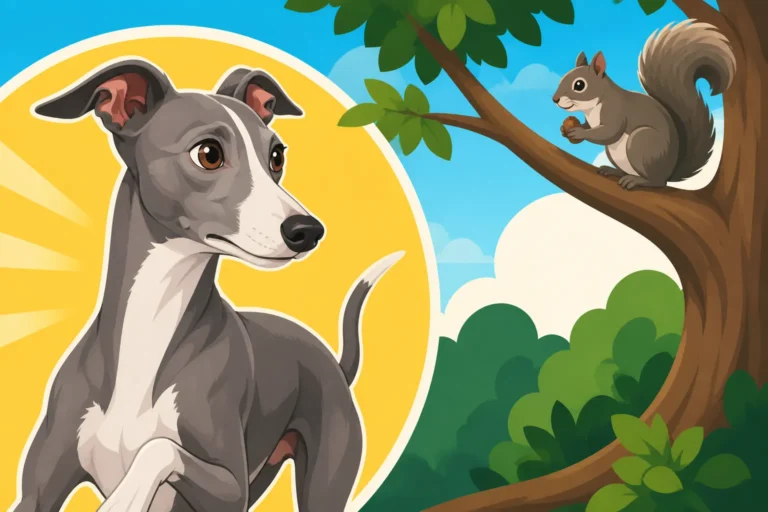
It's just a jump off the sofa, right? Or off the bed, or even out of your arms. For most dogs, these are daily occurrences that pose no real threat. But for an Italian Greyhound, each jump carries a significant risk. Their long, slender leg bones, particularly the radius and ulna in the front legs, are quite fragile. They aren't designed to absorb impact in the same way as a stockier breed. When they land, especially from a height or at an awkward angle, the force can be too much, leading to a clean break or a spiral fracture. This isn't just about high furniture; even a playful leap off a low ottoman or a step down can result in a trip to the emergency vet. Many owners share terrifying stories of their beloved IGs yelping in pain after a simple misstep, proving that even seemingly minor jumps can have dire consequences. It’s why you’ll often hear us talk about The Jump Off the Sofa That Breaks an Italian Greyhound's Leg.
Consider the sheer athleticism of these little dogs. They can spring into the air with incredible verticality, but their landing gear just isn't built for it. They're often so enthusiastic and quick that they don't always think about the landing. A sudden distraction, a slippery floor, or just an ill-timed twist can turn a moment of joy into a medical emergency. The cost and emotional toll of a broken leg are immense, both for your wallet and your peace of mind. Prevention, in this case, truly is priceless.
Protecting Joints and Preventing Long-Term Issues
Beyond the immediate danger of a fracture, repeated jumping also puts undue stress on your Italian Greyhound's joints. Every time they launch themselves off a surface and land, there's an impact that affects their elbows, hips, and knees. Over years, this constant jarring can contribute to conditions like arthritis, especially as they enter their senior years. While IGs are known for their longevity and can live Why an Italian Greyhound Lives Fourteen to Fifteen Years, we want those years to be as comfortable and pain-free as possible.
Think of it like this: would you repeatedly jump off a table knowing it might hurt your knees down the line? Probably not. Our Italian Greyhounds, however, don't understand the long-term consequences of their actions. Ramps provide a gentle, low-impact alternative, allowing them to safely access their favorite cuddle spots without straining their delicate joints. This is particularly important if your Italian Greyhound has any genetic predispositions to joint issues or if they've already experienced an injury like patellar luxation, where the kneecap slips out of place. Investing in ramps now can save you from managing chronic pain and expensive joint supplements or therapies later in their life. It's about providing a lifetime of comfort and mobility.
Getting Started: Choosing the Right Ramp and Location
Successfully training your Italian Greyhound to use a ramp begins long before the first treat is offered. It starts with selecting the right equipment and placing it strategically in your home. A poorly chosen ramp or one placed awkwardly will be an uphill battle, literally.
Ramp Features for Tiny Paws
Not all ramps are created equal, especially when you're dealing with a breed as unique as the Italian Greyhound. You can't just grab any old pet ramp from the big box store and expect it to work perfectly. There are several key features to consider:
- Incline: For an Italian Greyhound, a gradual incline is crucial. Steeper ramps can be intimidating and harder for their shorter legs to navigate, especially if they are nervous or very young. Look for ramps designed with a gentle slope that allows for easy ascent and descent without requiring them to "climb" strenuously.
- Surface Traction: Their delicate paws and often minimal fur mean they need excellent grip. A carpeted surface or a non-slip sandpaper-like texture is ideal. Avoid slick plastic or painted wood, which can cause them to slip and lose confidence, or worse, fall. Many owners even add their own non-slip yoga mat strips or carpet remnants to improve traction on existing ramps.
- Stability: This is non-negotiable. An Italian Greyhound is small, but if a ramp wobbles or shifts under their weight, even slightly, they will likely be spooked and refuse to use it again. Look for sturdy construction with a wide base and good weight distribution. Some ramps, particularly those on Amazon, offer adjustable heights and widths, which can be useful for different pieces of furniture.
- Width: While they are slender dogs, a wider ramp offers more confidence and less chance of them accidentally stepping off the side. A ramp that's at least 12-16 inches wide is a good starting point.
- Height Adjustment: Consider if the ramp needs to reach multiple heights. Some ramps offer adjustable height settings, making them versatile for different sofas or beds. This can be a smart long-term investment, as your furniture might change over time, or you might want to move the ramp to a different location.
When shopping, imagine your Italian Greyhound using it. Will their tiny toes feel secure? Will the ramp feel solid? Don't be afraid to read reviews from other small dog owners or even purchase from a brand known for quality pet products.
Strategic Placement for Success
Where you put the ramps matters almost as much as the ramps themselves. Think about your Italian Greyhound's daily routine and their favorite spots.
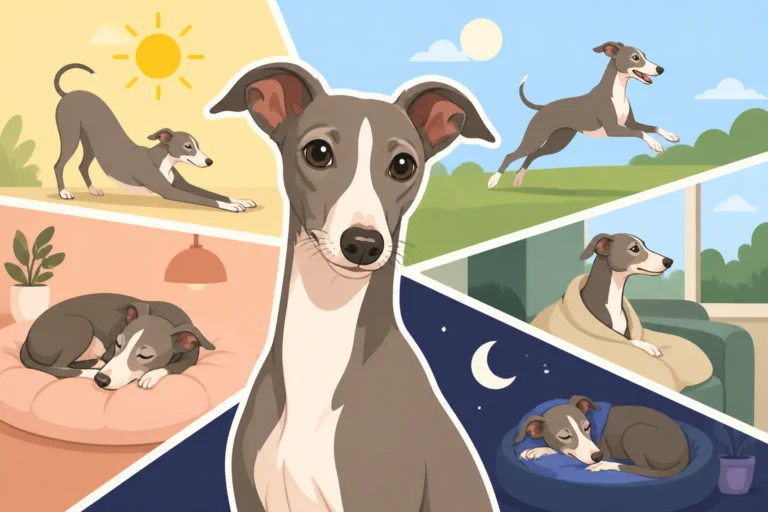
- Bedroom: If your IG sleeps on the bed with you (and let's be honest, most of them do!), a ramp to the bed is paramount. Even if they can jump up, getting down is often the more dangerous maneuver. Place it at the side of the bed where they usually jump off, or where you'd prefer them to egress. This way, the ramp becomes the obvious and easiest route.
- Living Room: The sofa is another prime jumping spot. Place a ramp leading to the most frequently used side of the sofa or armchair. If you have multiple sofas, consider a ramp for each or strategically position one for shared access. Some folks even use Ramps and Steps for an Italian Greyhound's Furniture to create safe zones around all elevated surfaces.
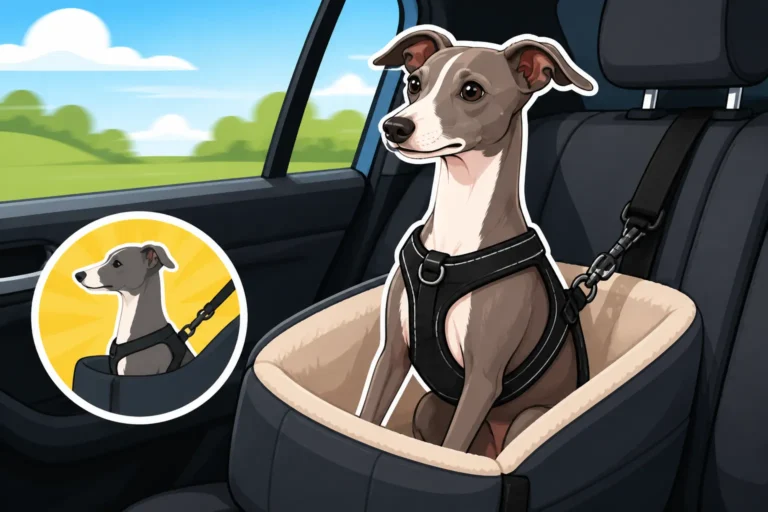
- Car Access: For road trips or vet visits, a portable car ramp can save their joints and your back. While this training might be a bit different due to the novelty of the location, the principles remain the same. Start with it flat on the ground at home before introducing it to the car.
- Indoor Potty Areas: If you utilize an indoor potty system, such as a litter box or artificial grass patch, and it’s elevated, a small ramp can ensure easy access for your IG, especially if they are a puppy or an older dog.
The goal is to make the ramp the path of least resistance. If it's easier and more rewarding to use the ramp than to jump, they'll gravitate towards it. Observe your Italian Greyhound's habits – where do they try to jump most often? Those are your priority ramp locations.
The Step-by-Step Guide to Ramp Training
Now that you have the right ramps in place, it's time for the actual training. Remember, Italian Greyhounds are sensitive souls, and positive reinforcement is the only way to go. Patience is truly a virtue here.
Positive Reinforcement: Your Secret Weapon
Italian Greyhounds respond best to gentle, reward-based training. Harsh words or forced actions will only make them fearful and resistant. You want them to associate the ramp with good things, not stress.
- High-Value Treats: Forget the kibble. For ramp training, you need something irresistible. Small pieces of cooked chicken, cheese, or even special training treats work wonders. The smellier, the better!
- Enthusiastic Praise: Coupled with treats, your verbal encouragement is powerful. Use a happy, high-pitched voice to tell them how clever they are. "Good ramp!" "Yes!" "Clever dog!"
- Play and Affection: After successful attempts, a quick game with a favorite toy or a gentle cuddle can also be a fantastic reward. This reinforces the bond and makes training a positive experience overall.
- Keep Sessions Short and Sweet: Italian Greyhounds have relatively short attention spans, especially for repetitive tasks. Aim for 5-10 minute sessions, several times a day, rather than one long, arduous session. End on a high note, even if it's just for a tiny success.
A great resource for understanding positive reinforcement dog training is often recommended by breeders and rescue organizations. Even if you're not a first-time dog owner, refreshing your techniques can be invaluable. Some reputable online programs, like BAXTER & Bella, offer structured guidance that can be helpful for specific training challenges like ramp usage.
Luring and Guiding Your Italian Greyhound
This is where the hands-on work begins. Start small and build up their confidence.
- Introduce the Ramp on Flat Ground: Don't put the ramp against the furniture immediately. Lay it flat on the floor in a low-traffic area. Let your Italian Greyhound sniff it, explore it. Drop treats on it, creating a positive association.
- Lure Across the Flat Ramp: Hold a high-value treat at one end of the ramp and encourage your IG to walk across to get it. Praise lavishly and offer the treat as soon as they reach the other side. Repeat this several times until they are confidently walking over it.
- Introduce a Slight Incline: Once comfortable on the flat, position the ramp with a very slight incline. You might use a low step or a stack of books under one end if your ramp isn't adjustable. Repeat the luring process, leading them up and down the gentle slope.
- Position Against Furniture: Now, move the ramp to its intended location against the sofa or bed. Keep the furniture accessible from other sides initially, so they don't feel trapped.
- Lure Up the Ramp to the Furniture: Place a treat on the furniture, just out of reach, and use your treat to lure them up the ramp. As soon as their front paws hit the top platform, offer the treat and praise.
- Lure Down the Ramp: This is often harder than going up! Lure them down the ramp with a treat. You might need to place treats on each step or section of the ramp as they descend. Praise heavily when all four paws are on the ground safely.
- Practice Going Both Ways: Once they are comfortable going up and down with treats, start practicing without a visible treat in your hand, but reward them immediately after they complete the action. Gradually reduce the frequency of treats, replacing them with praise, but never completely eliminate the occasional reward, especially for an Italian Greyhound who can be sensitive. If your IG tends to ignore commands or seems "stubborn," remembering Why an Italian Greyhound Looks Stubborn and Is Not can help you approach the training with renewed understanding and patience.
Consistency and Patience Are Key
This isn't a one-and-done training session. Italian Greyhounds thrive on routine and consistency.
- Every Time, Every Jump: Make a conscious effort to guide your Italian Greyhound to the ramp every single time they want to get on or off furniture. If you let them jump even once, you're undoing your hard work. This might mean gently blocking their jumping path or picking them up and placing them at the bottom of the ramp. However, remember Why an Italian Greyhound Will Not Wait to Be Lifted Down if they are already stressed or in a hurry, so aim for proactive guidance rather than reactive intervention.
- Family Involvement: Ensure everyone in the household (and any regular visitors) is on board with the ramp rules. Children, especially, need to understand the importance of guiding the dog to the ramp and not allowing jumping. Why Children Should Not Carry an Italian Greyhound is a related safety concern that families should always be aware of.
- Puppy Proofing: For young Italian Greyhounds, who are at the highest risk of fracture (often until their growth plates fully close around 12-18 months of age), strict enforcement of ramp use is paramount. Restricting an Italian Greyhound Under Two years old is a vital step in preventing serious injuries.
- Monitor and Adjust: Pay attention to how your IG uses the ramp. Are they hesitant at a certain spot? Do they slip? You might need to adjust the ramp's position, add more traction, or make the incline even more gradual.
| Ramp Training Step | Description | Key Takeaways |
|---|---|---|
| Introduction | Place ramp flat on floor, allow exploration. | Positive association, no pressure. |
| Flat Luring | Guide IG across flat ramp with high-value treats. | Reward immediately, consistent praise. |
| Gentle Incline | Add slight incline, repeat luring up and down. | Build confidence gradually. |
| Furniture Placement | Position ramp at intended furniture; keep other access open initially. | Make ramp the easiest, most rewarding path. |
| Up the Ramp | Lure IG onto furniture via ramp. Reward at top. | Focus on success, build momentum. |
| Down the Ramp | Lure IG off furniture via ramp. Reward at bottom. | This can be harder; extra patience & treats. |
| Consistency | Ensure ALL family members enforce ramp use every time. | Reinforce habit, prevent regression. |
Remember, every Italian Greyhound is an individual. Some might take to ramps immediately, while others will need weeks or even months of patient, consistent training. Don't get discouraged! The payoff—a safer, happier, and healthier Italian Greyhound—is absolutely worth the effort.
Troubleshooting Common Ramp Training Challenges
Even with the best intentions and the perfect ramp, you might encounter some bumps in the road. It's totally normal for an Italian Greyhound to have reservations, but with the right approach, you can overcome them.
Fear and Hesitation
It's common for IGs, with their sensitive natures, to be a bit wary of new objects, especially something as large and imposing as a ramp. They might back away, refuse to approach, or even shake slightly.
- Don't Force It: The absolute worst thing you can do is push or drag your Italian Greyhound onto the ramp. This will only reinforce their fear and make future training much harder.
- Make it a "Happy Place": Start by just having the ramp in the room, not even against furniture yet. Place their favorite blanket, a few treats, or a puzzle toy on it while it's flat on the floor. Let them discover it on their own terms. You can even feed them near the ramp. The goal is to make it a neutral, then positive, part of their environment.
- Slow Down the Incline: If they're hesitant when the ramp is against the furniture, try starting with a lower piece of furniture or propping the ramp up against something shorter to create an even more gradual incline. Their initial fear might simply be about the perceived height or angle.
- Use a Confident "Buddy": If you have another dog, especially one who is confident and willing to use the ramp, have them demonstrate. Many IGs are social learners and will mimic a trusted companion. Just make sure the "buddy" is gentle and doesn't overwhelm your Italian Greyhound.
The Stubborn Ignorer
Sometimes, it's not fear, but pure Italian Greyhound "attitude." They know the ramp is there, they might even use it occasionally, but they prefer to jump when your back is turned or when they're excited. This is where consistency and management come into play.
- Block Other Access: This might sound harsh, but if your IG insists on jumping, you have to remove the option. Use baby gates or furniture arrangement to block access to the sofa or bed from all sides except where the ramp is located. This is especially important for young Italian Greyhounds whose bones are still developing. The Age an Italian Greyhound's Bones Finish Hardening is a critical period for bone integrity.
- High-Value Rewards Every Time: For a stubborn IG, you need to go back to basics and reward them with the best treats every single time they use the ramp, even if they've used it a hundred times before. Make it extremely clear that using the ramp is the pathway to goodness.
- Consider a Different Ramp: Perhaps the ramp you chose isn't comfortable for them. Is it too narrow? Too slippery? Too wobbly? Revisit the "Ramp Features" section and consider if a different style, brand, or material would be more appealing. There are many options available on platforms like Amazon that cater to small dogs.
- Professional Guidance: If you're truly struggling, don't hesitate to seek advice from a certified professional dog trainer. They can observe your specific situation and offer tailored strategies. Many online platforms, like BAXTER & Bella, also offer virtual consultations or comprehensive training courses that might include troubleshooting for specific issues like ramp aversion.
Regression and Reinforcement
It's not uncommon for a perfectly ramp-trained Italian Greyhound to suddenly decide they're too cool for the ramp and start jumping again. This often happens after an exciting event, a change in routine, or if the household gets lax with enforcement.
- Revisit Training Steps: Go back to the very first steps of training, even if it means putting the ramp flat on the floor again. Re-establish the positive associations with treats and praise for even the smallest success.
- Increase Rewards: Amp up the treat value and praise frequency. Make using the ramp incredibly rewarding again.
- Identify the Cause: Has something changed in the environment? Is a new person in the house allowing jumping? Are you less vigilant? Pinpointing the cause can help you address the problem directly.
- Never Punish: Yelling or scolding an Italian Greyhound for jumping will only teach them to jump when you're not looking, rather than to use the ramp. It can also create fear and damage your bond. Focus on redirection and positive reinforcement.
- Maintain the Habit: Even after your Italian Greyhound is a ramp pro, continue to offer praise and occasional treats for using it. Think of it as an ongoing "thank you" for keeping themselves safe. Just like we don't stop thanking a child for putting their seatbelt on, we should continue to acknowledge our dogs for making safe choices. It will help prevent future regressions and keep the habit strong for Whether an Old Italian Greyhound Needs Steps Everywhere throughout their life.
Disclaimer
This article is for general informational purposes only and does not constitute professional advice. Laws, prices and regulations vary by location and change over time. Consult a qualified professional for guidance on your specific situation.