Crating an Italian Greyhound Overnight
Many Italian Greyhound owners find themselves struggling with the concept of crating their delicate companions overnight. It's a common frustration: you want your Italian Greyhound to be safe and secure, but you also know they are tiny, sensitive creatures who crave warmth and companionship. The thought of them feeling cold, lonely, or unsafe in a crate can be truly heartbreaking. This guide is here to provide you with a comprehensive, empathetic approach to successfully crating your Italian Greyhound overnight, ensuring peace of mind for you and a comfortable, secure space for them.
The Unique Needs of an Italian Greyhound for Overnight Crating
When it comes to crating, especially overnight, Italian Greyhounds aren't like many other breeds. They come with a specific set of characteristics that make traditional crating advice sometimes fall short. Understanding these unique needs is the first step toward a successful and stress-free crating experience for both of you.
Why Italian Greyhounds Are Different When It Comes to Confinement
Italian Greyhounds are often described as "Velcro dogs," and for good reason. They thrive on close physical contact with their humans, a trait deeply ingrained in their history as companion dogs. This means that being separated, especially for extended periods like overnight, can be a significant source of stress. They aren't just a breed that likes company; they often need it to feel truly secure. Their finely-tuned nervous systems can make them more prone to anxiety when left alone, and this often manifests as whining, barking, or even destructive behaviors if not handled with care.
Beyond their emotional needs, their physical delicate nature also plays a huge role. They are incredibly slender with very little body fat, making them prone to getting cold easily. Why an Italian Greyhound Cannot Hold Its Own Heat is a real issue, and a bare wire crate, even indoors, can feel like an icebox to them. This isn't just about comfort; it's about their well-being. A cold, exposed Italian Greyhound is a stressed Italian Greyhound, which immediately undermines any positive association you're trying to build with the crate. Imagine trying to sleep soundly when you're shivering and feeling completely exposed – it’s just not going to happen.
Addressing Their Instinct to Burrow
If you've spent any time around an Italian Greyhound, you'll know they have an almost irresistible urge to burrow. They will tunnel under blankets, cushions, laundry piles, and even your clothes if given the chance. This isn't just a cute quirk; it's a deep-seated instinct for warmth and security, a throwback to their days of snuggling deep under cloaks or blankets with their human companions. Why an Italian Greyhound Sleeps Under the Covers is a question many new owners ask, and the answer is simple: they seek out enclosed, warm spaces.
For overnight crating, this burrowing instinct is crucial. A crate that feels too open or exposed will go against their very nature. They need to feel enveloped, safe, and hidden away from the perceived dangers of the open room. This means a simple wire crate with a thin pad isn't going to cut it. You're trying to replicate that feeling of being tucked away, secure and warm, exactly how they would naturally seek out comfort if they were sleeping with you. Understanding this drive is key to creating a crate environment where they can genuinely relax.
Managing Their Small Bladder for Extended Periods
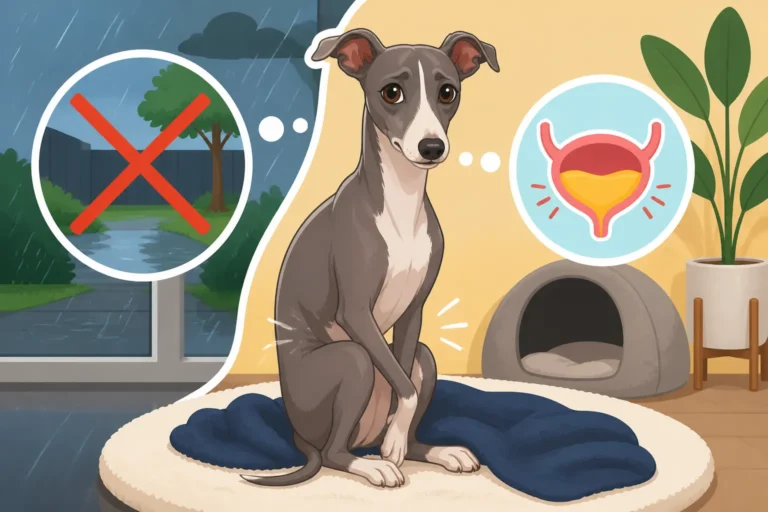
Let's be realistic: Italian Greyhounds, especially puppies or older dogs, have notoriously small bladders. This is a huge hurdle for overnight crating, particularly when you're trying to housetrain. Why an Italian Greyhound Has a Small Bladder means that expecting them to hold it for 7-8 hours straight, especially when they're new to the routine or still developing, is often unrealistic and unfair. This is where many owners throw in the towel, assuming their IG just can't be crated overnight because of accidents.
The truth is, while their bladder capacity is limited, careful management and understanding can make a difference. It might mean an extra late-night potty break, or starting with shorter durations and gradually increasing them. The goal isn't to punish them for natural bodily functions but to create an environment where they can succeed. A distressed dog who has to hold their bladder past their limit will only develop a negative association with the crate, making the training process far more challenging. Consistency with potty breaks is paramount, even if it means a disrupted night's sleep for you initially.
Creating a Sanctuary: The Ideal Overnight Crate Setup
Since your Italian Greyhound has these unique needs, their crate isn't just a box; it needs to be a cozy, secure sanctuary. This is where you can make all the difference in turning a potentially stressful experience into a comforting one.
Choosing the Right Crate Type and Size
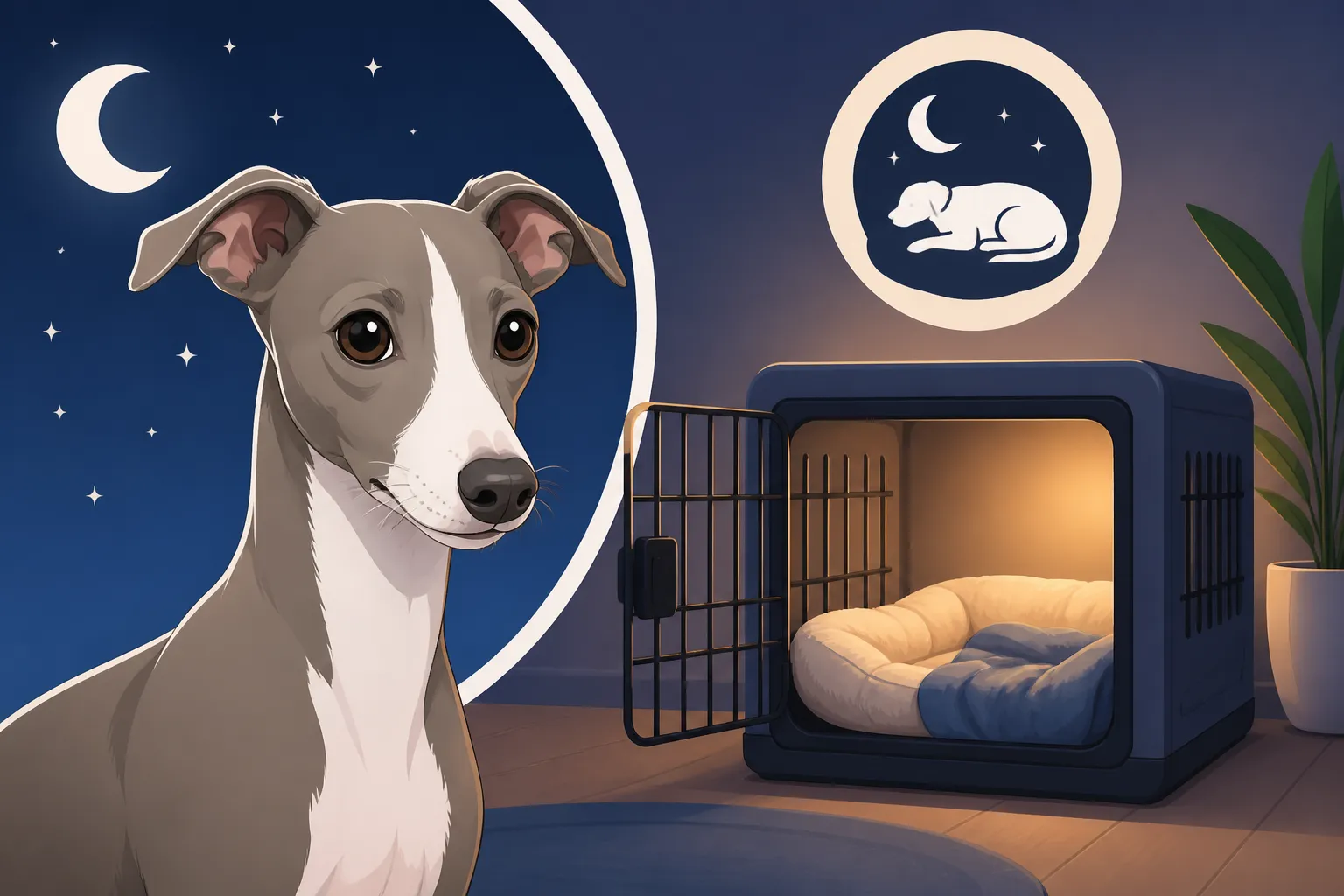
First things first, let's talk about the crate itself. While wire crates offer great ventilation and visibility, they can feel too exposed for an Italian Greyhound, especially at night. Many IG owners find that plastic airline-style crates or soft-sided fabric crates are often a better fit as they naturally provide more of a den-like feel. If you do opt for a wire crate, it's absolutely critical to cover it completely on all sides and the top to block out light and create that crucial sense of enclosure.
Size matters, but not in the way you might think. For overnight sleeping, the crate should be just large enough for your Italian Greyhound to comfortably stand up, turn around, and lie down. A crate that is too large encourages them to use one end as a "bathroom," completely defeating the purpose of housetraining and self-soiling avoidance. Think snug, not spacious. For an adult Italian Greyhound, a 24-inch crate is often sufficient, but always measure your dog to ensure a proper fit. Consider looking on Amazon for a variety of options, comparing plastic versus wire or soft-sided designs to find one that aligns with your dog's temperament and your home environment. What a Crate for an Italian Greyhound Costs can vary widely depending on type and size, so do your research.
Bedding for Warmth and Comfort
This is perhaps the most critical component for an Italian Greyhound's overnight crate. Their thin skin and low body fat mean they get cold incredibly easily. The Bedding a Thin Skinned Italian Greyhound Actually Needs cannot be understated. You'll need layers! Start with a thick, comfortable base pad or memory foam bed. On top of that, add soft blankets, preferably ones that they can burrow into. Fleece blankets are excellent for this as they retain warmth.
Many Italian Greyhounds also benefit immensely from a "snuggle sack" or a covered bed designed for burrowing breeds. These beds provide a cave-like opening where they can crawl inside and be completely enveloped in warmth. This meets their burrowing instinct head-on and ensures they stay toasty throughout the night. For colder rooms or particularly chilly Italian Greyhounds, a low-wattage, dog-safe heated bed can be a game-changer. Ensure it's designed for pets and has safety features to prevent overheating. Whether a Heated Bed Is Safe for an Italian Greyhound is an important consideration, so always choose reputable brands and follow instructions. The goal is to create a warm, inviting nest that they want to be in, not just a place they tolerate.
Covers for a Den-Like Feel
Even with a plastic or soft-sided crate, adding a cover can significantly enhance the den-like atmosphere. For wire crates, a thick blanket or a purpose-made crate cover that drapes over all sides and the top is non-negotiable. This blocks out ambient light and makes the space feel private and secure. Imagine trying to sleep in a brightly lit room; it's just not restful. A dark, cozy den is what your Italian Greyhound needs to feel safe and calm.
Leaving one side slightly open, or covering it with a lighter blanket, can allow for some airflow while still maintaining the secure feeling. The key is consistency: always cover the crate the same way every night so it becomes a predictable signal for bedtime. This simple addition can drastically reduce anxiety, making the crate a place of quiet retreat rather than an exposed prison.
Water Access Overnight
This is a point of contention for many dog owners. Some advocate for removing water overnight to prevent accidents, but for a delicate breed like the Italian Greyhound, especially with their small bladders, free access to water is often important. Dehydration, even mild, can impact their health and comfort. If your Italian Greyhound is prone to excessive drinking at night leading to accidents, try limiting water access an hour or two before their final potty break.
However, a better solution for most is to provide a small, clip-on water bowl inside the crate. This prevents spills and ensures they can quench their thirst if needed without getting their bedding wet. If you're concerned about accidents, the focus should be on adequate potty breaks before bed and during the night if necessary, rather than restricting essential hydration. A happy, hydrated dog is more likely to settle.
Locating the Overnight Crate
Where you place the crate matters a great deal to an Italian Greyhound. Remember, they are "Velcro dogs." Placing their crate in a remote room by themselves can exacerbate separation anxiety. Many Italian Greyhound owners find the most success by keeping the crate in their bedroom, or at least very close by. This allows your Italian Greyhound to hear, smell, and even see you (if the crate cover allows a peek) throughout the night, providing immense comfort and security.
Being near you helps them feel part of the "pack" even when confined. It validates their need for closeness. As they become more comfortable and secure in their crate, you might be able to gradually move it further away, but for initial training, proximity is usually best. This also makes those inevitable overnight potty breaks much easier for you to manage. If they whimper quietly, you're close enough to hear and respond quickly, reinforcing that you're always there.
Gentle Training for a Restful Night
Crating an Italian Greyhound overnight isn't just about the setup; it's fundamentally about training. This needs to be a positive, gradual experience, never one of force or punishment.
Building Positive Association with the Crate
The crate should never be a place of punishment. It needs to be associated with good things from day one. Start by making the crate a fun, inviting space during the day. Toss high-value treats inside, feed meals inside the crate with the door open, and offer chew toys or a stuffed Kong only when they are in the crate. This teaches them that wonderful things happen in there.
Don't force them in. Lure them in gently with treats and praise. Start with very short periods with the door closed, even just a few seconds, and gradually increase the duration. Always release them before they start to fuss or become anxious, so they learn that being in the crate is a temporary, positive experience that leads to being let out. This builds trust and confidence. Think of the crate as their private den, a personal bedroom, not a jail cell.
Gradual Introduction to Overnight Crating
You can't just throw an Italian Greyhound into a crate for eight hours overnight and expect success. It requires a gradual process. Start with daytime naps in the crate. Once they are comfortable napping for an hour or two, you can extend the duration. Work on Leaving an Italian Greyhound Crated for increasing periods during the day while you're home but busy.
When you're ready for overnight, ensure they are thoroughly exercised and have had their last potty break right before bedtime. Place the crate in your bedroom. The first few nights might involve some whining or crying. Resist the urge to let them out immediately for attention; this teaches them that crying gets them what they want. However, if the crying is sustained and frantic, or if you suspect they need to relieve themselves, take them out for a quiet potty break and then immediately return them to the crate. The BAXTER & Bella online puppy school often emphasizes positive reinforcement and gradual exposure for crate training, which aligns perfectly with an Italian Greyhound's sensitive nature. Consistency is absolutely key here.
Potty Breaks Before Bed
This is non-negotiable for successful overnight crating, especially for puppies or young Italian Greyhounds. The last thing you want is for your dog to soil their den because they couldn't hold it. Ensure a thorough potty break right before you put them in the crate for the night. This isn't just a quick dash outside; it's a dedicated trip to their designated potty spot where you wait for them to fully empty their bladder and bowels. Praise them lavishly when they do.
As mentioned earlier, How Often an Italian Greyhound Wakes at Night to Go can be quite frequent in puppies. For very young puppies, you might need to set an alarm to take them out once or twice during the night. Gradually, as their bladder control improves, you can extend these periods. Older Italian Greyhounds might need a quick, quiet mid-night break too, especially if they have any health conditions. Always keep these nighttime breaks calm and business-like; you don't want to turn it into playtime.
Dealing with Whining or Barking
This is often the biggest hurdle for owners. When your Italian Greyhound whines or barks in the crate, your heart aches, and you just want to let them out. However, if you let them out when they are fussing, you are inadvertently teaching them that making noise gets them out. It’s a tough cycle to break.
Here's a strategy:
- Rule out needs: First, ensure they've had food, water (if provided), and a potty break. If they're a puppy, assume they might need to go out. Take them out calmly, no play, no praise until they go, then immediately back in the crate.
- Wait for quiet: If you know all needs are met, wait for a brief moment of quiet before opening the crate door. Even a two-second pause in their vocalizations is enough to reward. This teaches them that quiet, not noise, is what gets your attention and gets them released.
- Distraction: Sometimes, a safe chew toy or a treat-dispensing toy (like a Kong stuffed with peanut butter or plain yogurt and frozen) given inside the crate right before you leave them can provide a positive distraction and help them settle.
- Cover the crate: Ensure the crate is fully covered and cozy, addressing their comfort needs.
- Proximity: For the initial stages, keep the crate near you. Your presence can be incredibly reassuring.
If the whining is truly relentless and accompanied by other signs of extreme distress (panting, drooling, frantic escape attempts), they might be experiencing significant separation anxiety. In such cases, professional help from a certified dog trainer or veterinary behaviorist might be necessary. Signs an Italian Greyhound Has Separation Anxiety can include destructive chewing, excessive drooling, or frantic pacing even before you leave.
Consistency is Key
Whatever methods you choose, consistency is the golden rule. Every single time your Italian Greyhound goes into their crate, for a nap or overnight, the routine should be the same. The same treats, the same verbal cue ("crate time!"), the same blanket, the same covers. Dogs, and especially Italian Greyhounds, thrive on routine and predictability.
Inconsistent crating (sometimes in the crate, sometimes on the bed, sometimes in another room) will confuse your Italian Greyhound and make it much harder for them to understand what's expected of them. A consistent routine builds trust and helps them anticipate what's coming, reducing anxiety. If you only crate them overnight but never during the day, the crate becomes solely associated with separation, which is the opposite of what you want. Make the crate a part of their daily life, a comfortable den they choose to use.
Troubleshooting Common Overnight Crating Challenges
Even with the best intentions and the perfect setup, you might still encounter bumps in the road. It's okay! Many Italian Greyhound owners face these challenges, and there are ways to work through them.
Overcoming Anxiety and Fear
If your Italian Greyhound shows significant anxiety or fear around the crate, it's a clear sign that you need to slow down and re-evaluate your approach. Pushing a fearful dog into a crate will only deepen their negative associations.
- Revisit basics: Go back to basics of positive association. Make the crate the happiest place in the house. Feed all meals there, offer favorite toys, and never close the door for long until they are willingly entering and relaxing inside. You can even leave the door open permanently for a while, just letting them explore and choose to rest there.
- Safe spaces: Ensure the crate is truly a secure, dark, and warm den. Many dogs feel more secure when they can hide.
- Your presence: For a "Velcro dog," your presence is paramount. For a truly anxious dog, you might need to start by sleeping right next to the crate on the floor for a few nights, gradually moving further away as they gain confidence.
- Calming aids: Talk to your vet about calming diffusers (like Adaptil), supplements, or even prescription medication if the anxiety is severe. These can help lower their overall stress levels, making them more receptive to training. Always consult your vet before using any calming aids.
- Professional help: Don't hesitate to reach out to a certified professional dog trainer or veterinary behaviorist if you're struggling. They can provide tailored guidance and identify underlying issues.
Dealing with Potty Accidents
Overnight potty accidents are incredibly frustrating, especially when you think your Italian Greyhound is housetrained. This usually boils down to a few key factors:
- Inadequate potty breaks: Are you absolutely sure they've emptied their bladder right before bed? And is their bladder truly capable of holding it for the entire night? Young puppies often need a potty break every 2-4 hours, which means you might need to set an alarm.
- Crate size: If the crate is too large, your Italian Greyhound might be using one corner as a bathroom. Downsize the crate to one where they can only stand, turn, and lie down comfortably.
- Medical issues: Sometimes, frequent urination can be a sign of a urinary tract infection (UTI) or other medical condition. If accidents suddenly start or increase, a vet visit is in order to rule out any health problems.
- Anxiety: A severely anxious dog might lose bladder control due to stress. If anxiety is the root cause, addressing the fear of the crate (as discussed above) is the priority.
- Cleanliness: Clean accidents thoroughly with an enzymatic cleaner (available on Amazon) to eliminate odors that might encourage repeat marking.
Remember, punishment for accidents only teaches your Italian Greyhound to hide their mistakes or fear you. It doesn't teach them where to go. Focus on prevention, proper routine, and positive reinforcement for going outside.
Addressing Early Morning Wake-Ups
When your Italian Greyhound starts demanding to be let out at 4 AM, it can wreak havoc on your sleep schedule. Here's how to tackle it:
- Gradual adjustment: If your dog is consistently waking too early, try moving their final potty break slightly later each night and their morning wake-up time slightly later each morning. Do this in 15-minute increments over several days.
- Routine: Just like bedtimes, wake-up times need to be consistent. Even on weekends, try to stick to a similar schedule. Dogs thrive on routine.
- Ignore minor fussing: If you know they've had their last potty break and are just fussing for attention, try to ignore minor whines or barks. Wait for a moment of quiet before letting them out. If you immediately respond, you reinforce the early wake-up call.
- Daytime activity: Ensure your Italian Greyhound is getting enough mental and physical exercise during the day. A tired dog is a sleeping dog! A good long walk or a vigorous play session in the evening can help them sleep more soundly.
- Hunger: Is their dinner substantial enough to keep them satisfied through the night? Some dogs might wake up due to hunger. Adjusting feeding times or portion sizes might help.
When Not to Crate Overnight
While crating can be a valuable tool, there are situations where it might not be appropriate or safe for your Italian Greyhound overnight.
- Severe distress: If your dog experiences extreme panic, sustained frantic efforts to escape, self-harm, or severe vocalizations (beyond typical settling whines) that don't improve with gentle training, crating may be too stressful. Continuing to force it can cause lasting psychological damage.
- Illness or injury: A dog with an illness that causes frequent urination, diarrhea, pain, or nausea should not be crated overnight without close monitoring. Similarly, a dog recovering from a broken leg or other injury might need more space or different bedding than a typical crate can provide. A Broken Leg Is the Emergency Every Italian Greyhound Owner Fears and proper recovery is paramount.
- Lengthy confinement: A crate is not meant for all-day confinement followed by all-night confinement. If your Italian Greyhound is crated for many hours during the day while you're at work, asking them to spend another 8-10 hours in a crate overnight is excessive and detrimental to their physical and mental well-being. They need adequate time outside the crate to exercise, socialize, and relieve themselves. Consider Why an Italian Greyhound Suits Someone Who Works Full Time – it often involves creative solutions for their daytime care, not just extended crating.
- Lack of supervision: If you're unable to hear your dog or respond to them during the night, especially a puppy or a dog with medical needs, then overnight crating might not be safe.
In these situations, it's better to find alternative solutions, such as a secure, dog-proofed room (a "puppy-proof" bathroom or kitchen), a playpen, or even allowing them to sleep in your bed if that's a safe and comfortable option for both of you.
Here's a quick comparison of common crating options:
| Crate Type | Pros | Cons | Best For |
|---|---|---|---|
| Wire Crate | Good ventilation, collapsible, affordable | Can feel exposed, less cozy, not always warm | Well-adjusted IGs, covered heavily |
| Plastic Airline | Den-like, secure, good for travel | Less ventilation, bulky | Anxious IGs, those needing maximum security & warmth |
| Soft-Sided Fabric | Lightweight, portable, cozy | Less durable, harder to clean, can be chewed | IGs that are already crate-trained and non-chewers |
| Playpen | More space, good for puppies/older dogs | Less secure than a crate, can be jumped out | IGs needing more room, early housetraining, supervised only |
Remember, the ultimate goal is a well-adjusted, happy Italian Greyhound. If crating isn't working, don't be afraid to try other methods or seek professional help. Your bond with your delicate companion is worth the effort!
Disclaimer
This article is for general informational purposes only and does not constitute professional advice. Laws, prices and regulations vary by location and change over time. Consult a qualified professional for guidance on your specific situation.