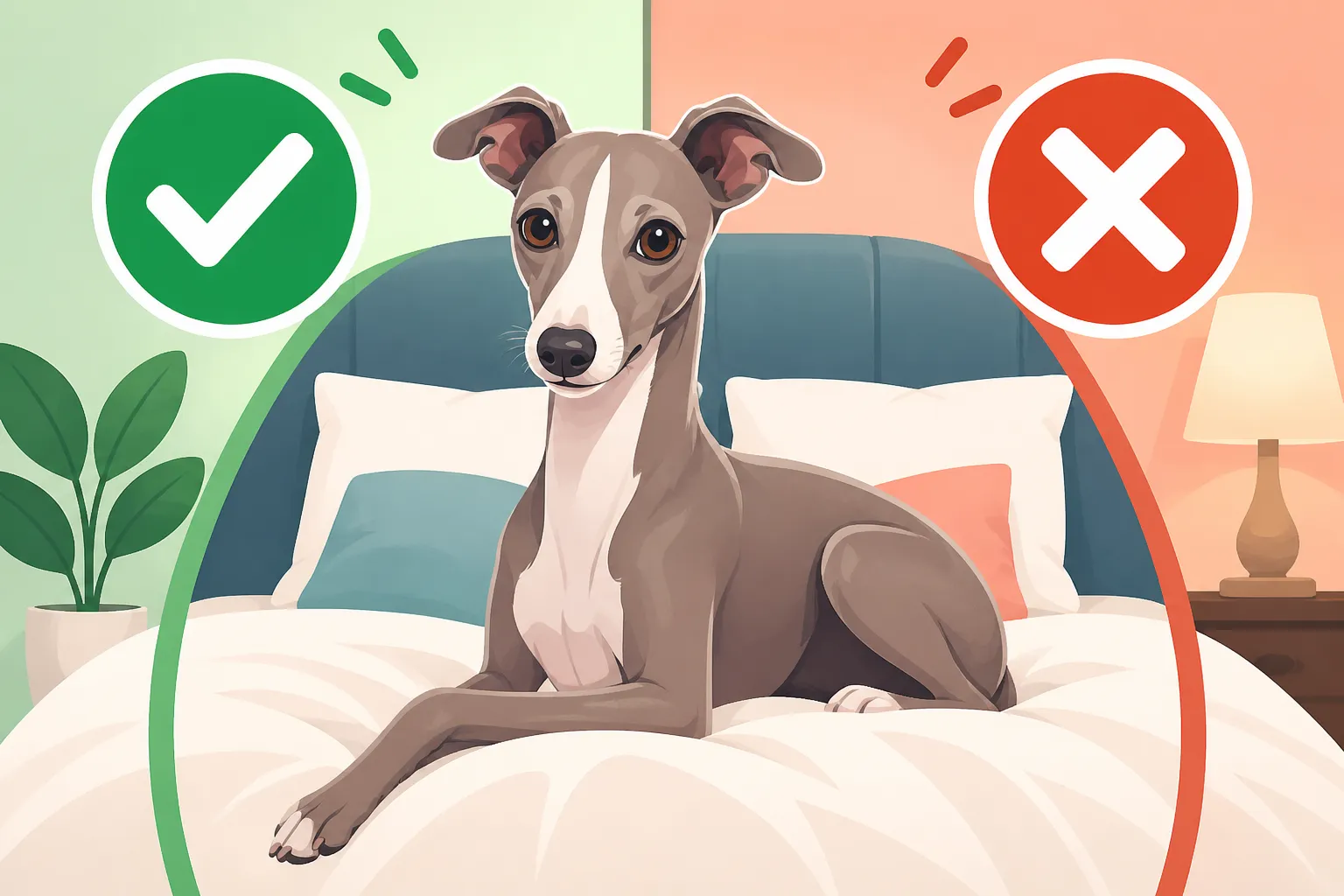
Whether an Italian Greyhound Should Be Allowed on the Bed
It’s a question almost every Italian Greyhound owner asks themselves, often with a little internal guilt: "Should my Italian Greyhound be allowed on the bed?" It feels so natural to let these little cuddle bugs burrow under the covers with us, especially when they look up with those big, soulful eyes. But then worries creep in – about their fragile bones, about creating an overly dependent dog, or simply about hygiene. This guide will delve deep into the nuances of this decision, helping you understand the pros, cons, and practical considerations so you can make the best choice for both you and your beloved Italian Greyhound.
The Comfort and Connection of Sharing Your Bed with an Italian Greyhound
Let’s be honest, few things are as comforting as a warm, soft Italian Greyhound curled up beside you. For many of us, the idea of not sharing our bed with them feels almost cruel. This isn't just about our own desire for snuggles; there are genuine benefits for your little sighthound too.
Fostering the "Velcro Dog" Bond
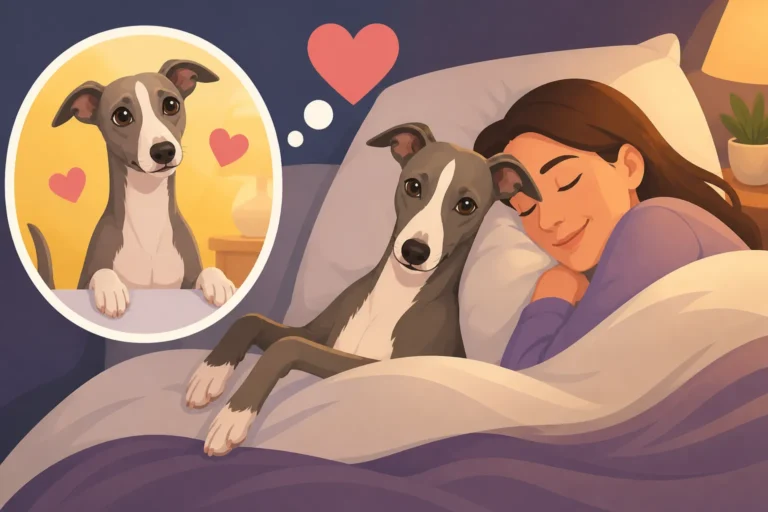
Italian Greyhounds are famously known as "Velcro dogs." They thrive on companionship and physical closeness, often following their humans from room to room, never wanting to be more than an arm's length away. Allowing your Italian Greyhound onto your bed, particularly at night, profoundly reinforces this natural bond. It communicates trust, security, and belonging in a way few other things can. For a breed that was historically bred to be a companion animal and lap warmer for nobility, this deep connection is part of their very essence.
Imagine a chilly evening; you're settled into bed, and your IG hops up, nestles into the crook of your arm or between your legs, and lets out a contented sigh. That moment isn't just sweet; it's a powerful affirmation of your relationship. They feel safe, cherished, and utterly part of the pack. This kind of consistent, comforting presence can alleviate feelings of loneliness or anxiety, especially if you spend time away from home during the day. For more on this intrinsic need for closeness, you might want to read about The Velcro Dog: What Constant Company Means With an Italian Greyhound.
Meeting Their Innate Need for Warmth
One of the most striking characteristics of an Italian Greyhound is their incredibly thin skin and almost complete lack of body fat. They are built for speed, not for insulation. This means they get cold, and they get cold easily. Even indoors, in what might feel like a perfectly comfortable room temperature to you, your Italian Greyhound could be shivering.
Your bed offers a natural, consistent source of warmth, especially when they can burrow under the covers with you. Think of it as a giant, human-powered heated bed. The warmth of your body is often exactly what they need to regulate their temperature comfortably through the night. This isn't just about comfort; it's about their physiological well-being. Leaving them alone in a cold room on a thin bed can lead to them expending extra energy just trying to stay warm, which isn't ideal for their rest or overall health. You can find more insights into their unique physiological needs in Why an Italian Greyhound Gets Cold on the Table.
Reducing Separation Anxiety and Nighttime Woes
Many Italian Greyhounds, given their profound attachment to their humans, can struggle with separation anxiety. This can manifest during the day when you leave the house, but it can also become a problem at night if they are crated or left to sleep alone in another room. The darkness and quiet can amplify feelings of isolation.
By allowing them to sleep in your bed, you often preempt these nighttime anxieties. The constant, reassuring presence of their person can provide immense comfort, leading to a more peaceful night's sleep for both of you. Instead of pacing, whining, or barking in their crate, they're simply snuggled in, feeling safe. This can also help reduce unwanted behaviors like destructive chewing born out of anxiety or desperate attempts to get to you. Of course, this needs to be balanced with teaching them to cope when you are away, but for the night, it can be a significant benefit. Understanding How Long an Italian Greyhound Copes Alone might give you perspective on their need for proximity.
Understanding the Risks: Why Bed Access Isn't Always a Simple 'Yes'
While the idea of snuggling with your Italian Greyhound might fill you with warmth and happiness, it’s absolutely crucial to acknowledge the very real risks involved. This breed’s delicate physiology and specific behavioral traits mean that a seemingly innocent jump can have devastating consequences.
The Ever-Present Danger of Falls and Fractures
This is, without a doubt, the biggest and most terrifying risk associated with allowing an Italian Greyhound on furniture, especially beds. Italian Greyhounds are infamous for their fragile bones, particularly their slender front leg bones (radius and ulna). A jump as innocuous as off a sofa or bed can result in a catastrophic fracture. It happens in a split second: they wake suddenly from a dream, get startled by a noise, see something intriguing on the floor, or simply misjudge a leap.
Imagine waking up to that sickening yelp, finding your sweet dog unable to put weight on a leg. It's a nightmare scenario, and it's shockingly common. These fractures often require expensive and specialized surgery, involving plates and pins, and a long, difficult recovery period, as explored in A Broken Leg Is the Emergency Every Italian Greyhound Owner Fears. Even a well-behaved dog, trained not to jump, can have an accident when startled or caught off guard. We can tell ourselves they're smart enough, but instinct can override training in a flash.
This risk is particularly high for puppies and young Italian Greyhounds whose growth plates haven't fully closed and bones are still developing. But even adult IGs are susceptible. The height of your bed, the flooring around it, and the presence of other pets or small children can all increase the danger. It’s a constant anxiety for many owners, leading some to strictly forbid bed access altogether. For a more detailed look at prevention, consider Teaching an Italian Greyhound Not to Jump Down.
Behavioral Implications: Independence and Boundaries
While Italian Greyhounds love to be close, there's a delicate balance to strike between affection and fostering independence. Some trainers and owners worry that constantly allowing a dog on the bed can inadvertently lead to issues with boundaries. If the bed is always available, the dog might begin to see it as their inherent right, potentially leading to:
- Resource Guarding: They might guard "their" spot on the bed from other pets or even family members, growling or snapping if disturbed.
- Difficulty with crate training or alternative sleeping arrangements: If they have to be crated or sleep elsewhere (e.g., during travel, at a sitter’s home, or for a veterinary stay), they may suffer severe stress and anxiety because they are not used to being separated.
- Exacerbated Separation Anxiety: Paradoxically, while sleeping with you can reduce nighttime anxiety, an over-reliance on your constant presence can make daytime departures even harder, as they haven't learned to self-soothe or be comfortable alone.
It's not that every dog who sleeps in the bed will develop these issues, but it's a valid concern, especially for a breed prone to being highly bonded and sometimes a bit clingy. It's about ensuring your dog understands that while they are loved and welcome, boundaries still exist, and you are the one who dictates access.
Hygiene and Allergen Considerations
Let’s talk frankly about what sharing your bed with a dog means for your personal space and health. Even the cleanest Italian Greyhound will bring some elements into your bed:
- Hair and Dander: While IGs have short coats and shed less than some breeds, they do shed. Their fine hair and dander can accumulate in your sheets, leading to more frequent washing. For allergy sufferers, this can be a significant issue, making allergies worse even if the dog is bathed regularly.
- Dirt and Debris: No matter how diligent you are, paws can pick up dirt, dust, and microscopic outdoor elements. They might track in tiny bits of grass, pollen, or even remnants of whatever they've stepped on outside.
- Potential for Parasites: Even on preventative medication, there's always a slight risk of fleas, ticks, or mites. If these hitchhikers make it into your bed, they're much harder to eradicate.
- Smell: While Italian Greyhounds are known for being a relatively low-odor breed, all dogs have a scent. Over time, that "dog smell" can permeate your bedding, requiring extra laundry efforts.
For some, these are minor inconveniences. For others, particularly those with allergies or a strong preference for a pristine sleep environment, these hygiene factors are deal-breakers.
Strategies for Safe and Harmonious Bed-Sharing (or Not)
If you've decided that your Italian Greyhound will be sharing your bed, or at least have access to it, the good news is that you can take steps to minimize the risks and create a mutually beneficial arrangement. This isn't just about letting them jump; it's about thoughtful planning and consistent training.
Providing Safe Access and Egress
The single most important thing you can do to protect your Italian Greyhound if they're allowed on furniture is to provide safe ways for them to get up and down without jumping. This means investing in and diligently training them to use ramps or pet stairs.
Ramps are often preferred over stairs for Italian Greyhounds because they offer a continuous, gentle incline that's easier on their joints and less likely to cause a misstep. Look for sturdy ramps with non-slip surfaces. You can find excellent options on platforms like Amazon, offering various lengths and heights to suit your bed. Place them strategically so your IG doesn't have to navigate around obstacles to use them.
Training is key here. Don't assume your dog will instinctively use the ramp. Start by luring them up and down with high-value treats and praise, making it a positive experience. Practice consistently, several times a day, until using the ramp becomes second nature. Always supervise initially to ensure they’re using it correctly and not trying to bypass it with a jump. This proactive step can dramatically reduce the risk of a devastating fracture, which is discussed in more detail in Ramps and Steps for an Italian Greyhound's Furniture.
Establishing Clear Rules and Training Boundaries
Even if your Italian Greyhound sleeps in your bed, you're still the one in charge. This isn't about being mean; it's about clear communication and structure, which dogs thrive on. Establish rules from day one:
- Invitation Only: Teach an "up" command and ensure they only get on the bed when invited. Similarly, teach an "off" command. This reinforces that bed access is a privilege, not a right.
- Designated Space: Consider putting a specific, comfortable blanket or dog bed on your bed where your Italian Greyhound is expected to sleep. This gives them their own defined space, helping to prevent resource guarding of the entire bed.
- Polite Removal: If you need them to get off the bed, use your "off" command, followed by a treat when they comply. Avoid pushing them off or reacting angrily, which can create negative associations or make them wary.
For structured guidance on training these boundaries, resources like BAXTER & Bella’s online puppy training program can be incredibly helpful. They often emphasize positive reinforcement methods that work well with sensitive breeds like Italian Greyhounds. Consistent training helps your dog understand expectations, reducing potential behavioral issues down the line and fostering a well-adjusted companion.
Creating a Cozy "Plan B" Sleeping Spot
Even if your Italian Greyhound is allowed on the bed, it’s always a good idea to have an equally appealing alternative sleeping spot. This "Plan B" serves multiple purposes: it offers them a choice, acts as their primary sleeping spot if you decide to change the rules, and provides a comfortable option when you're away or they can't be on the bed.
An ideal alternative bed for an Italian Greyhound would be:
- Heated: Given their low body fat, a heated bed can be incredibly comforting. Many IGs adore them, especially in colder months. Just make sure it's a pet-safe heated bed designed for continuous use, as discussed in Whether a Heated Bed Is Safe for an Italian Greyhound.
- Orthopedic: Look for beds with good support foam to protect their bony joints and provide pressure relief, especially as they get older.
- Snuggle Sack or Covered: Italian Greyhounds love to burrow. A bed with a built-in cover or a separate snuggle sack provides the secure, den-like feeling they crave. You can find many options on Amazon that cater to this specific need, often with soft, warm materials.
Place this alternative bed in your bedroom, close to you, so they still feel connected. Consistently encourage them to use it with treats and praise. This ensures that if for any reason they can’t be on your bed, they still have a safe, warm, and familiar place to rest, reducing stress and confusion. Remember, The Bedding a Thin Skinned Italian Greyhound Actually Needs goes a long way in their comfort and health.
Making the Decision: What's Right for You and Your IG
There's no single "right" answer to whether an Italian Greyhound should be allowed on the bed. It's a deeply personal decision that depends on a myriad of factors unique to your household, your dog, and your lifestyle. What works for one family might be a disaster for another.
Factors to Consider Beyond the Cuteness Factor
Before you let those big, adorable eyes sway you entirely, take a moment to honestly assess your situation:
- Your Dog's Age and Health: Puppies and very young IGs are at the highest risk for fractures due to their still-developing bones and often boundless, clumsy energy. Older dogs might have arthritis or mobility issues that make jumping painful or dangerous. The Age an Italian Greyhound's Bones Finish Hardening is an important consideration.
- Your Home Environment: Do you have slippery floors around the bed? Are there other pets (especially larger, boisterous ones) or small children who might inadvertently startle your IG or block their safe path off the bed? A busy, chaotic household might pose more risks.
- Your Lifestyle and Schedule: Are you generally a light sleeper, or do you toss and turn a lot? A restless human can disturb a dog's sleep. Do you travel frequently? If your dog can only sleep in your bed, boarding or staying with a sitter might become a much more stressful experience.
- Your Comfort Level: Are you genuinely comfortable with dog hair, dander, and the occasional dirt in your bed? If not, the ongoing hygiene battle might outweigh the companionship benefits.
- Your Dog's Personality: Some IGs are more cautious jumpers, others are fearless daredevils. Some are prone to separation anxiety, while others are more independent. Observe your dog's specific tendencies. What an Italian Greyhound Does All Day might give you clues about their energy levels.
The Art of Compromise
If you’re torn, remember that it doesn't have to be an all-or-nothing situation. Many owners find a happy medium that satisfies both their desire for closeness and their need for safety and boundaries.
Consider these compromises:
- Daytime Naps Only: Allow your Italian Greyhound on the bed for cuddles and naps during the day when you can supervise them closely and ensure they use ramps. At night, they sleep in their designated, comfortable bed nearby.
- By Invitation and On a Blanket: Always require an invitation to get on the bed. Once on, they must stay on their special dog blanket or bed placed on your mattress. This helps define their space and reduces the impact on your bedding.
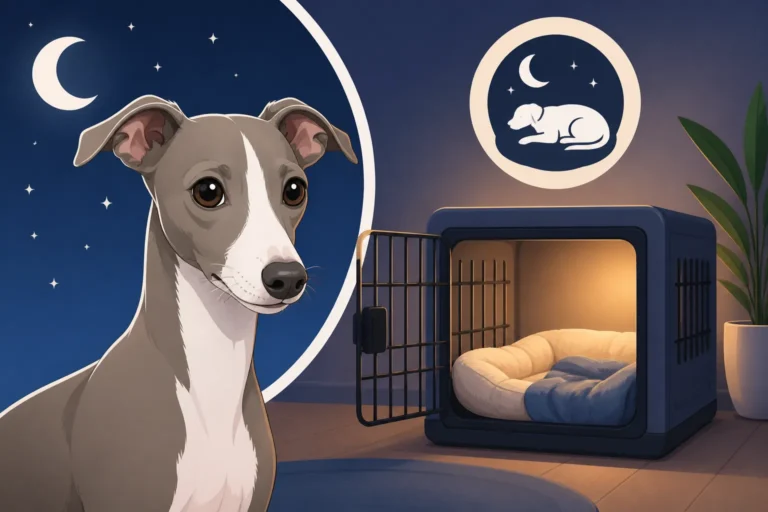
- Crate in the Bedroom: If you worry about nighttime accidents or want stricter boundaries, a crate in your bedroom provides both safety (no jumping in the dark) and proximity (they can still hear and smell you). This is a great solution for new puppies or dogs prone to accidents. For tips on this, see Crating an Italian Greyhound Overnight.
Long-Term Well-being Over Short-Term Gratification
Ultimately, your goal is to have a happy, healthy, and well-adjusted Italian Greyhound for their entire lifespan of Why an Italian Greyhound Lives Fourteen to Fifteen Years. While those cuddles are incredibly gratifying, remember that protecting them from injury and fostering good behavior should be your top priorities. A broken leg, especially one requiring extensive medical intervention, is a trauma no one wants to experience.
Your decision should come from a place of informed care, not just emotional impulse. If you choose to share your bed, do it responsibly, with ramps, training, and clear expectations. If you decide against it, provide an equally warm, comfortable, and safe alternative sleeping space, and make sure to shower them with extra cuddles and attention at other times. The bond with your Italian Greyhound is built on love, trust, and care – and that can flourish whether they’re tucked into your sheets or nestled safely in their own cozy bed right beside you.
Here's a quick overview of the main points to help you decide:
| Feature/Consideration | Allowing on Bed (with precautions) | Not Allowing on Bed (with alternatives) |
|---|---|---|
| Bonding & Affection | Deepens connection, reinforces "Velcro dog" nature. | Still strong, but expressed through other interactions (cuddles on sofa, lap time). |
| Warmth | Excellent natural body warmth, ideal for thin-skinned IGs. | Requires a high-quality, possibly heated, dog bed. |
| Separation Anxiety | Can reduce nighttime anxiety. | May initially cause distress; requires careful crate/bed training. |
| Fracture Risk | High risk if safe access (ramps) not strictly used; accidents happen. | Low risk from jumping off furniture. |
| Behavioral Boundaries | Requires consistent training to prevent resource guarding, dependency. | Clear boundaries, fosters independence. |
| Hygiene/Allergens | Increased hair, dander, dirt; requires more frequent cleaning. | Less impact on personal bedding hygiene. |
| Convenience for Owner | Waking up to a snuggle; dog might hog space. | Clear space in bed; dog needs to be taken outside if nighttime potty. |
| Cost | May require ramps/stairs. | Requires investing in a high-quality dog bed (possibly heated). |
Disclaimer
This article is for general informational purposes only and does not constitute professional advice. Laws, prices and regulations vary by location and change over time. Consult a qualified professional for guidance on your specific situation.