Why an Italian Greyhound Jumps Out of Your Arms
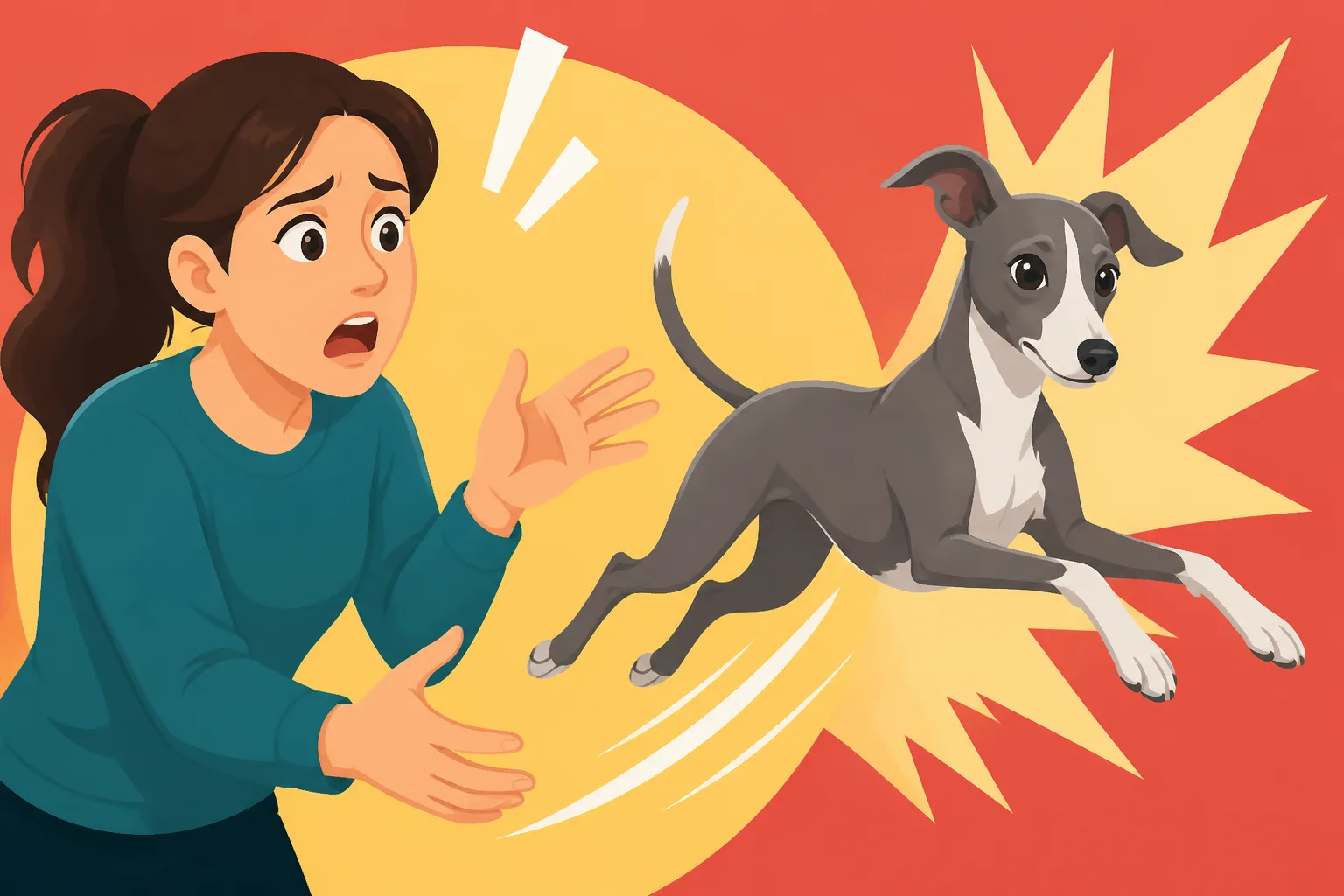
That heart-stopping moment when your Italian Greyhound, who was just snuggled safely in your arms, suddenly launches itself into the air, seemingly without a care in the world, is a fear many Iggy owners know intimately. It’s terrifying, because you know how fragile these little dogs can be, and the thought of them fracturing a delicate leg bone sends shivers down your spine. This guide is here to help you understand why your Italian Greyhound might suddenly decide to take a leap of faith from your grasp and, more importantly, how to prevent such scary incidents and keep your beloved companion safe.
Understanding the Italian Greyhound's Instincts and Anatomy
Italian Greyhounds are a unique blend of delicate physical structure and powerful sighthound instincts. This combination makes them prone to certain behaviors and vulnerabilities that other breeds might not experience in the same way. Understanding these core traits is the first step in learning how to handle them safely and minimize the risk of injury.
The Italian Greyhound's Delicate Build and Vulnerability
Let's be brutally honest: Italian Greyhounds are built like exquisite, fragile porcelain figurines, but they're filled with the energy of a tiny gazelle. Their long, slender legs, fine bones, and relatively light musculature are trademarks of the breed, giving them that elegant, high-stepping gait we all adore. However, this same delicate build makes them incredibly susceptible to fractures, especially when they take unexpected falls. We often worry about jumps from furniture, but a fall from our arms can be just as, if not more, dangerous due to the uncontrolled nature of the landing. The radius, in particular, is a common fracture site. Why an Italian Greyhound's Radius Is the Bone That Breaks talks more about this specific vulnerability. It's not that they want to hurt themselves; it's simply that their anatomy isn't designed for hard impacts or clumsy landings.
Think about it: a sudden twist, an awkward angle, or even a short drop onto a hard surface can have devastating consequences. Their bones, especially in puppyhood, are still hardening, making them extra vulnerable. The Age an Italian Greyhound's Bones Finish Hardening highlights this critical developmental stage. This inherent fragility is why constant vigilance and careful handling are not just suggestions, but absolute necessities when you own an Italian Greyhound. You know, when you pick them up, you can feel how light and airy they are, which is part of their charm, but also their biggest risk factor.
Prey Drive and the Instinct to Bolt
Despite their pampered house-dog status, Italian Greyhounds retain a powerful, ingrained prey drive from their sighthound ancestry. They were bred to spot and chase small, fast-moving objects. This instinct is still very much alive and well, even in the most cuddly pet. If an Italian Greyhound catches sight of a squirrel, a bird, a rabbit, or even a blowing leaf, that instinct to chase can override all training, all fear, and all common sense in an instant.
Imagine you're holding your Iggy, perhaps admiring the view from a window or stepping out onto your porch. Suddenly, a squirrel darts across the lawn. Before you can even register what's happening, your Iggy sees it, tenses, and then launches. It's not a conscious decision to be naughty; it's an ancient, hardwired impulse taking over. This sudden burst of energy and focus on an external stimulus means they might not even register that they are in your arms until they are already airborne. This primal urge is also why we say Why an Italian Greyhound Cannot Be Trusted Off Leash, Ever – their desire to chase is simply too strong to reliably recall them once they're off.
The Fight or Flight Response in a Small Sighthound
Like many smaller, more sensitive breeds, Italian Greyhounds have a highly developed "fight or flight" response. More often than not, it leans heavily towards "flight." If they feel threatened, startled, or confined in a way they don't like, their primary reaction is to escape the situation as quickly as possible. Being held, especially by someone they don't fully trust, or in a situation that feels overwhelming, can trigger this response.
This isn't necessarily about aggression; it's about survival. A loud noise, a sudden movement by a stranger, an unexpected touch from behind, or even just feeling unsteady in your arms can cause them to panic. In that moment of panic, their instinct tells them to get away, and gravity becomes a secondary concern. They simply want their feet on solid ground – or any ground, really. This flight instinct can manifest as squirming, wriggling, and ultimately, jumping. It’s crucial to recognize that this isn't defiance; it's often pure, unadulterated fear or an overwhelming need to self-preserve. Why an Italian Greyhound Shuts Down Under Pressure also speaks to their sensitive nature when feeling overwhelmed.
Common Scenarios Leading to Jumps and Falls
It's not always a dramatic squirrel chase. Often, the circumstances that lead to an Italian Greyhound jumping from your arms are quite ordinary, making them all the more insidious because we don't anticipate the danger. Understanding these common triggers can help you be more aware and proactive.
Startle Reflexes and Sudden Movements
Italian Greyhounds are notoriously sensitive and can be easily startled. A sudden loud noise – a dropped pan, a car backfiring, a child yelling, or even a sudden cough from you – can trigger an immediate, involuntary reaction. In your arms, this reaction might be to jolt, twist, or push away, trying to escape the perceived threat. Their startle reflex is often very quick, quicker than our own ability to react and secure them.
Similarly, sudden movements from us can be a trigger. If you shift your weight unexpectedly, stumble, or even just make a quick gesture while holding them, they might interpret it as a loss of stability or a signal of impending danger. This is why even experienced Iggy owners can find themselves in these situations; life happens, and sometimes we're not as steady or predictable as we'd like to be. It's not just big, scary things. It can be something as simple as a new person reaching out their hand too quickly for a pet, causing your Iggy to recoil.
Unfamiliar Environments and Overstimulation
Taking your Italian Greyhound to new places, while important for socialization, can also be a minefield of potential jump-from-arms scenarios. A bustling vet clinic, a crowded park, a new friend's house with unfamiliar smells and sounds – all these environments can be overstimulating for a sensitive Iggy. The sheer volume of new sensory input can quickly become overwhelming, leading to anxiety.
When they feel anxious or trapped in an unfamiliar situation, their instinct to escape kicks in. You might be holding them to reassure them, but for them, being held might feel like being unable to flee. A sudden sound or movement in this already heightened state can be the final straw, prompting them to squirm violently or jump in an attempt to get away. Even a trip to a familiar place, if there’s an unexpected crowd, can turn a calm dog into a panicked jumper. How an Italian Greyhound Copes Alone speaks to their general anxiety and need for security. This is particularly important for young puppies, whose world is still expanding and can easily become too much.
The "Velcro Dog" Paradox: Clinginess vs. Independence
Italian Greyhounds are famously known as "Velcro dogs." They love to be close, to cuddle, to burrow under blankets, and often prefer to be in physical contact with their chosen human. This intense bond and desire for proximity make it seem counterintuitive that they would suddenly leap from your embrace. However, this "Velcro" tendency has a flip side: a sometimes startling burst of independence when their instincts take over.
They might be perfectly content being held one moment, luxuriating in your warmth and attention. But the instant that prey drive is activated, or they feel genuinely startled or unsafe, that clinginess can disappear in a flash. It's a paradox: they crave closeness, but they also possess a powerful, independent spirit when their deeper instincts are aroused. This isn't a betrayal of trust; it's simply their nature. That swift transition from snuggly lapdog to airborne hunter is something every Iggy owner needs to be prepared for. The Velcro Dog: What Constant Company Means With an Italian Greyhound describes this charming, yet sometimes challenging, aspect of their personality in more detail.
Learning Safe Handling Techniques
Given their delicate nature and quick reflexes, knowing how to properly pick up, hold, and secure your Italian Greyhound is paramount. It’s about building trust and creating a sense of safety, even when you need to lift them.
The Proper Way to Pick Up and Hold an Italian Greyhound
This is probably the single most important technique you can master. Italian Greyhounds aren't like sturdy little terriers you can scoop up any old way. Their long backs and fragile legs require specific support to prevent injury, and to make them feel secure enough not to jump.
Here's the method I always recommend:
- Approach Calmly: Always approach your Iggy from the front or side, letting them see you. Avoid swooping down from above, which can be startling. Speak to them in a calm, reassuring voice.
- Support the Chest: Slide one hand under their chest, just behind their front legs. This provides primary support for their body weight and helps prevent them from falling forward.
- Support the Hindquarters: Simultaneously, place your other hand under their hindquarters, supporting their rear end and tail. This prevents their back from arching unnaturally and keeps their legs from dangling freely, which can feel unstable to them.
- Lift Evenly: Lift them smoothly and evenly, bringing them close to your body. Holding them close to your chest or hip makes them feel more secure and gives them less room to squirm or twist.
- Maintain Contact: Once they're up, keep them snug against your body. Don't hold them out at arm's length. Always ensure both hands are supporting them, especially if you're moving or if there's potential for distraction.
- Put Down Carefully: Lower them just as gently, ensuring all four paws are firmly on the ground before releasing your grip.
Practicing How to Pick Up an Italian Greyhound Safely will become second nature, and your Iggy will learn to anticipate the safe lift. This consistent method builds trust, as they learn that being picked up isn't a scary, unstable experience.
Creating a Secure Environment
Prevention is always better than cure, especially when it comes to potential fractures. Creating an environment that minimizes the opportunities for jumps and falls is essential for Italian Greyhound ownership.
- Ramps and Steps: Invest in ramps or steps for sofas and beds. I know, they love to be on the furniture with you, and that's part of the Italian Greyhound charm. But repeated jumping down from heights, even seemingly small ones, can put stress on their joints and, more importantly, lead to devastating fractures. Look for sturdy, non-slip options available on platforms like Amazon. Teaching them to use these can take patience, but it's a vital safety measure. Ramps and Steps for an Italian Greyhound's Furniture provides more details on setting this up.
- Gating and Supervision: While they are in your arms, be mindful of their surroundings. If you're near an open door, a high window, or a busy street, consider gating off areas or ensuring a second person is available to manage distractions.
- Safe "Holding Zones": When you need to hold your Iggy for grooming, nail trims, or a quick check-up, do so in a calm, enclosed area. A room with soft carpet, away from windows and other pets, can help reduce distractions and the urge to jump.
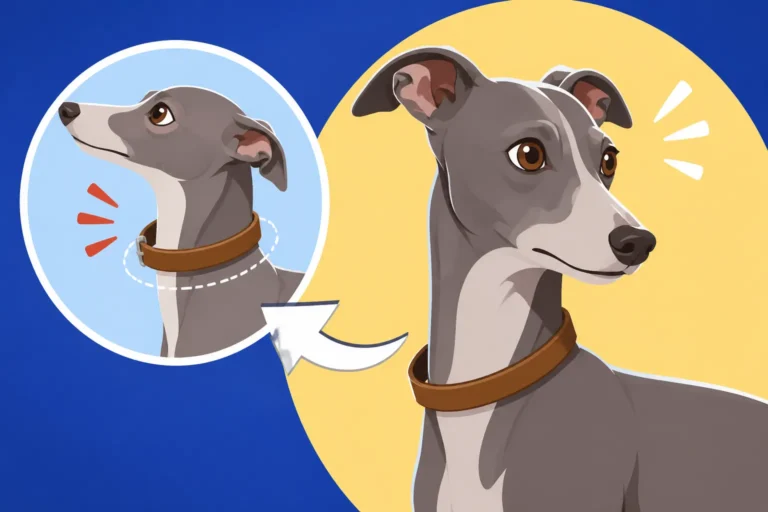
- Appropriate Leashes and Harnesses: When you take your Iggy outside, even if you’re holding them, always have them in a secure harness and leash. If they do jump or slip, having that leash can be the difference between a minor scare and a full-on chase into traffic. Italian Greyhounds are escape artists from collars, so a well-fitting harness is critical. Which Harness Suits an Italian Greyhound's Neck is a good read on this topic.
Training for Calmness and Trust
While you can't train away a prey drive, you can work on building your Italian Greyhound's overall confidence, impulse control, and trust in your handling.
- Positive Reinforcement: Use high-value treats and praise to reward calm behavior, especially when being handled or in new situations. If they remain calm while you're holding them, even for a short period, reward them generously.
- Desensitization to Handling: Start early with puppies. Gently touch their paws, ears, tail, and mouth, always pairing it with positive reinforcement. This makes vet visits and routine handling less stressful.
- "Stay" and "Wait" Cues: Training cues like "stay" or "wait" can be invaluable. Practice these in various scenarios, gradually increasing distractions. This isn't just for floor-level behavior; it can translate to moments when you're holding them, giving you a valuable cue to engage their brain and focus. BAXTER & Bella, for example, offers online puppy training programs that emphasize positive reinforcement and building foundational behaviors, which can be incredibly helpful for sensitive breeds like Iggies.
- Controlled Exposure: Gradually expose your Iggy to different environments, keeping them securely in your arms initially, and using positive reinforcement to make these experiences pleasant. Don't overwhelm them. Short, positive exposures are far more effective than long, stressful ones.
- Build a Strong Bond: The stronger your bond and the more trust your Iggy has in you, the less likely they are to panic in your arms. Spend quality time, play, cuddle, and reinforce that you are their safe person.
| Action Item | Why It Helps | Key Benefit |
|---|---|---|
| Two-Handed Lift (Chest & Hindquarters) | Distributes weight, supports delicate spine, prevents dangling legs. | Prevents injury, increases dog's feeling of security. |
| Hold Close to Body | Reduces leverage for squirming, minimizes feeling of instability. | Less chance of escape, greater sense of safety for the dog. |
| Use Ramps/Steps for Furniture | Avoids high-impact jumps, protects joints and bones. | Prevents fractures, reduces long-term joint strain. |
| Leash & Harness Always (even when held) | Provides a backup if dog jumps or slips, prevents immediate flight. | Safety net against escape, prevents running into danger. |
| Positive Reinforcement Training | Rewards calm behavior, builds positive associations with handling and new places. | Increases trust, reduces anxiety, makes dog more cooperative. |
| Environmental Management | Removes or mitigates common triggers like open doors or high perches. | Reduces opportunities for impulsive jumps or dangerous escapes. |
What to Do if a Jump or Fall Happens
Even with the best intentions and most careful handling, accidents can still occur. When that terrifying moment happens, knowing what to do immediately and in the aftermath can make a significant difference in your Italian Greyhound's outcome.
Immediate Steps After a Fall
The seconds immediately following a fall can feel like an eternity, filled with panic. It's crucial to take a deep breath and act calmly and systematically.
- Assess the Situation (Briefly): First, check where your Iggy landed. Was it on a soft surface, or hard concrete? Is there any obvious danger they might run into?
- Remain Calm: Your Iggy will pick up on your panic. If you scream or rush frantically, you might scare them further, making them more likely to run or hide, even if injured. Speak in a low, soothing voice.
- Contain Gently: If they seem to be okay and are moving, gently try to contain them. If they are limping or showing obvious signs of pain, try not to move them more than absolutely necessary. If they bolt, resist the urge to chase; often, making yourself small and calling them gently is more effective. Why Chasing a Loose Italian Greyhound Makes It Worse explains this common mistake.
- Initial Visual Check: Once contained, do a quick visual check. Are they putting weight on all four legs? Is there any obvious swelling, unusual angles in their limbs, or visible wounds? Look for signs of pain, even subtle ones.
- Seek Veterinary Attention Immediately: This is not a "wait and see" situation for an Italian Greyhound, especially with a fall from height. Even if they appear fine, an internal injury or a hairline fracture might not be immediately obvious. It's always, always better to get them checked by a vet as soon as possible. A Broken Leg Is the Emergency Every Italian Greyhound Owner Fears is a stark reminder of the risks.
Recognizing Signs of Injury
Italian Greyhounds are notoriously stoic and can hide pain incredibly well. This makes it challenging for owners to detect injuries, especially those that aren't immediately apparent. You need to be a detective and look for subtle clues.
Common signs of a broken bone or severe injury include:
- Limping or Favoring a Leg: This is the most obvious sign. Even a slight reluctance to put weight on a leg is a red flag.
- Swelling or Bruising: Check the affected area for any unusual lumps, bumps, or discoloration.
- Holding a Limb at an Odd Angle: If a leg is twisted or hanging unnaturally, it’s a strong indicator of a fracture or dislocation.
- Reluctance to Move or Be Touched: If your Iggy normally loves cuddles but shies away from touch, especially in a specific area, pay attention.
- Crying, Whining, or Yelping: While some Iggies might vocalize pain, many will try to suppress it. Don't wait for a dramatic cry to seek help.
- Lethargy or Behavioral Changes: A sudden change in energy levels, appetite, or general demeanor can signal that something is wrong.
- Trembling or Shivering: This can be a sign of pain or shock.
- Open Wounds: Any break in the skin near a suspected fracture site is an emergency and increases the risk of infection.
If you suspect a fracture, try to keep the dog calm and still. You'll likely need X-rays to confirm the injury, and for Italian Greyhounds, this often requires careful sedation to get proper views without causing more pain or further damage. Signs an Italian Greyhound Has Broken a Leg offers further guidance on identifying these critical signals. Remember, early diagnosis and treatment are vital for the best possible outcome.
Preventing Future Incidents
After an accident, the natural response is often to become overly cautious, which is understandable. But it’s also important to channel that worry into proactive, consistent prevention strategies.
- Review and Reinforce Handling: Re-evaluate your picking-up and holding techniques. Are you being consistent? Are you supporting them adequately? Practice safe handling every single time.
- Identify and Address Triggers: Think back to what caused the jump. Was it a specific sound, sight, or situation? How can you modify that environment or prepare your Iggy for it better next time? Maybe it means avoiding certain busy areas, or only carrying your Iggy in a special carrier in high-distraction zones.
- Continue Training and Socialization: Keep working on those "stay" and "wait" commands. Continue positive, controlled socialization to help them build confidence in new situations, reducing their "flight" response. How Hard an Italian Greyhound Is to Train discusses their specific training needs.
- Consider a Sling or Carrier: For longer outings or in particularly crowded places, a dedicated dog sling or soft-sided carrier can provide both security and comfort for your Iggy, preventing them from feeling exposed or overwhelmed. This reduces the need to carry them directly in your arms, minimizing the risk of a jump.
- Educate Others: Make sure family members, friends, and even guests understand the importance of safe Italian Greyhound handling. Explain their fragility and sensitive nature. Children, in particular, need clear rules about Why Children Should Not Carry an Italian Greyhound to protect these delicate dogs.
- Regular Vet Check-ups: Ensure your Iggy has regular wellness exams. A healthy, confident dog is less prone to stress and less likely to have hidden health issues that could contribute to an awkward fall. These check-ups also allow your vet to assess their overall health and discuss any new concerns.
Remember, owning an Italian Greyhound is a joyful experience, but it comes with the responsibility of protecting their unique, delicate bodies. By understanding their instincts, using safe handling techniques, and maintaining a secure environment, you can significantly reduce the risk of those terrifying jumps and ensure your cherished companion remains safe and sound.
Disclaimer
This article is for general informational purposes only and does not constitute professional advice. Laws, prices and regulations vary by location and change over time. Consult a qualified professional for guidance on your specific situation.