What an Italian Greyhound Does When Its Person Dies
It's a heartache nobody wants to contemplate: the day your beloved Italian Greyhound loses their most cherished person. Our Iggies bond so deeply, often singling out one human above all others as their absolute world. When that world crumbles, the impact on these sensitive, intelligent little dogs can be profound and heartbreaking to witness. This guide isn't just about preparing for a worst-case scenario; it's about understanding how your Italian Greyhound might grieve, how you can support them through the unimaginable, and what practical steps can ease their transition during such a devastating time.
The Immediate Aftermath: Signs of Grief in Your Italian Greyhound
Just like humans, Italian Greyhounds process loss, but their expressions of grief are, of course, canine. They can’t tell us in words how they feel, but their behavior and even their physical state will often communicate their profound sadness. It’s crucial for anyone stepping in to care for them to recognize these signs, so they can offer the right kind of support.
Behavioral Changes: Withdrawal, Restlessness, or Clinginess
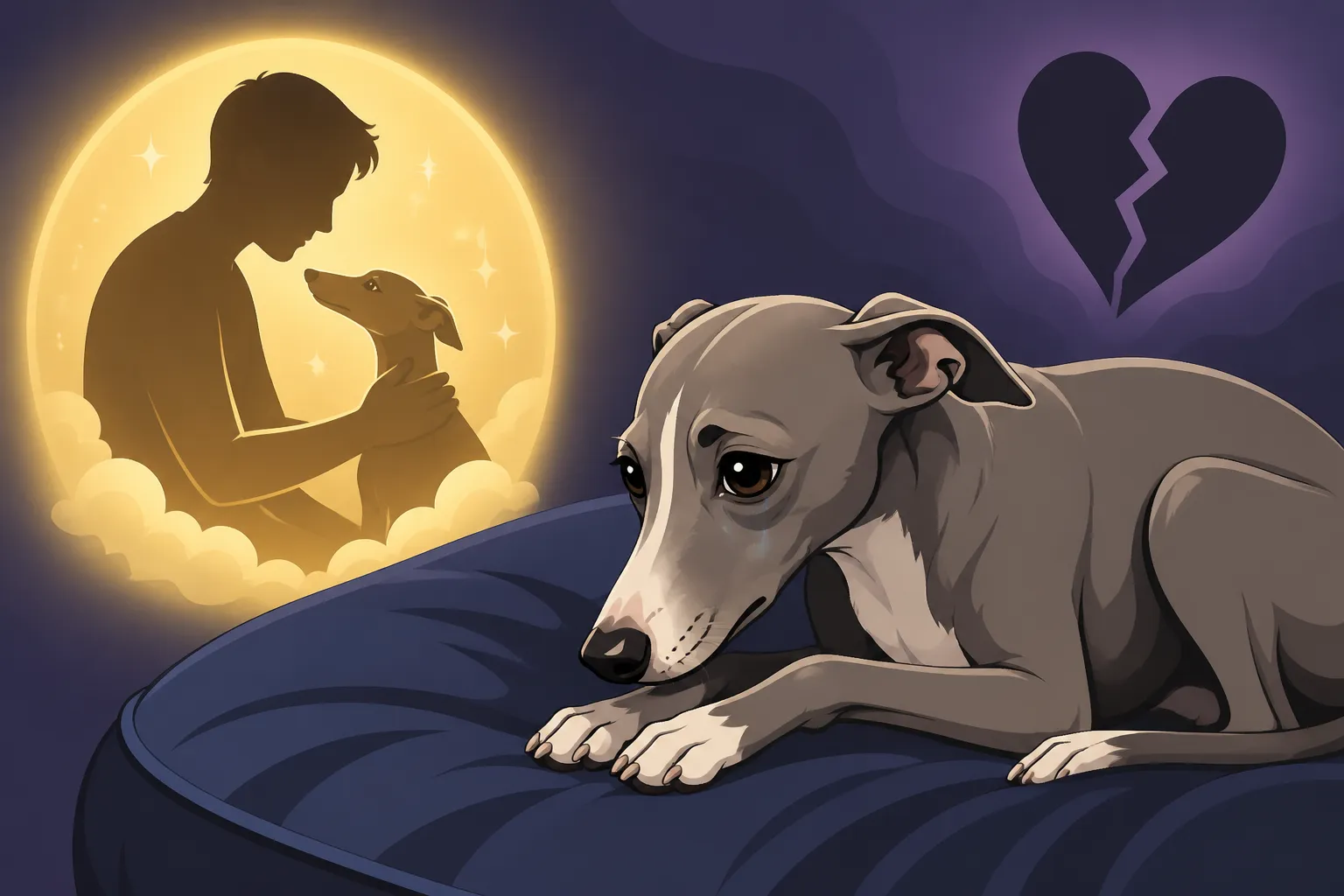
The immediate days and weeks after losing their primary person are a whirlwind of confusion and fear for an Italian Greyhound. You might notice your usually vivacious IG becoming incredibly withdrawn. They might spend more time sleeping, or hide away in their favorite spots, perhaps refusing to engage in play or walks. This isn't laziness; it's often a deep depression. Conversely, some Iggies react with extreme clinginess, becoming a The Velcro Dog: What Constant Company Means With an Italian Greyhound in the truest sense, constantly seeking physical contact, crying when left alone for even short periods, or even shadow-following their new primary caregiver around the house. They might become restless, pacing, panting, or exhibiting signs similar to separation anxiety, even if someone is present. Signs an Italian Greyhound Has Separation Anxiety can manifest as destructive chewing, house soiling, or excessive vocalization. Others might lose interest in their usual activities, ignore their toys, or refuse treats they once adored. A disrupted sleep schedule is also common; they might wander at night or wake frequently, seemingly searching for their lost companion.
Physical Manifestations: Stress-Induced Symptoms
The emotional toll of grief can manifest physically in these delicate dogs. It's not uncommon for a grieving Italian Greyhound to experience a temporary loss of appetite, picking at their food or refusing to eat entirely, which can lead to rapid weight loss given their already lean build. Digestive upset, such as diarrhea or vomiting, can also occur due to stress. You might notice them becoming lethargic, lacking their usual zest for life, or appearing dull-eyed. Less common, but possible, are stress-induced behaviors like excessive licking of their paws or flanks, which can lead to skin irritation or hot spots. In extreme cases, chronic stress can weaken their immune system, making them more susceptible to minor illnesses. If any of these physical symptoms persist or worsen, it's vital to consult a veterinarian. Sometimes, an Italian Greyhound, known for being stoic, can How an Italian Greyhound Hides Pain, making it harder to discern if symptoms are purely grief-related or indicative of an underlying health issue exacerbated by stress.
Navigating the Transition: Supporting Your Italian Greyhound Through Loss
When an Italian Greyhound loses its primary person, the remaining family members, or a new caregiver, are faced with the immense challenge of helping this sensitive dog through their grief. It’s a delicate balance of providing comfort and maintaining structure in a world that feels suddenly chaotic.
Maintaining Routine and Stability
For an Italian Greyhound, routine is comfort, especially when their emotional world is in turmoil. After the loss of their person, sticking to a predictable schedule for feeding, walks, and bedtime becomes incredibly important. This stability provides a sense of security when everything else feels uncertain. Try to maintain the same meal times they were used to, offer their food in the same spot, and use familiar bowls. If their person was the sole feeder, the new caregiver should take on this role consistently. Familiar smells can also be immensely comforting. Allowing your IG access to their person's favorite blanket, sweater, or even their side of the bed can offer a sense of closeness. Don’t rush to wash everything that smells of the departed; these familiar scents can provide a quiet reassurance. Daily walks, even if shorter than usual at first, can help maintain physical health and mental stimulation, allowing for brief moments of normalcy in a time of distress. The predictability helps them understand that while one key element has changed, many others remain constant. This is crucial for their well-being, especially considering What an Italian Greyhound Does All Day often involves a structured routine around their favorite human.
Emotional Support and Gentle Reassurance
Italian Greyhounds thrive on connection and affection. During a period of grief, they need extra emotional support, but it should be offered gently. While some Iggies will become clingy, others might initially push away affection. Respect their space, but remain present and available. Quiet cuddling, gentle strokes, and soft spoken words of comfort can go a long way. Avoid overwhelming them with too much noise or too many new faces if possible. If the IG is now with a new caregiver, it's a critical time to build a bond through positive interactions. Engaging in gentle play sessions with familiar toys, offering high-value treats, and simply spending quiet time together can foster trust. If the grieving Italian Greyhound displays new or escalated behavioral issues, such as severe anxiety or destructive tendencies, consider seeking guidance from a professional dog trainer or behaviorist. Resources that emphasize positive reinforcement and bond-building, like those offered by BAXTER & Bella, can be incredibly helpful in navigating new behavioral challenges and strengthening the relationship between the dog and its new caregiver during this sensitive time. These tools can help establish clear communication and rebuild confidence for both human and dog.
The Long-Term Outlook: Healing and Adaptation
Grief is a journey, not a destination, and this holds true for our Italian Greyhounds. While the initial acute pain may fade, the adaptation process can take many months, and their life will undoubtedly change forever.
When a New Caretaker Steps In: Building a Bond
When an Italian Greyhound loses its primary person and a new caretaker steps in, whether it's a family member or someone entirely new, the process of building a new bond requires patience, understanding, and consistent positive reinforcement. An IG that had Why an Italian Greyhound Attaches to One Person so strongly will need time to transfer that deep trust and affection. The new caretaker should focus on gentle interactions, consistent care, and becoming the source of all good things: food, walks, playtime, and quiet affection. Establish new routines together, but also integrate elements of the old routine if possible. For instance, if the IG always went for a morning walk at 7 AM, try to continue that schedule. Over time, as the IG learns that the new person is reliable, kind, and provides for their needs, a new bond will slowly but surely form. It's important not to try to "replace" the lost person but to build a unique and loving connection. Be prepared for a period of adjustment; How an Italian Greyhound Adjusts to a New Home can vary greatly depending on the dog's personality and past experiences. Some may adapt within weeks, while others might take many months, showing subtle signs of lingering sadness.
Considering a Companion for a Grieving Italian Greyhound
Sometimes, owners wonder if getting another dog might help a grieving Italian Greyhound. This can be a very personal decision and isn't a one-size-fits-all solution. For some Italian Greyhounds, especially those who enjoyed canine companionship, a new friend might provide comfort, distraction, and a renewed sense of play. Another Italian Greyhound, or a similarly gentle-natured companion, might fill a void. However, this must be approached with extreme caution. Introducing a new dog too soon, or without proper introduction protocols, can add more stress to an already grieving IG. The new dog might be seen as an intruder, or the grieving IG might not have the emotional capacity to form a new bond while still mourning. It’s crucial to assess the individual dog’s personality – are they generally dog-social? Do they typically thrive with other canine company? If you do decide to introduce a new companion, ensure it’s a dog with a compatible temperament, and introduce them slowly and in neutral territory. The goal is to enhance their life, not to add another layer of stress.
Practical Considerations for the New Caretaker
Beyond the emotional support, there are critical practical elements that must be addressed when an Italian Greyhound loses its primary caregiver. These considerations can make a world of difference in the seamless transfer of care and the long-term well-being of the dog.
Financial and Legal Preparations
Ideally, planning for a pet's future should be part of any estate planning, though many people understandably overlook this. Having clear instructions in a will or a designated pet trust for who will care for the Italian Greyhound, and crucially, how their ongoing expenses will be covered, can alleviate immense stress during an already difficult time. Italian Greyhounds, while small, have specific needs, from their delicate bones to their propensity for dental issues. Dental Work Repeats Every Year of an Italian Greyhound's Life and can be a significant expense. Ensuring funds are available for their specialized diet, regular vet check-ups, potential emergency care, and their extensive wardrobe of sweaters and coats is vital. Without such provisions, a new caregiver might face unexpected financial strain. It’s a tough conversation, but thinking ahead, for instance, by setting up an emergency fund, can ensure the IG continues to receive the best care. Supplies like food, bedding, or even calming aids (diffusers, supplements) can be easily sourced from online retailers like Amazon, and having a budget for these necessities is crucial.
Ensuring Continued Healthcare and Well-being
Transferring veterinary records to the new caregiver and their chosen vet is a priority. This ensures continuity of care and provides the new vet with a full history of vaccinations, previous illnesses, and any ongoing medications. Italian Greyhounds have unique health considerations that a new caregiver must be aware of, such as their predisposition to Periodontal Disease Is the Italian Greyhound's Most Common Diagnosis and their fragile bones, making them susceptible to fractures. Regular dental cleanings and proactive steps like daily tooth brushing (using a tiny toothbrush designed for toy breeds) are essential. The new caregiver should also be informed about the IG's regular feeding schedule, any dietary sensitivities, and their exercise needs, including the understanding that they need to be kept warm, especially outdoors. If the Italian Greyhound is older, say Caring for an Italian Greyhound Past Eleven, special attention might be needed for joint support, softer foods, or managing potential age-related conditions like heart murmurs or kidney issues. A new caregiver should schedule a "meet and greet" with their vet soon after taking responsibility for the dog to discuss these needs and establish a baseline for future care.
Grief Signs and Support Strategies for Italian Greyhounds
| Grief Symptom | Description | Support Strategy |
|---|---|---|
| Withdrawal / Depression | Increased sleeping, hiding, loss of interest in play, toys, or walks. Appears subdued, lacking usual energy. | Maintain a quiet, calm environment. Offer gentle affection without forcing interaction. Continue familiar activities at a reduced pace. Spend quiet time near them. Ensure access to familiar scents (person's blanket, clothing). |
| Restlessness / Anxiety | Pacing, panting, whining, increased vocalization, destructive chewing, house soiling, clinging, following new caregiver constantly. | Stick to consistent routines (feeding, potty breaks, walks). Provide a safe, comfortable den space. Engage in short, positive play sessions. Consider calming aids (vet-approved pheromone diffusers, supplements). If severe, consult a vet or behaviorist; positive training resources like BAXTER & Bella can help with new behavioral challenges. |
| Loss of Appetite | Refusal of food, picking at meals, disinterest in favorite treats. Can lead to rapid weight loss. | Offer small, frequent meals of highly palatable food. Warm food slightly. Avoid forcing them to eat, but monitor intake closely. Rule out medical issues with a vet. |
| Digestive Upset | Vomiting, diarrhea due to stress. | Consult a vet to rule out other causes. Offer bland diet if advised. Ensure access to fresh water. Keep environment calm. |
| Disrupted Sleep | Waking frequently, wandering at night, unable to settle, searching behavior. | Maintain consistent bedtime routines. Ensure a comfortable, warm sleeping area, possibly with familiar scented items. Offer a final potty break before bed. |
| Increased Clinginess | Constant seeking of attention, follows caregiver everywhere, cries when left alone. | Acknowledge their need for closeness but avoid inadvertently reinforcing excessive dependence. Provide consistent, gentle reassurance. Gradually increase very short periods of alone time if possible, building confidence. |
Disclaimer
This article is for general informational purposes only and does not constitute professional advice. Laws, prices and regulations vary by location and change over time. Consult a qualified professional for guidance on your specific situation.