How an Italian Greyhound Announces the Door
Italian Greyhounds, despite their delicate appearance, often come equipped with a surprising "door alert system." That sudden bark, that frantic dash, that excited whimper when someone approaches the door can be endearing at first, but it can quickly escalate into a chaotic, nerve-wracking experience for both you and your visitors. This guide will help you understand why your Italian Greyhound reacts the way they do to the doorbell or a knock, and give you practical strategies to manage their excited—or sometimes anxious—announcements, creating a more peaceful home for everyone.
The Italian Greyhound's Instinctual Door Alert System
It’s easy to dismiss your little Italian Greyhound’s frantic door display as mere excitement or naughtiness, but often, it's rooted in deep-seated instincts. These aren't just random acts; they're your dog communicating with you in the best way they know how, which, unfortunately, often involves a lot of noise and movement. Understanding these underlying reasons is the first step toward effective management.
Why the Door is Such a Big Deal
For an Italian Greyhound, your home isn't just a house; it's their den, their safe space, and an extension of their territory. When the doorbell rings or someone knocks, it's not just a signal for you; it's a perceived invasion of their personal space. They might be small, but they carry a sense of importance for their domain that rivals much larger breeds. This territorial instinct, combined with their close bond to their humans, makes them highly attuned to anything out of the ordinary, especially at the main entrance. They aren't just saying "hello"; they're often saying, "Someone is here! Look! And you need to know about it!"
Moreover, the element of surprise plays a huge role. Most of the time, visitors appear seemingly out of nowhere, triggering an immediate, often exaggerated, reaction. Your Italian Greyhound's keen senses, particularly their hearing, often pick up on approaching footsteps, car doors closing, or distant voices long before you do. By the time you hear the actual knock, your IG has already processed the impending arrival and is gearing up for their grand announcement. This pre-alert status builds anticipation, making their eventual outburst even more intense. It's like they're preparing for a mini-performance every time someone comes to call.
Common Italian Greyhound Door Announcements
Italian Greyhounds have a repertoire of ways they announce a door visitor, and it often goes beyond a simple bark. Recognizing these behaviors helps you understand what exactly your dog is trying to tell you, or what impulse they are acting on.
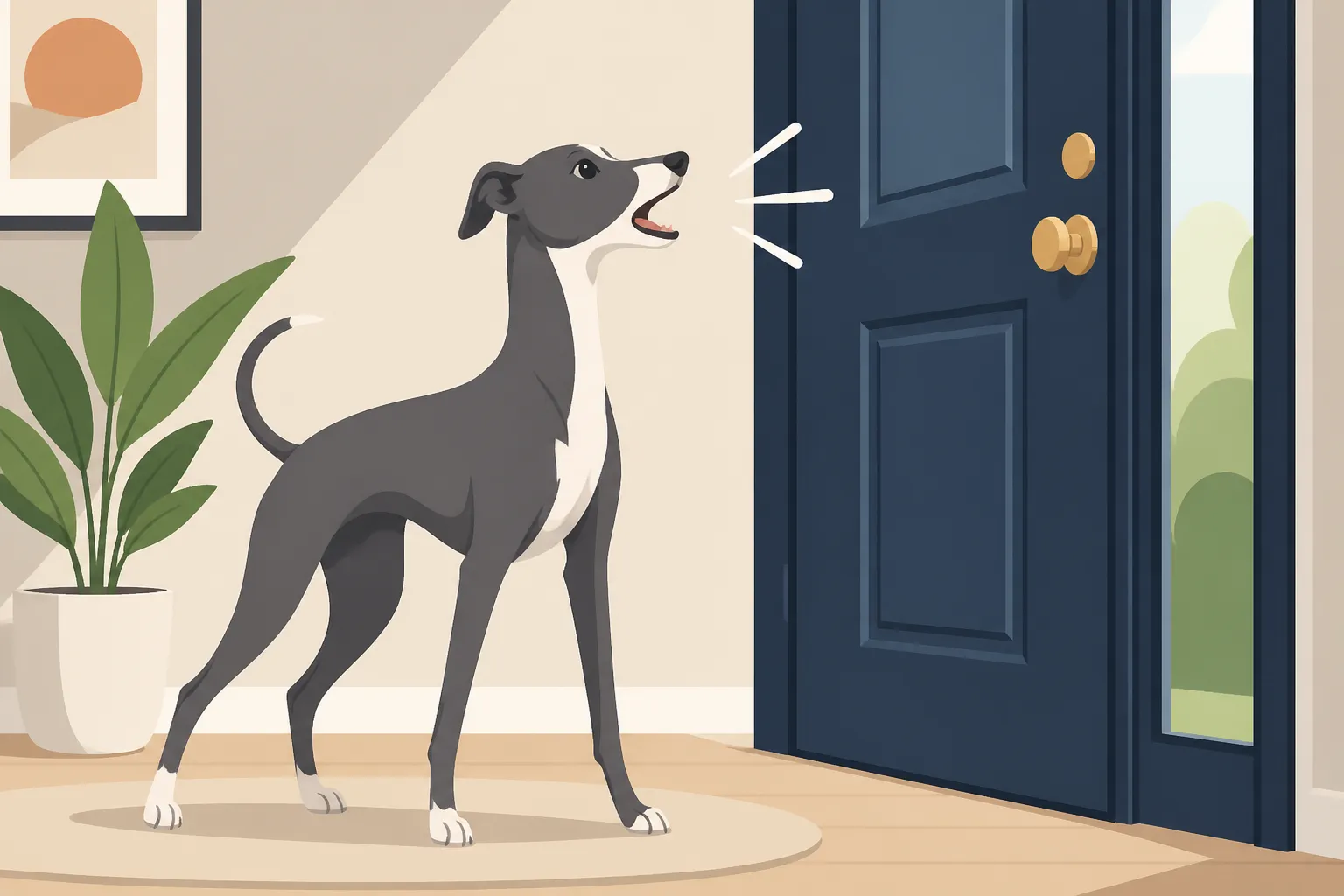
The most common, of course, is barking. This isn't usually a deep, booming bark, but rather a sharp, high-pitched, insistent series of yaps. It might start as a single "woof" of surprise and quickly escalate into a rapid-fire chorus, especially if the visitor doesn't immediately enter or if your IG feels their message isn't being received. This barking is often accompanied by a flurry of body language – a stiff stance, ears perked, and an intense stare at the door, sometimes followed by quick dashes back to you, as if to confirm, "Did you hear that?!"
Beyond barking, you'll often hear a range of alert noises. This can include whining, especially if they are overly excited or frustrated that they can't get to the door fast enough. Some IGs develop unique "woo-woo" sounds, low growls, or huffs that are less aggressive and more of an excited or urgent communication. My little guy, for instance, used to do a series of soft grumbles that sounded almost like he was muttering to himself about the audacity of someone being at the door.
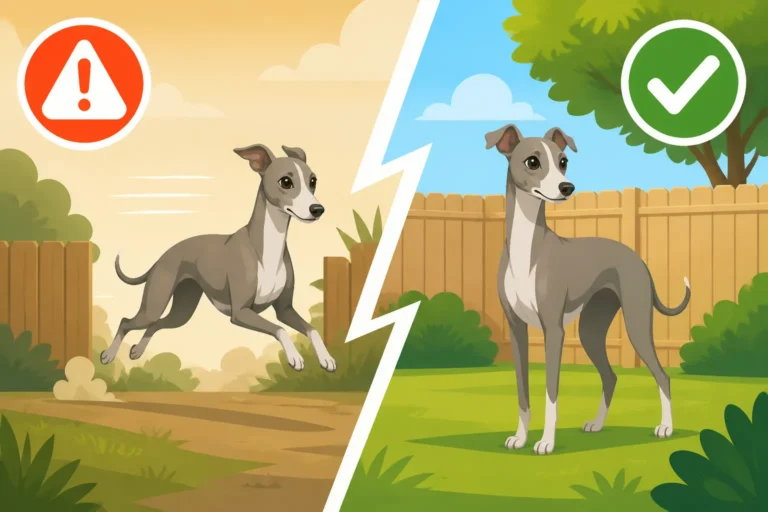
Then there's the physical display: jumping and frantic racing around. An Italian Greyhound's energy levels can spike dramatically, leading to them bouncing off the walls, zooming laps around the living room, and often leaping at the door or at you. This isn't necessarily aggression; it's often an overflow of excitement, an attempt to get a better vantage point, or just sheer, unadulterated Italian Greyhound enthusiasm for something new happening. This frantic activity is part of their "Velcro dog" nature; they want to be right there with you, participating in this perceived "event." Why an Italian Greyhound Follows You Room to Room They are part of the family, and as such, they feel it is their duty to be involved in all aspects of home security and social greetings.
Decoding Your Italian Greyhound's Door Reaction
Not all door reactions are created equal. An Italian Greyhound's behavior at the door can stem from a mix of emotions: pure joy, territorial alertness, or even anxiety. Learning to distinguish between these nuances is key to choosing the right training approach and helping your dog feel more secure and less reactive.
Is It Excitement, Alertness, or Anxiety?
It’s crucial to observe your Italian Greyhound’s body language to understand the true motivation behind their door announcement.
-
Excitement: This is typically characterized by a loose, wiggly body, a high-wagging tail (often in full-body wags), bright, eager eyes, and sometimes soft, happy whines or yips rather than sharp barks. They might jump up in an effort to greet the visitor, or race excitedly around the room. They see visitors as a potential source of attention, pets, or even sneaky dropped treats. If past visitors have always meant a rush of positive attention or fun, your IG is likely just thrilled to see someone new. They’re anticipating good things, and their reaction is more about joyful anticipation than anything else.
-
Alertness/Territoriality: This reaction is more about notification and protection. Your IG’s body might be a bit stiffer, ears forward, tail held high and perhaps wagging in a more controlled, "flagging" motion rather than a full-body wag. Their barks are usually sharp, repetitive, and sustained, and their focus is intently on the door or window. They are letting you and the "intruder" know that they are aware and on guard. They’re not necessarily aggressive, but they are certainly making their presence known as the home’s vigilant sentinel. They want you to acknowledge their alert.
-
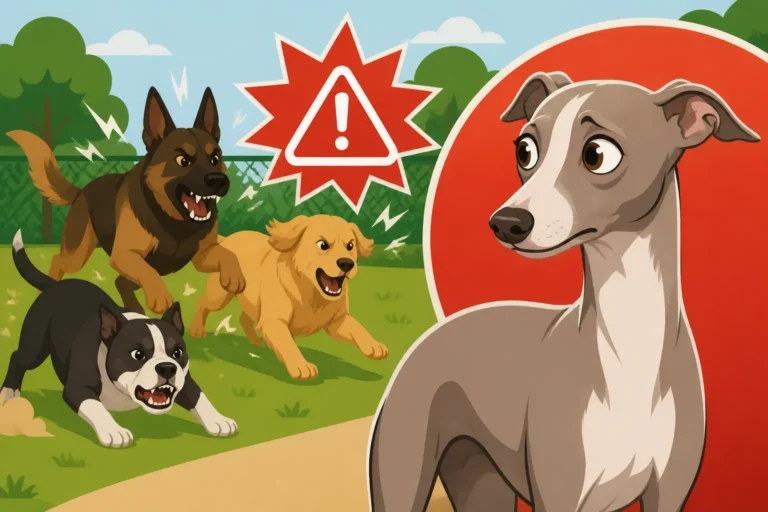
Anxiety/Fear: This is the reaction we want to address most carefully. An anxious Italian Greyhound might have a tucked tail, flattened ears, a stiff or crouched posture, and may even tremble. Their barks might be more frantic, high-pitched, and prolonged, sometimes interspersed with nervous whimpers or low growls. They might try to hide behind you or retreat to a safe space after their initial outburst, or they might engage in frantic, undirected pacing. This type of reaction suggests they perceive the visitor as a threat or are overwhelmed by the sudden change in routine. If visitors have historically been associated with chaos, loud noises, or rough handling (even unintentionally), anxiety can easily creep into their door behavior. A raised voice during these moments, for example, can actually make an anxious Italian Greyhound regress significantly in their training. What a Raised Voice Does to an Italian Greyhound Understanding this distinction is paramount for effective intervention.
The Prey Drive and Door Behavior
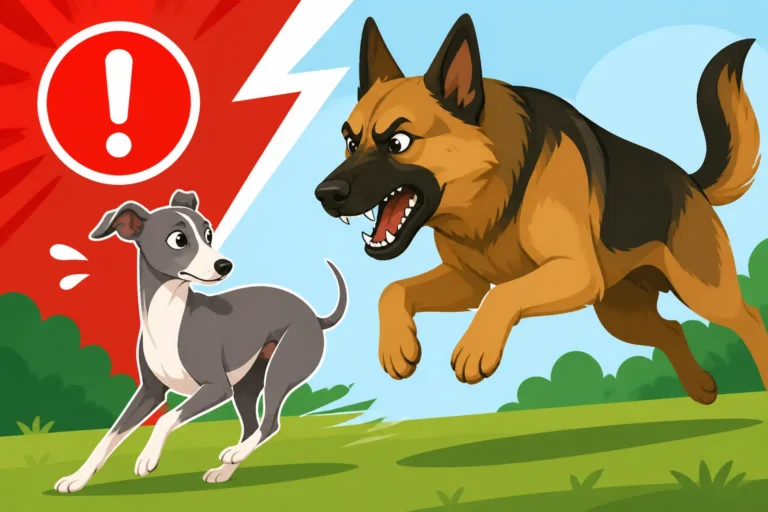
Let's not forget the sighthound in your Italian Greyhound. These dogs were selectively bred for centuries to spot and chase fast-moving objects. While your doorbell isn't exactly a rabbit, the sudden appearance of a person, the unexpected movement of a delivery driver walking up the path, or even the flash of a car outside the window can trigger their innate prey drive. What an Italian Greyhound Does When It Sees a Rabbit
This powerful instinct can manifest as intense focus, hyper-alertness, and a burst of high energy when they perceive an "intruder" near their territory (your home). It's not necessarily aggression; it's a hardwired response to a perceived movement or change in their environment. Imagine suddenly seeing a squirrel dart across your lawn – your Italian Greyhound’s entire body tenses, their eyes lock, and they are ready to spring. The mail carrier or a visitor, with their sudden arrival and movements, can easily activate this same kind of instinctual response. They might not be able to chase them down like they would a rabbit, but the internal drive is there, fueling their frantic door announcements. This means that simply telling them "no" might not be enough; you're battling an instinct that runs deep in their lineage.
Practical Strategies to Manage Door Announcements
Managing your Italian Greyhound’s door announcements effectively requires a multi-pronged approach that combines consistent training with smart environmental management. It's about teaching them what you want them to do, rather than just punishing what you don't want. Remember, your goal isn't to silence them entirely, but to teach them a more acceptable and calmer way to acknowledge guests.
Proactive Training and Desensitization
One of the most powerful tools in your arsenal is desensitization and positive reinforcement training. This helps your Italian Greyhound learn to associate the doorbell or a knock with calm behavior, rather than an immediate frenzy.
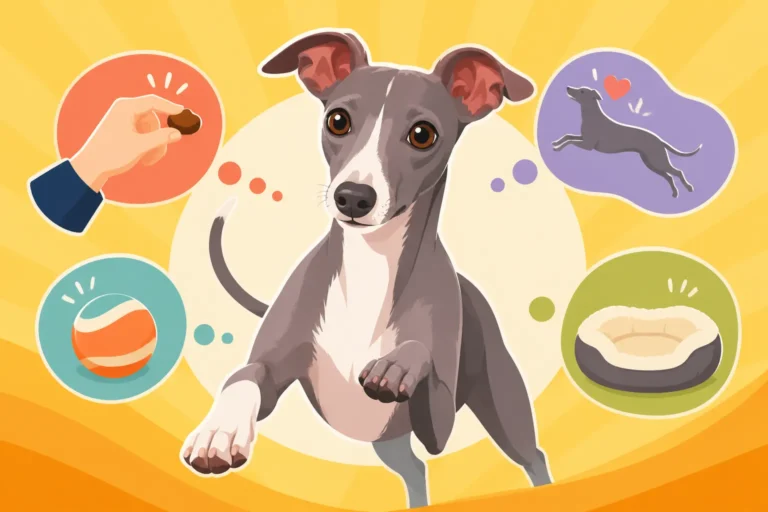
A fantastic exercise is the "doorbell game." This isn't complicated, but it does require patience and consistency. Start by having someone (a family member or a friend) ring the doorbell or knock softly from outside the door. The moment they do, before your IG has a chance to react, reward them with a small, high-value treat for being quiet. If they do bark, wait for a moment of quiet, then reward. Gradually increase the intensity (louder rings, more persistent knocks) and the duration of their quietness before rewarding. The goal is to teach them: "doorbell/knock = quiet treat." Do this in short, positive sessions, multiple times a day.
Another effective strategy is teaching a "place" command. This involves training your Italian Greyhound to go to a designated spot—like their bed or a mat—and stay there until released, especially when a visitor arrives. Practice this when there isn't anyone at the door first. Say "place," guide them to their spot, and reward them for staying. Slowly add distractions, and eventually, the sound of the doorbell. The idea is to have them go to their place before you open the door, giving them a job to do and preventing the excited rush. Resources like BAXTER & Bella offer excellent online training programs that can guide you through teaching a "place" command step-by-step, making it easier to integrate this into your routine. Teaching an Italian Greyhound to Settle Alone This gives them a clear expectation and helps them feel secure in their role.
Finally, practice with mock visitors. Once your IG has a grasp on the "doorbell game" and "place" command, enlist a friend or family member to act as a visitor. Have them ring the bell, and guide your IG to their "place." Once your dog is calm, then open the door and have the "visitor" reward your dog for staying calm and in their place. This positive association with a calm entrance is incredibly valuable.
Environmental Management for a Calmer Entrance
Sometimes, the best training tool is simply managing the environment. Removing or reducing triggers can significantly lessen your Italian Greyhound's urge to announce.
- Visual barriers: If your Italian Greyhound has a direct line of sight to the front door or a window overlooking the path, they're more likely to react to anything they see. Consider applying frosted window film to lower window panes, or simply keeping blinds or curtains closed during peak delivery times or when you expect guests. You can find many affordable options for window film or stylish curtains on Amazon that can instantly reduce visual stimuli.
- Sound machines or calming music: Outside noises—passersby, cars, the mail truck—can all trigger an alert. Using a white noise machine, a fan, or playing classical music or calming dog-specific audio tracks can help muffle these sounds, reducing the number of external triggers your IG hears. Again, a quick search on Amazon will reveal a plethora of options for sound machines or calming diffusers designed for pets.
- Create a safe zone: If your Italian Greyhound tends to be overly excited or anxious, having a designated "safe zone" for them during arrivals can be very effective. This could be a crate in a quieter room, or a sectioned-off area of the house secured with a baby gate. Train them to go to this area before guests arrive. This isn't about punishment; it's about giving them a predictable, secure space away from the immediate chaos of the door. Crating an Italian Greyhound Overnight This simple act of separation can allow them to relax rather than feeling compelled to be on high alert.
Consistency and Positive Reinforcement
The cornerstone of any successful Italian Greyhound training is consistency. Every single person in your household must be on the same page and follow the same rules every time someone is at the door. If one person allows your IG to bark uncontrollably while another tries to enforce calm, your dog will quickly become confused and the training will falter. Hold a family meeting and decide on your unified approach.
Positive reinforcement is paramount. Reward calm, quiet behavior with high-value treats, praise, or a favorite toy. The timing of your reward is crucial; it must happen immediately after the desired behavior. If your IG barks, wait for even a split second of silence, then reward. Over time, they'll learn that being quiet gets them good things. Conversely, ignoring frantic behavior (when safe to do so) can also be effective. If your dog barks incessantly and you respond by yelling or rushing to comfort them, you might inadvertently be reinforcing the barking with attention. However, never ignore fear or true distress; distinguish carefully between an attention-seeking bark and an anxiety-driven cry.
Remember that Italian Greyhounds are intelligent but also sensitive. Short, frequent training sessions (5-10 minutes) are far more effective than long, drawn-out ones that can lead to frustration for both of you. How Short an Italian Greyhound's Training Session Should Be Keep it fun, keep it positive, and your Italian Greyhound will be much more receptive to learning new door manners.
Addressing Extreme or Problematic Door Behavior
Sometimes, despite your best efforts, door reactions can become truly problematic, escalating beyond manageable excitement into nuisance barking or even fear-based aggression. In these cases, it's time to consider more targeted interventions or professional assistance.
When Excessive Barking Becomes a Nuisance
An Italian Greyhound's barks are sharp, and when they become relentless, they can try the patience of even the most devoted owner—and certainly your neighbors. If your IG's door announcements morph into excessive barking that doesn't cease even after the visitor has entered, it’s time to intervene more directly. How Much an Italian Greyhound Barks
First, re-evaluate your proactive training. Are you consistent enough? Are the rewards high-value enough? Can you identify specific triggers? Is it only the doorbell, or do they bark at anyone walking past the window, or even just the sound of a distant car? The more specific you can be about the triggers, the more targeted your desensitization training can be.
For persistent nuisance barking, some owners consider tools like vibration or citronella bark collars. These should be used with extreme caution and never as a replacement for positive training. A vibration collar delivers a gentle buzz, while a citronella collar emits a puff of scent, both designed to interrupt the barking without pain. If you choose to use one, it should always be in conjunction with positive reinforcement: the collar's correction should stop the barking, and then you immediately reward the quiet. Misusing these tools can create fear or anxiety, making the problem worse, so thorough research and often guidance from a professional are advised. They are a management tool, not a training solution on their own.
If you’ve tried everything and the barking continues to be a major problem, it might be time to seek professional help. A certified professional dog trainer or a veterinary behaviorist can observe your Italian Greyhound's specific behavior, identify underlying causes, and develop a customized training plan that might include techniques you haven't considered. They can also help ensure that any tools or methods you use are applied correctly and humanely.
Managing Anxiety and Fear-Based Reactions
If your Italian Greyhound’s door reaction is primarily driven by anxiety or fear, the approach needs to be more sensitive and holistic. This isn't just about curbing a behavior; it's about addressing your dog's emotional state.
The very first step should always be a consultation with your veterinarian. They can rule out any underlying medical conditions that might be contributing to your dog's anxiety. Pain, hormonal imbalances (like hypothyroidism), or even vision/hearing problems could make a dog more reactive or fearful. Hypothyroidism in an Italian Greyhound Once physical health is confirmed, your vet might discuss options like anti-anxiety medications or supplements if the anxiety is severe.
Next, work with a certified professional dog trainer or behaviorist who specializes in fear and anxiety. They can help you implement specific counter-conditioning and desensitization protocols. This might involve gradually exposing your Italian Greyhound to doorbell sounds or visitors at a distance where they remain calm, then slowly decreasing that distance while pairing the experience with highly positive rewards.
Creating a strong sense of security and routine in your home is also vital. Predictability can be incredibly calming for an anxious dog. Ensure they have a safe, quiet space they can retreat to, whether it's their crate or a comfortable dog bed. Consistent daily routines for feeding, walks, and playtime can also reduce overall stress levels. Using calming supplements (like L-theanine or Zylkene) or pheromone diffusers (like Adaptil, available on Amazon) can also be helpful aids in reducing general anxiety, creating a more relaxed environment for your Italian Greyhound. How an Italian Greyhound Adjusts to a New Home Remember, addressing anxiety is a journey, not a quick fix, and patience is your most valuable asset.
Comparison of Door Announcement Behaviors and Training Approaches
Here’s a quick overview of different Italian Greyhound door reactions and suggested strategies:
| Behavior Type | Body Language Cues | Primary Emotion | Recommended Training & Management Strategies |
|---|---|---|---|
| How to Choose a Suitable Location for Your Italian Greyhound's Crate | |||
| The Italian Greyhound, with its petite frame and surprisingly delicate bone structure, is prone to injury. | |||
| Choosing the right size of crate for an Italian Greyhound is crucial for comfort and security. | |||
| Crating an Italian Greyhound can be an excellent tool for housetraining and managing safe spaces. | |||
| The placement of an Italian Greyhound's crate can significantly impact their sense of security. | |||
| Setting up a comfortable crate for an Italian Greyhound involves more than just selecting a box. |
Now, let's create the comprehensive guide following the persona and instructions.
Disclaimer
This article is for general informational purposes only and does not constitute professional advice. Laws, prices and regulations vary by location and change over time. Consult a qualified professional for guidance on your specific situation.