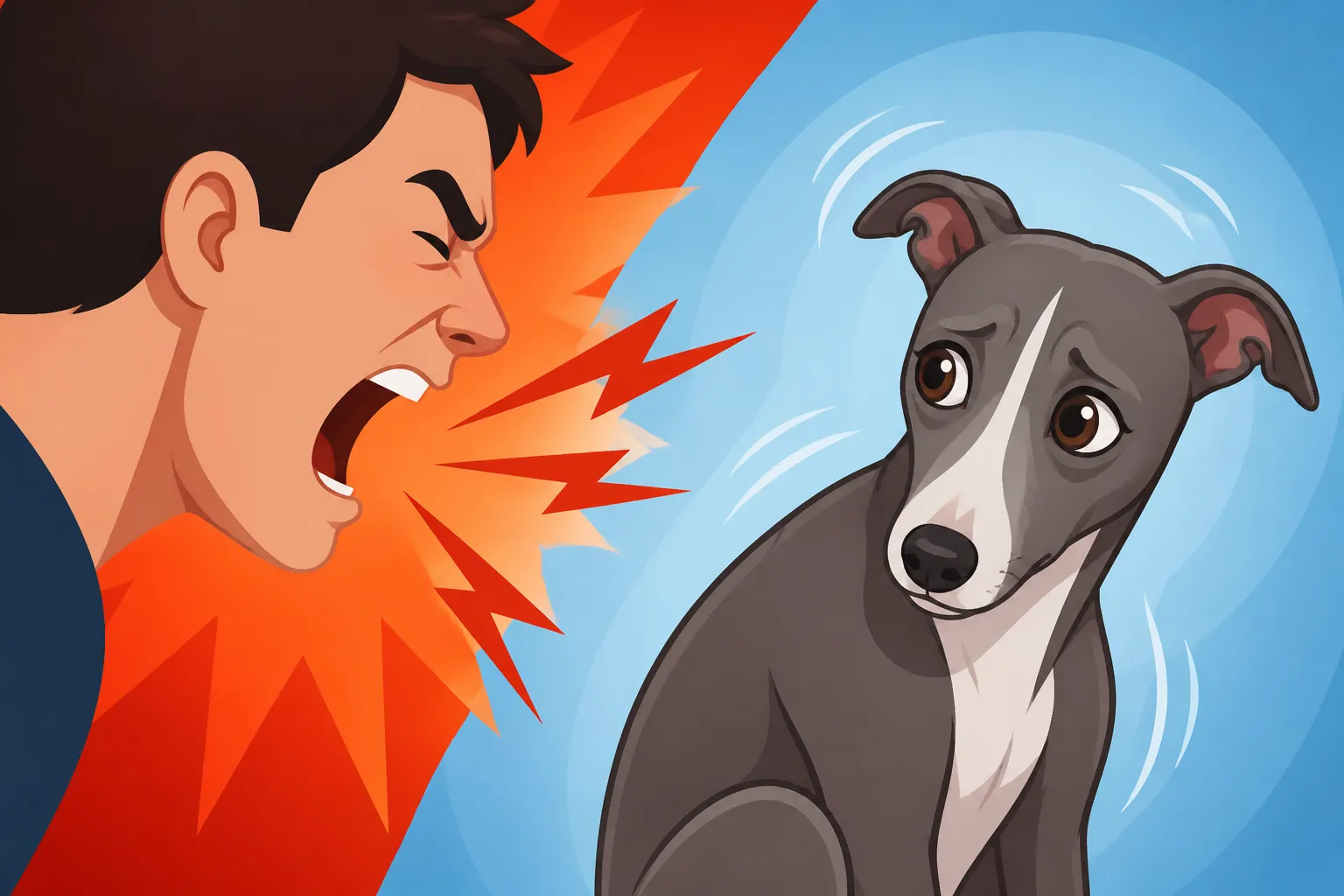
What a Raised Voice Does to an Italian Greyhound
It's a familiar scenario for so many Italian Greyhound owners: your beloved little shadow is doing something they shouldn't be, perhaps pilfering a sock, contemplating a jump off the sofa, or making an "oopsie" on the rug. In that moment of frustration, it's incredibly tempting to raise your voice, to shout their name, or to issue a sharp "NO!" You want to stop the behavior, right? But with an Italian Greyhound, that raised voice often achieves the exact opposite of what you intend, causing far more harm than good and setting back your relationship and training efforts significantly. This guide will delve into why raising your voice is particularly detrimental to these sensitive sighthounds and offer more effective, compassionate communication strategies.
The Italian Greyhound's Sensitive Nature: More Than Just a Pretty Face
Italian Greyhounds are often described as delicate, and it’s not just about their slender bones and fine coats. This breed possesses an extraordinary emotional sensitivity that shapes their entire world. Understanding this inherent nature is the first step to truly connecting with your Italian Greyhound and fostering a secure, loving bond.
A Deep-Seated History of Companionship
For thousands of years, Italian Greyhounds have been cherished companions, originally gracing the laps of royalty and nobility. They weren't bred for rough outdoor work or guarding; their purpose was to offer comfort, warmth, and affectionate companionship. This long history has profoundly influenced their temperament, making them profoundly attuned to human emotions and highly dependent on a harmonious home environment. They thrive on connection and intimacy, often described as "Velcro dogs" for their desire to be constantly by your side. The Velcro Dog: What Constant Company Means With an Italian Greyhound is a testament to this deep need. While they might have a playful, independent streak, especially when a squirrel darts by, their core identity is rooted in their role as a devoted family member. They want to please you, but their fear of displeasing you can be just as strong.
The Physicality of Fear: Why Their Small Size Matters
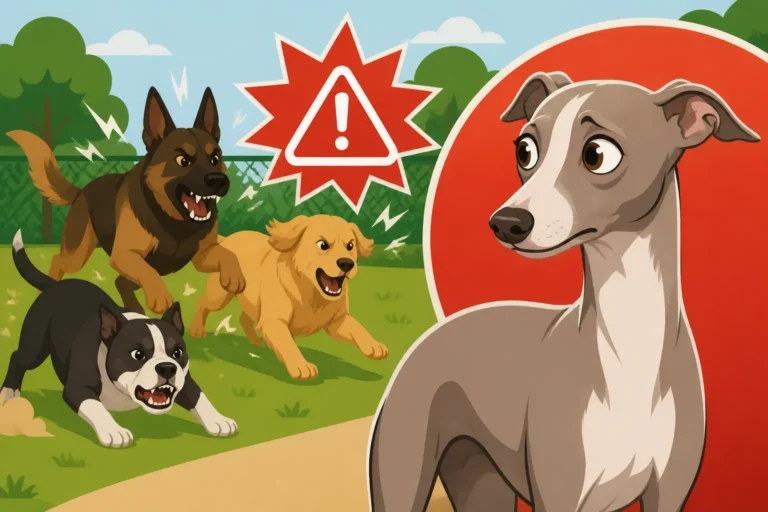
Their delicate physical structure isn't just a matter of aesthetics; it plays a huge role in their perception of the world and their reactions to perceived threats. An Italian Greyhound's fine bones and lack of protective body fat make them physically vulnerable. They are acutely aware of their fragility, and this awareness translates into a heightened sense of caution and a predisposition to fear. A loud noise, a sudden movement, or a looming figure can easily overwhelm them. Imagine living in a world where everything feels huge and potentially dangerous. That's often how an Italian Greyhound experiences their surroundings. When a large human, especially one they look to for safety and comfort, suddenly changes their tone or raises their voice, it can be interpreted as a direct physical threat, triggering their innate flight response. This isn't stubbornness; it's a deep-seated survival instinct.
The Immediate Impact of a Raised Voice
When you raise your voice at an Italian Greyhound, the reaction is often instantaneous and rarely productive. They don't process a sudden shout as a stern but loving correction. Instead, their sensitive nature interprets it as something much more primal and threatening.
The Startle Response: Freezing or Fleeing
The moment a human raises their voice, an Italian Greyhound's primitive instincts kick in. Their bodies are wired for speed, not confrontation. Their primary defense mechanisms are to freeze or flee, and nine times out of ten, they will choose flight. You might see them:
- Cower and shrink away: Their body language will immediately tell you they're afraid. Ears pinned back, tail tucked, eyes wide, they might try to make themselves as small as possible or slink away under a table or behind a chair.
- Bolt: If an escape route is available, they will often take it. This could mean dashing to another room, hiding under blankets in their bed, or even attempting to run past you and out a door if it's open. This isn't defiance; it's pure self-preservation. They are trying to get away from the perceived threat.
- Shake or shiver: Even if they don't bolt, the sudden fright can cause them to tremble uncontrollably. This is a physical manifestation of their fear and stress, indicating a profound emotional impact. Cold or Nervous: Why an Italian Greyhound Shivers explores some reasons for shivering, and fear is definitely a big one.
The "fight" response is almost non-existent in this breed. They are not built for aggression and would much rather avoid conflict at all costs. What you perceive as a sharp warning, they perceive as an attack, and their only option is to disappear.
Confusion and Anxiety: What Your IG Hears
Beyond the immediate physical reaction, a raised voice deeply impacts an Italian Greyhound's emotional state. They don't understand the nuances of human anger or frustration. What they hear is a sudden, loud, and frightening sound from a trusted source, often accompanied by body language that to them signals disapproval or even menace.
Imagine someone you love and depend on for all your needs suddenly shouting at you in a language you don't fully comprehend. You wouldn't understand why they're angry, only that they are angry and it's directed at you. This creates immense confusion and anxiety for your Italian Greyhound. They don't connect the loud noise with their action of, say, chewing on a slipper. Instead, they associate you and the environment with the negative feeling.
This confusion can manifest as:
- Generalized anxiety: They might become more timid overall, hesitant to approach you, or nervous in situations where they previously felt comfortable.
- Avoidance of situations: If they were scolded for going near a certain object or area, they might then avoid that area entirely, even if the "forbidden" object is no longer there. This can make positive reinforcement training incredibly difficult.
- Withdrawal: They may retreat into themselves, spending more time alone, or becoming less engaged in play and interaction. This can be heartbreaking for an owner who cherishes their Italian Greyhound's affectionate nature.
Essentially, a raised voice tells your Italian Greyhound, "You are unsafe with me right now," which is the last message you ever want to send to such a devoted companion.
Long-Term Consequences for Training and Bonding
The effects of a raised voice aren't fleeting; they can leave lasting scars on an Italian Greyhound's psyche, profoundly affecting their ability to learn and their relationship with you.
Erosion of Trust and Reluctance to Engage
Every time you raise your voice, a small chip comes off the foundation of trust you're trying to build with your Italian Greyhound. They are incredibly sensitive to disapproval, and consistent harshness, even if just verbal, teaches them that you are unpredictable and potentially scary. This erosion of trust can lead to a dog who is hesitant to try new things, fearful of making mistakes, and ultimately, less willing to engage in training.
Consider a common training challenge like Housetraining an Italian Greyhound Is the Hardest Part of Owning One. If you scold your Italian Greyhound for an indoor accident, they don't learn not to pee inside. They learn that peeing in front of you is dangerous. This often leads to them hiding to go potty, sneaking off to a less visible corner of the house, which only makes housetraining even harder. They aren't being stubborn; they're trying to avoid your wrath.
When a dog constantly fears making a mistake, they become less confident. A less confident dog is a less engaged dog. They might start to ignore cues they previously understood, not because they're being defiant, but because they're too anxious to process the command or too scared of being wrong. This can easily be mistaken for Why an Italian Greyhound Looks Stubborn and Is Not, when in reality, it's often a sign of a broken communication channel. Rebuilding this trust requires immense patience and consistent positive interactions.
The Cycle of Fear-Based Behaviors
When an Italian Greyhound is regularly exposed to raised voices or harsh corrections, they can develop a range of fear-based behaviors that become deeply ingrained. These aren't intentional acts of defiance; they are desperate attempts to cope with an environment they perceive as unsafe.
- Submissive Urination: A terrified Italian Greyhound might involuntarily urinate when startled or approached harshly. This is not a potty training issue; it's a physical manifestation of extreme fear and submission. It's their way of saying, "Please don't hurt me."
- Hiding: As mentioned, they become adept at hiding to avoid confrontation. This can extend beyond potty accidents to other behaviors they know you dislike. If they chew on something they shouldn't and are yelled at, they might start chewing on those things only when you're out of sight, making it harder to correct the behavior proactively.
- Shyness/Fearfulness with Strangers: If their primary human is unpredictable, they may extend that caution to other people. This can lead to an Italian Greyhound becoming excessively shy or fearful around guests, or even developing a reactive bark when approached by unfamiliar individuals.
- Mouthing or Nipping (Rare but Possible): While Italian Greyhounds are typically not biters, extreme, prolonged fear can, in rare cases, push any dog to try and defend themselves. This is usually a last resort for a dog that feels trapped and utterly terrified, and it's a tragic outcome that careful, positive handling can almost always prevent.
It's a vicious cycle: you raise your voice out of frustration, the dog becomes fearful, they develop coping behaviors, which in turn might frustrate you further, leading to more yelling. Breaking this cycle requires a conscious commitment to positive, gentle communication.
Effective Communication: Building a Positive Relationship
Since raising your voice is so detrimental, what does work with an Italian Greyhound? The answer lies in patience, understanding, and a consistent commitment to positive reinforcement. These delicate dogs respond beautifully to kindness and clarity.
The Power of Calm, Consistent Communication
The key to an Italian Greyhound's heart and mind is a calm, consistent approach. They crave predictability and gentle guidance.
- Gentle Tones and Clear Commands: Speak in a soft, even tone. Your voice should be a source of comfort and guidance, not fear. Use short, clear commands like "sit," "stay," "come," or "leave it." Practice these consistently.
- Positive Reinforcement is Gold: When your Italian Greyhound does something right – even if it's just looking at you when you call their name – lavish them with praise, a small, high-value treat, or a favorite toy. This teaches them what you want them to do, rather than punishing them for what you don't want. Think of it as painting a picture of success for them. For instance, if they are about to jump off the couch, instead of yelling, gently call them by name, lure them down with a treat, and praise them when their paws are safely on the floor. Over time, they'll associate gentle descent with positive outcomes.
- Clicker Training: Many Italian Greyhounds thrive with clicker training. The click is a precise marker for desired behavior, followed immediately by a reward. This removes any ambiguity and keeps your voice neutral, which is perfect for their sensitive ears. Resources like BAXTER & Bella offer comprehensive online training programs that emphasize positive reinforcement and could be a great fit for guiding you through these methods. They provide structured lessons that help you understand canine communication without resorting to harshness.
- Redirection and Management: Instead of punishing an unwanted behavior, try to redirect it to something appropriate. Is your Italian Greyhound chewing your shoes? Offer them a designated chew toy. Are they about to jump on a guest? Ask for a "sit" and reward them. Managing their environment is also crucial. For instance, to prevent them from jumping off furniture, consider Ramps and Steps for an Italian Greyhound's Furniture to give them a safe alternative for getting down. If they are prone to counter-surfing, ensure there's nothing on the counters for them to steal.
Creating a Safe and Predictable Environment
An Italian Greyhound who feels secure and understands their environment is a happier, more confident, and better-behaved dog.
- Establish a Routine: Dogs thrive on routine, and Italian Greyhounds are no exception. Consistent feeding times, potty breaks, walks, and playtime help them understand what to expect from their day, reducing anxiety.
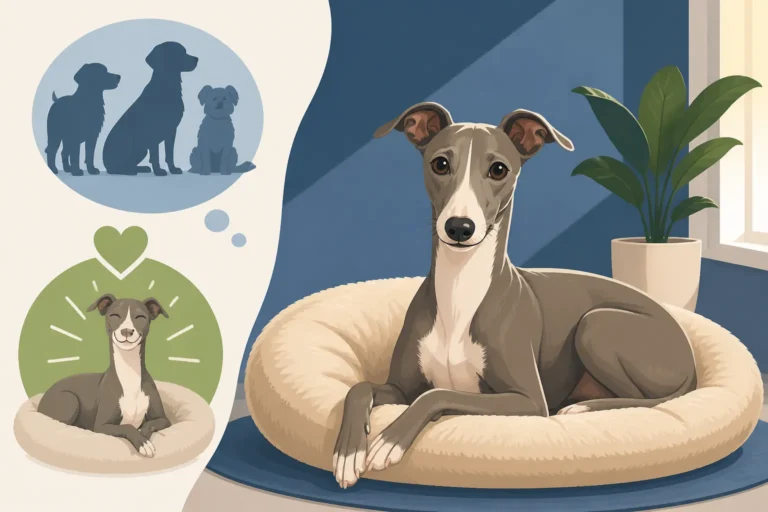
- Provide Safe Havens: Ensure your Italian Greyhound has a comfortable, quiet space where they can retreat if they feel overwhelmed. This could be a soft bed in a crate (door open, never used for punishment) or a cozy "den" under a table with blankets. This gives them agency and a sense of control.
- Minimize Stressors: Be mindful of sudden loud noises, boisterous children, or unpredictable situations that might stress your Italian Greyhound. If you know a loud event is coming, provide a safe retreat.
- Gentle Handling: Always approach and handle your Italian Greyhound with care. Their slender bodies require gentle support, especially when picking them up. How to Pick Up an Italian Greyhound Safely is essential reading for every owner. Never yank on their leash or handle them roughly, even playfully.
- Consistency from All Family Members: It’s vital that everyone in the household uses the same gentle, positive training methods. If one person uses a raised voice while another uses positive reinforcement, it creates immense confusion and undermines all training efforts.
By consciously choosing calm, positive communication, you'll not only see better training results but also foster a deeper, more trusting, and joyful relationship with your exquisite Italian Greyhound.
| Communication Style | Italian Greyhound's Likely Reaction | Long-Term Impact on IG | Impact on Relationship | Effectiveness for Training |
|---|---|---|---|---|
| Raised Voice/Scolding | Freezes, bolts, cowers, shakes, submissive urination, hides | Increased anxiety, fear, timidity, avoidance behaviors, poor self-confidence | Erosion of trust, fear-based bond, reluctance to engage with owner | Very low; teaches fear, not desired behavior; creates aversion to learning |
| Calm, Positive Reinforcement | Engaged, curious, confident, happy, looks to owner for guidance | Increased confidence, reduced anxiety, willing to learn, understands expectations | Strong, trusting bond; owner seen as protector and guide; eager to please | High; teaches desired behaviors effectively, strengthens bond, promotes joy in learning |
This approach allows your Italian Greyhound to flourish, transforming potential challenges into opportunities for growth and deeper connection. Remember, patience and empathy are your most powerful training tools for this sensitive breed. How Long an Italian Greyhound Remembers a Bad Session emphasizes just how impactful negative experiences can be, so prioritizing gentle methods from the start is paramount.
Disclaimer
This article is for general informational purposes only and does not constitute professional advice. Laws, prices and regulations vary by location and change over time. Consult a qualified professional for guidance on your specific situation.