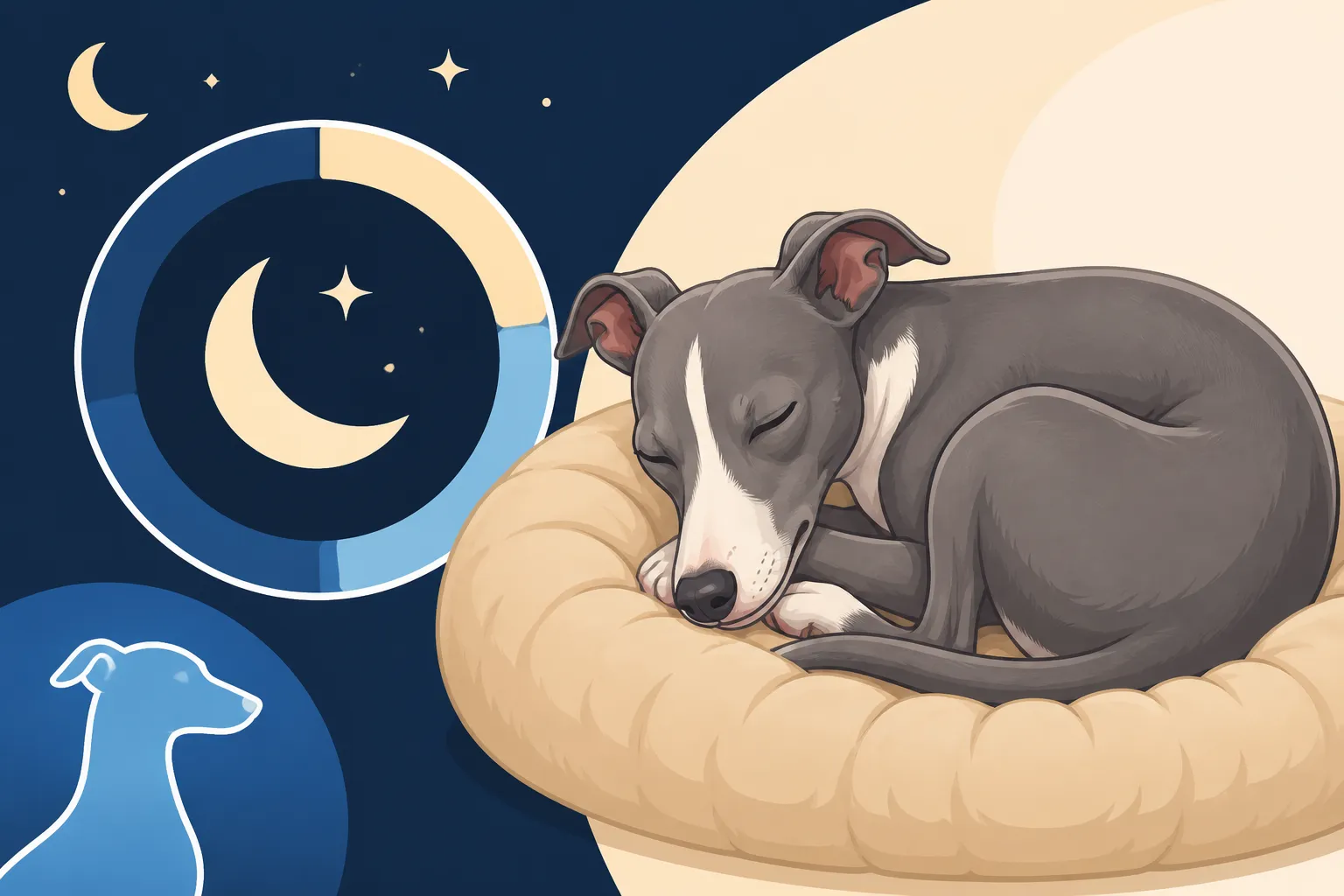
How Long an Italian Greyhound Sleeps a Day
If you're an Italian Greyhound owner, or even just thinking about bringing one of these elegant little dogs into your life, you might look over at your peacefully slumbering pup and wonder, "Are they always asleep?" It's a common observation, and it can sometimes make you question if your beloved IG is getting enough activity or if there's something else going on. The truth is, Italian Greyhounds have a unique relationship with sleep, and understanding their patterns is key to ensuring they're happy and healthy. This guide will dive deep into how much an Italian Greyhound sleeps, why their rest patterns are so distinctive, and how you can support their natural need for downtime.
The Italian Greyhound's Sleep Cycle: More Than Just Naps
It's easy to mistake an Italian Greyhound's extensive napping for laziness, but it's far more complex than that. These sighthounds, while capable of incredible bursts of speed and agility, are also masters of conserving energy. Their sleep cycle is a finely tuned system, essential for their physical well-being and mental health.
The Baseline: How Much Sleep Is Normal for an Adult IG?
On average, an adult Italian Greyhound will sleep anywhere from 14 to 18 hours a day. Yes, you read that right – that's often more than half their day! This figure includes deep nighttime sleep, as well as all the little naps and extended snoozes they take throughout the daylight hours. Compared to many other dog breeds, which might average 12-14 hours, Iggies tend to lean towards the higher end of that spectrum.
This isn't a sign of ill health; it's deeply ingrained in their sighthound genetics. Just like their larger Greyhound cousins, Iggies were historically bred for short, intense bursts of activity, followed by long periods of rest to recover. They have very little body fat, thin skin, and a high metabolism, which means they use a lot of energy quickly and need significant downtime to recharge. Think of them as tiny, furry sprinters in repose, always ready for the next dash around the yard, but only after ample relaxation. This inherent need for rest also means they are often very content to curl up with you for hours, making them excellent companions for cozy evenings.
Daytime Dozing vs. Nighttime Rest: The Breakdown
An Italian Greyhound's sleep isn't just one long, continuous stretch. It’s typically a mosaic of deep, uninterrupted sleep at night, punctuated by numerous shorter naps throughout the day. You’ll often find them cycling through periods of intense, playful energy – often referred to as "zoomies" – followed by an almost immediate collapse into a deep sleep. One minute they're tearing through the house, the next they're a warm, twitching lump under a blanket.
These daytime dozes are crucial. They allow their bodies to recover from even minimal activity and help regulate their internal systems. Because Iggies are such "velcro dogs," they often prefer to nap with their people. You might find them snuggled on the sofa, burrowed under a blanket on your lap, or tucked into the crook of your arm. This proximity isn't just about comfort; it's about feeling secure and warm, both of which are vital for a good rest. Their ability to switch from high-energy play to profound sleep so quickly is a hallmark of the breed and something owners quickly come to appreciate.
Factors Influencing Sleep Duration
Several factors can influence exactly how much sleep your individual Italian Greyhound needs. Younger dogs and senior dogs often sleep more, for different reasons related to growth and aging. An IG who has had a particularly active day, perhaps a long walk or a vigorous play session at the park (in a secure, sighthound-safe area, of course), will naturally need more restorative sleep.
Their environment also plays a huge role. A quiet, comfortable, and warm home encourages better and longer rest periods. Conversely, a noisy or cold environment might lead to fragmented sleep or even restlessness. Diet and overall health are also foundational; a well-nourished, healthy Italian Greyhound with no underlying pain or discomfort will typically have a more regular and sufficient sleep pattern than one who isn't feeling their best. It's a delicate balance, and observing your IG's individual patterns will help you understand their unique needs.
Understanding Sleep Patterns Across Lifespans
Just like humans, an Italian Greyhound's sleep needs change throughout their life. What's normal for a puppy is different from a spry adult, and different again for a seasoned senior. Recognizing these shifts can help you provide the best care at every stage.
The Sleepy Puppy: Growth and Development
Italian Greyhound puppies are absolute sleep machines, and for good reason! During their rapid growth phase, from about eight weeks up to a year, they can easily sleep 18-20 hours a day, sometimes even more. This extensive sleep isn't just for looking cute; it's critical for their physical and neurological development. While they sleep, their brains are processing all the new information they've learned, their bones and muscles are growing, and their immune systems are strengthening.
It's tempting to want to play with a tiny, adorable Italian Greyhound puppy all the time, but it’s essential to respect their need for rest. Interrupting a sleeping puppy can lead to an overtired, cranky pup prone to nipping and zoomies that are hard to settle. Providing a quiet, secure place for them to sleep, such as a crate, can be incredibly beneficial. A comfortable crate, perhaps lined with soft blankets, can become their sanctuary for undisturbed rest, which is vital for their development and can aid in Crating an Italian Greyhound Overnight. This dedicated space can help them feel safe and warm, crucial for a breed that struggles to retain body heat.
Active Adult Iggies: Balancing Play and Rest
Once your Italian Greyhound matures, usually around 12-18 months, their sleep patterns will settle into that typical 14-18 hour range. Even the most energetic adult IG, after a spirited game of fetch or a brisk walk, will be more than ready to curl up and snooze. Their exercise needs, while important, are often fulfilled in short, intense bursts rather than sustained, long-distance activities.
For instance, a couple of 15-20 minute walks, interspersed with some indoor play or a quick sprint in a secure, fenced area, might be all they need. After such activity, they're likely to settle down for a good, long nap. Providing adequate mental stimulation, through puzzle toys or short training sessions, can also help tire them out in a healthy way, leading to more restful sleep. If you're wondering how to keep your adult IG engaged and happy without overdoing it, exploring How Much Exercise an Italian Greyhound Needs can provide some excellent insights into balancing their activity and rest.
Senior Snoozers: Age-Related Changes in Sleep
As Italian Greyhounds enter their senior years, typically around age 10-11, you'll likely notice an increase in their sleep duration and perhaps a shift in their patterns. The Age an Italian Greyhound Is Considered Senior means their bodies start to slow down. They may sleep more deeply, take longer naps, and have less stamina for activity. Their sleep might also become more fragmented at night, sometimes due to discomfort from arthritis, or cognitive changes like "sundowning" (night confusion).
For senior Iggies, comfort becomes paramount. Orthopedic beds, often found on platforms like Amazon, that support their joints can make a huge difference. Soft blankets for burrowing are also essential, as older Iggies often feel the cold more keenly. It’s also crucial to monitor their overall health closely. If you notice a significant, sudden change in their sleep patterns – either a dramatic increase or a new inability to settle – it's always a good idea to consult your veterinarian. Sometimes, subtle changes in their health, such as pain or an underlying condition, can manifest as altered sleep. For more on ensuring your older companion's comfort, consider resources on Caring for an Italian Greyhound Past Eleven.
Recognizing Healthy vs. Problematic Sleep
Observing your Italian Greyhound's sleep habits can tell you a lot about their overall health and well-being. It’s important to know what normal, healthy sleep looks like and when changes might signal a need for attention.
Signs of Healthy Italian Greyhound Sleep
A healthy Italian Greyhound in a deep, peaceful sleep is a truly serene sight. You'll often see them curled into a tight ball, sometimes with their nose tucked under their tail, a classic sighthound posture designed to conserve heat. Other times, they might stretch out luxuriously on their back, paws in the air, signaling complete comfort and security in their environment. Their thin skin and minimal body fat mean they are highly susceptible to cold, so you’ll frequently find them snuggled under blankets or in a soft, warm bed. In fact, understanding Why an Italian Greyhound Sleeps Under the Covers is key to ensuring their comfort.
During deeper sleep, you might notice gentle twitches in their paws, soft sighs, or even quiet snores. These are all normal indications of REM sleep, where they're likely dreaming. They should wake up easily and appear refreshed and ready for interaction, even if that interaction is just a quick trip outside before settling back down for another snooze. A consistent routine of waking, activity, napping, and nighttime sleep is a strong indicator of a well-adjusted and healthy IG.
When to Worry: Too Much or Too Little Sleep
While Iggies are known for their love of sleep, there are times when changes in their sleep patterns could signal a problem. A sudden, dramatic increase in lethargy and sleep, especially if accompanied by a lack of appetite, disinterest in play, or any other unusual symptoms, warrants a call to your vet. This could be a sign of illness, pain, or an underlying medical condition. Likewise, if your Italian Greyhound suddenly seems restless, can't settle, paces at night, or struggles to find a comfortable position, it could indicate pain, anxiety, or even cognitive decline in older dogs.
On the flip side, an Italian Greyhound who seems to be getting too little sleep might also be struggling. If they're constantly pacing, panting, or seem unable to relax, it could be a sign of anxiety, discomfort, or an overactive thyroid. Keep an eye out for changes in their normal patterns, and don't hesitate to seek professional veterinary advice if you're concerned. It’s better to be safe than sorry when it comes to their health.
Creating the Ideal Sleep Environment
To ensure your Italian Greyhound gets the best possible sleep, their environment needs to be just right. This means prioritizing warmth, comfort, and quiet. Italian Greyhounds are extremely sensitive to cold, so a warm house is non-negotiable. Many owners find Whether a Heated Bed Is Safe for an Italian Greyhound is a common question, and for many Iggies, a low-wattage heated bed can be a game-changer, especially in colder climates or for senior dogs.
Beyond temperature, soft, comfortable bedding is vital. Their bony frames need cushioning to prevent pressure sores, particularly on elbows and hips. Orthopedic beds, plush blankets, and even a "snuggle sack" (a bed with an attached blanket they can burrow into) are excellent choices. Creating a quiet, undisturbed area for their main nighttime sleep, whether it's a soft bed in your bedroom or a cozy crate, will help establish a healthy sleep routine. Remember, Iggies are inherently drawn to warmth and comfort, so investing in good bedding is an investment in their well-being. You can find a wide range of suitable bedding options from retailers like Amazon.
Optimizing Your Italian Greyhound's Sleep Quality
It's not just about the quantity of sleep; the quality matters too. Several aspects of your Italian Greyhound's daily life can significantly impact how well they rest. By addressing these, you can help ensure your IG enjoys truly restorative sleep.
Exercise and Mental Stimulation: The Connection to Rest
It might seem counterintuitive for a dog that sleeps so much, but adequate exercise and mental stimulation are crucial for good sleep in an Italian Greyhound. A dog that is physically and mentally under-stimulated can become restless, anxious, and find it hard to settle down, leading to fragmented sleep. While they don't need miles of running, those short bursts of intense activity are key. A good walk or a supervised romp in a secure, fenced yard allows them to expend pent-up energy.
Mental exercise is just as important. Puzzle toys that dispense treats, short training sessions, or even just novel environments on a walk can challenge their minds and tire them out in a healthy way. For a deeper understanding of engaging activities, you might explore What an Italian Greyhound Does All Day. A tired mind and body will lead to a more relaxed Italian Greyhound, one who is much more likely to enjoy deep, restorative sleep. If your IG seems restless, sometimes the answer isn't less activity, but more appropriate, engaging activity.
Nutrition and Hydration's Role
Just like in humans, a balanced diet and proper hydration play a significant role in your Italian Greyhound's overall health, which in turn impacts their sleep quality. Feeding a high-quality dog food appropriate for their age and activity level provides the necessary nutrients for their body to function optimally. A healthy digestive system, for example, contributes to comfort, which helps them settle more easily. Ensuring they have access to fresh water throughout the day is also vital. Dehydration can lead to lethargy and discomfort, making restful sleep difficult.
Consider the timing of meals as well. Feeding too close to bedtime might lead to an upset stomach or a need for a late-night potty break, interrupting their sleep. Establishing consistent meal times helps regulate their body clock, contributing to a more predictable and healthy sleep-wake cycle. A well-nourished body is a happy body, and a happy body sleeps better.
Establishing a Consistent Routine
Dogs thrive on routine, and Italian Greyhounds are no exception. A predictable schedule for meals, potty breaks, playtime, and bedtime can significantly improve their sleep quality and overall demeanor. When your IG knows what to expect throughout the day, their anxiety levels are reduced, and they feel more secure. This security is a huge factor in their ability to relax and drift off to sleep.
A consistent bedtime routine can be particularly helpful. This might include a final potty break, a quiet cuddle session, and then settling them into their designated sleeping spot. Over time, these cues will signal to your Italian Greyhound that it's time to wind down. Training programs, such as those offered by BAXTER & Bella, often emphasize the importance of routine and positive reinforcement in establishing healthy behaviors, including good sleep habits. A calm, consistent environment helps your Italian Greyhound understand the rhythms of the day, allowing them to fall into a natural pattern of activity and deep, contented sleep.
Disclaimer
This article is for general informational purposes only and does not constitute professional advice. Laws, prices and regulations vary by location and change over time. Consult a qualified professional for guidance on your specific situation.