The Italian Greyhound That Refuses to Go Out in the Cold
The biting chill of winter or even just a brisk autumn day can turn a simple potty break into an epic standoff with your Italian Greyhound. You open the door, your little one takes one look at the frosty world outside, shivers dramatically, and immediately tries to dart back to the warmth of the sofa, or worse, just freezes in place, holding it for dear life. It's not just stubbornness; there are very real, physiological reasons why your Italian Greyhound acts like going outside in the cold is a fate worse than death. This guide will dive deep into why your Italian Greyhound despises the cold, how to recognize their distress, and practical, empathetic strategies to make those chilly outdoor excursions manageable for both of you.
Why Italian Greyhounds Are So Sensitive to Cold Weather
It's easy to think your Italian Greyhound is just being a drama queen when they shiver at the mere sight of a cloud, but their aversion to cold is deeply rooted in their unique physical makeup. These aren't your average fluffy, cold-weather-loving breeds; they are sighthounds, built for speed and grace, not insulation. Understanding their biology is the first step to truly empathizing with their chilly predicament.
Their Barely-There Body Fat
One of the most defining characteristics of an Italian Greyhound is their incredibly lean physique. While it contributes to their elegant appearance and incredible speed, it also means they have almost no natural insulation against the cold. Unlike many breeds that have a layer of subcutaneous fat, Italian Greyhounds carry a minimal amount, which offers little protection when temperatures drop. Why an Italian Greyhound Carries Almost No Body Fat explains this in more detail. Imagine stepping out into winter with just a t-shirt on – that's often how an IG feels without proper protection. This lack of fat also means their bodies work harder to maintain core temperature, which can quickly lead to discomfort and even hypothermia if they're left exposed for too long.
The Thin Skin and Single Coat Dilemma
Beyond the lack of body fat, Italian Greyhounds possess exceptionally thin skin, which is delicate and provides no barrier to cold air. Their coat is equally unhelpful for winter weather: it's short, fine, and has no insulating undercoat whatsoever. It's essentially a single layer of very fine hair that lays flat against their body. While perfect for dissipating heat during a sprint in warm weather, it's completely inadequate when the mercury drops. Compare this to a husky or a malamute with their thick double coats, designed to trap warm air against the skin. Your Italian Greyhound has none of that protection. This combination of thin skin and a single, fine coat means they feel the cold much more intensely and much faster than most other dog breeds, making them prone to shivering and seeking warmth almost constantly.
Small Size and Rapid Heat Loss
The Italian Greyhound's diminutive size, while part of their charm, also contributes significantly to their struggles in the cold. Smaller bodies have a larger surface area-to-volume ratio compared to larger animals. This scientific principle means they lose body heat to the environment much more rapidly. Think of a small cup of hot coffee versus a large thermos; the small cup cools down much faster. The same applies to your Italian Greyhound. Their delicate build, coupled with their long legs and fine bones, means there's less mass to generate and retain heat. This rapid heat loss makes them uncomfortable very quickly, even in what might seem like mild temperatures to us. For a tiny nine-pound Italian Greyhound, a 40-degree Fahrenheit day can feel absolutely frigid. Why a Nine Pound Italian Greyhound Gets Cold on the Table discusses their sensitivity to temperature in a different context, but the underlying physiological reasons are the same.
Decoding Your Italian Greyhound's Cold-Weather Cues
Your Italian Greyhound might not be able to tell you in words that they're too cold, but their body language and behavior will speak volumes if you know how to listen. Recognizing these signs quickly can prevent discomfort, stress, and even potential health issues. It's crucial to understand that their reluctance isn't an act; it's a genuine reaction to an unpleasant or even painful sensation.
The "Frozen Statue" Syndrome
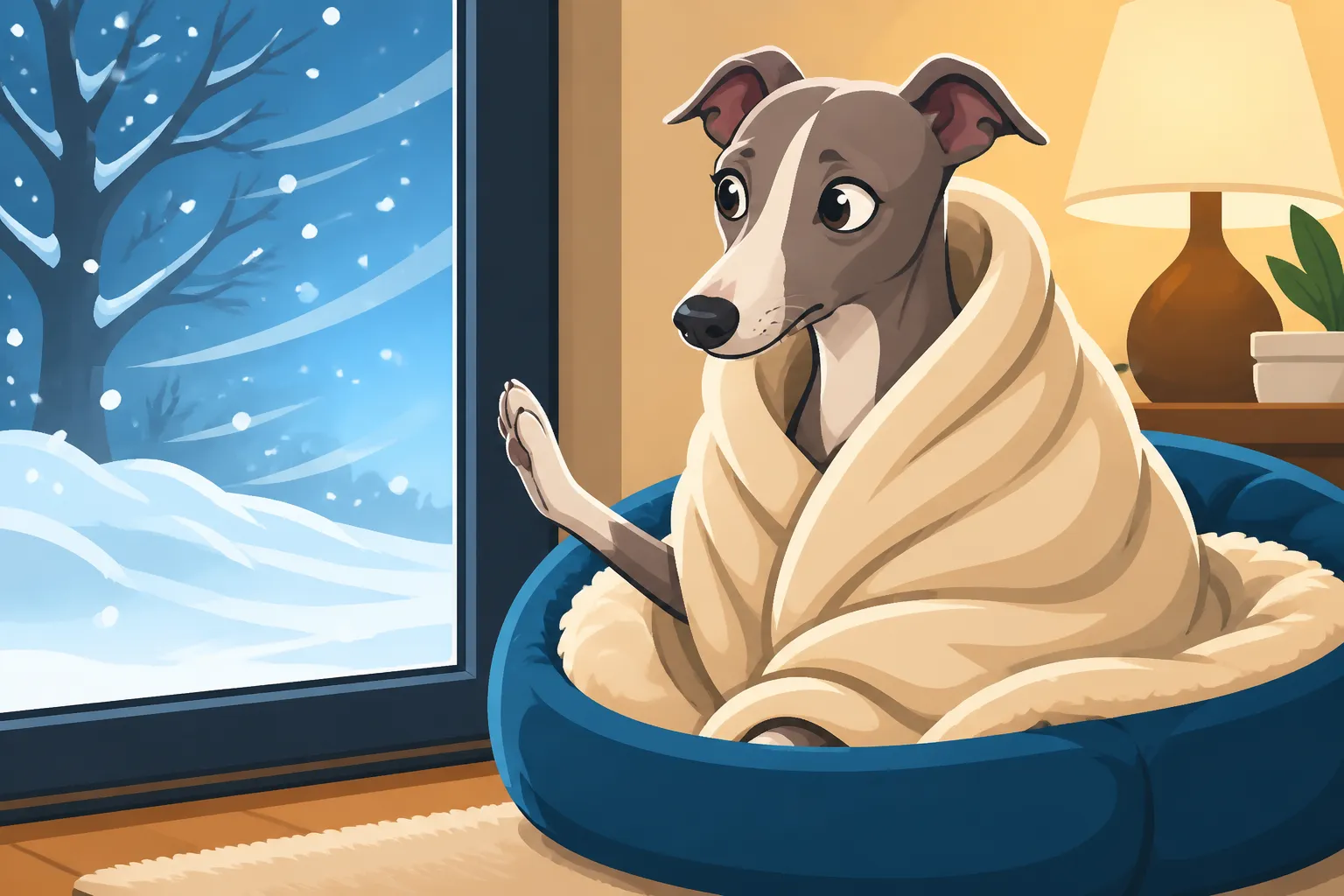
One of the most common and frustrating behaviors is the "frozen statue" syndrome. You open the door, your IG steps out, takes one sniff, and then just stops. They might tuck their tail, hunch their back, lift one paw, then another, or simply stand perfectly still, staring at you with wide, pleading eyes. They are literally too cold to move, hoping that if they don't engage with the frigid environment, they can magically be transported back inside. This isn't defiance; it's a clear signal that the temperature is beyond their comfort zone. They might even try to turn around and race back inside the moment their paws touch the cold ground, signaling an immediate aversion.
Shivering, Tucking, and Seeking Shelter
Shivering is perhaps the most obvious sign of cold. While a nervous shiver can occur, persistent, whole-body shivering, especially when combined with other cold behaviors, is a clear indicator that your Italian Greyhound is freezing. They might also tuck their tail tightly between their legs, hunch their back, and try to make themselves as small as possible to conserve heat. If there's any available shelter, like a patio overhang or a bush, they might gravitate towards it, hoping for a slight reprieve from the wind or open air. They may even try to press themselves against your legs, using your body heat as a temporary shield.
Holding It In and Potty Accidents
The most frustrating behavior for owners, and a clear sign of cold-related stress, is when your Italian Greyhound refuses to relieve themselves outdoors, opting instead to hold it. They might go through the motions of a potty break, darting out briefly, doing nothing, and then rushing back inside. This can lead to them having accidents indoors, not because they don't understand housetraining, but because the discomfort of the cold outweighs their learned desire to go outside. This is a critical point to understand: they aren't being "bad"; they are prioritizing physical comfort over bladder control. This behavior is a strong signal that their outdoor experience needs to be made warmer and more positive. It highlights Why an Italian Greyhound Refuses to Go Out in Rain and Why an Italian Greyhound Regresses in Winter, as the discomfort causes a breakdown in their usual routine.
Creating a More Welcoming Outdoor Potty Environment
Since we can't change the weather, we need to change the environment to better suit our delicate Italian Greyhounds. Making the outdoor potty area more appealing can significantly reduce their reluctance and stress during cold snaps. It's all about thoughtful preparation and understanding their needs.
Designated Sheltered Potty Areas
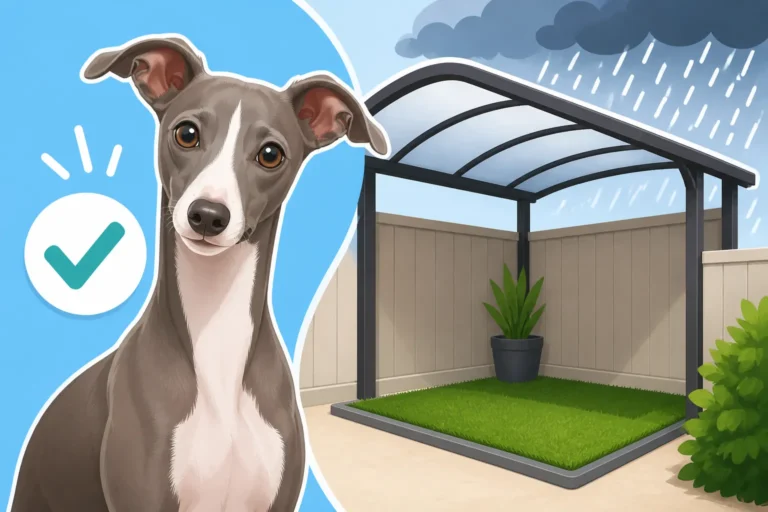
One of the most effective strategies is to create a specific, sheltered spot for potty breaks. This could be a section of a covered patio, under a large awning, or even a small, temporary dog house or structure placed over a patch of grass. The goal is to shield them from biting winds, freezing rain, or falling snow. A three-sided shelter can work wonders, blocking the direct assault of cold air. You might even consider facing the opening away from the prevailing wind direction. Adding a small, elevated platform inside the shelter can keep their paws off the frozen ground, providing another layer of comfort. For some, a small, enclosed "potty pen" with a roof can be a lifesaaver, especially in regions with heavy snowfall. How a Covered Potty Area Helps an Italian Greyhound elaborates on these concepts.
Warming the Ground and Paws
The ground itself can be a major source of discomfort for sensitive Italian Greyhound paws. Snow, ice, and even just frozen earth can be painfully cold. Consider laying down a thick layer of straw in your designated potty area. Straw is an excellent insulator and can keep their paws much warmer than bare ground. Alternatively, rubber mats or artificial turf that doesn't hold moisture can also work, though they don't offer the same insulation as straw. For truly frigid days, some owners have had success with heated outdoor mats designed for pet use, but these come with safety considerations and higher costs. Always ensure any electrical components are specifically rated for outdoor use and protected from the elements. Regularly checking their paws after walks is also important, as salt and ice melt can be irritating; a quick rinse with warm water can prevent problems.
Windbreaks and Sun Traps
Beyond overhead shelter, strategic windbreaks can dramatically improve the comfort of your Italian Greyhound's outdoor space. Fences, hedges, or even portable screens can block wind chill, making a significant difference. If your yard has a sunny spot, even in winter, try to locate your potty area there. The warmth of the sun, even weak winter sun, can create a microclimate that feels considerably warmer to your IG. Positioning a windbreak to direct the sun's rays into the potty zone can create a natural "sun trap." These small details demonstrate that you understand their discomfort and are actively trying to alleviate it, fostering a more cooperative attitude from your sensitive sighthound.
The Essential Winter Wardrobe for Your Italian Greyhound
For an Italian Greyhound, winter clothing isn't a fashion statement; it's an absolute necessity. Given their lack of body fat and fine coat, a proper wardrobe is the first line of defense against the cold, making outdoor adventures safer and more comfortable.
Layers and Fit: The Key to Warmth
Just like humans, Italian Greyhounds benefit from layering. A soft, form-fitting sweater as a base layer can provide core warmth, especially if worn inside before heading out. Over that, a waterproof or water-resistant coat is crucial to protect them from rain, snow, and wind. Look for coats with a warm fleece lining or even a baffled design that traps air for insulation. The fit is paramount for an Italian Greyhound. Their unique body shape – deep chest, narrow waist, arched back, and long legs – means that off-the-rack clothing often doesn't fit properly, leaving gaps for cold air or restricting movement. A coat that's too loose won't insulate effectively, and one that's too tight will be uncomfortable. Many specialized brands cater to sighthound builds, offering tailored designs that cover their vital organs and extend down their long legs. For a deeper dive into sizing, check out Which Measurements an Italian Greyhound Coat Needs.
Choosing the Right Materials
When selecting clothing, material matters. For sweaters, soft fleece, wool, or cotton blends are good choices, offering warmth without bulk. For outer coats, look for materials that are both insulating and protective against the elements. Nylon or polyester shells with waterproof or water-resistant coatings are excellent for repelling moisture. Thinsulate or similar synthetic insulation can provide significant warmth without adding excessive weight, allowing your Italian Greyhound to move freely. Consider reflective strips on outer coats for visibility during darker winter days. Some Italian Greyhound owners swear by insulated "snowsuits" that cover all four legs, providing comprehensive protection in extreme cold. A quick search on Amazon for "Italian Greyhound winter coat" will reveal many options, but always prioritize fit and function. What an Italian Greyhound Wears in the Rain offers more specific advice on waterproof gear.
Boots for Delicate Paws
While some Italian Greyhounds might protest wearing them at first, boots are incredibly important for protecting their delicate paws from ice, snow, salt, and freezing pavement. Not only do they provide insulation, but they also create a barrier against harsh chemicals and rough surfaces that can cause cracks or sores. Look for boots that are durable, waterproof, and have a non-slip sole. The biggest challenge is often finding boots that stay on their slender, hare-like feet. Many standard dog boots are too bulky or have closures that don't secure well on an IG. Brands that offer multiple adjustable straps or longer shafts designed to go higher on the leg tend to work best. Practice wearing them indoors for short periods to help your Italian Greyhound get accustomed to the sensation. It might take a few tries, but once they realize the boots mean warm, comfortable paws, they'll be much more cooperative. For advice on specific brands and types, Which Boots Stay On an Italian Greyhound can be a great resource.
Indoor Potty Solutions for Extreme Cold
There will be days when it's simply too cold, icy, or snowy for your Italian Greyhound to safely or comfortably go outside, even with the best gear. Having a reliable indoor potty solution can be a game-changer, reducing stress for both you and your dog, and preventing accidents.
Litter Boxes and Puppy Pads: Training and Setup
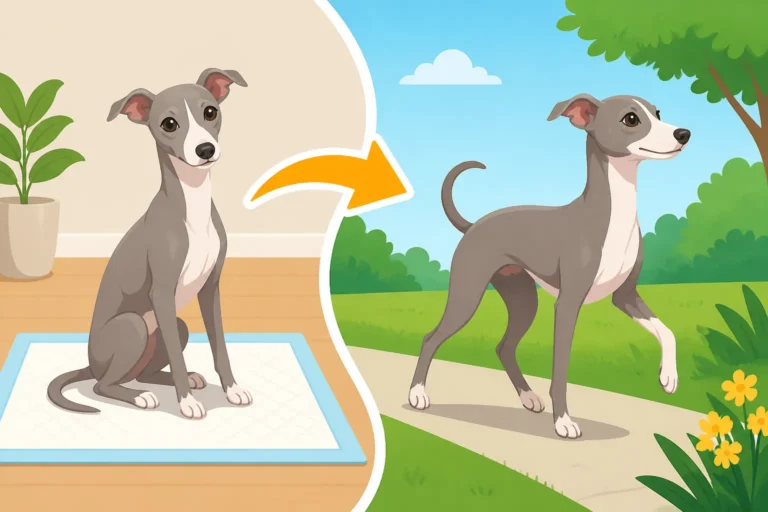
The idea of a dog using a litter box might seem strange, but it's a fantastic option for Italian Greyhounds, especially those living in apartments or cold climates. They often take to it quite readily because it provides a clean, sheltered space away from the elements. You can use large cat litter boxes, storage bins, or specialized dog litter boxes. For "litter," opt for shredded newspaper, pine pellets, or artificial grass mats specifically designed for dog litter boxes. Consistency is key when introducing it. Place it in a quiet, accessible area, and take your IG there frequently, especially after waking up and eating. Praise and reward heavily when they use it.
Puppy pads, both disposable and reusable, are another popular indoor option. They are less messy than a traditional litter box with loose substrate and can be placed almost anywhere. The downside is they don't offer the same visual cue of a "potty spot" that a litter box might, and some dogs learn to just use any soft surface. For both litter boxes and pads, ensure they are kept clean to encourage use. If you're struggling, a resource like BAXTER & Bella offers comprehensive online puppy training programs that cover everything from basic potty training to managing challenging behaviors, which can be adapted to reinforce indoor potty habits. Litter Box Training an Italian Greyhound and Whether Indoor Pads Work for an Italian Greyhound offer more in-depth advice.
Artificial Grass Systems
For those who prefer a more "natural" feel indoors, artificial grass potty systems are an excellent compromise. These systems typically consist of a layered tray with an artificial grass mat on top, allowing urine to drain into a collection tray below. Some even include a removable "real grass" layer for a truly authentic experience. They mimic the texture and scent of real grass, which can be particularly appealing to dogs who are hesitant about using traditional litter or pads.
The benefits include easy cleaning (most trays can be rinsed, and grass mats are washable), odor control (some systems come with absorbent pads or deodorizers), and familiarity for dogs used to going on grass. They can be a bit more expensive upfront than a simple litter box or package of pads, but their durability and ease of use can make them a worthwhile investment over time, especially for long-term cold weather management. Positioning these systems near a door or in a designated "potty room" can help reinforce their purpose and make the transition easier. Setting Up an Indoor Bathroom for an Italian Greyhound provides detailed guidance on implementing such a setup.
Training Tips for Cold Weather Reluctance
While gear and indoor options are fantastic, some training can go a long way in helping your Italian Greyhound conquer their cold weather fears. It's about building positive associations and making potty breaks efficient and rewarding, even when it's chilly.
Short, Frequent, and Rewarding Potty Breaks
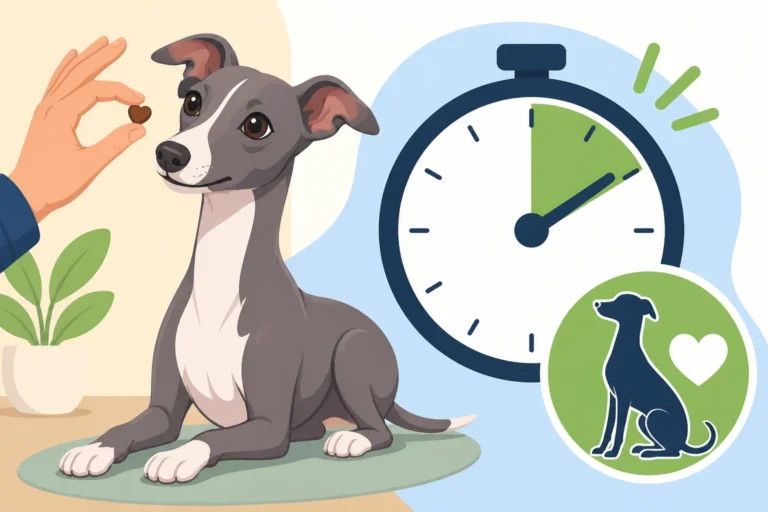
When it's cold, the goal is efficiency. Don't expect your Italian Greyhound to linger outside. Take them out frequently, perhaps more often than usual, for very short periods. The moment they finish their business, shower them with praise, offer a high-value treat, and bring them straight back inside to warmth. This creates a strong positive association: "Potty outside, get treat, come back inside fast!" Avoid scolding or showing frustration if they're hesitant; this will only make them more anxious about going out.
Consistency is key. Stick to a schedule, especially during the coldest parts of the day. If they know what to expect, and that it will be quick and rewarding, they're more likely to cooperate. Using a specific phrase like "Go Potty!" every time you take them out can also help create a routine. This direct approach helps your Italian Greyhound understand the purpose of the trip and minimizes their exposure to uncomfortable temperatures.
Positive Reinforcement and Desensitization
Positive reinforcement is always the best approach for Italian Greyhounds, who are sensitive and respond poorly to harsh corrections. Offer their favorite treats (something they only get for successful outdoor potty breaks in the cold) and enthusiastic verbal praise. You can also incorporate desensitization. Start by taking them out for literally 10-15 seconds, even if they don't go, rewarding them for simply stepping outside and returning. Gradually increase the time as they become more comfortable.
If they are extremely resistant to coats or boots, introduce these items slowly indoors. Put on the sweater for a few minutes, reward, then take it off. Gradually increase the time and add the coat, then the boots. Make it a game with treats and praise, never forcing the issue. This helps them associate the gear with good things, rather than just the cold. For comprehensive training methods that emphasize positive reinforcement and build confidence, resources like BAXTER & Bella can be invaluable. Their structured approach can help tackle even ingrained behaviors like cold weather refusal. Why Punishment Makes an Italian Greyhound Hide to Go explains why a gentle touch is always better for IGs.
Leash and Harness Considerations
Ensure your Italian Greyhound is wearing a well-fitting harness, not just a collar, when going outside. Their slender necks and tendency to back out of collars make harnesses a safer choice, preventing accidental escapes if they panic from the cold. A martingale collar can also be a good option for walks, but for quick potty breaks, a harness offers more security. Which Harness Suits an Italian Greyhound's Neck provides guidance on choosing the right fit. Having a dedicated winter leash and harness, perhaps one with a reflective strip, can also become part of the "going outside" routine, signaling to your IG what's expected. Always keep the leash short and taut enough to maintain control, but not so tight as to cause discomfort.
Understanding Health Considerations for Cold Intolerance
While most Italian Greyhounds simply dislike the cold, for some, it can pose genuine health risks. Being aware of these potential dangers and knowing when to seek veterinary advice is part of being a responsible owner.
Hypothermia and Frostbite Risks
Due to their lack of insulation, Italian Greyhounds are highly susceptible to hypothermia, a dangerously low body temperature. Signs include persistent shivering that doesn't stop, lethargy, weakness, shallow breathing, and stiff muscles. If you suspect hypothermia, get your dog inside immediately, wrap them in warm blankets, and contact your vet. Frostbite is another serious concern, especially for their ears, tail, and paws. These extremities have less blood flow and are more exposed. Signs of frostbite include pale, waxy, or blueish skin that later turns red and swollen, and can be painful. In severe cases, tissue damage can occur. Always check your IG's extremities after cold exposure. Prevention through proper clothing and limiting outdoor time is key. Where an Italian Greyhound Gets Frostbite provides more detailed information on this risk.
Exacerbation of Joint Pain or Arthritis
For older Italian Greyhounds, cold weather can significantly worsen existing joint pain or arthritis. Just like humans, the cold can make stiff joints ache more, making movement painful and increasing their reluctance to venture outside. If your senior Italian Greyhound suddenly becomes more hesitant to walk or seems to struggle with stairs in cold weather, it's worth a visit to the vet. They may benefit from joint supplements, anti-inflammatory medications, or even physical therapy to improve comfort. A warm, orthopedic bed indoors is also crucial for seniors, providing support and warmth for their aching bodies. Why an Old Italian Greyhound Feels the Cold More and Arthritis in an Italian Greyhound's Healed Leg highlight the importance of warmth for joint health in IGs.
When to Consult Your Veterinarian
If your Italian Greyhound's cold intolerance seems extreme, or if they develop symptoms beyond simple shivering and reluctance – such as persistent lethargy, changes in appetite, difficulty breathing, or severe pain – it's time to consult your veterinarian. While it's common for IGs to hate the cold, sudden or exaggerated reactions could sometimes indicate an underlying health issue that makes them more vulnerable. Your vet can rule out conditions that might impact temperature regulation or immune response. Additionally, discuss appropriate outdoor limits for your specific dog based on their age, health, and local climate. They can provide tailored advice on medication or supplements that might help, especially for senior IGs.
Living with an Italian Greyhound's Cold Aversion: Long-Term Strategies
Embracing the reality of your Italian Greyhound's cold sensitivity is key to a harmonious life together. It's not a phase; it's a fundamental aspect of their breed. Integrating long-term strategies into your routine will ensure both their comfort and your peace of mind.
Acceptance and Routine Adaptation
The most important long-term strategy is acceptance. Your Italian Greyhound will likely never love frolicking in the snow like a Labrador. Once you accept this, you can adjust your expectations and adapt your routine. Plan walks and outdoor activities during the warmest part of the day, even if it means shifting your schedule. Be prepared to use indoor potty solutions more frequently during winter months or extended cold snaps. This might mean keeping a litter box or artificial grass system as a permanent fixture, not just a temporary measure.
Establish a consistent routine that takes their cold aversion into account. For instance, always put on their coat and boots before going out, making it a natural part of the process rather than a battle. Knowing what to expect reduces anxiety for your Italian Greyhound. If you live in a climate with harsh winters, you might consider investing in more robust heating for your home or ensuring they always have access to warm, snuggly beds and blankets. Why an Italian Greyhound Sleeps Under the Covers is a testament to their desire for warmth.
Safety First: Avoiding Risky Situations
Beyond comfort, safety is paramount. Never leave an Italian Greyhound unattended in a cold car, even for a short time, as they can quickly become hypothermic. Avoid dog parks during winter, as uneven icy surfaces can lead to falls and painful injuries, especially considering their fragile bones. A Broken Leg Is the Emergency Every Italian Greyhound Owner Fears and Why an Italian Greyhound's Leg Bones Break So Easily emphasize how vulnerable they are to such accidents.
Be mindful of icy sidewalks and salted roads. While boots offer protection, it's best to avoid heavily salted areas altogether. If they do get salt on their paws, rinse them thoroughly with warm water upon returning inside to prevent irritation or ingestion. Always carry extra layers or a blanket for them if you're out for an extended period, even in seemingly mild weather, as temperatures can drop quickly. When walking, avoid deep snow that can accumulate on their thin legs and body, increasing their chill.
Embracing the Indoor Life and Cozy Comforts
Since outdoor adventures will be limited, embrace your Italian Greyhound's natural inclination for indoor coziness. Provide plenty of soft, warm bedding options throughout your home. Heated beds, snuggle sacks, and blankets are not luxuries for an Italian Greyhound; they are necessities. Whether a Heated Bed Is Safe for an Italian Greyhound offers insights into choosing appropriate options. These dogs thrive on warmth and comfort, often burrowing deep under blankets.
Consider indoor games and activities to keep them mentally and physically stimulated when outdoor exercise isn't feasible. Puzzle toys, short games of fetch in a warm room, or even obedience training sessions can burn energy and prevent boredom. This breed forms incredibly strong bonds with their human companions, so plenty of cuddles on the sofa, especially under a warm blanket, will also contribute to their overall happiness and well-being, helping them forget the cold world outside.
Comparative Look at Cold Weather Preparedness
Understanding how different approaches stack up can help you decide what's best for your Italian Greyhound. Here's a quick comparison of common strategies for managing cold weather reluctance.
| Strategy | Pros | Cons | Best Use Case |
|---|---|---|---|
| Outdoor Shelter | Blocks wind, offers immediate relief | Requires setup, takes up space, still exposed to ground cold | Yards with consistent cold wind/rain, owners with DIY skills |
| Insulated Clothing | Portable, immediate warmth, covers body | Can be expensive, needs proper fit, not all dogs tolerate boots | Daily use, walks, travel, crucial for all IGs in cold climates |
| Indoor Potty Area | Eliminates outdoor trips, convenient | Requires training, ongoing cleaning, might not be preferred | Apartment dwellers, extreme weather, senior/frail IGs, emergency backup |
| Heated Ground Mats | Direct paw warmth, comfortable | Electrical hazard potential, limited to one spot, ongoing cost | Designated outdoor potty spots for highly resistant IGs |
| Short, Rewarding Trips | Builds positive association, efficient | Requires owner consistency, may not work for extreme refusal | General cold weather, initial training for any IG |
| Desensitization | Addresses behavioral aversion, long-term solution | Time-consuming, requires patience, not suitable for immediate needs | Overcoming gear resistance, general anxiety about cold |
This table provides a quick reference to weigh the pros and cons of various methods, helping you tailor a comprehensive approach that suits your Italian Greyhound's specific needs and your living situation.
Disclaimer
This article is for general informational purposes only and does not constitute professional advice. Laws, prices and regulations vary by location and change over time. Consult a qualified professional for guidance on your specific situation.