The First Year With an Italian Greyhound Puppy
Bringing home a tiny Italian Greyhound puppy is often a whirlwind of excitement, adorable antics, and, let's be honest, a good bit of worry. These delicate, intelligent, and sometimes perplexing little creatures come with their own unique set of needs and challenges, especially during that crucial first year. This guide is here to walk you through everything you need to know to navigate those initial twelve months, ensuring your new companion thrives and becomes a well-adjusted member of your family, tackling common hurdles like housetraining, socialization, and preventing accidental injuries with confidence and empathy.
Bringing Your Italian Greyhound Puppy Home: The Initial Transition
That moment you bring your Italian Greyhound puppy home is monumental, a mix of pure joy and a touch of anxiety. You want to do everything right, but it can feel overwhelming trying to prepare for every possible scenario with such a tiny, fragile creature. The truth is, the first few days and weeks are all about creating a secure base, building trust, and gently introducing them to their new world. It’s not about perfection; it’s about patience and understanding as they adjust to life without their littermates and mother.
Creating a Safe and Welcoming Environment
Before your Italian Greyhound puppy even sets a paw in your home, you need to make sure their new environment is as safe and stress-free as possible. Think of your home through their eyes – or rather, through their nose and tiny, inquisitive paws. Everything is new, potentially scary, and definitely chewable. This breed is known for its delicate bones, so proactive safety measures are non-negotiable from day one.
Start by securing anything that could be a hazard. Electrical cords should be tucked away or covered, toxic plants removed, and small, swallowable objects put out of reach. Consider how easily a tiny Italian Greyhound might squeeze into tight spaces or under furniture, and block off any areas that could lead to trouble. Gates, especially baby gates, become your best friend in managing their access and keeping them safe. Their natural curiosity means they'll explore every nook and cranny, and you want to ensure that exploration doesn't lead to a trip to the emergency vet. Think about investing in ramps or steps for any furniture your puppy might be tempted to jump off of, as The Jump Off the Sofa That Breaks an Italian Greyhound's Leg is a tragically common occurrence.
The First Few Days and Nights
The first few days with your Italian Greyhound puppy are a period of immense adjustment for everyone. Your puppy will likely feel a mix of curiosity, fear, and sadness from leaving their first home. They might be quiet and reserved, or they might cry a lot, especially at night. It's crucial to be gentle and understanding, creating a predictable routine that offers comfort and security. Establish a designated "safe space" for them, like a soft crate or an enclosed playpen, complete with a cozy bed and a blanket that might smell faintly of their mother or littermates if you were able to get one from the breeder.
During these initial days, keep interactions calm and positive. Avoid overwhelming them with too many new people or loud noises. Let them explore their immediate surroundings at their own pace. Feeding times should be consistent, and frequent potty breaks are paramount. At night, expect some crying as they adjust to being alone. Placing their crate next to your bed for the first few nights can provide immense comfort, allowing them to hear and smell you, reassuring them they're not abandoned. A warm hot water bottle (wrapped in a blanket) or a ticking clock can also mimic the warmth and heartbeat of their mother, helping them settle. Remember, this isn't about spoiling; it's about building a foundation of trust and security.
Understanding Your Puppy's Early Cues
Learning to read your Italian Greyhound puppy's body language and vocalizations is one of the most important skills you'll develop in that first year. These tiny dogs communicate in subtle ways, and understanding their cues can prevent a lot of frustration for both of you. A low whine might mean they need to go potty, while a sharp yip could indicate pain or fear. Pay attention to how they carry their tail, the position of their ears, and the tension in their body.
For instance, if your puppy suddenly stops playing and starts sniffing the ground intently, or begins to circle, they're likely indicating an impending potty break. If they're tucked tightly against you, shivering slightly, they might be cold or feeling insecure. Cold or Nervous: Why an Italian Greyhound Shivers is a common question, and learning the distinction helps you respond appropriately. Recognizing signs of stress, such as lip licking, yawning (when not tired), or averting their gaze, allows you to intervene and remove them from an uncomfortable situation before it escalates. This early understanding fosters a deeper bond and helps you anticipate their needs, laying the groundwork for more effective training and a happier, more confident puppy.
Navigating the Housetraining Hurdle
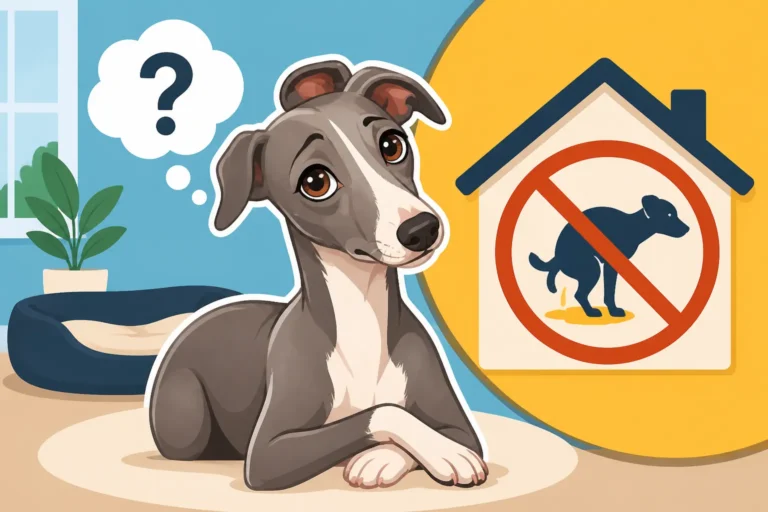
Ah, housetraining. For many Italian Greyhound owners, this topic quickly rises to the top of the "most challenging" list. It’s a marathon, not a sprint, and patience will be your most valuable virtue. These dogs, while incredibly smart, have a reputation for being notoriously difficult to housetrain, and understanding why can help you approach the task with greater empathy and more realistic expectations.
Why Italian Greyhounds Are Different
Italian Greyhounds are often described as difficult to housetrain, and there are a few reasons for this. First, they have very small bladders, meaning they need to relieve themselves much more frequently than many other breeds. A young Italian Greyhound puppy might need to go out every 20-30 minutes when awake, and immediately after waking, eating, or playing. Missing even a few of these opportunities can set you back significantly.
Second, their extreme sensitivity to cold and wet weather is a huge factor. Ask any Italian Greyhound owner, and they'll tell you about their dog's absolute refusal to step a paw on wet grass, or their dramatic shivering protest against a chilly breeze. Why an Italian Greyhound Refuses to Go Out in Rain or cold is not stubbornness; it's a genuine physiological and comfort issue. Their fine coat and lack of body fat mean they get cold very quickly. This often leads them to seek out warm, dry indoor spots for relief, even if they know they "should" go outside. Add to this their quiet nature – they're not always barking at the door to be let out – and you have a perfect storm for indoor accidents. You really have to be vigilant.
Setting Up a Successful Potty Routine
Given their unique challenges, a structured and consistent potty routine is absolutely critical for an Italian Greyhound puppy. The key words here are "structure" and "consistency." You need to take your puppy out constantly – after every nap, every meal, every play session, and at least once an hour in between, regardless of whether you think they "need" to go. Think of it as preventative action rather than reactive.
When you take them out, always go to the same designated potty spot. This helps them associate that specific area with relieving themselves. Use a consistent verbal cue, like "go potty" or "do your business," every single time. The moment they finish, lavish them with praise and a high-value treat. This positive reinforcement is paramount; they need to understand that going outside is the most rewarding choice. Consider setting up a covered outdoor potty area or using indoor potty solutions, especially during inclement weather or if you live in an apartment. Many Italian Greyhound owners find success with options like real grass pads or even litter boxes, which can be lifesavers during those frigid winter months or heavy rain. Brands like Fresh Patch offer real grass delivery, providing an appealing alternative for IGs who despise synthetic surfaces or the outdoors. Consistency, patience, and adapting to your IG's individual preferences are the cornerstones of success. Housetraining an Italian Greyhound Is the Hardest Part of Owning One, but it is achievable with dedication.
Dealing with Accidents and Regression
No matter how diligent you are, accidents will happen, especially during your Italian Greyhound's first year. It's vital to handle them correctly to avoid creating fear or anxiety around potty time. If you catch your puppy in the act indoors, calmly interrupt them with a clap or a gentle "no," immediately pick them up, and carry them to their designated outdoor potty spot. If they finish outside, praise and reward them. Never scold or punish your puppy for an accident, especially if you didn't catch them in the act. They won't understand why they're being punished, and it can teach them to hide their accidents or be afraid to relieve themselves in front of you, which makes future training even harder.
Clean up accidents thoroughly with an enzymatic cleaner designed to remove pet odors. This is crucial because if the scent remains, your puppy is more likely to return to that spot. Regression is also common, particularly during adolescent phases (around 6-12 months) or when routines change. A cold snap, a new schedule, or even a sudden fright can temporarily undo weeks of progress. Don't despair. Go back to basics: increase potty breaks, supervise more closely, and reinforce heavily. Patience is truly key, and understanding that these setbacks are normal will help you both get through it without undue stress.
Socialization and Early Training Foundations
The first year of an Italian Greyhound's life isn't just about potty training; it's also the critical period for socialization and laying the groundwork for good behavior. A well-socialized Italian Greyhound is a confident, happy dog, less prone to fear or aggression. Early, positive experiences are everything for this sensitive breed.
Introducing Your Puppy to the World
Socialization isn't just about meeting other dogs; it's about safely exposing your Italian Greyhound puppy to a wide variety of sights, sounds, smells, people, and environments. The critical socialization window for puppies closes surprisingly early, around 16 weeks, so every positive experience before then counts. Introduce them gradually to different types of people: men, women, children (always supervised and gentle!), people wearing hats, people with glasses, people in wheelchairs. Let them hear various sounds: traffic, vacuum cleaners, sirens, children playing.
Take them on short, positive outings to different places like pet-friendly stores (carried or in a stroller initially), quiet parks, or friends' homes. The goal isn't necessarily interaction, but observation and positive association. Offer treats and praise during these exposures to create positive emotional responses. For example, if you're introducing them to a new sound, play it softly at first, give them a treat, and slowly increase the volume over time. Remember, Italian Greyhounds can be naturally reserved or shy, so never force interactions. Allow them to approach new things or people at their own pace, always ensuring their safety and comfort.
Basic Obedience and Positive Reinforcement
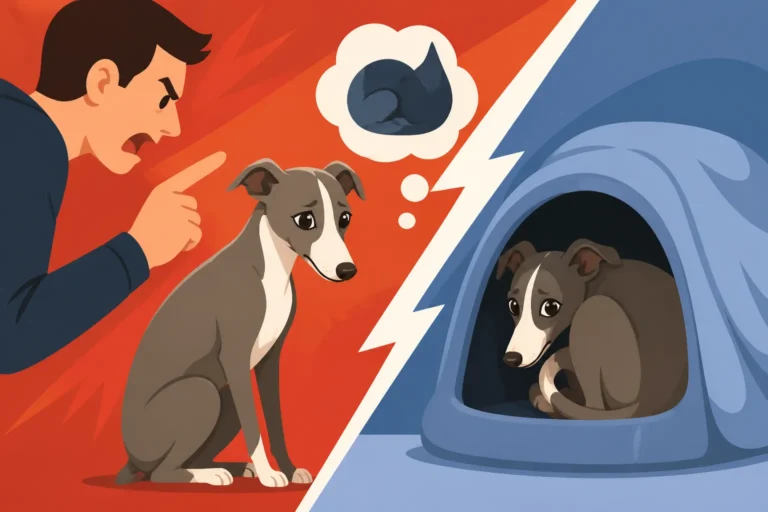
Beginning basic obedience training early is essential for building communication and trust with your Italian Greyhound puppy. Commands like "sit," "stay," "come," and "down" are not just tricks; they are vital for safety and managing their behavior. Italian Greyhounds respond best to positive reinforcement methods – using rewards like treats, praise, and toys to encourage desired behaviors. Harsh corrections or punishment can easily damage their sensitive spirits and lead to fear-based behaviors. Why Raising Your Voice Sets an Italian Greyhound Back a Month is a truth many IG owners quickly learn.
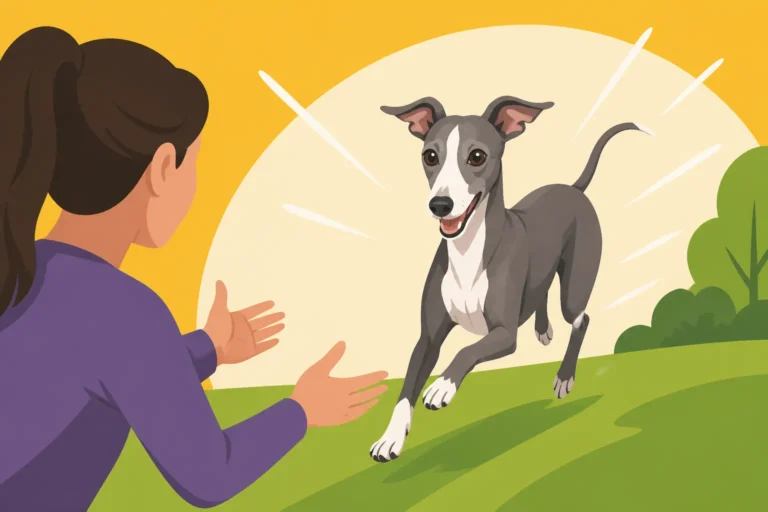
Keep training sessions short, fun, and frequent, especially with a young puppy whose attention span is fleeting. Five to ten minutes, several times a day, is far more effective than one long, tedious session. For "come," which is a vital command given their prey drive, practice in a safe, enclosed area with minimal distractions, making it a super fun game with high-value treats. Programs like BAXTER & Bella offer online puppy training resources that can be incredibly helpful for new Italian Greyhound owners, guiding them through these crucial early stages with positive, reward-based methods tailored to a puppy's development. This kind of structured guidance can be invaluable for tackling everything from crate training to leash manners.
Managing the Italian Greyhound Prey Drive
One of the most defining characteristics of an Italian Greyhound is their strong prey drive, a trait inherited from their sighthound ancestors. This instinct means they are hardwired to chase anything that moves quickly – squirrels, rabbits, blowing leaves, even plastic bags. This isn't something you can train out of them; it's deeply ingrained. Understanding this is absolutely crucial for their safety, particularly during the first year when they are exploring and testing boundaries.
Because of this intense prey drive, an Italian Greyhound should never, ever be trusted off-leash in an unfenced area. Why an Italian Greyhound Cannot Be Trusted Off Leash, Ever is not an exaggeration. Even the most well-trained Italian Greyhound can bolt in an instant if something catches their eye, and their incredible speed makes them nearly impossible to catch. A secure, high fence is a necessity for any yard time. When out for walks, always use a properly fitted harness, as their narrow heads and necks make them adept at slipping out of collars. A martingale collar, when properly used with a leash, can also be a good option for walks, preventing escape without choking them. Early training should focus on a rock-solid "leave it" command and teaching them to focus on you even in distracting environments, but always with the understanding that the prey drive will always be lurking.
Managing Their Delicate Nature and Preventing Injuries
The Italian Greyhound's elegant, fine-boned structure is part of their charm, but it also comes with a significant responsibility for their owners: protecting those fragile bones. In their first year, when they are still growing and sometimes a bit clumsy, this vigilance is even more critical.
Protecting Those Fragile Bones
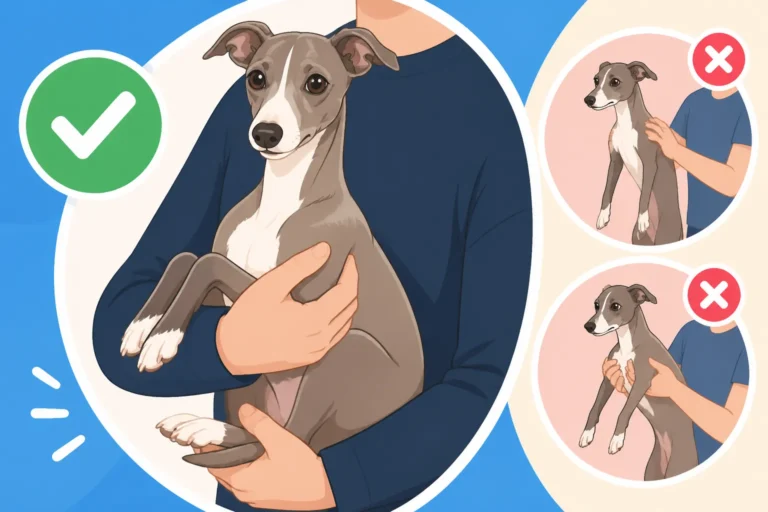
Italian Greyhounds are famously prone to leg fractures, particularly during puppyhood and adolescence. Why an Italian Greyhound's Leg Bones Break So Easily is a concern for all owners, and it's largely due to their slender build and relatively long, thin leg bones, especially the radius and ulna in the forearm. A seemingly innocuous jump off a sofa, a tumble down stairs, or even being dropped accidentally can result in a serious break requiring expensive surgery. During their first year, their growth plates are still open, making them even more vulnerable.
This means you need to implement protective measures from the moment they arrive home. Limit jumping by providing ramps or steps for access to furniture. Supervise play intently, especially with children or other pets, to prevent roughhousing. Teach children how to safely interact with such a delicate dog, emphasizing that IGs are not robust playthings. Consider crating or using a playpen when you can't actively supervise. Restricting an Italian Greyhound Under Two is often recommended by breeders and experienced owners to allow their bones to fully mature and harden, minimizing risk during their most vulnerable stage. This might feel restrictive, but it's a small price to pay for a healthy, happy, unbroken dog.
Safe Play and Interaction
While their delicate nature requires caution, Italian Greyhounds are still playful puppies who need appropriate outlets for their energy. The key is safe play. Avoid games that encourage high jumps or rapid, uncontrolled movements. Fetch can be good if kept low to the ground and on a soft surface like carpet or grass. Tug-of-war is fine as long as it's not overly aggressive and you teach them to "drop it" to avoid injury to their tiny mouths.
Interactive play with appropriate toys is crucial for mental and physical stimulation. Soft toys, squeaky toys, and puzzle feeders that make them think are all excellent choices. When playing with other dogs, extreme caution is advised. Large, boisterous dogs can easily injure an Italian Greyhound, even accidentally, during play. If you allow them to play with other dogs, ensure the other dogs are calm, gentle, and of a similar size and play style. Dog parks, unfortunately, are often too risky for Italian Greyhounds due to the unpredictable nature of play. Supervised playdates with trusted, known dogs are a much safer alternative.
Essential Gear for Safety
Equipping your Italian Greyhound puppy with the right gear is another layer of protection. A well-fitting harness is absolutely paramount for walks. Their slender neck and deep chest mean a standard flat collar can easily slip over their head or put undue pressure on their trachea. Look for harnesses specifically designed for sighthounds or those with a double strap design that prevents escape. Brands available on Amazon often offer a variety of harnesses designed for small, deep-chested breeds, so you have plenty of options to find the perfect fit.
Beyond harnesses, consider soft, warm clothing. Italian Greyhounds chill easily, which can lead to shivering and seeking warmth in less-than-ideal spots (like under a cold radiator). A lightweight sweater or a soft fleece can keep them comfortable indoors, reducing the impulse to find warmth by burrowing into dangerous nooks. For colder outdoor excursions, a full-body coat is essential. Also, investing in doggy steps or ramps for furniture can proactively prevent jumps that could lead to fractures. These items aren't just luxuries; they are fundamental tools for ensuring your Italian Greyhound's safety and comfort throughout their first year and beyond.
The Italian Greyhound's Unique Emotional Landscape
Beyond their physical fragility, Italian Greyhounds possess a wonderfully rich and often complex emotional landscape. They are deeply sensitive, intelligent, and form incredibly strong bonds with their human companions. Understanding these emotional nuances is key to fostering a secure and happy relationship.
Building an Unbreakable Bond: The "Velcro Dog" Phenomenon
One of the most endearing, and sometimes challenging, traits of the Italian Greyhound is their profound attachment to their people. They are often called "Velcro dogs" because they will follow you from room to room, sit on your lap, burrow under blankets next to you, and generally seek to be in constant physical contact. This isn't just a preference; it's a deep-seated need for companionship and warmth. In their first year, this bond is forming, and responding to it with affection and presence will solidify a lifelong connection.
They thrive on human interaction and genuinely want to be where you are, doing what you're doing. This intense desire for closeness means they are not dogs who do well being left alone for long periods. If you're looking for a dog that's independent and happy to amuse itself in another room, an Italian Greyhound is probably not the right fit. Embrace the snuggles, the shadowing, and the constant companionship. They truly believe they are part of you. This strong bond, while wonderful, also brings with it a particular susceptibility to separation anxiety. The Velcro Dog: What Constant Company Means With an Italian Greyhound is a perfect description of this intrinsic characteristic.
Understanding Separation Anxiety Risks
Because of their intense attachment, Italian Greyhounds are highly prone to developing separation anxiety if not managed carefully from puppyhood. Leaving them alone for hours without preparation can lead to destructive behaviors, excessive vocalization, or even self-harm due to stress. In their first year, it's critical to teach them that being alone, for short periods, is okay and not a reason for panic.
Start by practicing very brief absences, literally seconds at a time, and gradually increase the duration. Leave them with a high-value treat puzzle or a favorite toy to distract them. Don't make a big fuss when you leave or when you return; keep departures and arrivals calm and low-key. A comfortable, safe space like a crate can become their den and help them feel secure when you're away, provided they've been positively conditioned to it. Investing in training that specifically addresses separation anxiety, possibly through resources like BAXTER & Bella's online courses, can be a game-changer. Remember, preventing separation anxiety in puppyhood is far easier than treating it once it's deeply ingrained. They need to feel secure in your return, not terrified of your absence.
Handling Shyness and Sensitivity
Italian Greyhounds are often described as sensitive and can be prone to shyness, especially if not well-socialized as puppies. New situations, loud noises, or unfamiliar people can sometimes overwhelm them, leading to fear-based behaviors like hiding, trembling, or even "shutting down." In their first year, pay close attention to their comfort levels in various situations. Pushing them too hard or forcing interactions when they are clearly uncomfortable can exacerbate their shyness.
Instead, create positive associations with new experiences. Use treats and praise to reward brave behavior, even if it's just a glance in the direction of a new person or object. Allow them to approach on their own terms, providing a safe retreat if they need it. If your puppy shows significant fear or shyness, consult with a professional positive reinforcement trainer or veterinary behaviorist. Early intervention is important. Building confidence in a sensitive Italian Greyhound is a gradual process that requires endless patience and understanding, but the reward is a secure, well-adjusted companion who trusts you implicitly.
Exercise, Play, and Mental Stimulation
Despite their delicate build, Italian Greyhounds are sighthounds, and that means they have bursts of incredible energy and speed. However, their exercise needs are often misunderstood. It's not about endless mileage, but about appropriate outlets for their unique physical and mental requirements.
Appropriate Exercise for a Growing IG
In their first year, an Italian Greyhound puppy's bones are still developing, so over-exercising them can be detrimental. Long, strenuous walks or intense running should be avoided until their growth plates have closed, usually around 12-18 months of age. Instead, focus on shorter, more frequent walks and controlled play sessions. Several short walks throughout the day are much better than one marathon trek, especially for tiny puppy legs.
Allowing them safe opportunities to zoom (their characteristic bursts of running) in a securely fenced yard or a large, enclosed indoor space is important for their physical and mental well-being. These "zoomies" are a natural part of their sighthound heritage and a wonderful way for them to burn off energy. However, ensure the ground is even and free of obstacles to prevent falls and potential injuries. Remember, their bodies are built for short bursts of speed, not endurance, so listen to your puppy and let them guide the pace. Don't push them past their comfort or stamina levels.
Engaging Playtime and Enrichment
Beyond physical exercise, Italian Greyhounds need plenty of mental stimulation to prevent boredom and destructive behaviors. Intelligent and curious, they enjoy solving puzzles and engaging their minds. Puzzle toys that dispense treats are fantastic for this, as are interactive games that involve scent work or finding hidden objects. Rotating toys regularly can also keep them interested and prevent them from getting bored with their current selection.
Playtime with you is also incredibly important. IGs often enjoy games of chase or gentle tug-of-war. Remember, they are sighthounds, so toys that move quickly, like a flirt pole (used carefully, keeping jumps low), can really capture their attention and satisfy their natural instincts in a controlled environment. The goal is to keep them engaged and happy, channeling their energy and intelligence into positive activities rather than letting them get into mischief. A bored Italian Greyhound puppy can be a surprisingly destructive force, finding ways to chew things they shouldn't or climbing where they don't belong.
Crate Training and Independent Play
Crate training, when introduced positively, can be an invaluable tool for Italian Greyhound puppies in their first year. It provides them with a safe, den-like space where they can feel secure, helps with housetraining by leveraging their natural instinct not to soil their sleeping area, and can aid in managing separation anxiety by teaching them to be comfortable alone for short periods. Introduce the crate gradually, making it a positive place with treats, toys, and soft bedding. Never use it for punishment.
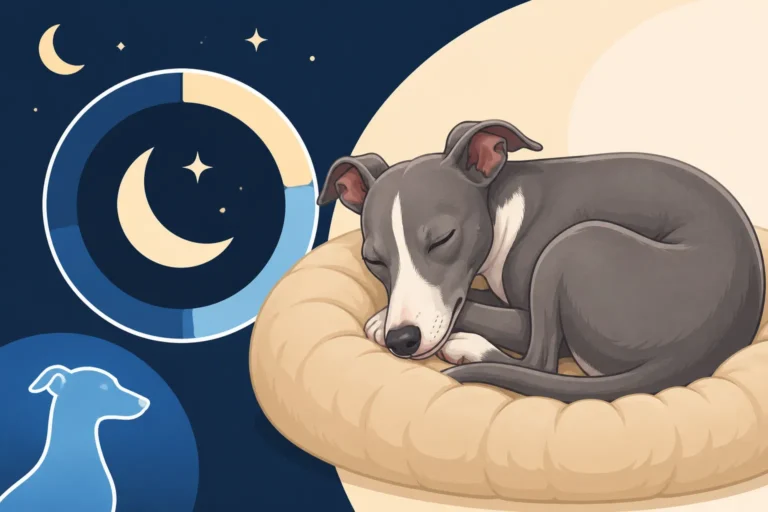
Teaching independent play is also crucial. While they are Velcro dogs, they still need to learn to entertain themselves for brief periods. Provide appropriate chew toys (safe and size-appropriate) and encourage them to play on their own while you are in the same room. This helps build confidence and reduces reliance on constant human interaction, which is a stepping stone to managing their alone time. Observe What an Italian Greyhound Does All Day and tailor their play and quiet time accordingly. During their first year, establishing a balance between intense bonding time and encouraging a healthy degree of independence will set them up for a more resilient adulthood.
Feeding and Grooming Your Growing Italian Greyhound
Proper nutrition and a consistent grooming routine are vital for your Italian Greyhound puppy's healthy development throughout their first year. Their unique physical characteristics mean some aspects of care are a bit different from other breeds.
Nutritional Needs of a Puppy
A rapidly growing Italian Greyhound puppy has specific nutritional needs that differ from an adult dog. They require a high-quality puppy food formulated for small breeds, providing the right balance of protein, fats, vitamins, and minerals to support their rapid growth without over-stressing their developing bones. Avoid generic "all life stages" foods; a specific puppy formula is best.
How much to feed can vary, but generally, Italian Greyhound puppies eat small amounts frequently. Follow the feeding guidelines on your chosen puppy food, but also monitor your puppy's body condition. You should be able to easily feel their ribs, but not see them prominently poking out. If they look too thin or too round, adjust their food intake accordingly. Split their daily ration into three to four meals a day during their first few months, gradually reducing to two meals as they get older (around 6-12 months). Always provide fresh water. What an Italian Greyhound Puppy Eats at Four Months will be different from what they eat at 10 months, so adjust as they grow. Consult your vet to ensure your puppy is on a healthy growth trajectory and to discuss any dietary concerns, such as ensuring they're getting enough calcium without overdoing it.
Early Dental Care Practices
Dental health is paramount for Italian Greyhounds, and it's a concern that starts in puppyhood. Periodontal Disease Is the Italian Greyhound's Most Common Diagnosis is not an exaggeration. Their small mouths and crowded teeth make them highly susceptible to plaque and tartar buildup, which can lead to early tooth loss. Starting a dental hygiene routine early in their first year is crucial.
Begin by gently handling your puppy's mouth and getting them used to having their gums and teeth touched. Once they tolerate this, introduce a soft finger brush or a very small toothbrush designed for puppies, along with enzymatic dog toothpaste. Brush their teeth daily if possible. Even a few times a week is better than nothing. Make it a positive experience with praise and treats. This early desensitization will make future dental care, including professional cleanings, much less stressful. Ignoring dental care in puppyhood only sets them up for serious problems later in life, and those dental bills can be substantial. Brushing an Italian Greyhound's Teeth Every Day is truly one of the most important things you can do for their long-term health.
Coat and Nail Maintenance
Grooming an Italian Greyhound is relatively low-maintenance, but consistency in their first year establishes good habits. Their short, fine coat requires minimal brushing – usually just a quick wipe down with a soft cloth or a grooming mitt a few times a week to remove loose hair and keep their coat shiny. They don't have a strong "doggy odor" and only need baths when they're truly dirty, which might not be very often.
Nail trims, however, are critical and need to start early. Italian Greyhounds tend to have fast-growing nails, and if left untrimmed, they can become uncomfortably long, impacting their gait and potentially causing pain or even splayed feet. Introduce nail trimming gradually and positively. Use sharp clippers designed for small dogs or a Dremel tool if you prefer. Trim only the very tip to avoid hitting the quick, which can be painful and deter future cooperation. If you're unsure, ask your vet or a groomer for a demonstration. Regular ear checks are also important for their folded ears to ensure they are clean and free from any signs of infection. Making these routines a positive experience in puppyhood will save you (and your IG) a lot of stress down the line.
Common Challenges and Proactive Solutions in the First Year
The first year with an Italian Greyhound puppy is full of discovery, but also comes with predictable challenges. Knowing what to expect and having proactive solutions in place can make all the difference.
Teething and Chewing
Just like human babies, Italian Greyhound puppies go through a teething phase, usually between 3 and 6 months of age. During this time, they will want to chew on everything to relieve the discomfort in their gums. This is when your management skills will be put to the test! Without appropriate outlets, your furniture, shoes, or even electrical cords can become prime targets.
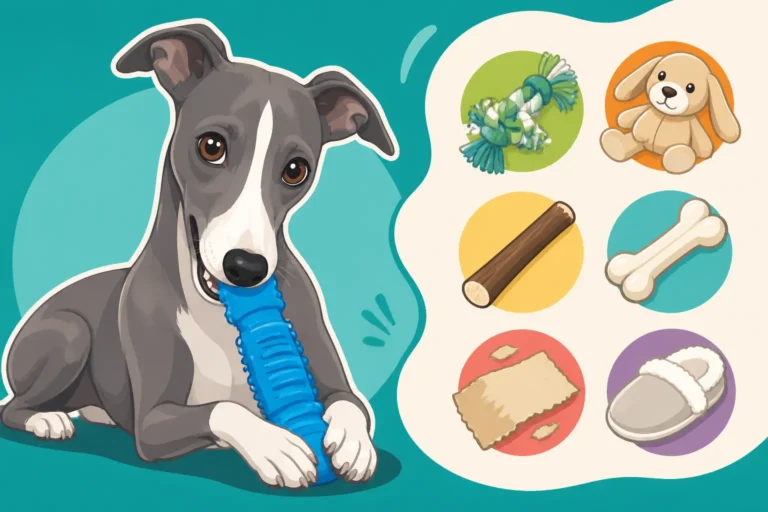
Provide a variety of safe, chew-appropriate toys. Look for durable rubber toys, soft puppy chew toys, and even some softer natural chews (always supervised). Freezing some of these toys or offering frozen carrots or fruit (ensure they are safe for dogs) can provide soothing relief to their sore gums. Keep your puppy confined to a safe, puppy-proofed area when you can't actively supervise them, and always ensure hazardous items are out of reach. Redirect any inappropriate chewing immediately by offering an acceptable chew toy and praising them when they take it. This phase will pass, but consistent management is key to protecting your belongings and keeping your puppy safe.
Dealing with Nipping and Play Biting
Puppies explore the world with their mouths, and nipping or play biting is a normal part of their development. They learn bite inhibition from their littermates, but it's up to you to continue this training. Italian Greyhounds, with their delicate skin, can still deliver surprisingly sharp nips, even in play. It's important to teach them that human skin is fragile and that gentle mouths are required.
When your puppy nips too hard during play, let out a sharp "ouch!" or "yip!" and immediately withdraw your hand and end the play session for a few minutes. This mimics how another puppy would react and teaches them that hard bites make the fun stop. If they continue to be mouthy, try redirecting them to an appropriate chew toy. Consistency is vital here. Everyone in the household needs to use the same method. Avoid physical punishment, as this can make a sensitive Italian Greyhound fearful or even aggressive. By consistently teaching them that gentle mouths are rewarded and hard bites end the fun, your Italian Greyhound puppy will learn to play appropriately.
When to Seek Professional Guidance
While this guide covers many aspects of the first year, there will undoubtedly be moments when you feel unsure or overwhelmed. Knowing when to seek professional help is a sign of a responsible owner. If you're struggling with persistent housetraining issues, particularly if your puppy has frequent accidents despite a consistent routine, a vet check is a good first step to rule out any underlying medical conditions.
For behavioral challenges like severe separation anxiety, aggression, extreme shyness, or compulsive behaviors, don't hesitate to consult a certified professional dog trainer or a veterinary behaviorist. They can offer tailored strategies and support that online resources or general advice can't provide. Similarly, if you have any concerns about your Italian Greyhound puppy's physical health, growth, or any sudden changes in behavior or appetite, a visit to your veterinarian is always recommended. They are your primary resource for ensuring your Italian Greyhound puppy receives the best care throughout their crucial first year. Getting The First Year With an Italian Greyhound Totals means investing in their health and well-being from the start.
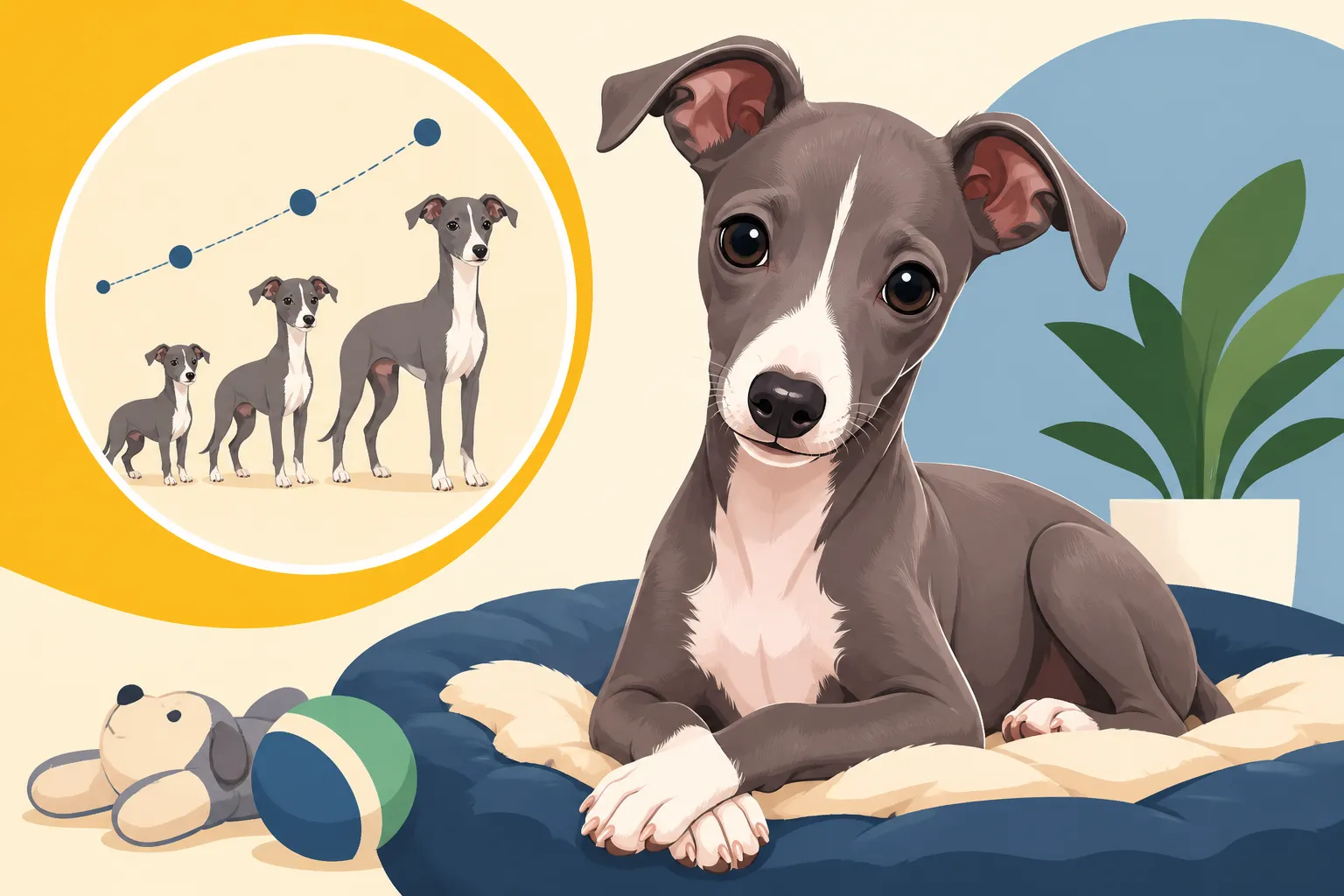
Developmental Milestones: Italian Greyhound Puppy's First Year
| Age Range | Key Physical & Behavioral Milestones | Care & Training Focus | Potential Challenges |
|---|---|---|---|
| 8-12 Weeks | Arrives home, explores, rapid growth, primary socialization window. | Crate training, consistent potty routine, gentle handling, vet check, initial vaccinations. | Homesickness, fear, frequent accidents, shyness. |
| 3-4 Months | More confident, teething starts, increased play, begins losing baby teeth. | Continue socialization, basic commands (sit, stay), chew toy redirection, intro to teeth brushing. | Nipping/play biting, chewing inappropriate items, house training setbacks. |
| 5-6 Months | Adolescent energy, improved coordination, all adult teeth in, growth plates still open. | Leash training, advanced commands, impulse control, preventing jumping, continued socialization. | Increased risk of fractures, "selective listening," fear periods, potty regression. |
| 7-9 Months | Approaching adult size, strengthening bones, stronger prey drive, sexual maturity. | Reinforce all training, manage prey drive (always on leash), continue confidence building. | Continued fracture risk, testing boundaries, marking (if intact), separation anxiety. |
| 10-12 Months | Reaching adult size/weight, growth plates close, more settled temperament. | Refine all commands, ensure safety protocols are ingrained, maintenance grooming. | Adolescent stubbornness, lingering housetraining issues, energy bursts. |
Disclaimer
This article is for general informational purposes only and does not constitute professional advice. Laws, prices and regulations vary by location and change over time. Consult a qualified professional for guidance on your specific situation.