What Fracture Repair Costs on an Italian Greyhound
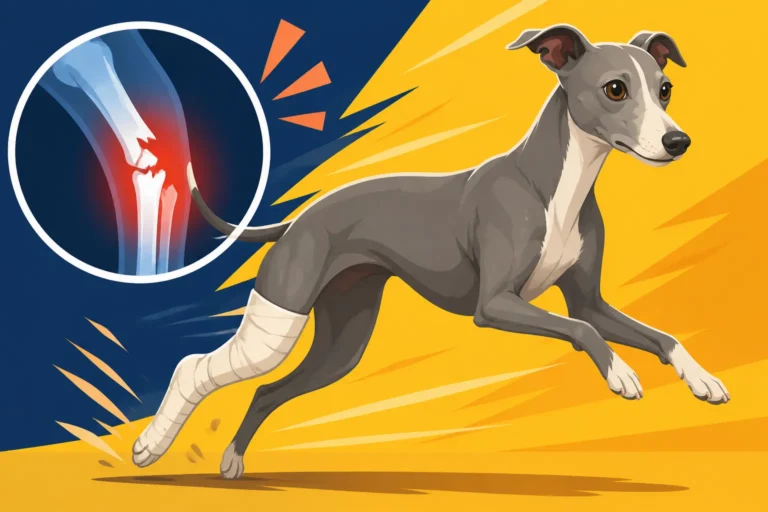
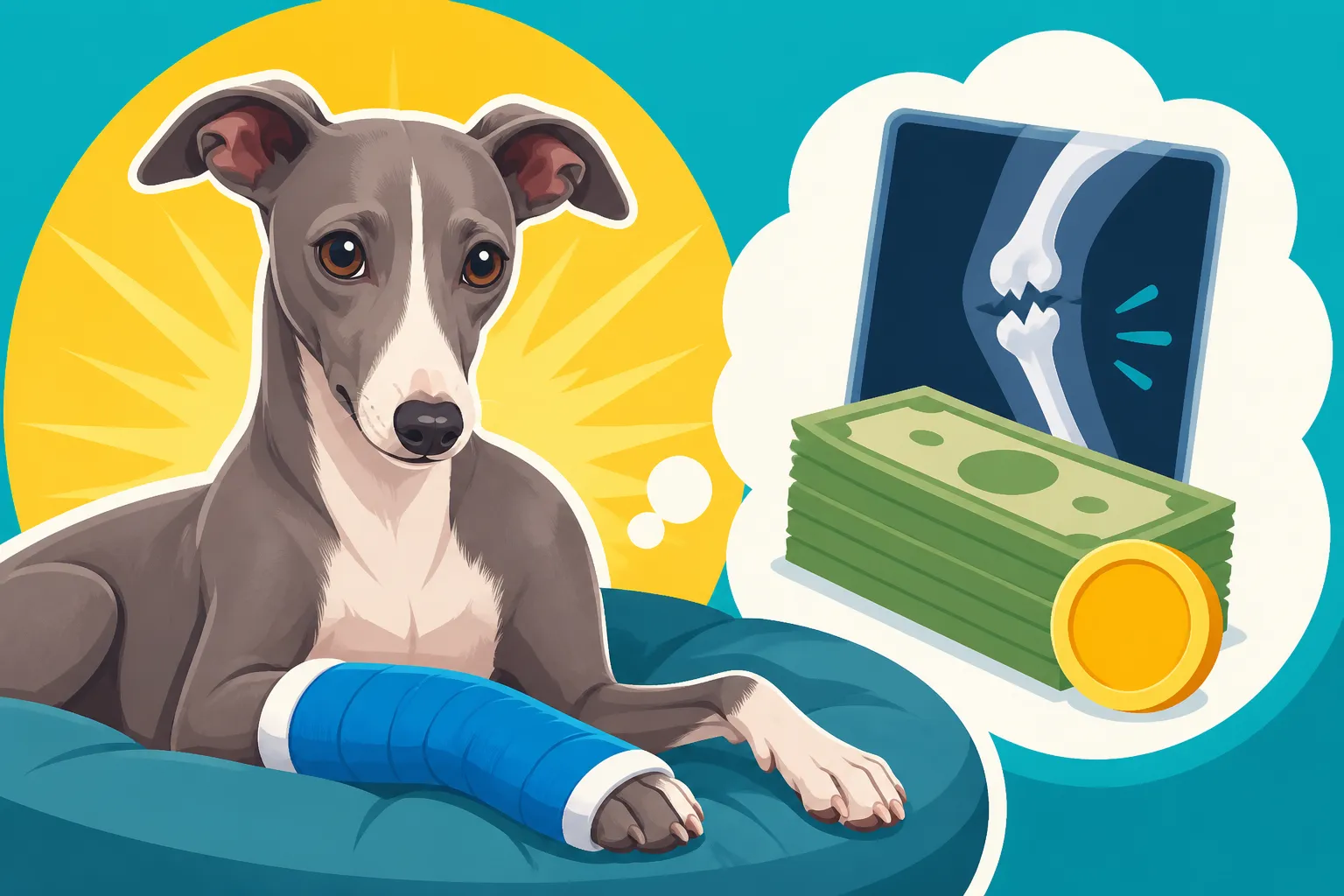
It’s a moment no Italian Greyhound owner ever wants to experience: that sudden yelp, the unnatural angle of a tiny leg, the instant wave of panic. Breaking a leg is, unfortunately, a very real and terrifying possibility for these delicate pups, and once the initial shock wears off, a crushing worry often sets in: what is this going to cost? The financial burden of a fractured Italian Greyhound leg can be immense, leaving many owners feeling overwhelmed and uncertain of the path forward. This guide is here to walk you through the various costs associated with Italian Greyhound fracture repair, from emergency stabilization to potential long-term care, helping you understand what to expect when faced with this heartbreaking situation.
The Immediate Aftermath: Emergency Assessment and Stabilization Costs
When your Italian Greyhound breaks a leg, the first priority is getting them to an emergency veterinary clinic. This isn't just about pain management, it's about preventing further damage to the bone, nerves, or surrounding tissue. The immediate costs can start piling up rapidly, often before any definitive treatment plan is even discussed.
The Emergency Vet Visit and Initial Evaluation
The moment you walk through those emergency clinic doors, you’re looking at an emergency examination fee. This fee is often higher than a routine vet visit because it's after hours, requires immediate attention, and the staff are specialized in critical care. The veterinary team will quickly assess your dog, provide immediate pain relief, and stabilize the limb. They'll typically perform a physical exam to determine the extent of the injury and check for any other trauma, which is crucial since Italian Greyhounds are so fragile.
They might apply a temporary splint or bandage to keep the leg still, reducing pain and preventing the sharp edges of the broken bone from causing more harm. This initial stabilization is critical, but it comes with its own set of costs for materials and application. You might feel a whirlwind of emotions during this time, but remember that this quick action is essential for the best possible outcome. For more detailed information on initial signs, you can read our guide on Signs an Italian Greyhound Has Broken a Leg.
Diagnostic Imaging: X-rays and Beyond
Once stabilized, the next step is almost always X-rays. A series of radiographs will be taken from multiple angles to accurately determine the type of fracture, its location, whether it's a simple break or comminuted (multiple fragments), and if there's any displacement. This information is absolutely vital for the orthopedic surgeon to formulate a treatment plan.
The cost of X-rays for an Italian Greyhound can vary widely depending on your location and the clinic, but expect to pay for multiple views and the radiologist’s interpretation. In some complex cases, your vet might recommend additional imaging like a CT scan, especially if the fracture is near a joint or involves very small bone fragments, which can add significantly to the diagnostic bill. This is where you really start to see the financial reality set in. Our article on What X Rays Cost on an Italian Greyhound delves deeper into these specific charges.
Pain Management and Initial Medications
No one wants to see their beloved Italian Greyhound in pain. Immediately, the veterinary team will administer pain medication, often a combination of injectable opioids and anti-inflammatory drugs. Your dog will likely go home with oral pain medications for the first few days, and possibly antibiotics, depending on whether there's an open wound or concern for infection. These medications are a necessary part of the immediate care but add to the initial financial outlay. Managing your Italian Greyhound's pain and keeping them comfortable is a non-negotiable part of the process, but the cost can be surprising if you haven't budgeted for an emergency.
Surgical Intervention: The Core of Fracture Repair Costs
Once the initial assessment is done and the fracture is diagnosed, the conversation quickly turns to surgical options. For Italian Greyhounds, given their delicate bones and high activity levels, surgery is often the recommended, if not the only, viable path to full recovery for many fractures, especially those involving the long bones like the radius and ulna.
Why Italian Greyhounds Often Need Specialist Surgery
Italian Greyhounds have incredibly fine, dense bones, and a very slender build. This anatomical reality means their fractures aren't always straightforward to fix. They are prone to breaking specific bones, and a common culprit is the radius, as discussed in Why an Italian Greyhound's Radius Is the Bone That Breaks. Their minimal muscle and fat covering also means there's less tissue to protect the bone, and less cushioning for surgical implants. This often necessitates the expertise of a board-certified veterinary orthopedic surgeon, rather than a general practitioner, which naturally comes with a higher price tag due to their specialized skills, equipment, and training.
Internal Fixation: Plates, Screws, and Pins
The most common surgical repair for Italian Greyhound fractures involves internal fixation, meaning implants are placed inside the leg to stabilize the bone fragments.
- Bone Plating: This is often the gold standard for many fractures, particularly in the radius and ulna. A metal plate is contoured to the bone and screwed into place across the fracture site. This provides strong, rigid support, allowing the bone to heal in proper alignment. The cost for plating an Italian Greyhound's radius can be substantial, often ranging from $3,000 to $6,000 or more, depending on the complexity of the fracture, the size of the dog, the type of plate needed, and the surgeon's fees. This cost typically includes the surgeon's fee, anesthesia, surgical supplies, and a night or two of hospitalization. For a detailed breakdown, see What Plating an Italian Greyhound's Radius Costs.
- Pins and Wires: For certain types of fractures, especially in smaller bones or where less rigid fixation is acceptable, pins (like Kirschner wires) or cerclage wires may be used. These are less invasive but also provide less rigid support than plates. The cost is generally lower than plating, perhaps ranging from $2,000 to $4,500. However, due to the Italian Greyhound's bone structure, pins can sometimes loosen or migrate, potentially requiring further intervention.
- External Fixators: In cases of severe open fractures, highly comminuted fractures, or when there's significant soft tissue damage, an external fixator might be used. This involves pins inserted through the skin and bone, connected to an external frame. It allows for wound management and adjustment of alignment as the bone heals. An external fixator on an Italian Greyhound can range from $3,500 to $7,000, sometimes even more, due to the specialized application and meticulous aftercare required. More on this can be found in What an External Fixator Costs on an Italian Greyhound.
The choice of repair method significantly impacts the overall cost, and it's a decision made by the orthopedic specialist based on the specific injury. It's not uncommon for owners to feel a sense of sticker shock, as these figures are far beyond what many anticipate for a small dog.
Post-Operative Care and the Lingering Bill
Surgery is just the beginning. The period following fracture repair is critical for healing and can introduce a whole new set of expenses. This phase is often longer and more involved than owners initially expect, demanding patience and further financial commitment.
Hospitalization, Medications, and Follow-Up Visits
After surgery, your Italian Greyhound will need careful monitoring. This usually means at least one or two nights of hospitalization, where they receive IV fluids, continuous pain management, and close observation for any complications. The daily rate for hospitalization can quickly add up. Once home, a strict regimen of oral pain medications, anti-inflammatories, and possibly muscle relaxants will be necessary for several weeks.
Regular follow-up appointments with the surgeon or your primary vet are essential. These visits involve checking the incision, assessing comfort, and monitoring healing. Expect several recheck appointments, each with its own consultation fee.
Radiographs and Rehabilitation
The healing process isn't visible from the outside. Throughout the recovery period, your vet will need to take periodic X-rays to monitor bone healing and ensure the implants are stable. These follow-up X-rays, often performed every 4-6 weeks, are crucial to ensure proper bone union and to determine when activity restrictions can be eased or when implants can be removed (if necessary). Each set of X-rays is an additional cost.
Once the initial healing has progressed, physical rehabilitation might be recommended. This can involve passive range of motion exercises, therapeutic exercises, hydrotherapy, or laser therapy to restore muscle mass, improve joint mobility, and get your Italian Greyhound back to full function. Rehab sessions can cost anywhere from $50 to $150 per session, and a course might involve multiple sessions a week for several months. While not always mandatory, rehab significantly improves the outcome, especially for returning to full athletic ability, and prevents long-term stiffness or weakness. You can find more details on recovery in How Long an Italian Greyhound Stays Crated After Surgery.
Potential Complications and Revision Surgeries
This is where the costs can truly escalate, and it's a harsh reality that some Italian Greyhounds face. Despite the best surgical efforts, complications can arise:
- Infection: Any surgery carries a risk of infection. If an infection occurs around the implants, it can require long courses of antibiotics or even another surgery to remove the infected tissue or implants.
- Implant Failure: Plates or pins can bend, break, or loosen, especially if the dog isn't sufficiently restricted during recovery. This often necessitates a second surgery to replace or remove the faulty implants.
- Non-union or Malunion: Sometimes, despite everything, the bone doesn't heal properly (non-union) or heals in an incorrect alignment (malunion). These situations often require revision surgery, which can be even more complex and costly than the initial repair.
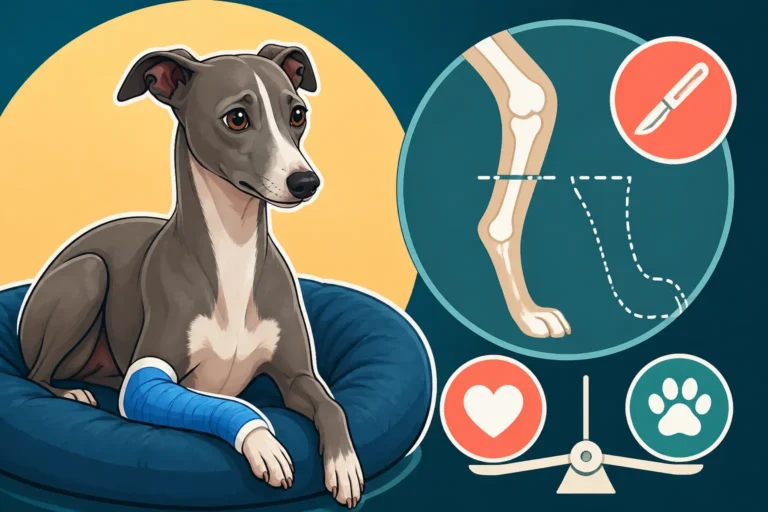
- Amputation: In the absolute worst-case scenario, if the fracture is too severe, if complications are untreatable, or if repeated surgeries fail, amputation might be the only option to provide the dog with a pain-free life. The cost of amputation can range from $1,500 to $4,000. Our article on What Amputation Costs on an Italian Greyhound provides more information on this difficult decision.
A second surgery or managing a severe complication can easily add another $2,000 to $5,000 or more to the total bill, turning an already expensive situation into a truly staggering one. It's a devastating prospect, but one owners must be aware of when considering fracture repair.
Budgeting for the Unpredictable: Financial Preparedness
The reality of Italian Greyhound ownership means acknowledging the inherent fragility of their bones. While we never want it to happen, preparing for a potential fracture is a responsible part of being an Iggy parent.
The True Total: A Look at Average Costs
To give you a clearer picture, here’s a table summarizing the general cost ranges you might expect for an Italian Greyhound fracture repair. Keep in mind these are estimates and can vary based on location, clinic, and fracture severity.
| Cost Category | Estimated Range (USD) | What it Includes |
|---|---|---|
| Emergency Exam & Stabilization | $200 – $800 | Initial assessment, pain meds, temporary splint |
| Diagnostic X-rays | $300 – $700 | Multiple views, radiologist interpretation |
| Surgical Repair (Internal) | ||
| Plate & Screws (moderate) | $3,000 – $6,000 | Surgeon fee, anesthesia, implants, 1-2 nights hospital |
| Pins & Wires (simpler) | $2,000 – $4,500 | Surgeon fee, anesthesia, implants, 1 night hospital |
| External Fixator (complex) | $3,500 – $7,000+ | Surgeon fee, anesthesia, implants, hospital, complex setup |
| Post-Operative Medications | $100 – $300 | Oral pain relievers, anti-inflammatories, antibiotics |
| Follow-up X-rays (multiple sets) | $400 – $1,000+ | 2-4 sets of radiographs during healing |
| Physical Rehabilitation | $500 – $2,000+ | Multiple sessions over several weeks/months |
| Potential Complications | ||
| Revision Surgery | $2,000 – $5,000+ | Additional surgery for failed repair, infection, non-union |
| Amputation | $1,500 – $4,000 | Surgeon fee, anesthesia, post-op care |
| Total (without complications) | $4,500 – $11,000+ | |
| Total (with complications) | $6,500 – $16,000+ |
As you can see, the overall cost of a broken leg can easily fall into the thousands, often rivaling or exceeding costs associated with human medical emergencies.
The Role of Pet Insurance
This is where pet insurance becomes an incredibly valuable tool. Many Italian Greyhound owners realize the wisdom of investing in pet insurance before an accident happens. Policies like those offered by Healthy Paws can cover a significant portion of eligible accident and illness costs, including fracture repair, diagnostics, surgery, hospitalization, and even rehabilitation.
However, it's crucial to understand how pet insurance works. Most policies have a waiting period before coverage kicks in for accidents. This means you can't buy a policy the day your dog breaks a leg and expect it to be covered. It's truly a "plan ahead" tool. Also, pre-existing conditions are generally not covered. It's always best to enroll your Italian Greyhound when they are young and healthy. When considering insurance, research different providers and their coverage for orthopedic issues. A good policy from a company like Healthy Paws can truly be a lifesaver when faced with a five-figure vet bill. For proactive financial strategies, consider Budgeting for an Italian Greyhound's Broken Leg Before It Happens.
Emergency Funds and Other Financial Options
If pet insurance isn't an option or doesn't cover the full extent of the costs, having an emergency fund specifically for your Italian Greyhound is highly recommended. Aim to have at least $5,000 to $10,000 set aside if possible.
Other financial options include:
- Veterinary Payment Plans: Many clinics offer payment plans through third-party services like CareCredit or Scratchpay. These often provide interest-free periods if paid within a certain timeframe.
- Personal Loans/Credit Cards: While not ideal due to interest rates, these can be a last resort.
- Crowdfunding: Platforms like GoFundMe can help raise funds, though success varies.
- Breed-Specific Rescues/Foundations: Some Italian Greyhound rescues or breed-specific foundations might offer financial assistance in extreme cases.
It's a heavy burden, but knowing your options can make a terrifying situation slightly more manageable. Understanding How Owners Finance an Italian Greyhound Emergency is a key piece of preparation for any dedicated owner.
Disclaimer
The information provided in this article is for general informational purposes only and does not constitute veterinary advice. Always consult with a qualified veterinarian or veterinary specialist for any health concerns or before making any decisions about your pet's medical care. Costs can vary significantly based on location, veterinary practice, and the specifics of your dog's condition.