What X Rays Cost on an Italian Greyhound
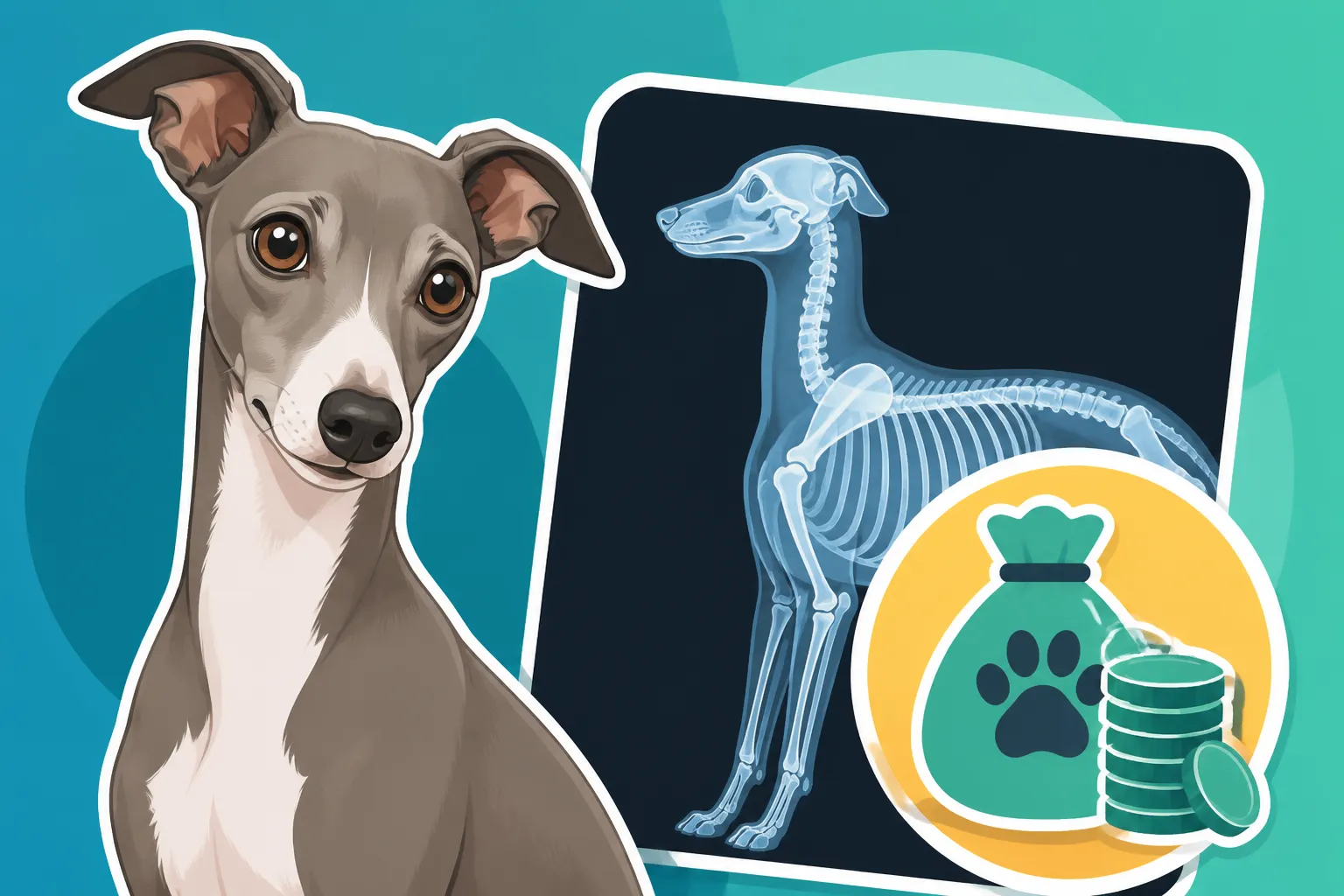
The moment your beloved Italian Greyhound shows signs of pain, especially if it's sudden or after a clumsy tumble, your heart sinks. You instantly worry about what might be wrong, and then, almost immediately, your mind jumps to the dreaded vet bill. One of the first diagnostic tools your vet will likely recommend is an X-ray, and it's completely natural to wonder what that's going to cost. This guide will help you understand the factors influencing X-ray expenses for your delicate companion, so you can be better prepared for those unavoidable vet visits.
When X-Rays Become a Necessity for Your Italian Greyhound
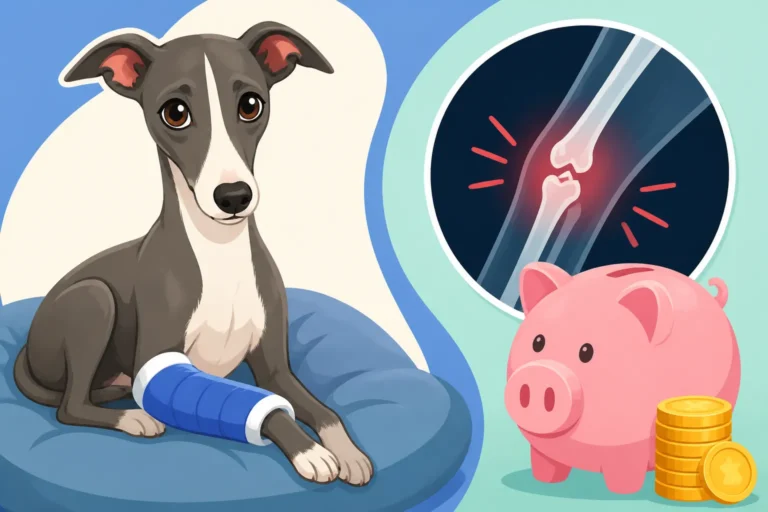
Italian Greyhounds are exquisite creatures, known for their delicate build and often boundless energy. Unfortunately, this combination can sometimes lead to situations where X-rays are not just helpful, but absolutely vital. Their slender bones, particularly in the legs, are notoriously fragile, making them prone to fractures from what might seem like minor incidents. A wrong jump off the sofa, a misstep during a zoomie, or an accidental drop can quickly turn into a trip to the emergency vet, and the first order of business will almost always be imaging.
Beyond sudden accidents, X-rays are also crucial for diagnosing a range of other internal issues that aren't immediately visible. Sometimes your Italian Greyhound might be lethargic, refusing to eat, or experiencing unexplained vomiting. These symptoms could point to something as serious as an internal obstruction from eating something they shouldn't have, or a foreign body lodged in their digestive tract. In these cases, X-rays help your veterinarian pinpoint the problem without invasive surgery, guiding the next steps for treatment. It’s about getting a clear picture of what’s happening inside their tiny bodies, so you can move past the terrifying unknown. What an Italian Greyhound's Emergency Vet Visit Costs
Another common reason for X-rays in Italian Greyhounds, especially as they get older, relates to chronic pain or mobility issues. Arthritis, disc problems, or even certain developmental orthopedic conditions like Legg Calve Perthes Turns Up in an Italian Greyhound at Six Months can manifest as limping or reluctance to move. X-rays can show changes in joints, bone spurs, or spinal alignment that explain why your dog is no longer moving with their usual grace. They provide the objective evidence needed to differentiate between muscle strain and a more serious skeletal issue, ensuring your Iggy gets the right treatment to maintain their quality of life.
Factors Influencing the Cost of Italian Greyhound X-Rays
The cost of X-rays for your Italian Greyhound isn't a fixed price tag; it varies significantly based on several key factors. Understanding these can help you anticipate the bill more accurately. First and foremost is the location of the veterinary practice. Just like human healthcare, vet costs can be higher in urban areas or regions with a higher cost of living compared to rural clinics. A specialist veterinary hospital in a major city, for example, might have higher overheads and therefore higher prices than a small-town general practice. It's not uncommon for a basic X-ray series to have a different baseline price from one state to another, or even across different neighborhoods in the same city.
The number of views or areas being X-rayed also plays a huge role. If your Italian Greyhound has a suspected broken leg, the vet will likely need at least two views (e.g., side-to-side and front-to-back) of the affected limb to get a comprehensive look at the fracture. If they suspect internal issues like an obstruction, they might need a series of abdominal X-rays taken over a few hours to track the movement of material through the digestive tract. Each additional view or body area scanned typically adds to the overall cost. For complex cases, such as identifying if Why an Italian Greyhound's Radius Is the Bone That Breaks requires multiple angles to assess, the number of images required can quickly add up.
Sedation or anesthesia is another major cost factor that often isn't optional for Italian Greyhounds. While some very calm dogs might tolerate X-rays without chemical restraint, Iggies are often too anxious or too prone to movement to get clear images, especially if they're in pain. For something like a leg fracture, preventing movement is paramount to avoid further injury. Sedation ensures the dog lies still, allowing for sharp, diagnostic images and reducing stress for both your pet and the veterinary team. This adds the cost of pre-sedation bloodwork, the sedatives themselves, and the monitoring required during the process. This is particularly important for sighthounds, who can be sensitive to certain medications, making careful monitoring essential. Why Anesthesia Is Handled Differently in an Italian Greyhound
Finally, emergency services versus scheduled appointments will almost always affect the price. If your Italian Greyhound breaks a leg on a Saturday night and needs immediate X-rays at an emergency veterinary clinic, you can expect to pay a premium for the after-hours care. Emergency clinics are staffed 24/7 and are equipped to handle critical situations, which naturally comes with a higher price point than a routine diagnostic X-ray performed during normal business hours at your regular vet. It’s part of the trade-off for having immediate access to life-saving care when you need it most.
Here's a breakdown of common factors influencing X-ray costs:
| Factor | Impact on Cost |
|---|---|
| Clinic Type/Location | Higher in urban areas, emergency clinics, or specialist hospitals. |
| Number of Views | Each additional angle or body area (e.g., leg, abdomen, chest) increases the total. |
| Sedation/Anesthesia | Adds costs for pre-sedation bloodwork, medication, and monitoring. Often necessary for Iggies or painful injuries. |
| Emergency vs. Routine | Significantly higher for after-hours or urgent care at an emergency clinic. |
| Veterinarian Expertise | Specialist veterinary radiologists may charge more for complex interpretations. |
Managing X-Ray Expenses for Your Italian Greyhound
When faced with a sudden vet bill for X-rays, it can feel overwhelming. However, there are several strategies you can employ to manage these costs and ensure your Italian Greyhound gets the care they need without breaking the bank. One of the most impactful strategies is having pet insurance. Companies like Healthy Paws offer various plans that can cover a significant portion of accident and illness costs, including diagnostics like X-rays. If you have a plan with a good reimbursement rate and deductible, it can turn a daunting emergency bill into a much more manageable expense. However, remember that insurance typically doesn't cover pre-existing conditions, so it's best to enroll your Iggy when they are young and healthy. What Pet Insurance Actually Covers on an Italian Greyhound
Another approach is to openly discuss costs with your veterinarian. Don't be afraid to ask for an estimate before any procedures are performed. Most clinics are very transparent about their pricing and can provide a detailed breakdown of expected charges. If the initial estimate is too high, ask if there are alternative diagnostic options, or if a payment plan is available. Some clinics work with third-party financing options that allow you to spread out payments over time, often with deferred interest for a set period. This upfront conversation can alleviate a lot of stress and help you make informed decisions about your pet's care.
For less urgent, non-emergency X-rays, shopping around (within reason) can sometimes yield different price points. While you never want to compromise on quality of care, if your regular vet's X-ray machine is down, or if you're seeking a second opinion, calling a few local general practices for their pricing estimates can be worthwhile. Just ensure any clinic you consider has a good reputation and is familiar with the specific needs of sighthounds, especially when sedation is involved. For certain prescription diets or ongoing supplies that might be related to conditions found on X-rays, checking online retailers like Chewy can often save you a bit compared to direct vet purchases, though always confirm with your vet before changing any regimen.
Finally, consider establishing an emergency fund specifically for your Italian Greyhound. Even with insurance, deductibles and co-pays mean you'll still have out-of-pocket expenses. Setting aside a dedicated savings account, even with small, regular contributions, can provide a buffer for unexpected costs like emergency X-rays for a suspected fracture. Many Italian Greyhound owners find that Budgeting for an Italian Greyhound's Broken Leg Before It Happens is a prudent step given the breed's propensity for bone injuries. Having that financial cushion means you can focus on your pet's well-being rather than stressing over how to pay the bill.
Beyond the X-Ray: Potential Follow-Up Costs and Long-Term Care
Receiving the results of your Italian Greyhound's X-rays is just the first step. Depending on what the images reveal, there could be significant follow-up costs and a need for long-term care that you need to be aware of. If the X-rays confirm a broken bone, you're likely looking at a referral to an orthopedic specialist and potentially surgery. What Fracture Surgery Costs on an Italian Greyhound can be substantial, often involving plates, pins, or external fixators, and then a lengthy recovery period with follow-up X-rays to monitor healing. This recovery can involve medications for pain and inflammation, specialized wraps, and strict crate rest, all of which add to the overall expense and commitment.
For internal issues, such as an obstruction, X-rays might be followed by an ultrasound for a more detailed view, or even exploratory surgery if the obstruction needs to be removed. Dietary changes, ongoing medications, or even a switch to a specialized food (like some options offered by Ollie, which can be tailored to specific needs) might be necessary for conditions like inflammatory bowel disease that might show up on imaging. Each of these steps contributes to the cumulative cost of getting your Italian Greyhound back to health and maintaining their well-being in the long run.
Chronic conditions diagnosed via X-ray, like severe arthritis or hip issues, often require ongoing management. This might include daily pain medication, joint supplements, physical therapy, or even periodic injections. These aren't one-time expenses but continuous costs that need to be factored into your budget for the remainder of your dog's life. While the initial X-ray bill might seem high, it’s crucial to understand that it’s often just the gateway to a more comprehensive treatment plan. Proactive care, even in something as routine as Periodontal Disease Is the Italian Greyhound's Most Common Diagnosis – which can sometimes require dental X-rays – is always more cost-effective than waiting for a crisis.
Ultimately, while the potential costs associated with X-rays and subsequent treatments can feel daunting, the peace of mind and the ability to provide your Italian Greyhound with the best possible care are invaluable. Being informed, financially prepared, and having a trusting relationship with your vet are your best assets in navigating the health journey of your beloved companion.
Disclaimer
This article is for general informational purposes only and does not constitute professional advice. Laws, prices and regulations vary by location and change over time. Consult a qualified professional for guidance on your specific situation.