What Plating an Italian Greyhound’s Radius Costs
Discovering your beloved Italian Greyhound has a broken leg is one of the most terrifying moments a dog owner can experience. The immediate rush of fear for their well-being is quickly followed by the sobering reality of vet visits, potential surgery, and the inevitable question: "How much is this going to cost?" When it comes to a radius fracture, a common injury for our delicate Iggys, the costs can be substantial and complex. This guide will walk you through the various financial aspects of plating an Italian Greyhound's broken radius, helping you understand where your money goes and what to anticipate.
The Immediate Shock: Understanding Why Plating is Often Necessary
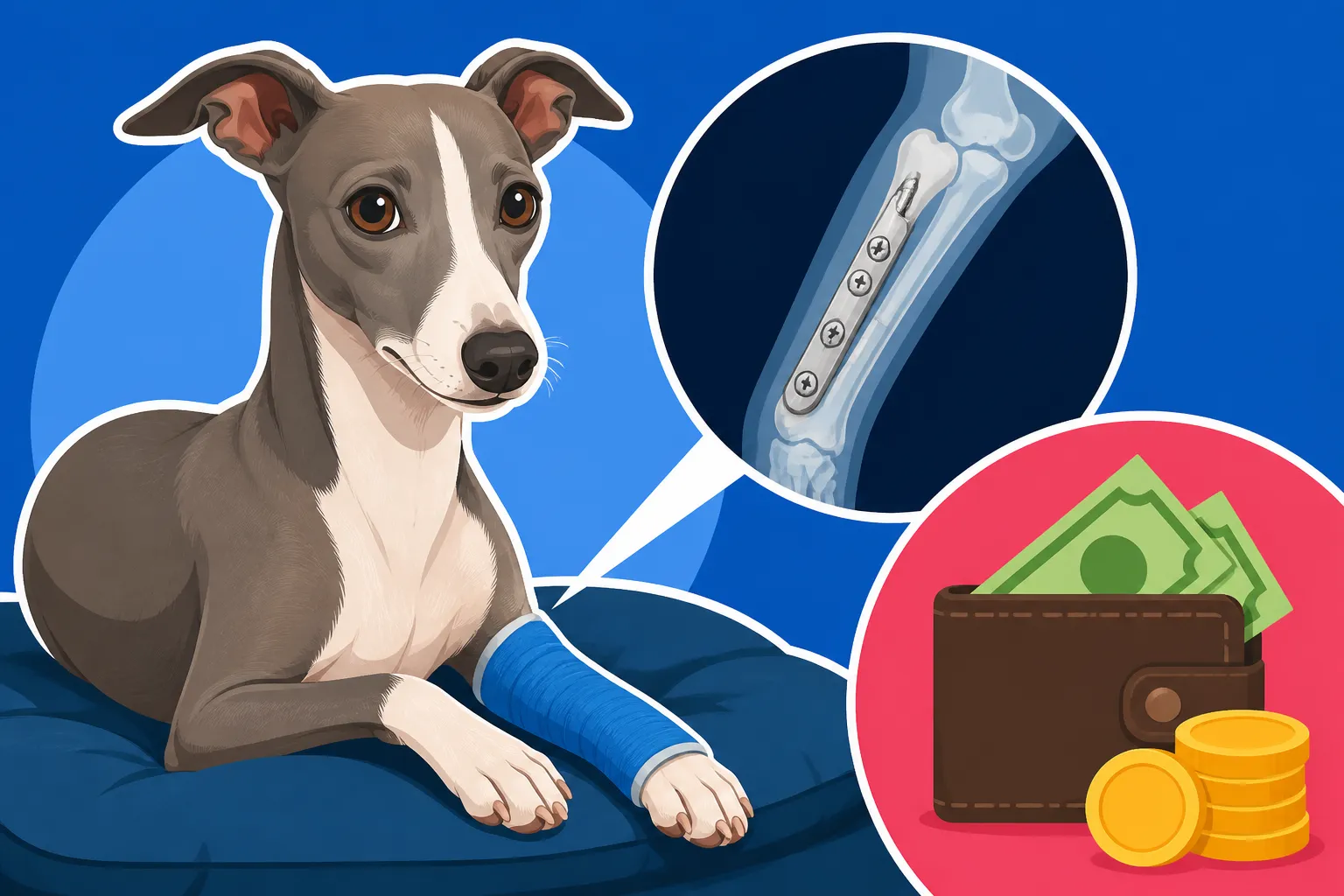
When your Italian Greyhound breaks its leg, especially the radius, it’s not usually a simple bandage job. These are incredibly fine-boned dogs, and their bones are often likened to porcelain in their delicate structure. A radius fracture, in particular, affects one of the two long bones in the forearm, a critical weight-bearing bone. Unlike some other breeds or less severe breaks, an Italian Greyhound's radius fracture often requires internal stabilization with a plate and screws. This isn't just about getting the bone to heal; it's about ensuring proper alignment, stability, and the best chance for your dog to regain full function of its leg. The decision for plating is almost always driven by the specific anatomy of the Italian Greyhound and the nature of these common fractures, which are often comminuted (shattered) or oblique, making external casting unreliable. You might hear your vet discuss Why an Italian Greyhound's Radius Is the Bone That Breaks.
It's a frustrating reality for Italian Greyhound owners that these tiny dogs, despite their athleticism and zest for life, are prone to such serious injuries. We try our best to safeguard them, using ramps and restricting their access to high furniture, but accidents happen in a blink. The emotional toll is immense, and then the financial considerations hit.
The Initial Diagnostics: Unpacking the First Wave of Costs
Before any surgery can even be considered, your vet needs to get a clear picture of the injury. This initial diagnostic phase is crucial but also where the first significant costs begin to accumulate.
Emergency Vet Visit and Assessment Fees
If your Iggy has just broken its leg, your first stop will likely be an emergency veterinary clinic or your regular vet if it happens during business hours. These initial visits carry an examination fee, which can be higher for emergency or after-hours consultations. The vet will perform a thorough physical exam to assess the extent of the injury, check for any other trauma, and stabilize your dog. This often involves pain medication and perhaps a temporary splint to prevent further damage during transport or waiting for diagnostics.
Imagine rushing in with your crying Iggy, trying to hold them still while the vet gently palpates their tiny leg. You're overwhelmed, and the vet is focused on patient care, but behind the scenes, the clock is ticking and the costs are starting to add up.
X-Rays and Imaging
X-rays are non-negotiable for diagnosing a fracture. They show the exact location, type, and severity of the break. For an Italian Greyhound's delicate bones, multiple views are often necessary to get a comprehensive understanding. These X-rays might be taken by your primary vet, but if the fracture is complex, or if your vet suspects other issues, they might recommend referral to a specialist for more advanced imaging or surgical consultation right away. These imaging costs cover the technical fees for taking the radiographs, as well as the veterinary radiologist's interpretation.
Sometimes, in very complicated cases, a CT scan might even be recommended, though this is less common for a straightforward radius fracture. It's more likely if there are concerns about joint involvement or very intricate bone fragments that X-rays might miss.
Surgical Expenses: The Core of the Plating Bill
The actual surgical procedure to plate an Italian Greyhound's radius is the largest component of the overall cost. This isn't a simple procedure; it requires specialized skills, equipment, and a sterile environment.
Anesthesia and Monitoring
Before any surgery, your Iggy will need general anesthesia. This isn't a one-size-fits-all process, especially for sighthounds like Italian Greyhounds. They are known for being sensitive to certain anesthetic agents and can be prone to hypothermia due to their low body fat. Why a Nine Pound Italian Greyhound Gets Cold on the Table is a real concern. The anesthesia cost includes pre-anesthetic bloodwork to ensure your dog is healthy enough for surgery, the anesthetic drugs themselves, and the constant monitoring by a dedicated veterinary technician. This monitoring includes heart rate, breathing, blood pressure, oxygen saturation, and temperature regulation throughout the entire procedure.
This personalized approach to anesthesia for sighthounds adds a layer of expertise and therefore cost. It’s absolutely essential for your dog’s safety, but it’s a factor many owners might not initially consider in the total bill.
Surgeon's Fees and Implant Costs
This is where the bulk of the expense lies. Plating a small, delicate bone like an Italian Greyhound's radius requires a highly skilled veterinary orthopedic surgeon. This is often not your regular general practitioner vet, but a specialist who has undergone extensive additional training and certification. Their expertise is invaluable. The surgeon's fee covers their time, skill, and the complexity of the procedure. For many owners, Finding a Surgeon Who Has Plated an Italian Greyhound is a critical step, as not all general practitioners have the necessary experience with these specific fractures.
The implants themselves – the small, specialized titanium or stainless steel plate and screws – are also a significant cost. These aren't off-the-shelf items; they are medical-grade devices designed for precise bone fixation. The number and size of screws, and the specific type of plate needed, will depend on the individual fracture. Sometimes, bone graft material might also be used to encourage healing, adding another element to the implant costs.
Operating Room and Hospitalization
The surgical suite is a sterile environment, meticulously maintained and equipped with advanced tools. The cost often includes a fee for using the operating room, as well as the time your dog spends in recovery at the veterinary hospital. Post-operative hospitalization allows the veterinary team to monitor your Iggy closely for pain, swelling, and any immediate complications. They'll manage pain, administer antibiotics, and ensure your dog is warm and comfortable as they wake up from anesthesia. The length of stay can vary from overnight to several days, depending on the individual case and the surgeon's protocols.
Hidden and Ancillary Costs: Beyond the Surgery Itself
While the surgery is the big-ticket item, it’s far from the only expense. Many owners are surprised by the ongoing costs associated with fracture recovery, which can add up quickly.
Follow-Up X-Rays and Examinations
Once the surgery is complete, your Iggy’s healing journey is just beginning. You'll have multiple follow-up appointments, often involving more X-rays, to ensure the bone is healing correctly and the plate and screws are stable. These follow-up X-rays are crucial for tracking progress and are usually done at several weeks and then months post-op. Each set of X-rays and associated examination fees will be an additional cost.
It’s disheartening to pay for more X-rays after such an expensive surgery, but they are vital for confirming the healing process and making sure there are no complications developing, like loosening implants. You can expect this process to continue for several months, until the bone is fully consolidated.
Pain Management and Medications
Your Italian Greyhound will need a regimen of pain medication, anti-inflammatories, and sometimes antibiotics for weeks or even months after surgery. These medications are essential for their comfort and recovery, but they represent a recurring expense. Keeping them comfortable is paramount, as pain can hinder their ability to rest and heal properly.
You might also need supplements or other supportive medications, depending on the individual recovery plan. Your vet might recommend specific joint supplements to aid in long-term joint health, especially if the fracture was near a joint.
Physical Rehabilitation and Therapy
For many Italian Greyhounds recovering from a severe fracture, physical rehabilitation is not just recommended, it's essential for regaining full function. This can include hydrotherapy, therapeutic exercises, massage, and even laser therapy. These sessions are often performed by a certified canine rehabilitation therapist and can significantly improve recovery time and outcome. What Rehab Costs After an Italian Greyhound's Fracture can vary widely depending on the number of sessions and the specific therapies involved.
Think of it like human physical therapy after a serious injury – it’s not optional if you want to get back to 100%. For an Italian Greyhound, who loves to run and play, these therapies are vital for rebuilding muscle and restoring range of motion.
Specialized Recovery Equipment
You might also need to invest in specialized equipment for your home to ensure a safe recovery environment. This could include:
- A crate: To restrict movement and ensure your Iggy gets enough rest. How Long an Italian Greyhound Stays Crated After Surgery can be quite long, so a comfortable setup is key.
- Ramps or steps: To prevent jumping onto and off furniture, which could re-injure the leg.
- Non-slip mats or runners: If you have hard floors, these are crucial to prevent slips that could put stress on the healing leg. Brands like Chewy often carry a wide range of these practical items.
- Specialized bedding: Orthopedic beds can provide better support for a recovering dog.
These items, while seemingly small, can add to the overall cost of recovery and are often overlooked in initial estimates.
Financial Planning and Support: Preparing for the Unexpected
Facing these costs can be incredibly daunting, and it's something every Italian Greyhound owner should prepare for. These dogs are delicate, and while we hope for the best, it's wise to plan for the possibility of a broken leg. Budgeting for an Italian Greyhound's Broken Leg Before It Happens is truly the best strategy.
Pet Insurance
For many owners, pet insurance is a lifesaver when a major unexpected medical expense like a plated fracture arises. While it won't cover pre-existing conditions, if you enroll your Iggy before any issues occur, a good policy can cover a significant portion of the surgical and rehabilitation costs. It's crucial to understand the deductible, reimbursement percentage, and annual limits of your policy. Companies like Healthy Paws are popular choices among pet owners for their comprehensive accident and illness plans. While pet insurance has its own monthly premium, the peace of mind it offers during an emergency is invaluable.
It's heartbreaking to think of economic euthanasia, but it's a real consideration for some families. Pet insurance can make the difference between being able to afford life-saving surgery and facing an impossible choice.
Emergency Savings and Payment Plans
If pet insurance isn't an option or doesn't cover all costs, having an emergency fund specifically for your pet is highly recommended. Many veterinary clinics also understand the financial strain and offer payment plans or work with third-party financing options like CareCredit. Don't hesitate to discuss these options with your vet's office manager. They are often very empathetic and want to help you get your dog the care it needs.
Sometimes, Italian Greyhound rescue organizations can also offer limited financial assistance or advice on navigating these costs, so it’s worth reaching out to them if you’re struggling.
An Illustrative Cost Breakdown for Plating an Italian Greyhound's Radius
Keep in mind these figures are illustrative ranges and can vary dramatically based on your geographic location (major city vs. rural area), the specific veterinary hospital, the surgeon's fees, and the complexity of the fracture. You should always get a detailed estimate from your veterinary surgeon.
| Cost Component | Estimated Range (Illustrative) | Notes |
|---|---|---|
| Emergency Exam & Initial Stabilization | $150 – $500 | Higher for after-hours/specialty emergency clinics. |
| X-Rays & Diagnostics | $200 – $800 | Includes multiple views and potentially specialist interpretation. |
| Pre-Anesthetic Bloodwork | $100 – $300 | Essential for assessing anesthetic risk, especially for sighthounds. |
| Anesthesia & Monitoring | $500 – $1,500 | Tailored protocols for sighthounds, continuous monitoring by dedicated staff. |
| Surgeon's Fees | $2,000 – $6,000 | Reflects specialist orthopedic surgeon's expertise and time. This is the core cost of the specific procedure. |
| Implants (Plate & Screws) | $500 – $2,000 | Cost depends on type, size, and number of implants needed for the specific fracture. |
| Operating Room & Hospitalization | $500 – $1,500 | Covers facility usage, post-op care, pain management during initial recovery. |
| Post-Operative Medications | $100 – $300+ | Pain relievers, anti-inflammatories, antibiotics. |
| Follow-Up Exams & X-Rays | $300 – $1,000+ | Multiple visits over several months, each with exam and X-ray fees. |
| Physical Rehabilitation | $50 – $150 per session | If recommended, multiple sessions (e.g., 8-12+) can add significant cost. |
| Total Estimated Range (Excluding Rehab) | $4,350 – $14,900+ | This range is broad and depends heavily on location, vet, and fracture complexity. This figure does not include the potential for complications or a second surgery, which can happen. For example, What a Second Surgery Costs on an Italian Greyhound can quickly double your bill. |
It's clear that the cost for plating an Italian Greyhound's radius can easily run into thousands of dollars. This is why having a plan in place, whether it's robust pet insurance from a provider like Healthy Paws or a dedicated savings fund, is so important for every Iggy parent. Even mundane aspects of daily care might need adjustment – for instance, a picky eater during recovery might benefit from more palatable food options, perhaps from services like Ollie, adding to your grocery budget.
Ultimately, the goal is always to provide our beloved Italian Greyhounds with the best possible chance at a full recovery. While the financial burden is undeniable, the joy and companionship they bring are, for many, priceless.
Disclaimer
This article is for general informational purposes only and does not constitute professional advice. Laws, prices and regulations vary by location and change over time. Consult a qualified professional for guidance on your specific situation.