What a Second Surgery Costs on an Italian Greyhound
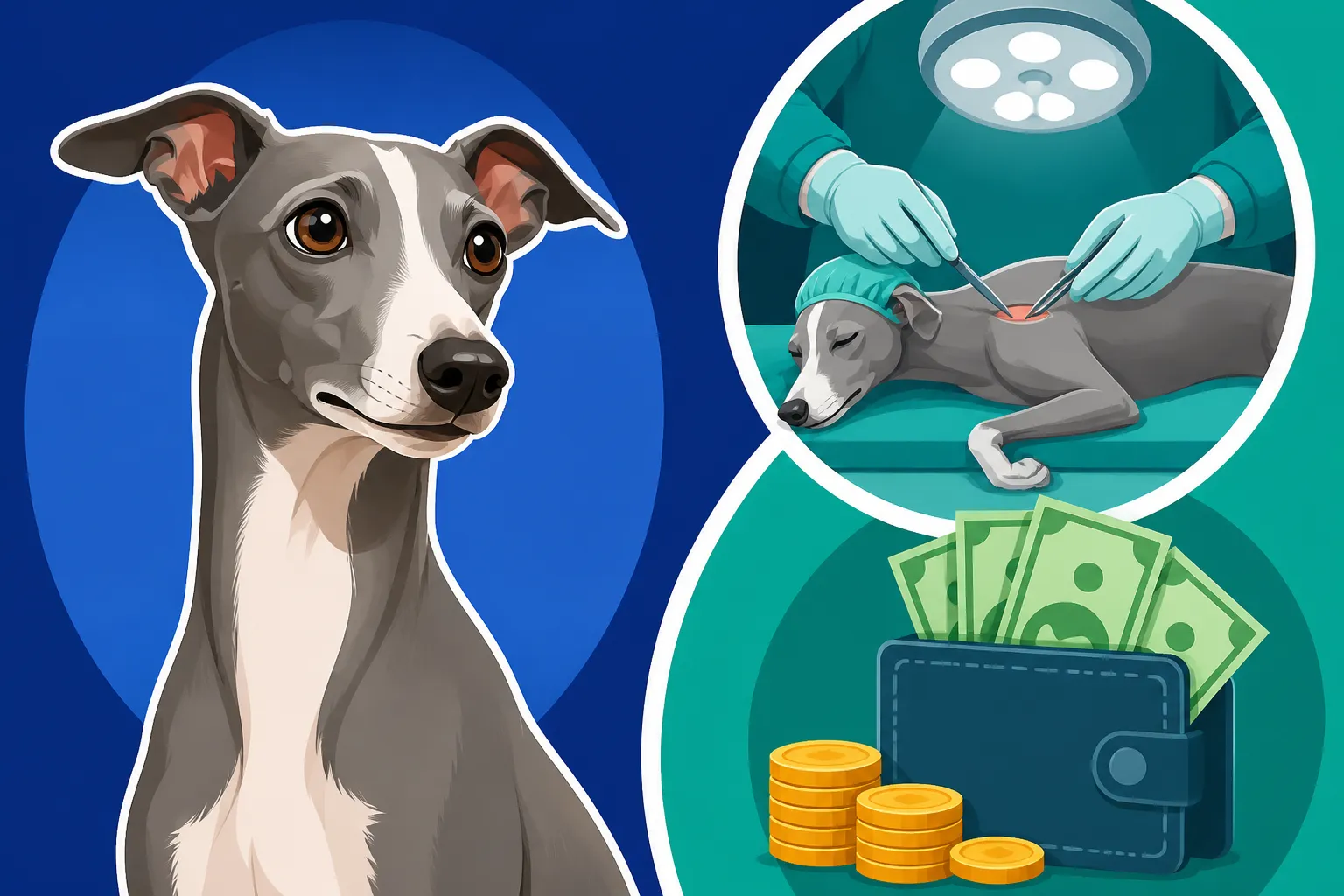
The realization that your beloved Italian Greyhound might need a second surgery is a gut punch, isn't it? After the stress and expense of the first procedure, whether it was for a broken leg, a dental issue, or something else entirely, the thought of going through it all again can feel overwhelming. This guide is here to walk you through what a second surgery on an Italian Greyhound might entail, particularly focusing on the costs involved and how to prepare for such an event.
Why a Second Surgery Might Even Be Necessary for Your Italian Greyhound
It’s heartbreaking to think that your sweet Italian Greyhound, already recovering from one ordeal, might face another trip to the operating table. Unfortunately, there are several scenarios where a second surgery becomes a necessary, albeit unwelcome, part of their health journey. These aren't just theoretical possibilities; they are real situations that many Italian Greyhound owners have faced.
Complications from a Previous Surgery
Sometimes, despite everyone's best efforts, the first surgery doesn't go exactly as planned, or complications arise during the recovery period. This can be incredibly frustrating because you did everything right, followed all the post-op instructions, and still, here you are. Common complications that might necessitate a second surgery include:
- Infection: Surgical sites can sometimes become infected, even with diligent care. If antibiotics alone aren't enough to clear it, a second surgery might be needed to clean out the infected tissue and ensure proper healing. This is particularly concerning with bone surgeries, where infection can compromise the bone's ability to heal.
- Implant Failure: For something like a broken bone repair where plates, pins, or screws were used, these implants can sometimes loosen, break, or migrate. This isn't usually due to a fault in the surgery itself, but rather the unique challenges of healing in such a tiny, active breed. A loose pin can cause pain and prevent the bone from mending properly, requiring a follow-up procedure to remove or replace the hardware. Why Pins Loosen in an Italian Greyhound's Bone discusses this in more detail.
- Non-Union or Malunion: In bone fractures, a "non-union" means the bone isn't healing together at all, while a "malunion" means it's healing incorrectly, leading to a deformed limb. Both scenarios often require a second surgery to correct the alignment, apply new fixation, or even perform a bone graft to stimulate healing. This can happen if the initial stabilization wasn't robust enough for an active Italian Greyhound, or if there were underlying issues with blood supply to the bone.
New Injuries or Unrelated Health Issues
It's a tough truth, but Italian Greyhounds, with their delicate builds and boundless energy, can be prone to various health challenges. A second surgery might not even be related to the first one at all, but rather a completely new problem. This is where the emotional and financial strain can truly feel relentless.
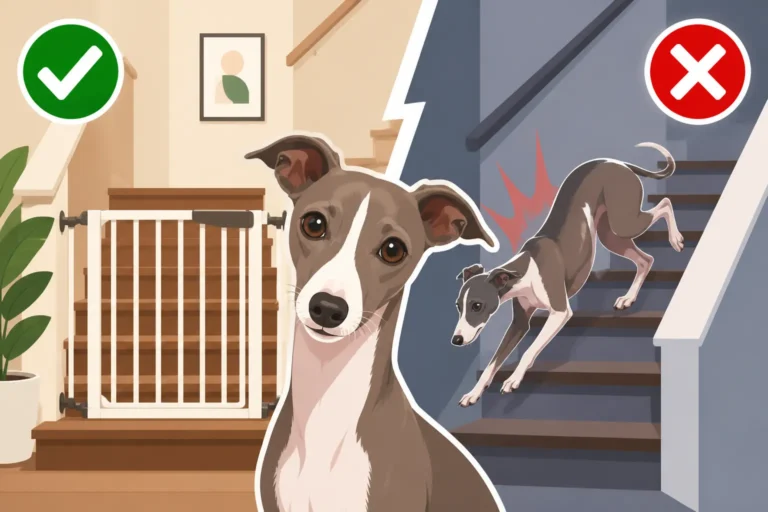
- Another Fracture: One of the most common fears for an Italian Greyhound owner is another broken bone. They are known for their fragile bones, especially the radius and ulna, and a simple jump off the sofa can lead to disaster. If your Italian Greyhound has already had one fracture repaired, the risk of a new break, perhaps on the other leg, is always a looming concern. This new injury would, of course, necessitate its own surgery. You can find more information about preventing these types of injuries in How High an Italian Greyhound Can Safely Land.
- Dental Disease Progression: Italian Greyhounds are notoriously susceptible to dental issues due to their small mouths and crowded teeth. If your IG had a dental cleaning and some extractions a year or two ago, it’s highly probable they’ll need another one down the line as new tartar builds up and more teeth become problematic. This isn't a "failure" of the first dental, but rather the ongoing management of a breed-specific predisposition. Periodontal Disease Is the Italian Greyhound's Most Common Diagnosis delves deeper into this common issue.
- Emergence of Other Conditions: As Italian Greyhounds age, they can develop other conditions that require surgical intervention, such as tumor removal, patellar luxation repair, or even eye surgeries like cataract removal. These can pop up unexpectedly, adding to the list of potential surgeries your dog might face over their lifespan.
The Factors That Drive the Cost of a Second Italian Greyhound Surgery
When it comes to the cost of a second surgery, it's rarely a flat fee. There are so many variables at play, and understanding them can help you mentally prepare, even if you can't get an exact quote upfront. It's a complex picture, and often, the "sticker shock" comes from all the hidden costs that aren't just the surgeon's fee.
Type and Complexity of the Procedure
Just like with humans, not all surgeries are created equal. The nature of the procedure itself is the primary driver of cost. A simple soft tissue removal will naturally be less expensive than a complex orthopedic repair that requires specialized implants and expertise.
- Soft Tissue vs. Orthopedic: A follow-up surgery for a skin infection or a small benign growth removal will generally be on the lower end of the cost spectrum. These procedures often involve less specialized equipment, shorter anesthesia times, and less intensive post-operative care. However, if the second surgery is to correct a failed orthopedic repair, like replacing a broken plate or performing a bone graft for a non-union, the costs will skyrocket. Orthopedic surgeries demand specialized training, often from a board-certified veterinary surgeon, and require expensive hardware and sophisticated imaging.
- Specialist Fees: Many second surgeries, especially those correcting complications or addressing complex issues, are performed by specialists. These vets have extensive additional training and experience in specific fields (e.g., orthopedics, internal medicine, ophthalmology). Their expertise is invaluable, but it comes at a premium compared to a general practitioner. Finding a surgeon who is specifically familiar with the delicate bones of an Italian Greyhound can make a huge difference in outcome, but their fees will reflect that niche skill set. Finding a Surgeon Who Has Plated an Italian Greyhound is a helpful resource here.
- Anesthesia and Monitoring: Regardless of the surgery type, anesthesia is a significant component of the cost. For Italian Greyhounds, who are particularly sensitive to certain anesthetic drugs and prone to hypothermia due to their low body fat, specialized protocols and constant monitoring are crucial. This often means a dedicated veterinary technician monitoring vitals, advanced equipment, and careful temperature regulation throughout the procedure, all of which add to the bill. Why a Nine Pound Italian Greyhound Gets Cold on the Table explains why this is so critical.
Pre- and Post-Operative Care
The surgery itself is only one piece of the puzzle. The care before and after the procedure often accounts for a substantial portion of the total expense, and it’s critical for a successful outcome. Skimping on these aspects can actually lead to more complications and even more surgeries down the line.
- Diagnostic Imaging: Before any second surgery, your vet will likely need to perform updated diagnostics. This could include X-rays, ultrasound, CT scans, or MRI, especially for orthopedic issues or to investigate internal complications. These imaging services are expensive, but they are absolutely vital for the surgeon to understand the full extent of the problem and plan the best approach. Without proper imaging, the surgery is essentially a shot in the dark.
- Medications and Supplies: Post-operative care for a second surgery often involves a cocktail of medications: pain relievers, anti-inflammatories, antibiotics, and sometimes muscle relaxants. You'll also need specialized supplies like bandages, e-collars, or even supportive harnesses. If your dog needs ongoing physical therapy or rehabilitation, those sessions and any required equipment (like slings or therapeutic exercises) will add significantly to the cost. Chewy or other online retailers can be a good source for some of these recovery supplies once your vet has given you the green light.
- Hospitalization and Follow-up Visits: Depending on the complexity of the surgery and your Italian Greyhound's recovery, they might need to stay at the veterinary hospital for a day or two for intensive monitoring. This means fees for their stay, nursing care, and any additional treatments. After they come home, there will be multiple follow-up appointments for bandage changes, staple removal, and recheck X-rays, each incurring its own consultation fee.
Strategies to Manage the Financial Burden of Repeat Surgeries
Facing a second surgery, especially with its associated costs, can feel incredibly daunting. But there are proactive steps you can take to soften the financial blow and ensure your Italian Greyhound gets the care they need. It's about planning ahead and knowing your options.
Pet Insurance and Emergency Funds
Having a safety net in place before you need it is paramount. Pet insurance isn't a magic bullet, but it can be a lifesaver for unexpected medical bills.
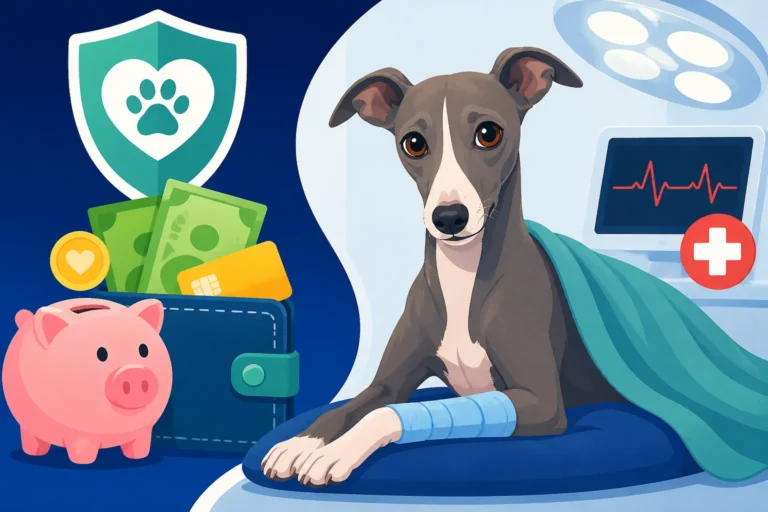
- Understanding Your Policy: If you have pet insurance, thoroughly review your policy. Most policies cover unexpected illnesses and injuries, which a second surgery due to complications or a new injury would fall under. However, remember the waiting periods for new policies and the exclusions for pre-existing conditions. If the second surgery is directly related to a condition that was present before your coverage started, it might not be covered. Companies like Healthy Paws offer various plans, and understanding what they cover (and what they don't) is key. Don't assume anything; call them and ask specific questions about your dog's history. What Pet Insurance Actually Covers on an Italian Greyhound offers a more general overview.
- Building an Emergency Fund: Even with insurance, you'll still have deductibles, co-pays, and potentially non-covered items. An emergency fund specifically for your pet's health is crucial. Set aside money regularly, even small amounts, into a dedicated savings account. This fund can cover those immediate costs that insurance doesn't, or provide a buffer if you haven't met your deductible yet. Aim for an amount that could cover at least one major emergency, as these can easily run into the thousands.
Discussing Options with Your Veterinary Team
Your veterinary team is your best ally. Don't be afraid to have an open and honest conversation about costs and alternatives. They want what's best for your Italian Greyhound too.
- Estimates and Payment Plans: Always ask for a detailed written estimate before any procedure. This should break down all the anticipated costs. If the estimate is daunting, inquire about payment plans. Many veterinary clinics work with third-party financing companies that offer deferred interest or low-interest payment options. Some clinics might also offer in-house payment plans for established clients, though this is less common for large, unexpected bills.
- Exploring Alternatives: While surgery is often the best or only option for certain conditions, sometimes there might be alternative treatments or less invasive approaches, especially for conditions that are recurring or less critical. For example, for ongoing dental issues, your vet might discuss more aggressive home care, or dietary changes if appropriate, alongside future dentals. While Ollie provides excellent nutrition, discuss any specific dietary needs for recovery or ongoing health with your vet first. Always discuss the pros and cons of these alternatives, including their effectiveness, potential side effects, and long-term outcomes.
- Prioritizing Procedures: If your Italian Greyhound has multiple issues needing attention, your vet can help you prioritize. Sometimes, one condition is more urgent or life-threatening than another. While it's easy to feel like everything needs to be fixed immediately, working with your vet to create a phased treatment plan might be more manageable financially.
| Cost Category | Description | Factors Influencing Cost |
|---|---|---|
| Diagnostic Fees | X-rays, ultrasound, CT/MRI scans to assess the problem and plan surgery. | Number of imaging views, type of imaging (X-ray vs. MRI), need for sedation for imaging, specialist radiologist review. |
| Anesthesia | Pre-anesthetic bloodwork, anesthetic drugs, gas, monitoring equipment, personnel. | Length of surgery, complexity of anesthesia (e.g., for sensitive breeds like IGs), specific drugs used, presence of an anesthesiologist. |
| Surgical Fees | Surgeon's time, sterile supplies, use of operating room. | Type of surgery (soft tissue vs. orthopedic), complexity of the repair, duration of the procedure, whether a specialist surgeon is required. |
| Implants/Hardware | Plates, screws, pins, wires, bone grafts (for orthopedic surgeries). | Type and number of implants, size of implants, specialized materials (e.g., titanium), cost of bone graft material. |
| Hospitalization | Overnight stays, IV fluids, pain management, nursing care, kennel fees. | Length of stay, level of nursing care required (e.g., intensive care), specific medications administered during stay. |
| Medications | Pain relief, antibiotics, anti-inflammatories, sedatives for home use. | Type and quantity of medications, brand vs. generic, need for specialized or compounded medications. |
| Follow-up Care | Recheck exams, bandage changes, staple/suture removal, repeat X-rays. | Number of follow-up visits, need for additional imaging, ongoing wound care supplies, physical therapy sessions. |
Considering Long-Term Care and Quality of Life
Sometimes, the financial and emotional toll of repeated surgeries can become overwhelming. It’s important to have honest conversations about your Italian Greyhound's overall quality of life and what you can realistically sustain.
- Prognosis and Recovery: Discuss the prognosis for a successful second surgery with your vet. What are the chances of a good outcome? How long will the recovery take, and what will it entail? How Long an Italian Greyhound Takes to Heal a Fracture can give you an idea of recovery times for bone issues. Understanding the full picture helps you weigh the investment against the potential benefits for your dog.
- Palliative Care: In some difficult situations, a second surgery might not offer a significant improvement in quality of life, or the risks might be too high. In these cases, your vet might discuss palliative care, which focuses on managing pain and discomfort to ensure your Italian Greyhound remains as comfortable as possible. This is a deeply personal decision, and there's no right or wrong answer. It’s about prioritizing their comfort and peace when curative options are no longer viable or desired.
- The Emotional Toll: Don't underestimate the emotional impact on yourself and your family. Repeated surgeries are stressful for everyone, including your Italian Greyhound. Acknowledging this and seeking support, whether from friends, family, or online communities of Italian Greyhound owners, is important. We all want the best for our IGs, and sometimes that best involves making incredibly tough choices.
Navigating the world of veterinary care for an Italian Greyhound, especially when multiple surgeries are needed, is a journey filled with financial and emotional hurdles. By understanding the reasons behind a second surgery, the components that drive its cost, and the strategies available to manage that expense, you can approach these challenges with a clearer head and make the most informed decisions for your beloved companion.
Disclaimer
This article is for general informational purposes only and does not constitute professional advice. Laws, prices and regulations vary by location and change over time. Consult a qualified professional for guidance on your specific situation.