Why Pins Loosen in an Italian Greyhound’s Bone
Experiencing your Italian Greyhound break a leg is one of the most terrifying moments a devoted owner can face. The relief you feel after surgery, seeing those pins and plates in place, can quickly turn into a fresh wave of anxiety if you suspect something isn't quite right with the repair. Owners often worry endlessly about complications, and one of the most disheartening is when the hardware meant to fix the bone starts to loosen. This guide will walk you through why this happens, what signs to look for, and what steps you'll need to take if your beloved IG's surgical pins begin to loosen.
The Unique Challenges of Italian Greyhound Bone Healing
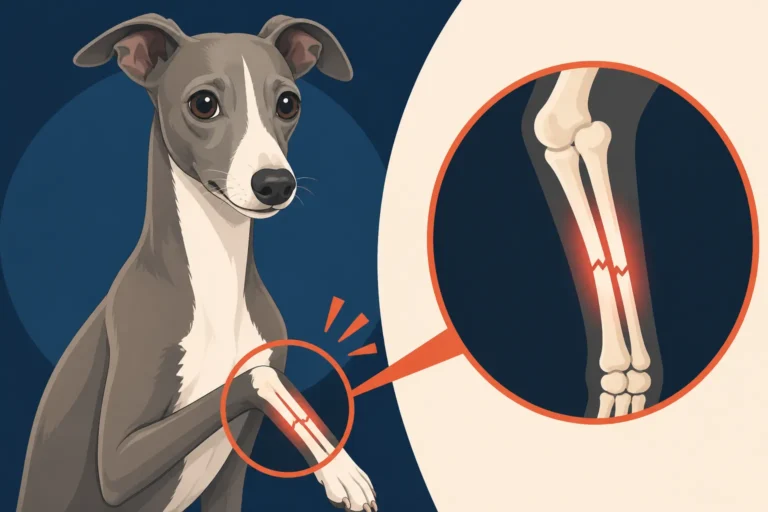
Italian Greyhounds are famously delicate, and their skeletal structure presents particular hurdles when it comes to fracture repair. Their bones, especially the radius and ulna in their front legs, are quite fine-boned and slender. This inherent fragility means that when a fracture occurs, it's often a complex break, and the bone itself can be challenging for surgical hardware to grip securely.
The Anatomy of an Italian Greyhound's Fragile Bones
Unlike larger, more robust breeds, Italian Greyhounds possess long, thin bones with a relatively dense outer layer (cortical bone) and a smaller inner marrow cavity. While this makes their bones strong for their size, it also means there's less cancellous (spongy) bone, which is crucial for good blood supply and healing. When a bone breaks, especially a long bone like the radius, the force is often concentrated, leading to spiral or comminuted (multiple fragment) fractures. These types of breaks are inherently less stable and more difficult to fix definitively, increasing the reliance on the implanted hardware. It’s no wonder so many owners are always on edge about Why an Italian Greyhound's Radius Is the Bone That Breaks.
The Role of Surgical Hardware in Healing
When an Italian Greyhound breaks a leg, surgical intervention is almost always necessary to achieve proper alignment and healing. Vets will often install small plates and pins, or sometimes an external fixator, to stabilize the bone fragments. The goal of this hardware is to hold the bone fragments perfectly still, allowing the body's natural healing processes to bridge the gap with new bone. This initial stability is paramount. If the bones are allowed to move even slightly, healing can be delayed, or worse, non-union can occur, meaning the bone fails to heal at all. The decision regarding Whether an Italian Greyhound's Fracture Needs a Plate is critical and based on the specific fracture type.
The pins and plates provide the necessary scaffolding, creating a stable environment for new bone growth. However, they are not meant to be permanent weight-bearing structures once the bone has healed completely. Their job is temporary, a bridge to full recovery.
Why Surgical Pins Can Loosen in an Italian Greyhound's Bone
The loosening of surgical pins or screws is a disheartening complication that can occur after an Italian Greyhound's fracture repair. It’s not necessarily a sign of surgical error, but rather a reflection of the complex biological and mechanical forces at play in a very delicate patient. Understanding the why can help owners manage expectations and react quickly if signs appear.
Micro-Motion and Bone Resorption
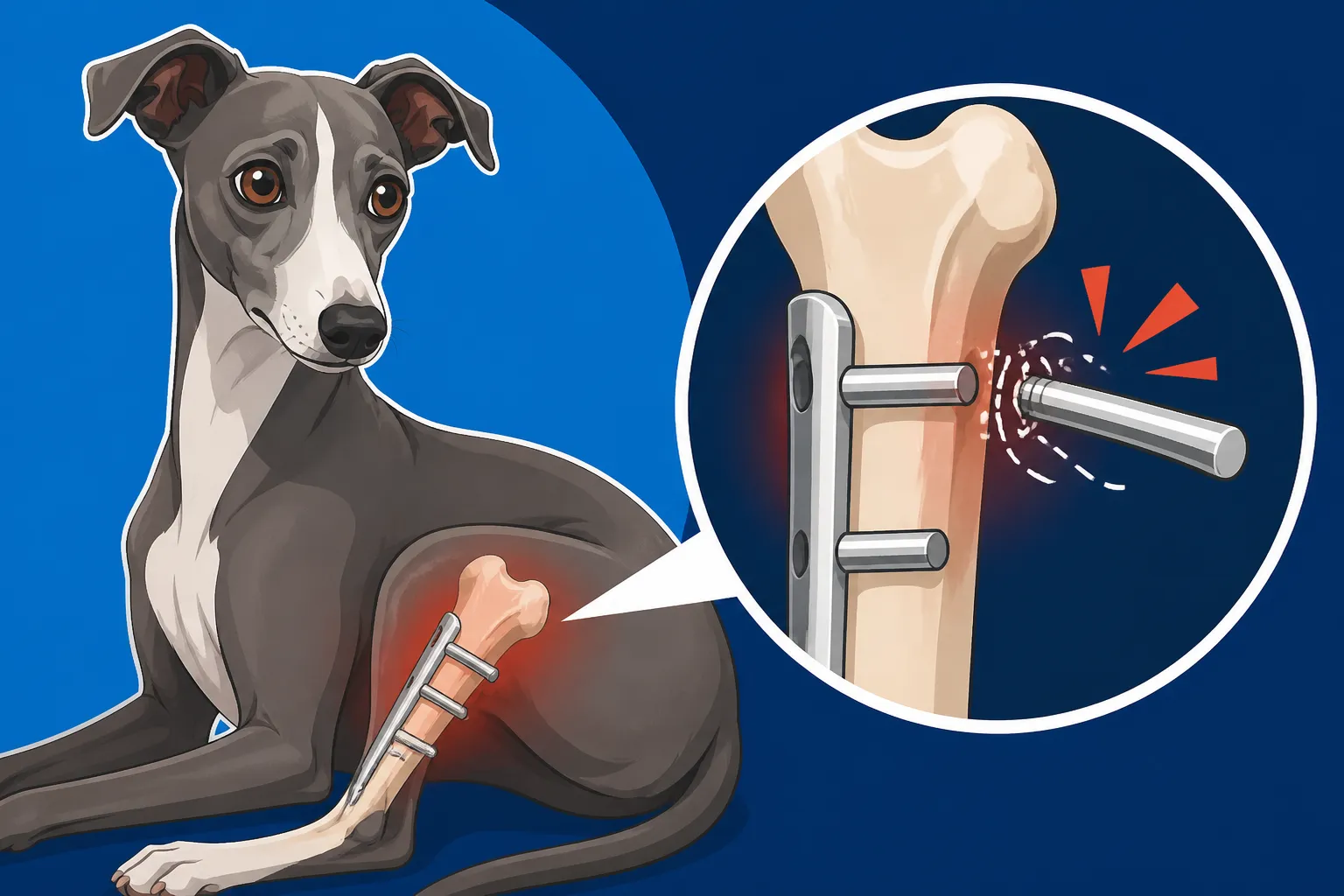
Even with the most precise surgical fixation, there’s always a minuscule amount of movement, known as micro-motion, at the fracture site. Over time, especially if the bone takes longer to heal than expected, this micro-motion can cause the bone around the pins and screws to resorb, or essentially, dissolve slightly. The bone sees the hardware as a foreign object, and the constant, tiny stresses can trigger a response where the bone attempts to remodel and adapt, sometimes leading to widening of the screw holes. As these holes expand, the grip of the pins weakens, and they can start to back out or loosen.
This process is exacerbated in Italian Greyhounds because their bones can be so fragile to begin with, offering a less robust purchase for the screws. It’s a delicate balance; you need stability for healing, but too much rigidity or prolonged stress on the bone-implant interface can work against you.
Excessive Activity or Re-Injury
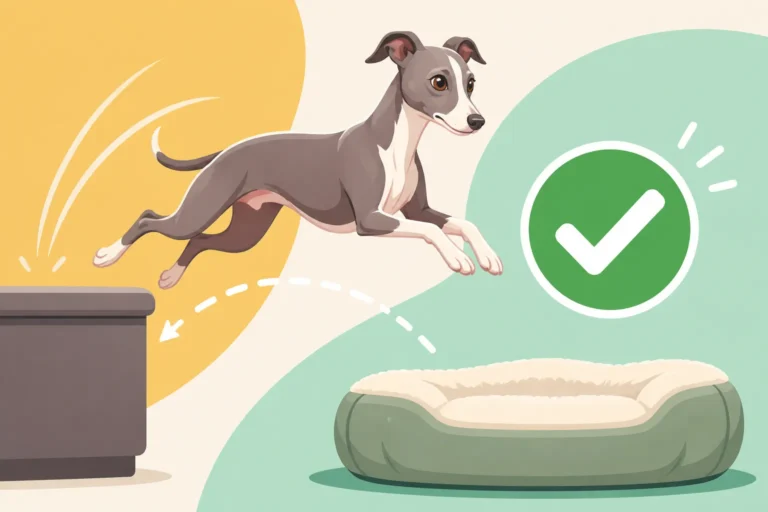
Despite strict instructions for crate rest and activity restriction, Italian Greyhounds are dogs, and they have bursts of energy and instinct. A sudden lunge, an unexpected jump, or even a clumsy misstep during recovery can place immense stress on the healing fracture and the implanted hardware. Think about a moment when your IG, even while recovering, might try to briefly "zoom" for a second or get startled by something, twisting their leg just a bit. Even these brief, intense forces can be enough to slightly bend a plate or cause a pin to shift or back out. This is why vigilance over How Long an Italian Greyhound Stays Crated After Surgery is absolutely non-negotiable, often for many weeks.
Furthermore, a full re-injury, such as another fall or blunt trauma to the already compromised limb, can directly damage the hardware, causing it to loosen, break, or migrate entirely. This is a common fear for many IG owners, and it highlights the paramount importance of strict adherence to post-operative care.
Infection at the Surgical Site
Any surgical procedure carries a risk of infection, and fracture repair is no exception. If bacteria get into the surgical site, either during the operation or afterwards, it can cause inflammation and weaken the surrounding bone tissue. An infection can lead to osteomyelitis, an infection of the bone itself. When the bone around the pins and plates becomes infected, its ability to heal is compromised, and the bone tissue can become necrotic or weakened, making it easier for the hardware to lose its grip and loosen.
Signs of infection, such as redness, swelling, heat, or pus around the incision or pin sites, should be reported to your vet immediately. Early intervention is key to preventing widespread bone infection and subsequent hardware failure.
Delayed Bone Healing or Non-Union
Ideally, an Italian Greyhound's bone will heal within a predictable timeframe, typically several weeks to a few months, allowing the hardware to be removed or its function to diminish naturally as the bone strengthens. However, sometimes bone healing is delayed, or a non-union occurs, where the bone simply fails to mend. This could be due to factors like poor blood supply to the fracture fragments, nutritional deficiencies, or simply the nature of the break itself.
If the bone isn't healing as quickly as it should, the pins and plates have to bear the full load of stabilization for a longer period. This extended stress increases the likelihood of fatigue in the metal hardware or the bone-implant interface, eventually leading to loosening. This prolonged healing period is especially concerning for such fine-boned dogs, making the question of How Long an Italian Greyhound Takes to Heal a Fracture a constant topic of discussion with the vet.
Improper Hardware Placement or Size
While less common with experienced orthopedic surgeons, occasionally the initial placement or size of the pins and plates might contribute to eventual loosening. If screws are placed too close to the end of a bone fragment, or if they don't achieve sufficient purchase in the bone, their stability can be compromised from the outset. Similarly, if the hardware chosen is not robust enough for the stresses of the specific fracture, it can fail prematurely. This is why finding an experienced surgeon, especially one familiar with the delicate nature of sighthound bones, is so crucial, as discussed in Finding a Surgeon Who Has Plated an Italian Greyhound.
Recognizing the Signs of Loosening Pins and What to Do
Spotting the signs of loosening pins early can make a significant difference in your Italian Greyhound's prognosis and the potential for a successful resolution. It’s a worrying prospect, but knowing what to look for empowers you to act quickly.
Key Indicators to Watch For
Your Italian Greyhound might not be able to tell you in words that something is wrong, but their behavior and physical presentation will.
- Sudden or Worsening Lameness: This is often the first and most obvious sign. After initial post-operative pain subsides, you might see your IG putting some weight on the leg. If they suddenly become much lamer, refuse to bear weight again, or show a significant increase in pain, it's a huge red flag. This isn't just a "bad day"; it's a sign that the stability of the fracture site has been compromised.
- Swelling, Heat, or Discharge: Closely inspect the surgical incision and any external pin sites. Increased swelling beyond the initial post-op edema, warmth to the touch (especially localized heat), or any discharge (clear, yellow, green, or bloody) are all critical signs. These can indicate infection, inflammation, or irritation from moving hardware.
- Pain Upon Touch or Movement: If your Italian Greyhound, who was previously tolerating gentle handling of the leg, now reacts sharply with pain when you try to examine it or when they try to move it, this is a strong indicator of an issue. They might vocalize, snap, or pull away.
- Visible Pin Migration or External Fixator Shifting: For external fixators, you might visibly see the pins moving or backing out from the skin, or the bars connecting them may appear to shift, twist, or sag. If the fixator itself feels loose when you gently touch it, that's a serious problem. For internal plates and screws, this is harder to see, but sometimes a small lump might develop under the skin if a screw head backs out significantly.
- Loss of Appetite or Lethargy: General signs of discomfort or pain can manifest as a loss of appetite, reluctance to drink, or unusual lethargy. Your normally spirited IG might just want to sleep more and withdraw.
These signs can be subtle at first, especially with such stoic little dogs. Remember that How an Italian Greyhound Hides Pain is a real phenomenon, so it’s vital to be observant and trust your instincts as their owner.
Immediate Steps to Take
If you suspect your Italian Greyhound's surgical pins are loosening, there’s no time to waste.
- Contact Your Veterinarian Immediately: This is an emergency. Call your vet or the veterinary orthopedic specialist who performed the surgery. Describe your observations clearly and calmly. They will likely want to see your dog right away.
- Strictly Restrict Activity: Confine your Italian Greyhound to their crate or a very small, secure room. Absolutely no jumping, running, or even gentle walks. Carry them outside for potty breaks, and ensure they are supported to prevent any weight-bearing on the affected leg. The goal is to prevent any further stress on the compromised repair.
- Do Not Attempt to Adjust Anything Yourself: Never try to push pins back in, tighten screws, or adjust an external fixator on your own. You could cause further damage, introduce infection, or inflict severe pain.
- Prepare for a Vet Visit: Gather any relevant paperwork, including previous X-rays or discharge instructions. Be ready to discuss your observations in detail. Your vet will likely perform a physical exam, assess pain, and take new X-rays to compare with previous ones and confirm any hardware changes or delayed healing.
Recognizing the Signs an Italian Greyhound Has Broken a Leg initially is crucial, but understanding the post-operative warning signs is just as, if not more, important for a successful recovery.
Here's a quick reference table to help differentiate normal recovery from potential issues:
| Observation Point | Normal Post-Operative Recovery | Signs of Potential Pin Loosening/Complication |
|---|---|---|
| Lameness/Weight-Bearing | Gradually improving, putting more weight on the leg over time, occasional slight limp. | Sudden worsening of lameness, refusal to bear weight, increased pain. |
| Pain Level | Decreasing pain over days/weeks, manageable with prescribed medication. | Increased, persistent, or sharp pain, vocalization when touched or moved. |
| Swelling/Heat | Mild, decreasing swelling; no excessive heat beyond initial surgical warmth. | New or increased swelling, localized heat around surgical site or pins. |
| Discharge | None or minimal clear/serosanguinous (bloody-tinged) fluid for a few days post-op. | Any pus-like discharge (yellow, green), foul odor, persistent bleeding. |
| Appetite/Energy | Returns to normal, alert and engaged. | Loss of appetite, lethargy, withdrawal, general malaise. |
| Hardware Appearance | Pins secure (if external fixator), incision clean. | Visible pin migration, external fixator bars shifting, new lump under skin. |
The Path Forward: Treatment Options and Long-Term Outlook
Discovering that your Italian Greyhound’s surgical pins have loosened is incredibly stressful, but it's not necessarily the end of the road. There are often viable paths forward, though they may involve further medical intervention and a renewed commitment to intensive care.
Surgical Re-Intervention
In most cases where pins or plates have loosened significantly, surgical re-intervention is required. The specific approach will depend on the degree of loosening, the extent of bone healing, and whether infection is present.
- Hardware Removal and Replacement: If the bone has shown some healing but the hardware has failed, the surgeon may remove the loosened pins and plates and replace them with new, more secure ones. This might involve using a different type of plate, longer screws, or even adding a bone graft to stimulate further healing.
- External Fixator Adjustment or Replacement: For external fixators, the vet might be able to replace loose pins or adjust the frame. In more severe cases, the entire fixator might need to be removed and a new one applied, or even converted to an internal plate fixation if conditions allow.
- Addressing Infection: If infection is present, it will be thoroughly cleaned out during surgery. Antibiotics will be prescribed, sometimes for an extended period, and often infused directly into the surgical site using antibiotic-impregnated beads.
It's important to remember that such revision surgeries add to the financial burden. This is where pet insurance, like a policy from Healthy Paws, can be a lifesaver, helping to cover the often significant costs of What a Second Surgery Costs on an Italian Greyhound and prolonged treatment.
The Challenging Decision of Amputation
While certainly a last resort, amputation might be discussed if the bone damage is too severe, if infection is uncontrollable, or if multiple attempts at repair have failed. This is a heartbreaking conversation for any owner, but it’s crucial to understand that many dogs, including Italian Greyhounds, adapt remarkably well to life on three legs. Their lightweight build often aids in this adaptation. The focus shifts from trying to salvage a severely compromised limb to ensuring the dog’s quality of life and freedom from chronic pain. When faced with such a difficult choice, understanding When Amputation Is Discussed for an Italian Greyhound can help prepare you for the conversation with your veterinary team.
Strict Post-Operative Care, Again
No matter the treatment path chosen, you will be back to square one with strict post-operative care. This means:
- Intensive Crate Rest: Possibly even more rigorous than the first time. Your Italian Greyhound will need to be confined to a small space, lifted for potty breaks, and prevented from any activity that could stress the healing limb.
- Pain Management: Consistent and appropriate pain medication is vital to keep your IG comfortable and prevent them from putting undue stress on the repair.
- Regular Vet Check-ups and X-rays: Frequent follow-up appointments and X-rays will be necessary to monitor healing progress and ensure the new hardware remains secure. This helps prevent a repeat of the loosening issue.
- Physical Rehabilitation: Once some healing has occurred, a tailored physical therapy program can help regain strength, flexibility, and proper limb function. This might include gentle range-of-motion exercises, massage, and controlled leash walks.
Owners often find themselves in a cycle of worry and financial strain when dealing with multiple fracture complications. Having a robust pet insurance plan can ease some of that burden, ensuring you can make decisions based on what’s best for your IG, not just what you can afford. Many Healthy Paws customers find peace of mind knowing they have a safety net for unexpected and costly treatments. It's an unfortunate truth that Whether an Italian Greyhound's Fracture Bill Repeats is a very real possibility.
The road to full recovery after pin loosening can be long and emotionally taxing. However, with dedicated veterinary care, strict adherence to post-operative instructions, and immense patience, many Italian Greyhounds go on to lead full, happy lives. While they might never be able to jump off the sofa with abandon, they can still enjoy walks, zoomies (in controlled environments), and the unparalleled bond they share with their human companions. The ultimate goal is always to see your beloved Italian Greyhound Whether an Italian Greyhound Regains Full Use of the Leg and live comfortably.
Disclaimer
This article is intended for informational purposes only and does not constitute veterinary advice. If you suspect your Italian Greyhound's surgical pins are loosening, or if you notice any concerning changes in their condition, contact your veterinarian or a veterinary orthopedic specialist immediately. Always follow the specific instructions and recommendations of your dog's attending veterinary team.