Why an Italian Greyhound’s Dental Costs More Than a Beagle’s
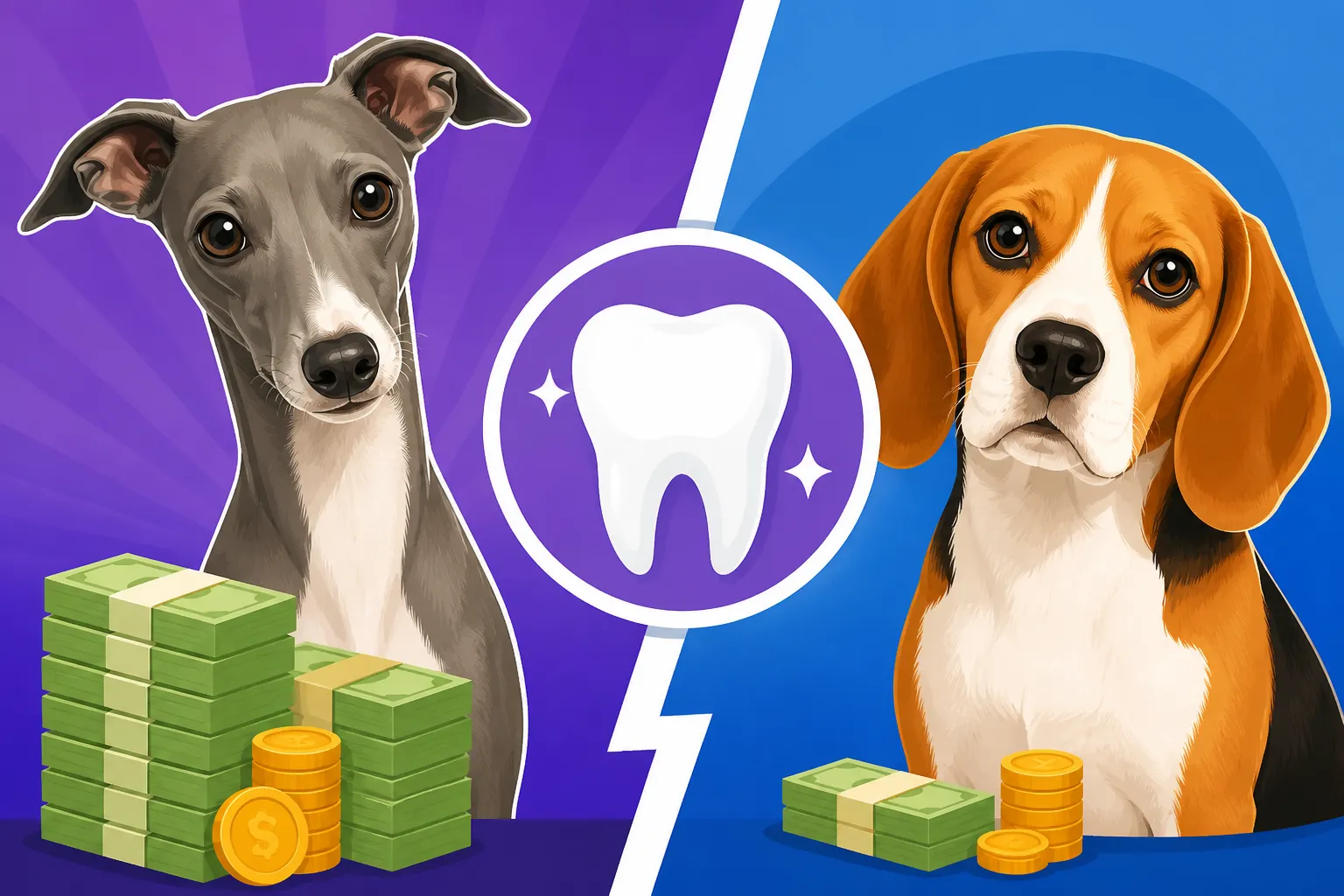
It's a frustrating reality for many Italian Greyhound owners: you hear about your friend's Beagle getting a routine dental cleaning, and the cost seems perfectly manageable. Then your vet quotes you for your little IG, and your jaw drops. You're left wondering, "Why does an Italian Greyhound's dental procedure cost so much more than a Beagle's?" This guide is here to shed light on the unique anatomical and physiological factors that make dental care for our delicate Iggies a significantly more complex, and thus more expensive, undertaking.
Understanding the Unique Dental Challenges of Italian Greyhounds
Italian Greyhounds, despite their small size, come with a very specific set of dental predispositions that elevate the complexity and cost of their oral care. It's not just about tiny teeth; it's about the entire structure of their mouth and their unique physiology.
The Italian Greyhound's Delicate Mouth Structure
Imagine a dog bred for elegance and speed, with a long, narrow muzzle. While beautiful, this conformation often leads to a major dental headache. Italian Greyhounds have a full set of 42 adult teeth, just like much larger breeds. The problem? Their jaws are simply not built to accommodate them comfortably. This often results in severe overcrowding. When teeth are jammed together, food particles and plaque get trapped easily, creating perfect breeding grounds for bacteria. This overcrowding also means some teeth don't align properly, leading to abnormal wear or even more rapid plaque accumulation. You see this often with their pre-molars and molars, which can twist in their sockets. This isn't just an aesthetic issue; it's a structural weakness that makes their mouths a constant battleground against disease. We often talk about Why an Italian Greyhound's Muzzle Cannot Hold Its Teeth because it's such a pervasive issue.
In contrast, a Beagle has a broader, more robust jaw that typically allows for better spacing and alignment of teeth. While Beagles are certainly not immune to dental disease, their anatomy generally doesn't present the same immediate challenges of severe crowding and fragility that are characteristic of the Italian Greyhound. Their teeth might be larger and stronger, better suited to chew and naturally resist some plaque buildup, though consistent home care is crucial for any breed.
Rapid Progression of Periodontal Disease
Because of the overcrowding and the nature of their diet (often kibble, which doesn't provide significant cleaning action), Italian Greyhounds are incredibly prone to rapid tartar accumulation and the swift progression of periodontal disease. What might take years to become significant in another breed can escalate in a few short months or even weeks in an IG. This isn't just surface-level plaque; it's bacteria multiplying under the gum line, attacking the supporting structures of the teeth. Left unchecked, this leads to painful gingivitis, gum recession, bone loss, and ultimately, tooth loss. It's truly shocking how quickly How Early Tartar Appears on an Italian Greyhound.
For a Beagle, while plaque and tartar are also concerns, the progression of periodontal disease tends to be slower, assuming a similar level of home care (or lack thereof). Their larger oral cavity allows for better air circulation and less direct tooth-to-tooth contact, which can slightly slow the initial buildup. This means that a Beagle might go longer between professional cleanings before needing extensive extractions, whereas an Italian Greyhound might require annual, or even more frequent, interventions to stay ahead of the curve.
Higher Risk of Jaw Fractures During Extractions
Here's where the fragility truly comes into play. An Italian Greyhound's jawbones, particularly the mandible (lower jaw), are incredibly thin and delicate. This is a common issue with sighthound breeds and is directly related to their fine-boned structure. When a tooth, especially a molar or pre-molar, has significant bone loss around its root due to advanced periodontal disease, the remaining jawbone supporting it becomes even weaker. Extracting such a tooth requires extreme precision and gentleness. The slightest misstep or excessive force can lead to an iatrogenic (veterinarian-caused) jaw fracture during the procedure. It's a terrifying thought for any owner and a serious concern for any veterinary team. This is precisely Why an Italian Greyhound's Jaw Can Break During Extraction.
For a Beagle, while jaw fractures can occur in severe cases of periodontal disease, the risk during routine or even complex extractions is generally lower. Their denser, more substantial jawbones offer greater resilience and stability. This reduces the need for the specialized, time-consuming techniques and delicate handling that an Italian Greyhound's mouth demands, often translating to a less expensive, albeit still important, procedure.
Why Beagle Dental Care Might Seem Less Complicated (and Cheaper)
It’s not that Beagles don't need dental care; every dog does! But the inherent differences in their breed characteristics often mean their dental journey is less fraught with the specific, high-cost complications seen in Italian Greyhounds.
General Canine Dental Health vs. Sighthound Specifics
Beagles, like many medium-sized breeds, possess a more "standard" canine oral anatomy. Their jaws are generally proportionate to their tooth size, reducing the severe crowding issues that plague Iggies. While they can and do develop plaque, tartar, and periodontal disease, it often progresses at a more predictable rate. This means that, for a Beagle, a regular, thorough cleaning with a few extractions (if needed) is typically sufficient. The concerns about a fragile jawbone or extreme sensitivity to anesthesia aren't as prominent, which makes their procedures more straightforward for a general practice veterinarian. They might have more robust bones, but consistency in home care and routine check-ups are still key for Whether an Italian Greyhound Can Keep Its Teeth for Life.
Italian Greyhounds, on the other hand, require a veterinary team that understands sighthound physiology. Their unique build means everything from the choice of anesthetic agents to the handling of their delicate jaws needs extra consideration. This specialized knowledge and approach inevitably add to the cost, as it's not just a standard "dog dental"; it's an "Italian Greyhound dental" with all its nuances.
Fewer Complexities and Specialized Procedures
When a Beagle comes in for a dental, the typical procedure involves scaling, polishing, and potentially extracting a few teeth if disease is present. While X-rays are always recommended, the need for advanced imaging or specialist intervention due to extreme fragility is less common. The chances of encountering a situation where a jaw fracture is a significant, immediate risk are lower, and therefore, the time, skill, and equipment required are generally less intensive.
For an Italian Greyhound, even a "routine" cleaning often involves careful planning for potential extractions, meticulous dental radiographs (full mouth X-rays are critical to assess bone loss and root integrity in their tiny jaws), and often, a longer time under anesthesia due to the delicate nature of the work. If significant bone loss is present, the veterinarian might need to perform more advanced techniques to preserve as much jaw integrity as possible during extractions. This can include bone grafting material or more complex flap surgeries, all of which contribute to a higher bill.
The Costs Associated with Italian Greyhound Dental Work
So, let's break down exactly where these extra costs come from when it's time for your Italian Greyhound's dental procedure. It's a combination of their unique needs and the specialized care they demand.
Anesthesia Protocols for Sighthounds
This is a huge factor. Italian Greyhounds, like other sighthound breeds, have a very low percentage of body fat. This might make them look lean and athletic, but it also impacts how they metabolize anesthetic drugs. Many traditional anesthetic agents are stored in fat tissue and then slowly released, allowing for a smooth wake-up. Without sufficient fat, these drugs can remain in their system longer, leading to prolonged recovery times and a higher risk of hypothermia. This is why Why Anesthesia Is Handled Differently in an Italian Greyhound.
Because of this, veterinarians experienced with sighthounds often use different combinations of anesthetic drugs, monitor their temperature extremely closely, and employ active warming measures throughout the procedure and recovery. This includes heated blankets, warmed IV fluids, and constant supervision. These specialized protocols require more attention, specific medications, and additional equipment, all of which contribute to the higher cost. Why a Nine Pound Italian Greyhound Gets Cold on the Table during surgery is a direct result of this low body fat, and preventing this takes extra effort and resources.
Advanced Diagnostics and Specialist Care
Given the fragile nature of an Italian Greyhound's jaw and the rapid progression of their dental disease, thorough diagnostics are absolutely non-negotiable. Full-mouth dental X-rays are crucial to assess the extent of bone loss around tooth roots, identify hidden abscesses, and evaluate the integrity of the jawbone before any extractions are attempted. These aren't just a few quick shots; they often involve multiple images taken from various angles, requiring time and specialized equipment.
Furthermore, some general practice vets, recognizing the inherent risks and complexities, might recommend referring your IG to a board-certified veterinary dental specialist. These specialists have advanced training and equipment, including specialized dental radiography machines and instruments designed for delicate extractions. While a specialist certainly provides the highest level of care, their fees will naturally be higher than a general practitioner's. Deciding What a Veterinary Dentist Is Worth It for an Italian Greyhound often comes down to the severity of the dental disease and the perceived risk.
Extraction Complexity and Post-Operative Care
If extractions are necessary – and for Iggies with advanced periodontal disease, they very often are – the complexity of the procedure increases significantly. As we discussed, the thin jawbone makes extractions a meticulous, time-consuming process. The vet must carefully dissect the ligaments holding the tooth, often using a surgical flap technique to expose the roots and then precisely section the tooth before gently removing each piece. This is to minimize trauma to the surrounding bone. Trying to extract a whole tooth in one go could easily splinter the delicate jaw.
Afterward, the surgical sites need careful closure, and sometimes, if there's significant bone loss, a synthetic bone graft material might be placed to help regenerate bone and strengthen the jaw. Post-operative pain management is also critical, requiring specific medications to keep your IG comfortable during recovery. All these steps, from the specialized surgical techniques to the materials used and the duration of the procedure, add to the overall expense. Even What a Single Extraction Costs on an Italian Greyhound can be surprisingly high due to these factors.
Lifetime Management and Preventive Measures
The higher cost isn't just a one-time thing; it's often a recurring theme throughout an Italian Greyhound's life. Because of their predisposition, many Iggies require professional dental cleanings annually, sometimes even every six to nine months, especially as they age or if home care isn't perfectly consistent. This is why understanding How Often an Italian Greyhound Needs a Dental Cleaning is so important.
While diligent home care, like daily tooth brushing, is the absolute best way to extend the time between professional cleanings and keep costs down, it's a commitment that can be challenging to maintain. Even with the best home care, the breed's genetics often dictate a need for professional intervention more frequently than for a Beagle. So, the cumulative cost of managing an Italian Greyhound's dental health over their lifespan is almost certainly going to be higher. Brushing an Italian Greyhound's Teeth Every Day can make a huge difference, but it's often not enough to completely negate the need for professional cleanings.
Budgeting and Mitigating High Dental Costs
While the reality of higher dental costs for your Italian Greyhound can be daunting, there are proactive steps you can take to manage these expenses and ensure your beloved companion receives the best possible care.
The Importance of Early and Consistent Preventive Care
This cannot be stressed enough: prevention is always cheaper than treatment. Starting a dental care routine as early as possible in your Italian Greyhound's life is crucial. This means daily tooth brushing with a pet-specific toothpaste and a small brush that fits their mouth. Getting your IG accustomed to this from puppyhood makes it a much easier habit to maintain. Early and consistent care can significantly slow down the onset and progression of periodontal disease, potentially delaying the need for complex, costly extractions. While some Italian Greyhounds might start losing teeth around The Age an Italian Greyhound Starts Losing Teeth, diligent brushing can help preserve healthy teeth for much longer.
Regular veterinary check-ups also play a vital role. Your vet can monitor your IG's oral health and recommend professional cleanings at the optimal time, before problems become severe. Don't wait until you notice bad breath or visible tartar; by then, the disease is already quite advanced. Being proactive with home care can really make a dent in future bills. It's truly amazing How Home Brushing Cuts an Italian Greyhound's Dental Bill.
Considering Pet Insurance
Pet insurance can be a lifesaver for unexpected veterinary expenses, including significant dental work. While most standard policies don't cover routine cleanings unless you add a wellness rider, they often cover treatments for dental disease, such as extractions due to periodontal disease, or even jaw fractures. It’s important to research different providers like Healthy Paws and understand their coverage details, waiting periods, and what specifically falls under "illness" versus "routine care." Ask specific questions about dental coverage for conditions like gum disease and extractions.
Remember that pre-existing conditions are typically not covered, so it's best to enroll your Italian Greyhound in pet insurance when they are young and healthy, before any dental issues have been diagnosed. This proactive step can provide significant peace of mind knowing you have a financial safety net for potentially expensive procedures. Always verify Whether an Italian Greyhound's Dental Is Covered by the specific plan you choose.
Understanding Dental Wellness Plans and Routine Maintenance
Some veterinary clinics offer their own dental wellness plans. These are subscription-based programs that often bundle routine preventive care services, which might include an annual dental cleaning at a reduced rate, along with other services like yearly exams and vaccinations. While these plans typically don't cover major surgeries or extensive extractions, they can make routine cleanings more affordable and help you stay on schedule with preventive care.
Additionally, for ongoing maintenance, consider exploring dental-specific products. Brands like Chewy offer a wide range of dental chews, water additives, and specialized foods designed to help reduce plaque and tartar buildup. While these are never a substitute for brushing or professional cleanings, they can be part of a multi-faceted approach to oral hygiene. Some specialized pet food companies, such as Ollie, also highlight the benefits of their fresh food diets for overall health, which can indirectly support better oral health by providing optimal nutrition. Always discuss the effectiveness and safety of any dental product with your veterinarian before incorporating it into your IG's routine. What a Dental Wellness Plan Covers for an Italian Greyhound can vary, so always read the fine print.
Comparing Dental Care: Italian Greyhound vs. Beagle
To help visualize the differences, here's a quick comparison of general dental care considerations for an Italian Greyhound versus a Beagle.
| Feature | Italian Greyhound | Beagle | Impact on Cost (Relative) |
|---|---|---|---|
| Mouth/Jaw Structure | Narrow, delicate jaws; crowded teeth | Broader, more robust jaws; generally well-spaced teeth | IG: Higher |
| Plaque/Tartar | Rapid accumulation; quickly progresses to disease | Moderate accumulation; slower disease progression | IG: Higher |
| Disease Severity | Prone to severe periodontal disease, bone loss | Prone to periodontal disease, but often less severe early | IG: Higher |
| Jaw Fracture Risk | High risk during extractions due to thin bones | Lower risk during extractions | IG: Higher |
| Anesthesia | Requires specialized sighthound protocols; low fat | Standard canine protocols; more resilient to drugs | IG: Higher |
| Diagnostics | Full-mouth dental X-rays critical due to fragility | Dental X-rays recommended, often less complex | IG: Higher |
| Extraction Complexity | Often requires delicate, advanced surgical techniques | Typically straightforward, less specialized techniques | IG: Higher |
| Specialist Referral | More commonly recommended/needed | Less commonly recommended | IG: Higher |
| Frequency of Cleanings | Often annual, sometimes every 6-9 months | Often annual or every 1-2 years | IG: Higher (cumulative) |
| Home Care Impact | Essential but often not enough to avoid frequent cleanings | Essential, can significantly extend intervals | IG: Moderate savings |
It's clear that the Italian Greyhound's unique physiology demands a more intricate and attentive approach to dental health, which naturally translates into higher associated costs. While this can be a tough pill to swallow, understanding the "why" empowers you to prepare, budget, and provide the best possible preventive and professional care for your cherished companion.
Disclaimer
This article is for general informational purposes only and does not constitute professional advice. Laws, prices and regulations vary by location and change over time. Consult a qualified professional for guidance on your specific situation.