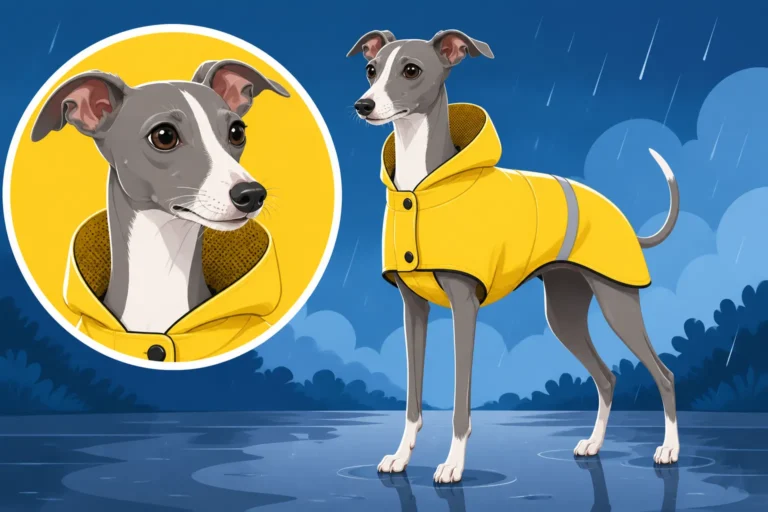
Whether an Italian Greyhound Needs a Fenced Yard
One of the biggest anxieties many new Italian Greyhound owners face, or those considering bringing one of these delicate, elegant creatures into their lives, revolves around outdoor space. We all picture our dogs romping happily in a grassy yard, but with an Italian Greyhound, that idyllic scene can turn into a heart-stopping chase in mere seconds. This guide will explore whether a fenced yard is truly a necessity for an Italian Greyhound, diving deep into their unique instincts and helping you understand the real risks and viable alternatives.
The Unbreakable Truth: Italian Greyhounds and Their Instinct to Bolt
Let's get real about Italian Greyhounds for a moment. They are adorable, affectionate, and incredibly cuddly. But underneath that soft, sleek coat beats the heart of a sighthound, a dog bred for millennia to spot movement and give chase. This isn't just a quirk; it's a deeply ingrained instinct that no amount of training can truly erase. Understanding this is the first step in creating a safe environment for your beloved companion.
The Sighthound Impulse: Why They Run
Imagine being a tiny Italian Greyhound. Your world is full of interesting sights, sounds, and, most importantly, movement. A leaf skitters across the lawn, a bird lands briefly on a fence post, or, heaven forbid, a squirrel dares to cross your path. For an Italian Greyhound, these aren't just minor distractions; they are triggers for an ancient, powerful prey drive. Their eyes are designed for distance, spotting even the slightest twitch, and their bodies are coiled springs, ready to launch.
This instinct means that when something catches their eye, their brain overrides almost everything else. That beloved human calling their name? Fades into the background. The promise of a tasty treat? Utterly forgotten. All that matters is the chase. It's not about being disobedient or untrainable; it's about being true to their genetic heritage. They don't think about traffic, or property lines, or the fact that they've never been more than ten feet from your side. They just go. This is why the phrase Why an Italian Greyhound Cannot Be Trusted Off Leash, Ever is practically a mantra among experienced owners.
How Fast is "Fast"? Outrunning Danger
When we talk about Italian Greyhounds being fast, it's not an exaggeration. These are miniature versions of Greyhounds, the fastest dogs on earth. While they won't hit the same top speeds as their larger cousins, an Italian Greyhound can still reach incredible velocities for their size. Picture a tiny blur streaking across a field, disappearing from sight faster than you can shout their name. How Fast an Italian Greyhound Runs is genuinely astonishing.
This speed means that if they bolt, they cover ground rapidly. A small urban park might seem manageable, but a determined Italian Greyhound can reach the far side, or worse, a busy street, in a blink. They are not built for endurance; they are built for explosive acceleration and short, intense bursts of speed. This makes retrieval nearly impossible if they get a head start. You simply cannot outrun them, especially when they're fueled by the thrill of the chase. This swift escape is often what leads to tragic outcomes, highlighting the critical need for secure containment.
The "Come" Command vs. Prey Drive
Many owners pride themselves on their dog's recall, and rightly so. Training a dog to reliably come when called is a fantastic achievement. However, with an Italian Greyhound, the "come" command often stands little chance against their primal instincts. You might have practiced in a quiet backyard, in a controlled environment, with high-value treats, and your Italian Greyhound might have responded perfectly every single time. But introduce a real-world trigger – a bounding deer, a scurrying rabbit, or even another dog playing rambunctiously – and that training can evaporate in an instant.
It's a frustrating reality for many, and it's easy to feel like you've failed as a trainer. But it's not a failure on your part, nor is it defiance from your dog. Their brain is simply wired differently. When that prey drive kicks in, the reward of coming back to you pales in comparison to the immense, instinctive satisfaction of the chase. This is why even the most meticulously trained Italian Greyhounds still require stringent safety measures, especially when outdoors. Relying solely on voice commands in an unfenced area is a gamble that no Italian Greyhound owner should ever take. When you consider What an Italian Greyhound Does When It Sees a Rabbit, you understand just how potent that urge is.
Assessing Your Outdoor Space: When a Fence Becomes Non-Negotiable
Given their innate desire to run and chase, it becomes clear that an Italian Greyhound truly thrives in an environment where their safety is paramount. For most owners, this means a securely fenced yard isn't just a convenience; it's a non-negotiable component of responsible ownership. Let's delve into why.
The Dangers of an Unfenced Yard
The dangers for an Italian Greyhound in an unfenced space are unfortunately numerous and severe. The biggest threat, without a doubt, is traffic. Their speed and single-minded focus on a target mean they can easily dart into a road before you even realize they've left your side. Other hazards include encounters with larger, potentially aggressive dogs, getting lost and becoming disoriented, or even being targeted by wildlife. The heartbreak of a lost Italian Greyhound, especially one injured or never found, is a nightmare scenario that every owner dreads.
It's tempting to think, "My yard is quiet," or "I'm always watching them," but IGs are masters of the quick escape. A delivery person leaving the gate ajar, a momentary distraction on your part, or a small gap in the hedging – that's all it takes. Once they're out, they're not just running; they're running blindly driven by instinct, often straight into harm's way. The peace of mind a secure fence provides is invaluable.
Here's a quick comparison of the risks:
| Scenario | Unfenced Yard Risks | Fenced Yard Benefits (Secure) |
|---|---|---|
| Traffic | High risk of running into roads, serious injury or death. | No direct access to roads, greatly reduced traffic risk. |
| Getting Lost | High risk of bolting, getting disoriented, difficult to find. | Contained, less likely to get lost unless a gate is open. |
| Other Animals | Encounters with aggressive dogs, wildlife, or stray cats. | Protection from other animals entering your property. |
| Poison/Hazards | Access to toxic plants, chemicals, or discarded items. | Controlled environment, fewer unknown hazards. |
| Theft | Easier for someone to snatch a small dog from an open space. | Added security layer against theft. |
| Owner Stress | Constant vigilance required, high anxiety during outdoor time. | Relaxed supervision, greater peace of mind. |
Fence Height and Type: What Actually Works
So, you've decided a fence is essential. But what kind? An Italian Greyhound isn't just going to jump over a standard garden fence like a Golden Retriever might. They have a surprising vertical leap for their size. I've seen them clear obstacles you wouldn't believe. How High an Italian Greyhound Can Jump From Standing can be quite impressive, especially if motivated.
For most Italian Greyhounds, a minimum fence height of six feet is strongly recommended. Anything less, and a determined or startled IG might find a way over. Solid fencing, like wood or vinyl, is often preferred over chain link. Why? Because chain link offers footholds for climbing, and it allows them to see through, potentially triggering their prey drive even more. If they can see the squirrel on the other side, they'll be more inclined to try and reach it.
Beyond height, consider the base of the fence. Italian Greyhounds aren't typically avid diggers, but they can and will explore small gaps. Ensure the fence goes down to the ground or has a secure bottom rail to prevent them from squeezing underneath. Regularly inspect your fence for any weak spots, loose boards, or gaps that could become an escape route. Even a tiny opening is an invitation for an Italian Greyhound.
The Illusion of "Close Supervision"
I hear it all the time: "I'll just watch them closely." And while vigilance is always commendable, with an Italian Greyhound, "close supervision" in an unfenced area is often a false sense of security. Their speed, combined with their instant, instinct-driven reactions, means that a momentary lapse in attention is all it takes. You glance at your phone for two seconds, you turn to answer a child's question, you look away to pick up a dropped item – and your Italian Greyhound is gone.
Even if you're standing right next to them, the speed at which they can bolt means you might not even register what's happening until they are already several yards away, heading towards danger. Their chase response is faster than human reaction time. While a long line can provide a temporary, supervised solution in some very specific, safe environments, it's not a substitute for a physical barrier. A long line can get tangled, you can drop it, or the dog can simply outpace you and reach the end with a jarring force. For true peace of mind and safety when an Italian Greyhound is outdoors, a secure, impenetrable fence is the gold standard.
Alternatives and Compromises: When a Traditional Fence Isn't an Option
We understand that not everyone has the luxury of a large, securely fenced yard. City living, rental properties, or unique geographical constraints can make a traditional fence impossible. But don't despair! Owning an Italian Greyhound is absolutely still possible and can be incredibly rewarding, as long as you commit to alternative safety measures and truly understand their needs.
The Securely Leashed Walk: Your Primary Outdoor Strategy
If a fenced yard isn't in the cards, then the securely leashed walk becomes your Italian Greyhound's primary and most reliable method for outdoor excursions. This isn't just any leash walk; it requires specific equipment and a heightened level of awareness. Forget the flat collar; Italian Greyhounds have delicate necks and their heads are smaller than their necks, making it incredibly easy for them to slip out of a traditional collar when spooked or pulling.
A well-fitting harness is absolutely essential. Look for harnesses designed for sighthounds or those with a "double-strap" or "martingale" design around the chest, which prevents them from backing out. Brands that cater to deep-chested, narrow-bodied dogs are often a good starting point. You want something snug but comfortable, that won't chafe their thin skin. Ensure it fits correctly around their chest and ribcage, providing security without restricting movement. Which Harness Suits an Italian Greyhound's Neck is a topic many owners spend a lot of time researching. Using a secure leash, preferably one that is comfortable for you to hold firmly, is also paramount.
Walks should always be on a leash, in safe areas away from heavy traffic. Consider investing in a GPS tracker for added peace of mind, even when on a leash. These small devices attach to their harness and can help you locate them quickly if they ever manage to get loose. What a GPS Tracker Costs for an Italian Greyhound is a small investment for the potential safety it offers.
Doggie Playpens and Runs: Controlled Outdoor Access
For those moments when your Italian Greyhound just needs a quick potty break, a little fresh air, or a supervised sunbathe, a secure doggie playpen or run can be a fantastic compromise. These are not a replacement for walks but offer a safe, contained outdoor space.
When selecting a playpen, prioritize security and stability. Look for models that are tall enough (again, 6 feet is ideal for preventing jumps) and made from sturdy materials. Many outdoor playpens come with covers, which are excellent for preventing escapes (I've seen IGs climb surprising heights!) and protecting them from aerial predators or even just the hot sun. Ensure the gates are secure and not easily opened by a clever paw. Some owners even use sections of sturdy exercise pens, often found at pet retailers like Chewy, to create a temporary, supervised enclosure on a patio or deck. Always, always supervise your Italian Greyhound when they are in an outdoor playpen. This isn't a "set it and forget it" solution; it's a way to provide controlled outdoor time when you are present and attentive.
The Ethical Dilemma of Invisible Fences
Invisible fences, sometimes called electronic or "e-fences," might seem like an appealing solution, especially if you love the aesthetic of an open yard. They offer the promise of containment without a visible barrier. However, for an Italian Greyhound, these systems come with significant drawbacks and are generally not recommended by responsible owners and breed experts.
The way invisible fences work is by delivering a static correction (a "shock") when the dog crosses a boundary marked by a buried wire. While this might deter some breeds, it's problematic for Italian Greyhounds for several reasons:
- Prey Drive Overrides Pain: An Italian Greyhound, fueled by their intense prey drive, is often willing to "take the hit" from the static correction if it means chasing a rabbit or squirrel. They might bolt through the boundary, receive the shock, and then be too terrified to come back into the yard, essentially getting stuck outside the safe zone.
- Does Not Deter Intruders: An invisible fence does nothing to stop other animals (like loose dogs or wildlife) or even people from entering your yard. This leaves your small, delicate Italian Greyhound vulnerable to unwanted interactions.
- Fear and Anxiety: The unpredictable nature of the static correction can create fear and anxiety in sensitive breeds like Italian Greyhounds. They might associate the pain with the outdoors itself, or specific areas of the yard, leading to reluctance to go outside at all, or even developing behavioral issues.
- No Physical Barrier: At the end of the day, there's no physical barrier. If a large, off-leash dog decides to enter your yard, your Italian Greyhound has no fence to hide behind or protect them.
While they might work for some dogs, the risks and ethical concerns for an Italian Greyhound often outweigh any perceived benefits. Their safety and emotional well-being are simply too important to rely on a system that can be easily ignored by their instincts or is ineffective against external threats.
Living with an Italian Greyhound Without a Fenced Yard: Realistic Expectations
Bringing an Italian Greyhound into a home without a traditional fenced yard means embracing a certain lifestyle, one built on intention, diligence, and a deep understanding of their unique needs. It's not just about managing risks; it's about enriching their lives safely within your constraints.
Training for an Indoor Lifestyle
If outdoor free-roaming isn't an option, your Italian Greyhound will spend a significant amount of time indoors. This makes internal training and environmental enrichment crucial. Fortunately, Italian Greyhounds are typically quite content to be indoor companions, often curled up on a soft blanket or in your lap.
Indoor exercise is important to prevent boredom and manage their energy. They love to get The Indoor Zoomies an Italian Greyhound Gets, tearing around the house in short bursts of speed, which can often fulfill their need to run. Engage them with puzzle toys, interactive games, and regular play sessions.
Housetraining, however, can be one of the biggest challenges. Housetraining an Italian Greyhound Is the Hardest Part of Owning One is a common refrain. Many owners find success with Litter Box Training an Italian Greyhound or using indoor potty pads consistently. This allows them a safe, convenient option for relief, especially when outdoor access is limited or weather conditions are too harsh for their thin coats. Consistency, positive reinforcement, and patience are key. Remember, they have small bladders, so frequent opportunities to relieve themselves are essential.
Prioritizing Safety in All Scenarios
Living without a fenced yard means you become the "fence." Your vigilance and adherence to safety protocols are what keep your Italian Greyhound safe. This extends to every aspect of their day.
One of the most critical areas is door safety. Italian Greyhounds are notorious door-dashers. The moment a door opens, their instinct can kick in, and they'll try to shoot out. Teaching a strong "wait" command at every doorway is crucial. Teaching an Italian Greyhound to Wait at a Door can literally be a lifesaver. Always have them on a leash or securely contained in another room before opening the front door, especially if you have guests coming and going. Consider baby gates to create safe zones within your home, further minimizing escape opportunities.
When it comes to travel, always use a secure carrier in the car. Never let them ride unrestrained, as even a small accident could cause serious injury. For vet visits or other outings, a secure carrier or a leash and harness must be used from the moment you leave your home until you are safely back inside.
Despite all precautions, accidents can happen. This is why having a safety net like pet insurance is highly recommended. Providers like Healthy Paws can offer coverage for unexpected veterinary bills, which can quickly escalate, especially if an injury occurs. Preparing for the financial aspects of their care over their lifetime, as discussed in What an Italian Greyhound Costs Over Fifteen Years, includes budgeting for potential emergencies. And to keep them healthy and happy, ensuring they have a good diet is important; services like Ollie provide nutritious meal options that cater to their specific needs.
The Commitment to Constant Vigilance
Ultimately, the decision of whether an Italian Greyhound needs a fenced yard comes down to a commitment to constant vigilance and thoughtful management. If a physical fence isn't possible, then you must be prepared to be that barrier for them, every single day, every single time they are outdoors.
This means:
- Never letting them out unsupervised, even for a second, on a porch or in an unfenced area.
- Always using a secure harness and leash for all outdoor walks and potty breaks.
- Being hyper-aware of your surroundings on walks, scanning for potential triggers like squirrels, rabbits, or other off-leash dogs.
- Training for indoor safety, including door manners and indoor potty solutions.
- Having an emergency plan in case they do get loose.
While a securely fenced yard undeniably offers the easiest and safest way to allow an Italian Greyhound outdoor freedom, it is not the only way. With dedication, the right tools, and an unwavering commitment to their safety, you can provide a wonderful, fulfilling life for your Italian Greyhound, no matter your living situation.
Disclaimer
This article is for general informational purposes only and does not constitute professional advice. Laws, prices and regulations vary by location and change over time. Consult a qualified professional for guidance on your specific situation.