Why Neutering an Italian Greyhound Costs More Than the Quote
Bringing an Italian Greyhound puppy home is an exciting time, full of dreams of cuddles and zoomies, but then reality hits with the vet bills. When it comes time for neutering, many IG owners are shocked to find that the initial quote they received for a routine procedure is often far lower than the final cost. This guide will help you understand why your Italian Greyhound's neuter might cost more than expected, so you can be prepared for the actual investment in your beloved companion's health.
Understanding the Italian Greyhound's Unique Physiology
Italian Greyhounds are not just small dogs; they possess a distinct physiology that sets them apart from other breeds, even other sighthounds. This unique build and metabolism have significant implications for any surgical procedure, especially neutering, often leading to a higher cost than what you might initially be quoted for a generic "small dog" surgery.
Low Body Fat and Anesthesia Sensitivity
One of the most critical factors influencing the cost of an Italian Greyhound's neuter is their extremely low body fat. Unlike many breeds that have a nice layer of insulating fat, Italian Greyhounds are notoriously lean, often carrying only around seventeen percent body fat. This isn't just about looking slender; it directly impacts how their bodies process and recover from anesthesia. Many anesthetic drugs are stored in fat cells, and without an adequate amount of fat, these drugs are metabolized differently, lingering in the system longer and making recovery more challenging.
Because of this, an Italian Greyhound's veterinarian must choose specific anesthetic agents that are safer for sighthounds, and often at lower doses, requiring more precise calculation and monitoring. This specialized approach isn't always reflected in a basic neuter quote. You might find yourself being charged for more expensive drugs, extended monitoring time, or even a specialist anesthetist, all to ensure your IG's safety. It's not about nickel-and-diming; it's about literally keeping your fragile friend alive and comfortable through a procedure that could be very risky if not handled correctly. Why a Nine Pound Italian Greyhound Gets Cold on the Table is something every IG owner needs to understand, as it relates directly to their low body fat and thin skin.
Delicate Bone Structure and Thin Skin
Italian Greyhounds are renowned for their delicate, almost "paper-thin" skin and slender, fragile bones. While neutering itself doesn't typically involve major bone manipulation, this inherent fragility influences several aspects of the surgical process and recovery, ultimately adding to the overall expense. Think about it: every touch, every movement on the operating table, every stitch, needs to be handled with extreme care.
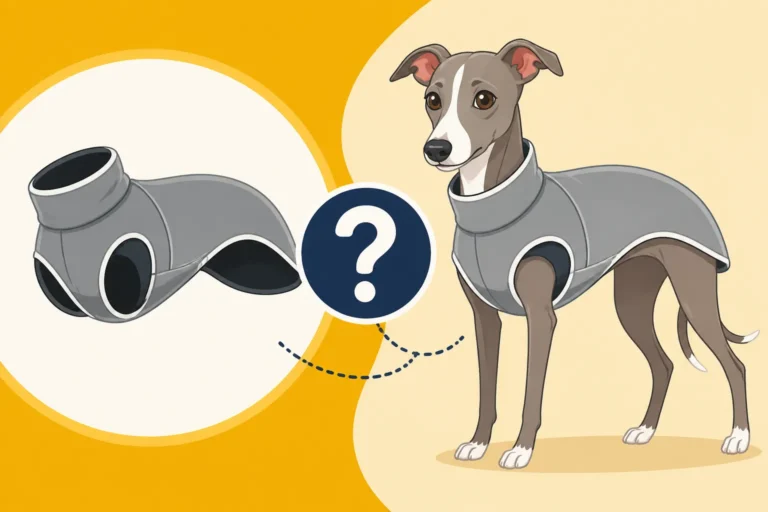
The thin skin means that incisions need to be closed meticulously to prevent tearing or poor healing, which might involve more sutures or a more delicate stitching technique. Furthermore, during recovery, the risk of incision rupture or irritation is higher, necessitating extra precautions and potentially specialized recovery suits or cones that are more comfortable for their sensitive skin. If you've ever dealt with Cuts, Scrapes and an Italian Greyhound's Paper Thin Skin, you know exactly how easily they can injure themselves, and a surgical incision is no exception. This added layer of fragility means vets often allocate more time and resources to the surgical closure and post-operative care planning, which naturally increases the bill.
The "Hidden" Costs of Specialized Anesthesia Protocols
For an Italian Greyhound, anesthesia is not a one-size-fits-all affair. Their breed-specific sensitivities mean that what might be a standard protocol for a Labrador or a Golden Retriever simply won't cut it, or worse, could be dangerous. This is where a significant chunk of the "extra" cost comes into play, as your vet invests in specialized care to mitigate risks.
Sighthound-Specific Drug Choices and Monitoring
The metabolic pathways of Italian Greyhounds are different, particularly concerning how they process certain anesthetic drugs. For instance, some older barbiturates or even some modern sedatives can stay in an IG's system for too long, leading to prolonged recovery times, severe hypothermia, and even organ damage. A vet experienced with sighthounds will choose drugs specifically designed for safer, faster metabolism in these breeds, which can be more expensive than their generic counterparts.
Beyond the drugs themselves, the monitoring required for an IG during anesthesia is far more intensive. This includes continuous monitoring of heart rate, blood pressure, oxygen saturation, carbon dioxide levels, and body temperature. Many clinics use advanced monitoring equipment that might not be standard for routine procedures on other breeds. Furthermore, dedicated personnel, like a veterinary technician solely focused on monitoring your IG's vital signs, are often a necessity. This increased level of attention and specialized equipment contributes directly to the higher fees. Why Anesthesia Is Handled Differently in an Italian Greyhound is a critical piece of knowledge for any owner.
Temperature Regulation and Recovery Warmth
Because of their minimal body fat and thin skin, Italian Greyhounds struggle immensely with temperature regulation, especially under anesthesia. They lose body heat rapidly on the cold steel of an operating table, and hypothermia is a serious risk that can complicate recovery and even lead to organ stress. To counteract this, clinics must employ active warming measures throughout the entire procedure and well into recovery.
This means heated surgical tables, warm air blankets (like a Bair Hugger), IV fluid warmers, and even special warming incubators post-surgery. These aren't just blankets; they are specialized medical devices that incur costs. Your vet's team will spend considerable time and resources ensuring your IG remains warm from the moment sedation begins until they are fully awake and stable. This meticulous attention to thermal support is vital for preventing complications, but it does add to the overall cost, as it requires specialized equipment and staff time. Ensuring your Italian Greyhound is warm after surgery is paramount.
Pre-Surgical Requirements and Diagnostics
Before any Italian Greyhound goes under anesthesia, a thorough health screening is absolutely non-negotiable. While pre-surgical bloodwork is standard for many pets, the depth and scope of these diagnostics for an IG often go above and beyond, again impacting the final bill.
Extensive Pre-Anesthetic Bloodwork
Your vet will likely recommend a comprehensive panel of blood tests, including a complete blood count (CBC) to check for anemia or infection, and a biochemistry panel to assess organ function, particularly the liver and kidneys. For an Italian Greyhound, this is even more critical because their unique metabolism means their organs process drugs differently. The vet needs to ensure these vital organs are functioning optimally to safely clear anesthetic agents from their system.
Beyond the basic panel, some vets might suggest additional tests, such as a coagulation profile to check blood clotting abilities, especially if there's any concern about bleeding during surgery. These tests are essential to identify any underlying conditions that could increase anesthetic risk, allowing the vet to tailor the protocol or, in some cases, postpone the surgery until a health issue is resolved. While it might seem like a lot of tests, this proactive approach significantly reduces risks and helps prevent costly complications down the line. It's an investment in safety. Many pet insurance providers, like Healthy Paws, often cover diagnostic tests, which can help offset some of these upfront costs if you've enrolled your dog. Bloodwork Before an Italian Greyhound's Anesthesia is a topic worth exploring further for peace of mind.
Thorough Physical Exam and Cardiac Screening
A comprehensive physical examination before surgery is always standard, but for an Italian Greyhound, the vet will pay extra close attention to specific details. This includes thoroughly checking their heart and lungs for any murmurs, arrhythmias, or respiratory issues that could be exacerbated by anesthesia. Given their delicate nature, even subtle signs can be significant.
In some cases, especially for older IGs or those with a suspected heart issue, the vet might recommend additional cardiac screening, such as an electrocardiogram (ECG) or even an echocardiogram (ultrasound of the heart) to get a full picture of their heart health. While these specialized tests are an added expense, they provide invaluable information that allows the veterinary team to create the safest possible anesthetic plan. You want to make sure your vet is very familiar with The Heart Murmur an Old Italian Greyhound Develops if your dog is older, as this can affect anesthetic choices.
Here's a quick comparison of potential cost factors between a standard small dog neuter and an Italian Greyhound neuter:
| Cost Factor | Standard Small Dog Neuter (Typical) | Italian Greyhound Neuter (Higher Likelihood) |
|---|---|---|
| Anesthesia Drugs | General-purpose, less expensive agents often used | Sighthound-specific, faster-acting, potentially more expensive drugs needed |
| Anesthesia Monitoring | Basic heart rate, oxygen saturation, temperature | Advanced, continuous monitoring (BP, CO2, dedicated tech) for longer periods |
| Temperature Management | Basic blankets, occasional warming pads | Heated surgical table, Bair Hugger, IV fluid warmer, recovery incubator |
| Pre-surgical Bloodwork | Standard CBC/Chemistry panel | Comprehensive CBC/Chemistry, potentially coagulation profile, specialized tests |
| Cardiac Screening | Auscultation only, unless strong suspicion | Thorough auscultation, potentially ECG/Echocardiogram for peace of mind |
| Surgical Time/Technique | Standard incision closure | Meticulous incision closure, extra care with delicate skin and tissue |
| Post-operative Care | Standard recovery space, basic e-collar | Warm, quiet recovery, specialized soft e-collar/recovery suit, pain management |
| Staff Expertise | General veterinary staff | Veterinarians/techs with specific sighthound anesthesia experience |
Post-Operative Care and Potential Complications
Even after the surgery is successfully completed, the costs for an Italian Greyhound's neuter can continue to climb due to their specific post-operative needs and the higher potential for certain complications. Their delicate nature requires a more tailored approach to recovery than many other breeds.
Pain Management and Medications
While all dogs need pain management after surgery, Italian Greyhounds, with their low body fat and thin skin, can sometimes experience pain more acutely or react differently to standard pain medications. Your vet will prescribe appropriate pain relief, but they might opt for specific medications that are gentler on their system or require a multi-modal approach to pain control, which can mean more varied or expensive drugs.
Furthermore, some IGs might require anti-inflammatory medications to manage swelling and promote healing. It's not uncommon for these medications to be carefully selected to avoid any adverse reactions in their sensitive systems. Adherence to the medication schedule is crucial for their comfort and healing, and these medications are an undeniable part of the overall cost. Keeping a close eye on their comfort levels and having easily digestible food like that from Ollie can also aid in a smoother recovery.
Recovery Challenges and Supplies
The actual recovery process for an Italian Greyhound can be more demanding than for other dogs. Their zoomies, even when recovering, can lead to accidental self-injury if not properly managed. Because their skin is so thin, they are at a higher risk of tearing sutures or developing skin irritation from traditional hard plastic cones. This often necessitates investing in softer, more comfortable Elizabethan collars or specialized recovery suits designed to protect the incision without causing undue stress.
You might also need to ensure they have extra soft, warm bedding for their recovery period, and perhaps even ramps or steps to prevent them from jumping off furniture, which could put strain on their incision or, worse, lead to a leg fracture. Ramps and Steps for an Italian Greyhound's Furniture are a wise investment, not just post-surgery, but for their entire lives. Purchasing these specialized recovery items from pet supply retailers like Chewy can add up, but they are essential for a safe and comfortable healing process.
Addressing Potential Complications
While complications are rare, they are always a possibility with any surgery, and for an Italian Greyhound, some issues can be more challenging or costly to resolve. For example, excessive bleeding during or after surgery, though uncommon, might require additional interventions or longer observation times. Infection at the incision site, while preventable with good sterile technique and post-operative care, could necessitate antibiotics and extra vet visits.
One unique concern for male Italian Greyhounds post-neuter is scrotal hematoma or swelling. Due to their thin skin and sometimes larger scrotal sacs, some bruising and swelling are normal, but excessive amounts can be painful and may require additional monitoring, cold compresses, or even a recheck with the vet. Being prepared for these potential, albeit infrequent, complications means having a little extra wiggle room in your budget or ensuring your pet insurance would cover unexpected post-surgical care. What an Italian Greyhound's Emergency Vet Visit Costs can quickly put things into perspective if unexpected issues arise.
Budgeting for your Italian Greyhound's neuter means looking beyond the initial quote. It involves understanding their unique physiological needs, recognizing the specialized care required for anesthesia, preparing for thorough pre-surgical diagnostics, and anticipating potential recovery challenges. While the costs might seem higher, they reflect the careful, breed-specific attention your Italian Greyhound deserves for a safe and successful procedure.
Disclaimer
This article is for general informational purposes only and does not constitute professional advice. Laws, prices and regulations vary by location and change over time. Consult a qualified professional for guidance on your specific situation.