Which Weight Band an Italian Greyhound Falls In for Flea Medication
One of the trickiest parts of caring for an Italian Greyhound is navigating the world of medications, especially when those doses are tied to weight. Because our Iggies are such unique, delicate, and often lean little creatures, fitting them into standard "weight bands" for things like flea and tick prevention can feel like trying to squeeze a square peg into a round hole. You're constantly wondering if your dog is truly in the right category, or if being on the lighter or heavier end of a band will make a difference. This guide is here to walk you through how to figure out which weight band your Italian Greyhound typically falls into for flea medication, why it's not always straightforward, and most importantly, why your veterinarian is your best friend in this process.
Understanding Italian Greyhound Weight: It's Not Just About the Number
When you look at a chart for flea medication, you'll see neat little boxes: "Up to 10 lbs," "10-20 lbs," and so on. But for an Italian Greyhound, that single number on the scale doesn't always tell the whole story. Their unique build means we need to think a bit differently.
Typical Weight Range for Italian Greyhounds
Most adult Italian Greyhounds fall into a weight range of about 7 to 14 pounds. You might have a petite little girl at the lower end or a more substantial male closer to 15 pounds. This range immediately puts them into the lowest available weight bands for most medications. For example, a common first band might be "up to 10 lbs" or "2-10 lbs." If your Ig weighs 8 pounds, they fit comfortably. But what if they weigh 10.5 pounds? Or 11 pounds? This is where the anxiety starts for many owners. Is that half-pound really enough to push them into the next, higher dose band? This is a valid concern, because Iggies are so small and sensitive, and over-dosing, even slightly, can have serious consequences.
Body Condition Score vs. Scale Weight for Iggies
Unlike many breeds, where a certain weight might look perfectly healthy, Italian Greyhounds are built for speed and leanness. Their prominent hip bones, visible ribs, and tucked-up waist are not signs of being underweight; they're hallmarks of the breed. This means that a visual assessment, often called a Body Condition Score (BCS), is incredibly important. You should be able to easily feel your Ig's ribs, spine, and hip bones without pressing hard. If they feel like a washboard, that's likely too thin. If you can't feel them at all, they might be carrying too much weight, which can put stress on their delicate bones and joints.
Why does this matter for flea medication? Because sometimes, an Ig might technically weigh enough to hit the bottom of the next weight band, but their actual body condition suggests they are still very lean. A veterinarian can give you a much better assessment of whether that scale weight truly reflects a body mass that can safely handle a higher dose. This is particularly crucial for our breed, which typically carries only Seventeen Percent Body Fat.
Growth and Development: Puppy Considerations
Puppies are an entirely different ballgame when it comes to weight bands. An Italian Greyhound puppy grows incredibly quickly in their first few months, and their weight can change week to week. This means that the weight band they fall into for their initial flea prevention might only be valid for a very short period.
For example, a tiny 8-week-old Ig might be 2 pounds, comfortably in a "2-5 lbs" band. By 12 weeks, they could be 4-5 pounds. By 6 months, they might be 7-8 pounds. This rapid growth requires constant vigilance and frequent re-evaluation of their medication dosage. Never assume a dose that was right last month is still right this month for a growing puppy. You should be Weighing an Italian Greyhound Puppy Every Week to keep tabs on their progress. Always check the specific product label for minimum age and weight requirements, as some medications aren't suitable for very young puppies.
Navigating Flea and Tick Medication Weight Bands
Most flea and tick medications come in predetermined dosages tied to specific weight ranges. This makes it easy for the average dog owner, but often causes a headache for Italian Greyhound parents.
Common Weight Band Categories
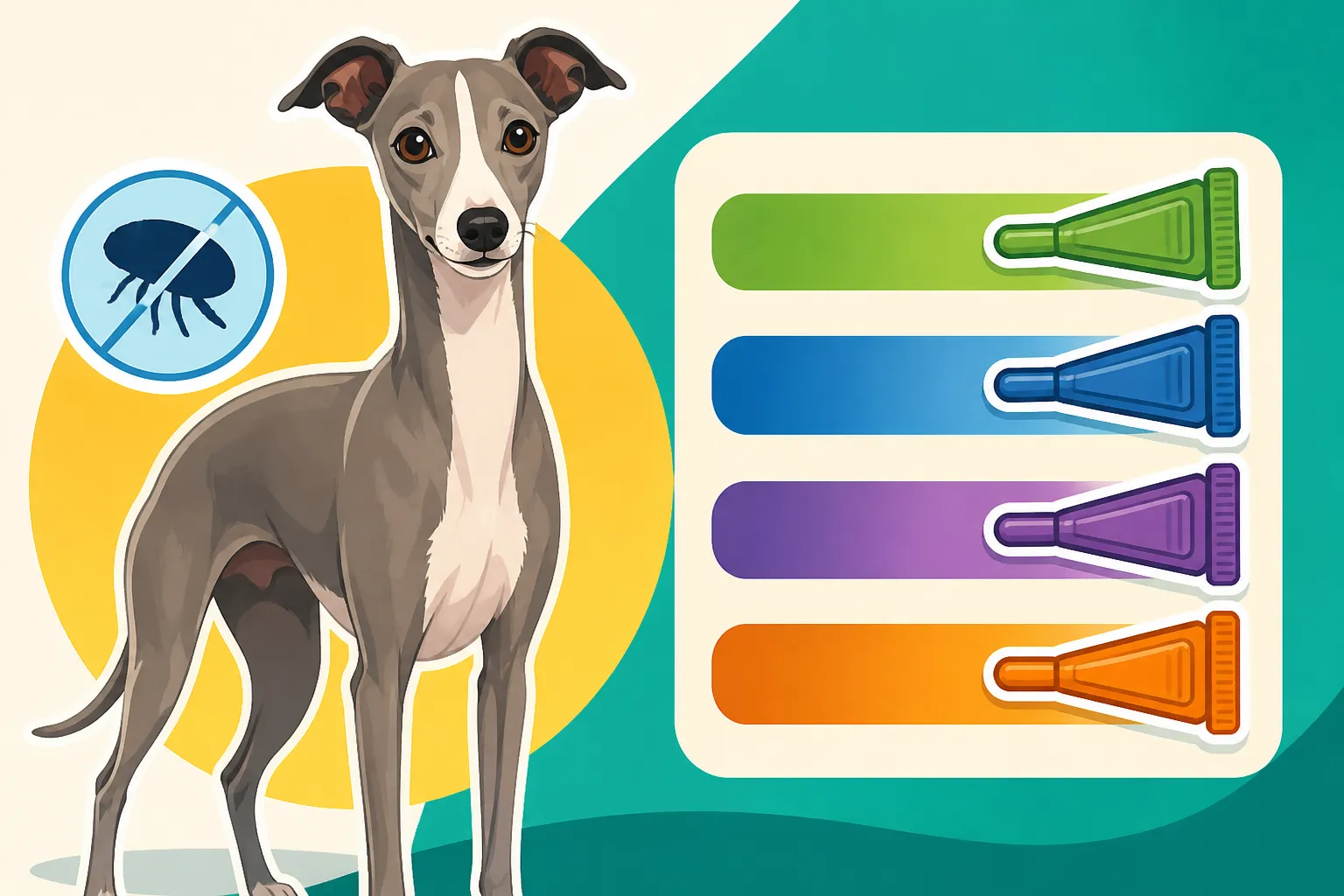
Most oral or topical flea and tick preventatives are sold in weight categories like these:
- Extra Small Dog: Often 2-10 lbs, 5-10 lbs, or "up to 9 lbs."
- Small Dog: Typically 10-20 lbs or 11-25 lbs.
- Medium Dog: Usually 20-40 lbs or 26-50 lbs.
- And so on, for larger dogs.
As you can see, our Iggies almost universally fall into the "Extra Small" or the very bottom of the "Small Dog" category. The problem arises when your Italian Greyhound weighs, say, 10.2 pounds. Are they still considered "up to 10 lbs" for the smaller dose, or should they move up to the "10-20 lbs" category, which is designed for dogs twice their size? This is not just an academic question; it's about their safety and the efficacy of the medication.
The "Underweight" or "Just Above" Dilemma
This is perhaps the most frustrating aspect for Italian Greyhound owners. You have an Ig who weighs 10.5 lbs, and the "extra small" dose is for dogs up to 10 lbs, while the "small" dose starts at 10 lbs. This seemingly tiny difference can be huge for a dog with such a lean body mass. Giving a dose intended for a 20-pound dog to a 10.5-pound Italian Greyhound could be an overdose, leading to side effects. On the other hand, under-dosing means the medication might not be effective, leaving your Ig vulnerable to fleas and ticks.
What to do in this situation? This is precisely why a direct conversation with your veterinarian is non-negotiable. They understand the pharmacology of the drug, your dog's individual health history, and their specific body composition. They might advise:
- Sticking with the lower dose if your Ig is very lean, despite being slightly over the cutoff.
- Considering a different brand or type of medication that offers a more granular dosing option or has a different safety profile.
- Carefully splitting a larger dose if the medication allows for it (though this should only be done under direct veterinary guidance and for specific types of medication, never haphazardly with oral tablets).
Types of Flea Medications and Their Dosing
Flea medications come in various forms, and while all are weight-dependent, some might offer more flexibility or have different considerations for Iggies.
- Topical Spot-Ons: These are applied directly to the skin, usually between the shoulder blades. The liquid absorbs into the dog's oil glands or bloodstream. The dose is pre-measured in pipettes. For Iggies, whose skin can be sensitive, watching for local irritation at the application site is important.
- Oral Medications: These are chewable tablets given by mouth. They are absorbed into the bloodstream. Many oral options are highly effective, but again, the weight band is critical. For a picky eater, giving a chewable might be a challenge, though some brands like Chewy offer a wide variety of palatable options.
- Collars: Some collars release active ingredients that spread over the dog's skin or absorb into their system. While less common for very small dogs in terms of primary flea control, they exist. Ensure the collar fits properly and doesn't cause skin irritation on their delicate necks.
Why Precision Matters
It's tempting to think that "a little extra can't hurt" or "a little less won't matter." But with flea and tick medications, precision is key.
- Under-dosing: If your Italian Greyhound receives too little medication, it won't be effective. This leaves them vulnerable to fleas, ticks, and the diseases these parasites carry, such as Lyme disease or Ehrlichiosis. Fleas can also cause skin irritation and secondary infections, which are particularly uncomfortable for Iggies with their thin skin. How Easily an Italian Greyhound Picks Up Fleas
- Over-dosing: Giving too much medication can lead to adverse reactions, ranging from mild side effects like lethargy, vomiting, or diarrhea, to more severe neurological issues like tremors or seizures. Given an Italian Greyhound's small size and lean body mass, they can be more susceptible to these effects. It's not worth the risk.
Consulting Your Veterinarian: The Ultimate Authority
Let me say this loudly for the people in the back: Your veterinarian is absolutely your most valuable resource when it comes to medicating your Italian Greyhound. They have the training, experience, and knowledge of your individual dog to make the best recommendations.
Personalized Advice Tailored to Your Ig
Every Italian Greyhound is an individual. They have different activity levels, dietary needs, underlying health conditions, and sensitivities. Your vet doesn't just look at a number on a scale; they consider:
- Your Ig's medical history: Are there any known sensitivities to certain drugs? Has your Ig had liver or kidney issues? Liver Shunt in an Italian Greyhound Puppy
- Their current health status: Are they on other medications that could interact? Are they recovering from an illness?
- Their body condition: As discussed, a 10-pound Ig who is very lean might be dosed differently than a 10-pound Ig who is carrying a bit more weight.
- Local parasite prevalence: The type and severity of flea and tick issues in your area might influence the best choice of preventative.
Your vet can help you choose the safest and most effective product, whether it's a topical application, an oral chew, or another option. They can also advise on how frequently to administer it based on your lifestyle and your Ig's exposure risk.
Discussing Off-Label or Alternative Options
Sometimes, a veterinarian might suggest a dose that seems "off-label" from what's printed on the box, or they might recommend a product not typically marketed for flea prevention if it suits your Ig better. This is done with careful consideration and expertise. For instance, they might suggest giving a portion of a larger tablet if it can be safely and accurately divided, or they might recommend a product with a wider safety margin.
They might also discuss alternative ways to manage flea and tick prevention, especially if your Ig has specific sensitivities. This open conversation is vital. Don't be afraid to ask questions if you feel unsure about a recommendation.
Regular Check-ups and Weight Monitoring
Regular veterinary check-ups are essential for maintaining your Italian Greyhound's overall health and ensuring their medications are always appropriate. During these visits, your vet will accurately weigh your Ig and assess their body condition. This is particularly important for growing puppies and senior Iggies, whose weight and health needs can change more rapidly. What Changes in an Italian Greyhound After Eleven
Maintaining a healthy weight is part of the battle. If your Ig is prone to being too thin, perhaps due to pickiness, a vet might recommend certain supplements or diet changes. Brands like Ollie offer customized fresh food plans that can help maintain a healthy weight and provide optimal nutrition. If your Ig accidentally gains a few pounds, your vet can advise on how to safely manage that. Monitoring their weight helps ensure they always receive the correct dose of preventative medication.
A good record of your Ig's weight over time can be incredibly helpful for your vet in making decisions. This consistent care, supported by a pet insurance policy like those from Healthy Paws, can help you manage unexpected vet bills, whether it's for a routine check-up or a more serious health concern.
Practical Tips for Italian Greyhound Owners
Beyond the vet's office, there are things you can do at home to help manage your Italian Greyhound's flea medication needs.
Accurate Weighing at Home
While your vet has professional scales, you can also keep an eye on your Ig's weight at home. A small digital pet scale can be a great investment. If you don't have one, you can use a regular bathroom scale:
- Weigh yourself first.
- Pick up your Italian Greyhound and step back on the scale.
- Subtract your weight from the combined weight.
This method isn't always perfectly precise for very small dogs, but it gives you a good baseline and helps you notice any significant changes. Try to weigh your Ig at the same time of day (e.g., before breakfast) for consistency.
Keeping Detailed Records
Maintain a small notebook or a digital file where you log your Italian Greyhound's weight, the date you administered flea and tick medication, the product name, and the dosage. This information is invaluable for your vet and helps you stay organized. It also allows you to track patterns in their weight or any reactions to medications. This is especially helpful if you need to travel or if another family member or pet sitter needs to administer medication.
Sourcing Medications Safely and Reputably
Always purchase your Italian Greyhound's flea and tick medication from a trusted source. This typically means your veterinarian's office or a reputable online pharmacy that requires a prescription. Be wary of websites or stores offering drastically discounted prices without requiring a prescription, as these products may be counterfeit, expired, or improperly stored, rendering them ineffective or even dangerous. Online retailers like Chewy often have pharmacy services that work directly with your vet to ensure you get authentic products.
Considering Diet and Overall Health
A healthy, well-nourished Italian Greyhound is better equipped to handle any medication. Ensure your Ig is eating a high-quality diet appropriate for their age and activity level. If you're concerned about your Ig's weight, either too thin or too heavy, discuss it with your vet. Sometimes, dietary adjustments can make a big difference. For instance, if your Ig needs to put on a bit of healthy weight, a vet might suggest a calorie-dense, palatable food. Conversely, if they're a bit chunky (which increases Why an Overweight Italian Greyhound Is at Fracture Risk), your vet can help you create a safe weight-loss plan. Good nutrition contributes to a strong immune system and healthy skin, both of which are important for warding off parasites and recovering from any potential issues.
In conclusion, while weight bands provide a starting point for flea medication, the nuances of Italian Greyhound physiology demand a more considered approach. Always lean on your veterinarian's expertise, keep a close eye on your Ig's weight and body condition, and source your medications responsibly. Your little Ig deserves the most precise and safest care you can provide!
Disclaimer
This article is for general informational purposes only and does not constitute professional advice. Laws, prices and regulations vary by location and change over time. Consult a qualified professional for guidance on your specific situation.