Whether an Italian Greyhound Is Cheaper Than a Whippet
It's a common misconception that a smaller dog automatically comes with a smaller price tag. When you're looking at elegant, athletic sighthounds like the Italian Greyhound and the Whippet, it's easy to assume their streamlined builds mean similar expenses. However, while they share some traits, there are distinct differences in their cost profiles that can genuinely surprise prospective owners. This guide will walk you through the financial realities of owning each breed, helping you understand where your money will truly go.
Initial Purchase Price and Adoption Fees
The journey to bringing either an Italian Greyhound or a Whippet home begins with the initial cost, whether you're working with a reputable breeder or going through a rescue organization. While both breeds command respect and careful consideration, their price points can sometimes reflect different demand levels, breeding complexities, and veterinary investments made by responsible sources.
Breeder Costs for Each Breed
When you're looking for a puppy from a reputable breeder, expect to pay a significant amount for either an Italian Greyhound or a Whippet. For Italian Greyhounds, their delicate nature and often smaller litter sizes can contribute to a specific price point. Breeders invest heavily in health clearances for the parents—things like eye exams and patella checks—and the early care of these tiny puppies requires constant vigilance. They are often seen as a somewhat specialized breed within the toy group, and the cost reflects the expertise and dedication involved in breeding them responsibly. Don't be fooled into thinking their small stature means they should be cheap; a suspiciously low price for an IG puppy is often a red flag, hinting at a lack of proper health testing or poor socialization, which can lead to far greater costs down the road. You really need to consider What a Cheap Italian Greyhound Puppy Signals.
Whippets, while larger, are also elegant sighthounds with specific breeding considerations. Their breeder prices are often quite comparable to Italian Greyhounds. While they might have slightly larger litters on average, responsible Whippet breeders also invest in extensive health testing for eyes, hearts, and sometimes even hearing. The cost reflects not just the puppy itself, but the breeder's commitment to the health, temperament, and longevity of their lines. In many regions, the demand for well-bred Whippets is high, especially for those interested in performance events like lure coursing or straight racing, which can also influence pricing. Ultimately, for a healthy, well-socialized puppy from a responsible breeder, both breeds represent a similar initial financial commitment.
Rescue and Adoption Fees
Choosing to adopt a dog is a wonderful path, and both Italian Greyhounds and Whippets can be found through breed-specific rescues or general animal shelters. The adoption fees for either breed tend to be quite similar, as they are designed to cover the extensive veterinary care the rescue provides before adoption: spaying or neutering, vaccinations, microchipping, and any necessary medical treatments for pre-existing conditions. These fees are typically standardized by the rescue organization and don't usually vary drastically between a small Italian Greyhound and a slightly larger Whippet.
Italian Greyhounds in rescue often come with a history that might include neglect, abandonment, or owners who simply weren't prepared for their unique needs, such as their fragility or housetraining challenges. Rescues dedicate significant resources to rehabilitating these dogs, which is reflected in the adoption fee. Whippets also find their way into rescue for various reasons, though perhaps less often due to their fragility. They might be older dogs, retired racers, or simply victims of changing family circumstances. While Whippets are generally seen as a bit more robust than IGs, any rescue dog, regardless of breed, might come with a hidden history that requires ongoing veterinary care, so it's always wise to ask about their known health status and temperament before committing.
Ongoing Veterinary Care and Health Concerns
This is often where the perception of cost truly diverges for these two breeds. While all dogs require regular veterinary attention, the specific health predispositions of Italian Greyhounds versus Whippets can lead to very different long-term financial burdens.
Breed-Specific Health Predispositions
Italian Greyhounds are, unfortunately, notorious for their fragile bones. A simple jump off the sofa can result in A Broken Leg Is the Emergency Every Italian Greyhound Owner Fears, and repairing such a fracture can be incredibly expensive, often requiring specialist orthopedic surgery and potentially costing thousands of dollars. Beyond fractures, dental disease is almost universal in the breed. Their small mouths are prone to overcrowding, leading to rapid tartar buildup and severe periodontal disease. This means many IGs need annual dental cleanings, which require anesthesia and can involve costly extractions. Periodontal Disease Is the Italian Greyhound's Most Common Diagnosis is a sad reality, making dental care a major, recurring expense. They also have a unique sensitivity to anesthesia due to their lean body mass and sighthound physiology, which necessitates extra monitoring and specialized protocols during any surgical procedure, including dentals, potentially increasing the cost of these services.
Whippets, on the other hand, are generally considered a remarkably healthy breed. While they are sighthounds and possess that elegant, lean build, their bones are significantly sturdier than those of their Italian Greyhound cousins. Fractures are far less common in Whippets and usually occur only during severe trauma or high-impact activities. They can certainly develop dental issues, but typically not to the severe and rapid extent seen in many Italian Greyhounds. While any dog can have an issue, a Whippet's dental needs are usually more manageable with regular home care and less frequent professional cleanings. Like all sighthounds, they can have some sensitivity to anesthesia, but it's often not as pronounced or challenging to manage as it is for the ultra-lean, tiny Italian Greyhound. This difference in primary health concerns means that while both breeds can incur vet bills, the type and frequency of potentially catastrophic or recurring expensive issues are often lower for a Whippet.
Routine Vet Visits and Preventative Care
For routine veterinary care, such as annual wellness exams, vaccinations, and parasite prevention (like heartworm and flea/tick medications), the costs for an Italian Greyhound and a Whippet will be quite similar. Both breeds will need their yearly check-ups, and the basic cost for these services doesn't typically discriminate by size. You'll budget for preventatives based on their weight, and while an IG's dose might be smaller (and therefore sometimes slightly cheaper per dose), the overall annual expense for these baseline items is comparable.
However, where things start to diverge is in the intensity of certain preventative care. For Italian Greyhounds, regular, often annual, professional dental cleanings are not just recommended, but often critical to their long-term health and comfort. As mentioned, How Often an Italian Greyhound Needs a Dental Cleaning is usually yearly, sometimes even every six months, for many individuals to prevent severe disease. These cleanings, with anesthesia, blood work, and potential extractions, are not inexpensive. For a Whippet, while dental care is vital and brushing is always encouraged, it's less common for them to require annual anesthetic cleanings from a young age. Their oral health often holds up better, potentially reducing the frequency and therefore the lifetime cost of dental interventions compared to an Italian Greyhound.
Daily Living Expenses: Food, Gear, and Grooming
Beyond the significant medical considerations, the day-to-day costs of keeping an Italian Greyhound or a Whippet also present some interesting differences. From what goes into their bowls to what goes onto their bodies, these breeds have distinct needs.
Food Costs and Dietary Needs
When it comes to food, the smaller size of the Italian Greyhound typically translates to a lower monthly food bill. These little guys don't need huge quantities of kibble or wet food to maintain their ideal, lean body condition. A high-quality small-breed formula or a fresh food diet like Ollie (if that's your preference) will last longer for an IG than for a Whippet, simply because of portion control. You might find that Why an Italian Greyhound Is Cheap to Feed rings true for your grocery budget. However, IGs can sometimes be notoriously picky eaters, which might lead to trying several different types of food or investing in more expensive, specialized diets if they have sensitive stomachs or simply turn up their noses at standard fare.
Whippets, being larger dogs, will naturally consume more food than an Italian Greyhound, leading to a higher monthly food bill. A typical adult Whippet can eat anywhere from 2-4 cups of kibble a day, depending on their activity level and metabolism, compared to a small IG who might only eat 1/2 to 1 cup. While Whippets are generally not considered as picky as some IGs, they still benefit from good quality nutrition tailored to active sighthounds. So, if you're looking at your budget solely through the lens of dog food, the Italian Greyhound will almost certainly be the cheaper option here.
Clothing, Beds, and Other Gear
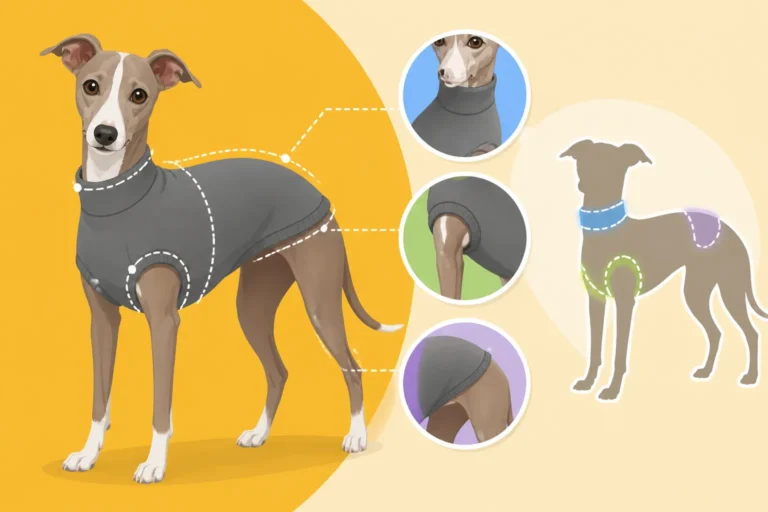
This is another area where Italian Greyhounds typically incur significantly higher costs. Due to their paper-thin skin, minimal body fat, and short coats, Italian Greyhounds are notoriously sensitive to cold. Owners find themselves investing heavily in a wardrobe of sweaters, coats, and even pajamas to keep them warm indoors and out. Clothing an Italian Greyhound Is a Real Budget Line, and it's not just for fashion; it's a necessity for their comfort and health. Many IGs also absolutely adore, and often need, heated beds or extra cozy blankets to burrow into to stay warm, especially during cooler months or if they live in an air-conditioned home. Furthermore, to mitigate the risk of leg fractures, many IG owners proactively install ramps or steps for furniture, adding another layer of expense to their home setup.
Whippets, while also lean and short-coated, are generally hardier than Italian Greyhounds when it comes to temperature tolerance. They will certainly appreciate a good quality coat for walks in cold or wet weather, and perhaps a warm blanket to snuggle under, but the extensive indoor wardrobe and the absolute necessity of heated bedding seen with IGs is far less common. They might need a sturdy, comfortable bed, but not necessarily one that provides supplemental heat. Their more robust bone structure also means that while ramps and steps can be a good idea for any dog, they are less of a critical, immediate necessity for fracture prevention than they are for Italian Greyhounds. Therefore, the ongoing investment in specialized gear to keep them warm and safe is generally lower for a Whippet.
Grooming Requirements
When it comes to grooming, both Italian Greyhounds and Whippets are wonderfully low-maintenance breeds, which means this category offers similar, and minimal, costs for either. Their short, fine coats require very little brushing – perhaps a quick once-over with a soft brush or a grooming mitt a couple of times a week to remove loose hairs and promote shine. Baths are only needed infrequently, usually when they get visibly dirty, and their short coats mean quick drying times. You'll find that Why an Italian Greyhound's Coat Takes Five Minutes a Week is pretty accurate, and the same goes for a Whippet.
The primary grooming costs for both breeds will involve nail trims. Because they are active dogs, their nails can wear down naturally to some extent, but regular trimming is almost always necessary to prevent overgrowth, which can cause discomfort or even lead to foot problems. You can learn to do this at home with a good set of clippers or a Dremel, or have it done by your vet or a professional groomer for a small fee. Neither breed typically requires professional haircuts, elaborate styling, or frequent trips to a grooming salon, making this a relatively inexpensive aspect of ownership for both.
Long-Term Financial Commitments and Unexpected Costs
Beyond the routine expenses, owning any dog involves planning for the long haul, including potential emergencies and the inevitable needs of senior life. This is where the cost comparison between Italian Greyhounds and Whippets can again highlight their unique challenges.
Pet Insurance and Emergency Funds
Given the Italian Greyhound's predisposition to fractures and significant dental issues, pet insurance is often not just recommended, but almost essential for many owners. A single broken leg can incur a bill of several thousand dollars, and if a plate is needed, or if there are complications, it can be even more. Whether an Italian Greyhound's Fracture Needs a Plate is a crucial question that can drastically affect the cost. Regular dental cleanings, especially if they involve multiple extractions, can also run into the hundreds or even over a thousand dollars per procedure. Good pet insurance plans, like those offered by Healthy Paws, can help cushion the financial blow of these common and costly issues. Owners often find that the peace of mind is well worth the monthly premium, or they ensure they have a robust emergency fund specifically earmarked for potential vet bills.
For a Whippet, pet insurance is still an excellent idea for any unexpected illness or accident that could befall any dog. While they don't have the same high risk for fragile bone fractures as IGs, accidents can still happen, and any surgical procedure or serious illness can be expensive. However, because the likelihood of recurring, incredibly high-cost events like complex fracture repairs or yearly extensive dental surgeries might be lower, the overall claims history and therefore potentially the long-term insurance costs might be slightly lower for a Whippet compared to an Italian Greyhound. Regardless of breed, having either a comprehensive insurance policy or a dedicated savings account for veterinary emergencies is a non-negotiable part of responsible dog ownership.
Senior Care and Lifespan Considerations
Both Italian Greyhounds and Whippets are renowned for their longevity. Italian Greyhounds often live 14 to 15 years, and Whippets typically enjoy a lifespan of 12 to 15 years. This means that owning either breed is a long-term commitment, and your financial planning needs to extend well into their senior years. While they are generally healthy breeds, extended lifespans inevitably mean a greater chance of developing age-related conditions. Caring for an Italian Greyhound Past Eleven will involve potential costs for managing arthritis, especially if they've had old injuries, cognitive decline, heart murmurs, or other common ailments of old age.
The cumulative effect of these longer lifespans means that Why an Italian Greyhound's Lifespan Raises Its Lifetime Cost is a significant factor. More years mean more annual vet visits, more preventative care, and a higher probability of needing specialized senior care, medications, or dietary adjustments as they age. While the specific conditions might differ slightly between the two breeds (e.g., an older IG might have more severe dental issues or arthritis from previous fractures), the general principle of increased medical and supportive care costs in their golden years applies equally to both. So, while initial and emergency costs might lean differently, the total lifetime cost due to their long lives can be quite substantial for both the Italian Greyhound and the Whippet.
Cost Comparison Summary
To give you a quick overview, here's a breakdown of how key cost categories might compare between these two wonderful sighthound breeds:
| Cost Category | Italian Greyhound | Whippet | Key Differentiator |
|---|---|---|---|
| Initial Purchase | Comparable to Whippet, sometimes slightly higher for well-bred, health-tested puppies. | Comparable to Italian Greyhound, may vary by breeder/region. | Both require significant upfront investment from reputable sources. |
| Vet – Emergency | High risk for very expensive complex fracture repairs; anesthesia sensitivity adds cost. | Lower risk for bone fractures; general emergency costs similar to other breeds. | IG's extreme fragility makes major fracture repair a significant financial risk. |
| Vet – Dental | Often annual cleanings and extractions are common and costly due to overcrowding/disease. | Routine cleanings recommended, typically less frequent or severe than IGs. | IGs almost universally require more intensive, frequent dental care. |
| Food | Lower monthly cost due to small size, though pickiness can lead to trying pricier options. | Higher monthly cost due to larger size and greater caloric needs. | Whippets consume more food. |
| Clothing/Gear | High investment (extensive indoor/outdoor wardrobe, heated beds, ramps for safety). | Moderate investment (winter coats for outdoor use, less need for heated items). | IGs require extensive warmth and safety measures due to cold sensitivity/fragility. |
| Grooming | Very low (minimal shedding, short coat, infrequent bathing, routine nail trims). | Very low (minimal shedding, short coat, infrequent bathing, routine nail trims). | Similar and inexpensive for both. |
| Pet Insurance | Highly recommended due to high risk of expensive fractures and recurrent dental issues. | Recommended for general health and accidents, but specific high-cost risks are fewer. | IG's specific health vulnerabilities make insurance almost a necessity. |
| Senior Care | Extended due to long lifespan (14-15 years), managing age-related conditions. | Extended due to long lifespan (12-15 years), managing age-related conditions. | Both have long lifespans, meaning more years of potential age-related costs. |
While both breeds are delightful companions, the Italian Greyhound, despite its smaller stature, often comes with a higher potential for significant veterinary expenses due to their delicate bone structure and pervasive dental issues. This, combined with their critical need for warmth and safety gear, can make them the more expensive choice in the long run compared to a Whippet, even if their food bill is lower.
Disclaimer
This article is for general informational purposes only and does not constitute professional advice. Laws, prices and regulations vary by location and change over time. Consult a qualified professional for guidance on your specific situation.