Whether an Italian Greyhound Needs Boots
As Italian Greyhound owners, we often find ourselves bundling up our delicate companions in sweaters and coats the moment there's a chill in the air. But what about those tiny, fragile paws? When the sidewalks are icy, the summer pavement is scorching, or the trail is rough, many of us wonder if boots are truly a necessary accessory or just another cute outfit. This comprehensive guide will delve deep into the unique needs of an Italian Greyhound's paws and help you determine whether boots are essential for your beloved companion's safety and comfort.
The Delicate Paws of an Italian Greyhound
Let's be honest, Italian Greyhounds are not built like robust working dogs. Their entire physique, from their slender bodies to their delicate bone structure, speaks to grace and speed, not rugged endurance. This extends right down to their paws, which are far more vulnerable than many people realize.
Understanding Their Unique Paw Anatomy
An Italian Greyhound's paw is a marvel of sighthound design – long, hare-like, and built for quick bursts of speed. However, this design comes with trade-offs. Their paw pads are typically quite thin, with less fatty cushioning than breeds designed for harsher terrain or sustained outdoor work. What's more, unlike many double-coated breeds, Italian Greyhounds have very little, if any, fur between their paw pads. This lack of insulation means their delicate skin is exposed directly to whatever surface they're walking on, offering little natural protection. It’s like us walking barefoot in conditions that would cause discomfort or injury. This unique anatomy makes them particularly susceptible to environmental extremes and rough surfaces.
When Cold Pavement Becomes a Problem
Just as an Italian Greyhound's thin coat makes them shiver even in moderate temperatures, their exposed paw pads are incredibly sensitive to cold. Think about how quickly your own bare hands or feet get numb and painful in freezing temperatures; it's a similar experience for them, but their pads are their constant contact point with the ground. When the pavement is cold, or worse, covered in ice or snow, their paws lose heat at an alarming rate. Prolonged exposure can lead to pain, cracking, and even frostbite – a serious condition that can cause permanent tissue damage. It's not just about comfort; it's a genuine health concern. We often discuss Why an Italian Greyhound Gets Cold on the Table during vet visits, but the ground beneath their feet is just as critical.
The Dangers of Hot Surfaces and Rough Terrain
It's not just winter that poses a threat to Italian Greyhound paws. Summer can be equally perilous. Hot asphalt and concrete can reach searing temperatures that are far too hot for delicate paw pads. Imagine walking barefoot on a blacktop parking lot in July – that's what your Italian Greyhound might be experiencing. These surfaces can cause painful burns and blisters, leading to significant discomfort and potentially costly vet visits.
Beyond temperature extremes, simply walking on typical outdoor surfaces can be a hazard. Sharp gravel, thorns, hidden bits of broken glass, or even rough concrete can easily cut or abrade their thin paw pads. Unlike a dog with tougher, furrier paws, an Italian Greyhound's skin can split quite easily. These injuries are not only painful but can become infected if not properly cared for. Cuts, Scrapes and an Italian Greyhound's Paper Thin Skin is a constant concern for owners, and their paws are often the first point of contact with these dangers.
Evaluating the Need for Boots in Different Conditions
Given their delicate nature, it becomes clear that paw protection isn't a luxury for Italian Greyhounds; it's often a necessity. The specific conditions, however, will dictate just how vital boots truly are.
Winter Wonderland: Snow, Ice, and Salt
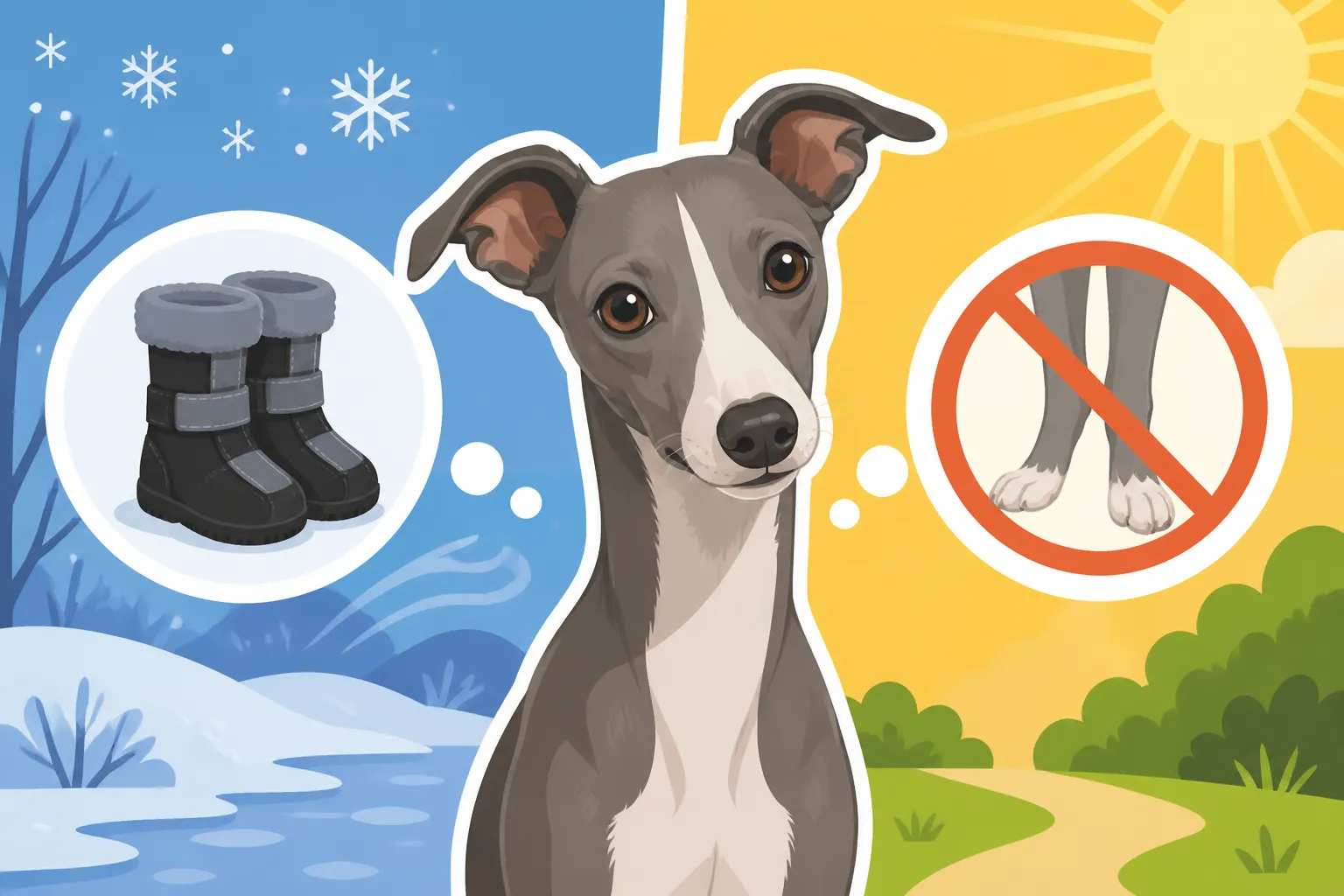
When winter truly bites, with snow blanketing the ground, ice creating slick surfaces, and local municipalities liberally spreading rock salt and de-icers, boots become almost non-negotiable for an Italian Greyhound. Snow and ice can quickly cause painful cold exposure and even frostbite, particularly if your dog is out for more than a quick potty break. Their tiny toes and thin pads offer minimal resistance to extreme cold.
But it's not just the cold itself. The chemicals used to melt ice on sidewalks and roads, like rock salt and various de-icing agents, are highly irritating and corrosive to paw pads. They can cause chemical burns, drying, cracking, and severe pain. Dogs often lick their paws after walking on these surfaces, ingesting harmful chemicals in the process. Boots provide a crucial physical barrier, protecting against both the biting cold and these caustic substances. While paw balms or waxes can offer some minor protection against salt, they are no match for the comprehensive barrier that well-fitting boots provide when you're Walking an Italian Greyhound in Snow. You can find various options for durable, weather-resistant boots at retailers like Chewy, ensuring your Iggy stays safe and warm during winter outings.
Scorching Summer Pavements
It's easy to remember coats in winter, but hot pavement in summer is an equally, if not more, insidious threat to an Italian Greyhound's paws. On a 77-degree Fahrenheit day, asphalt can reach a staggering 125 degrees. At 135 degrees, skin destruction can occur in just a minute. These temperatures are far too high for bare paws. The common "seven-second rule" (if you can't hold your hand on the pavement for seven seconds, it's too hot for paws) is a good guideline, but for an Italian Greyhound, even slightly cooler surfaces might still be uncomfortably warm.
Boots shield their sensitive pads from direct contact with superheated surfaces, preventing painful burns and blisters. This means you don't have to limit your walks to grassy areas or extreme early morning/late evening hours, which can be a huge relief for dogs that thrive on routine and outdoor sniffing adventures. It's an important consideration, especially since How an Italian Greyhound Handles Summer Heat can be a concern for their overall well-being.
Rough Trails and Urban Hazards
Even in mild weather, boots can be a wise choice if your Italian Greyhound frequents areas with rough terrain or urban hazards. Think about your local dog park, hiking trail, or even just a city sidewalk. These places can hide a multitude of dangers: sharp rocks, thorny bushes, broken glass, discarded trash, or even just abrasive concrete that wears down delicate pads over time.
For an Italian Greyhound, a simple sharp pebble could mean a deep cut, leading to limping, infection, and a trip to the vet. Their instincts to chase and dart mean they might not always watch where they're stepping. Boots act as a protective barrier, preventing direct contact with these harmful elements. While some dogs might find them awkward at first, the peace of mind knowing their paws are safe from unexpected cuts or abrasions is invaluable.
Choosing the Right Boots for Your Italian Greyhound
Deciding that your Italian Greyhound needs boots is one thing; finding the right pair and getting them to wear them is another! It requires a bit of patience and knowing what to look for.
Key Features to Look For
Selecting the right boots for your Italian Greyhound is crucial for both protection and comfort. Here’s what to prioritize:
- Fit is Paramount: This is the most important factor. Boots that are too loose will slip off, twist, or rub, causing discomfort and potentially skin irritation. Boots that are too tight will restrict blood flow and movement. Look for brands that offer multiple sizes and provide detailed measuring guides. You'll need to measure both the width and length of their paw while they are standing and putting weight on it.
- Material and Construction:
- Waterproof/Water-ResResistant: Essential for snow, rain, and wet grass. Look for materials like neoprene, synthetic leather, or rubberized fabric.
- Breathability: While waterproof, you also want some breathability to prevent sweat buildup and paw irritation.
- Durable Sole: The sole needs to be tough enough to withstand rough surfaces and provide good traction on slippery ground. Rubber or heavy-duty synthetic soles are ideal.
- Soft Interior: The inside should be smooth and free of abrasive seams to prevent rubbing.
- Closure Mechanisms: Secure closures are key to keeping boots on.
- Velcro Straps: Multiple, adjustable Velcro straps are common and effective. Ensure they wrap securely around the narrow part of the leg above the paw.
- Elastic Drawstrings/Cuffs: Some boots combine Velcro with elastic for a snugger fit.
- Height: For snow or deep puddles, a taller boot that extends further up the leg will offer better protection. For hot pavement, a shorter boot might suffice, as long as it stays on.
When considering options, look for reviews from other sighthound owners. Some popular brands, like Ruffwear or Muttluks, often get good feedback for their durability and design, though you'll always want to check individual product specifications to see Which Boots Stay On an Italian Greyhound specifically.
Introducing Boots to Your Sensitive Sighthound
Many Italian Greyhounds are naturally quite sensitive to new sensations, and boots can feel very strange at first. Don't expect them to love them instantly! The key is positive reinforcement and gradual introduction.
- Start Small: Just show them the boots, let them sniff them. Offer high-value treats and praise.
- One Paw at a Time: Gently put one boot on, offer a treat immediately. Let them wear it for a few seconds, then remove it. Repeat a few times. Don't force it if they're distressed.
- Two Paws, Then Four: Once they tolerate one boot, try two front paws, then two back paws, then all four. Keep sessions short and positive.
- Short Practice Walks: Once they can wear all four indoors for a few minutes, try a very short walk outside in a familiar, low-stress environment. They might do a funny "boot dance" at first – this is normal! Keep praising and treating.
- Consistency: The more regularly you use them (when needed), the more accustomed they will become.
Patience is your best friend here. If they associate boots with treats, praise, and fun walks, they'll be much more likely to accept them.
Alternatives and Complementary Paw Protection
While boots offer the most comprehensive protection for severe conditions, there are other products that can offer complementary or alternative solutions for less extreme scenarios.
- Paw Balms and Waxes: Products like Musher's Secret or various paw balms create a protective barrier on the pads. They can help moisturize dry, cracked pads, and offer a light shield against salt, sand, or very mildly cold surfaces. They are not a substitute for boots in deep snow, on icy surfaces, or scorching pavement, but they can be great for everyday conditioning and minor protection.
- Paw Socks: Thicker, grippy socks can be useful indoors to prevent slipping on hardwood floors or provide a bit of warmth. They offer minimal outdoor protection against harsh elements but could be a temporary solution for very brief outdoor potty breaks on cold, but not icy or salted, surfaces.
- Limiting Exposure: Sometimes, the best protection is simply avoiding the hazard. Walk your Italian Greyhound in grassy areas in summer, choose shaded routes, or avoid heavily salted sidewalks entirely. This might mean adjusting your routine, but it's often the safest choice.
Ultimately, the choice of protection depends on the specific conditions and your individual dog's tolerance. For maximum safety and peace of mind, especially in winter or on hot pavement, well-fitting boots are generally the superior option.
Beyond Boots: Overall Paw Health and Safety
While boots are a fantastic tool, they're just one part of a holistic approach to keeping your Italian Greyhound's paws healthy and happy throughout their long life.
Regular Paw Inspections and Care
Your Italian Greyhound's paws should be checked regularly – ideally daily – especially after walks. Look for any cuts, scrapes, punctures, redness, swelling, or foreign objects lodged between the pads. Even a tiny burr or sticker can cause significant irritation for their sensitive skin. Gently spread their toes apart and inspect the pads and nails.
Proper nail care is also crucial. Overly long nails can cause discomfort, affect gait, and even lead to painful injuries like torn nails. Because Italian Greyhounds can be sensitive, it's important to make nail trims a positive experience. You might want to refer to resources on How Often an Italian Greyhound's Nails Need Trimming for guidance. Keeping the paw pads moisturized with a veterinarian-approved balm can prevent cracking, which is not only painful but also creates entry points for bacteria.
Environmental Management
Being proactive about your Italian Greyhound's environment can prevent many paw-related issues. This means being mindful of where and when you walk them.
- Temperature Awareness: Plan walks for cooler parts of the day in summer and warmer parts of the day in winter.
- Surface Selection: Whenever possible, choose grassy or natural dirt paths over hot asphalt, icy concrete, or areas with known debris.
- Home Safety: Indoors, ensure slippery floors aren't a constant hazard. While not directly about paw protection from outdoor elements, preventing slips and falls helps protect their delicate joints and bones. You might even consider things like Ramps and Steps for an Italian Greyhound's Furniture to prevent jumping injuries that can also impact paw health indirectly.
By managing their environment and being aware of potential hazards, you can significantly reduce the risk of paw injuries and discomfort.
When to Consult Your Vet
Despite our best efforts, accidents and issues can still arise. Knowing when to seek professional veterinary attention is critical. Don't hesitate to call your vet if you notice:
- Limping or Reluctance to Walk: This is a clear sign of pain or injury.
- Excessive Licking or Chewing of Paws: This often indicates irritation, pain, or an embedded object.
- Deep Cuts, Punctures, or Severe Bleeding: These require immediate medical attention to prevent infection and ensure proper healing.
- Swelling, Redness, or Discharge: Signs of infection or inflammation.
- Blisters or Chemical Burns: These can be very painful and need prompt treatment.
Early intervention by a veterinarian can prevent minor issues from becoming serious complications, saving your Italian Greyhound unnecessary pain and potentially saving you higher treatment costs down the line. While Healthy Paws and other pet insurance providers can help mitigate the financial impact of unexpected injuries, preventing them through diligent care and appropriate gear like boots is always the best strategy.
Taking care of an Italian Greyhound's paws is an integral part of responsible ownership. Their sensitive nature means they truly do need extra consideration, and well-fitting boots are a practical, often necessary, investment in their comfort and long-term health.
Disclaimer
This article is for general informational purposes only and does not constitute professional advice. Laws, prices and regulations vary by location and change over time. Consult a qualified professional for guidance on your specific situation.