How Often an Italian Greyhound Needs Dental Work
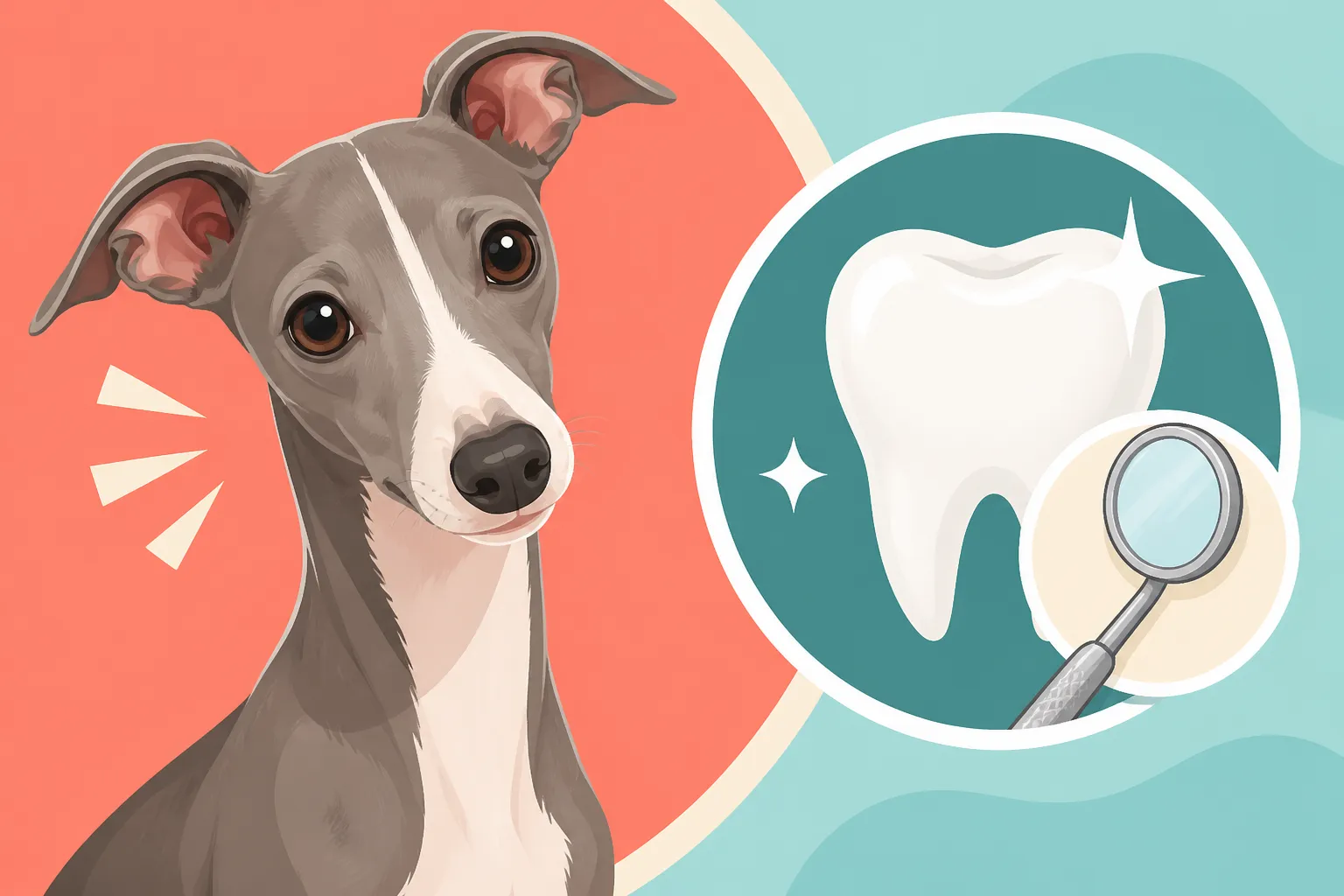
One of the most common and often frustrating realities for Italian Greyhound owners is the relentless battle against dental disease. It feels like you just had their teeth cleaned, only for the vet to tell you it's time again, and you're left wondering, "How often do Italian Greyhounds really need dental work?" This guide is here to shed light on why these beloved dogs are so prone to oral health issues, what a realistic dental care schedule looks like, and how you can work with your vet to keep their pearly whites (or what's left of them) as healthy as possible.
The Harsh Reality of Italian Greyhound Dental Health
It's a truth universally acknowledged among Italian Greyhound owners that these tiny sighthounds have big dental problems. It's not a reflection of poor care; it's simply the hand they've been dealt genetically, and understanding this is the first step in managing their oral health.
Why Their Mouths Are So Prone to Problems
Italian Greyhounds, with their elegant, refined features, come with a genetic predisposition to dental issues that can make keeping their mouths healthy a constant challenge. Their delicate, narrow muzzles often mean their teeth are crowded into a space that's simply too small for them. Imagine trying to fit all your furniture into a room half its size – things are going to get squished, overlap, and create hard-to-reach corners. That's essentially what happens in an Iggy's mouth. This crowding creates perfect little pockets for plaque and tartar to build up, especially between teeth and along the gum line, making them incredibly susceptible to Periodontal Disease Is the Italian Greyhound's Most Common Diagnosis.
This isn't just a cosmetic problem; it's a structural one. The tiny gaps and overlaps mean that the natural cleansing action of chewing is less effective, and even diligent home brushing can miss crucial spots. This anatomical reality is why Why an Italian Greyhound's Teeth Crowd is such a critical topic for new and experienced owners alike. It’s not just about what they eat or how well you brush; it’s about their inherent structure. We love their dainty faces, but we have to accept this trade-off comes with increased dental responsibility.
Recognizing the Early Signs of Trouble
The frustrating part about dental disease is that dogs are masters at hiding pain. By the time you notice something is truly wrong, the problem is often quite advanced. However, there are several key indicators that you, as a keen observer of your Italian Greyhound, can look out for. The most obvious, and often the first sign, is persistent bad breath. It’s not just "dog breath"; it's a foul, metallic, or rotten smell that signals bacterial overgrowth in their mouth. If your Iggy's breath could knock a buzzard off a outhouse, it's time to act.
Beyond bad breath, take a peek at their gums and teeth if your Iggy will allow it. Healthy gums are a pale pink, but if you see redness, swelling, or bleeding along the gum line, that's a red flag for gingivitis. Yellowish-brown crusts on the teeth, especially the molars and canines, indicate tartar buildup. Sometimes, dogs might start dropping food, chewing on one side of their mouth, or showing less enthusiasm for hard kibble or toys. They might even become more withdrawn or grumpy, as constant oral pain can certainly impact their mood. Catching these Signs an Italian Greyhound's Mouth Hurts early can save them from significant discomfort and you from more complex, costly interventions down the line.
Understanding the Veterinary Dental Cleaning Schedule
Once you recognize the potential for dental issues, the next logical question is how often a professional cleaning is actually needed. It's not a one-size-fits-all answer, but there's a baseline, and then there are specific factors that can shift that schedule.
The Baseline: Annual Cleanings for Most Iggies
For many Italian Greyhounds, the standard recommendation is an annual professional dental cleaning. This might sound frequent, especially if you're used to other breeds that can go longer, but it's a realistic expectation given their genetic predispositions. During this annual check-up and cleaning, your veterinarian or a veterinary dental specialist will conduct a thorough examination of their entire oral cavity, including below the gum line where a lot of the damage lurks unseen.
This involves scaling to remove plaque and tartar, both above and below the gum line, polishing the teeth to smooth the surfaces and deter future plaque accumulation, and then a comprehensive probing and charting of any periodontal pockets. Early intervention is key, as plaque can harden into tartar in as little as 24-48 hours. Missing these annual cleanings can allow mild gingivitis to progress rapidly into more severe periodontal disease, which is much harder to reverse and can lead to tooth loss and even systemic health problems. This commitment to regular care is why How Often an Italian Greyhound Needs a Dental Cleaning becomes a cornerstone of responsible Italian Greyhound ownership.
Factors That Increase Frequency
While annual cleanings are a good baseline, some Italian Greyhounds will inevitably need dental work more often – sometimes every six to nine months. Several factors play into this increased frequency, and it’s important to be honest with yourself and your vet about your specific dog’s situation. First and foremost, genetics play a huge role. Just like some people are more prone to cavities, some Iggies are simply predisposed to faster plaque and tartar buildup, regardless of care. This often means How Early Tartar Appears on an Italian Greyhound is alarmingly quick for some pups.
Diet is another factor; while dry kibble is sometimes touted for its tooth-cleaning benefits, the reality for a small-mouthed dog like an Iggy is often minimal. Soft foods or a diet high in carbohydrates can exacerbate plaque formation. Perhaps the biggest controllable factor is the consistency and quality of home dental care. If daily brushing isn't feasible or isn't done thoroughly, plaque and tartar will accumulate faster. Furthermore, if your Italian Greyhound has existing dental conditions, such as severe crowding, malocclusions, or a history of significant periodontal disease, your vet may recommend more frequent check-ups and cleanings to prevent recurrence and manage the condition proactively. It’s about listening to your vet and understanding that your Iggy's individual needs might not fit the "average" mold.
The Role of Home Dental Care in Extending Time Between Cleanings
You might feel overwhelmed by the thought of frequent vet visits for dental work, but there’s a lot you can do at home to help. Consistent home dental care is the single most impactful way to slow down plaque and tartar buildup, potentially extending the time between professional cleanings.
Brushing: The Gold Standard
When it comes to home dental care, daily tooth brushing is, without a doubt, the most effective method. Think of it like your own teeth – you wouldn't just rely on annual cleanings at the dentist, would you? The mechanical action of the bristles physically removes plaque before it hardens into tartar. For an Italian Greyhound, with their small mouths, finding the right brush is key. You'll want a very small toothbrush, often a finger brush or a child-sized toothbrush, that can reach all the surfaces without causing discomfort. Many Iggies respond well to pet-specific enzymatic toothpastes, which come in flavors like poultry or peanut butter, making the experience more palatable for them.
The goal isn't just a quick scrub; it's about gently brushing the outer surfaces of the teeth, especially focusing on the gum line, where plaque tends to accumulate most. Consistency is more important than duration, so even a minute or two daily is better than longer, infrequent sessions. Start slowly, make it a positive experience with praise and treats, and aim to establish a routine from puppyhood if possible. We have a whole guide dedicated to Brushing an Italian Greyhound's Teeth Every Day because it really is that crucial for their long-term health. While it takes dedication, the payoff in fewer advanced dental issues and potentially less frequent professional cleanings is immense.
Other Supportive Measures and Their Limitations
Beyond daily brushing, there are other products and strategies marketed to help with canine dental health. These can be supportive but should never replace brushing or professional veterinary care. Dental chews and treats, for example, can offer some mechanical abrasion to help reduce plaque, particularly on larger teeth. When selecting these, look for products that are approved by the Veterinary Oral Health Council (VOHC) for proven efficacy. Many owners find a good selection of VOHC-approved chews on sites like Chewy, which can be a convenient way to keep a supply on hand. However, it's vital to remember that not all dental chews are created equal, and some can even be too hard, posing a fracture risk to your Iggy's delicate teeth.
Water additives are another option, typically containing enzymes or antiseptics designed to reduce bacteria in the mouth. They are easy to use – just add to their drinking water – but their effectiveness can vary and they primarily address bacteria, not the physical removal of plaque. Similarly, specialized dental diets with larger kibble designed to scrub teeth as the dog chews can offer some benefit, but again, their impact is often limited, especially for smaller breeds with unique jaw structures. While these aids can be part of a comprehensive dental care plan, it's crucial to understand Whether Dental Chews Do Anything for an Italian Greyhound compared to the gold standard of brushing and professional cleanings. They are supplementary, not primary, tools in the fight against dental disease.
Here's a quick comparison of home care and professional cleanings:
| Feature | Home Dental Care (e.g., Brushing) | Professional Veterinary Cleaning |
|---|---|---|
| Primary Goal | Preventative, daily plaque removal | Therapeutic, remove hardened tartar, address existing disease |
| Frequency | Daily or every other day | Annually, or more often if needed |
| Anesthesia Required? | No | Yes (for thorough examination and cleaning) |
| Cost | Low (toothbrush, toothpaste) | High (exam, anesthesia, scaling, polishing, extractions, medication) |
| Visibility | Only visible tooth surfaces | Above and below gum line, X-rays |
| Effectiveness | Excellent for preventing new buildup, limited for existing tartar | Comprehensive for existing issues, critical for long-term health |
| Pain/Discomfort | Minimal if introduced gently | Managed with anesthesia and pain relief |
What Happens During an Italian Greyhound's Dental Procedure
A professional dental cleaning for an Italian Greyhound is much more involved than a quick scrub. It’s a comprehensive medical procedure designed to address existing issues and prevent future problems.
The Importance of Anesthesia
For many owners, the thought of their tiny Italian Greyhound going under general anesthesia for a dental cleaning is a major source of anxiety, and rightly so. However, it's absolutely crucial for a safe and thorough dental procedure. Unlike humans, dogs won't simply "open wide" and cooperate while instruments are scraping their teeth and probing their gums. Anesthesia allows the veterinary team to perform a detailed oral exam, scale all surfaces of the teeth (especially below the gum line where periodontal disease truly takes hold), and polish them without causing pain, fear, or injury to your dog.
Beyond cooperation, anesthesia ensures patient safety. It allows for advanced diagnostic imaging, like dental X-rays, which are vital for assessing the health of the tooth roots and jawbone – areas impossible to see on a conscious dog. Without anesthesia, these critical parts of the dental health assessment would be missed, and underlying problems could fester. For Italian Greyhounds, who are particularly sensitive to cold, specific protocols are followed to keep them warm and safe during and after the procedure. This is why Why an Italian Greyhound's Dental Requires Anesthesia is a non-negotiable part of responsible veterinary care, despite the understandable owner concerns. Your vet will conduct thorough pre-anesthetic bloodwork and physical exams to ensure your Iggy is as healthy as possible before the procedure.
Beyond the Cleaning: What Vets Look For
A professional dental procedure for your Italian Greyhound is far more than just "teeth cleaning." It's a comprehensive oral health assessment and treatment. Once your Iggy is safely under anesthesia, the real work begins. The veterinary team will meticulously scale away plaque and tartar, using specialized ultrasonic and hand instruments, not just on the visible crown but critically, under the gum line. This is where bacteria and inflammation do the most damage, forming periodontal pockets that can lead to bone loss and tooth decay.
After scaling, each tooth surface is polished to smooth out any microscopic etches where plaque could easily re-adhere. But perhaps most importantly, your vet will perform a thorough oral exam, probing for pocket depths around each tooth and charting any abnormalities. Dental X-rays are typically taken, as approximately 60% of dental disease lies below the gum line, invisible to the naked eye. These X-rays can reveal abscesses, bone loss, root resorption, or fractured tooth roots that would otherwise go undetected. If significant disease is found, such as deep pockets or compromised teeth, extractions may be necessary to remove the source of pain and infection. It's a sobering thought, but sometimes removing a diseased tooth is the kindest thing you can do for your Iggy's comfort and overall health. Understanding What Extractions Add to an Italian Greyhound's Dental Bill is important, as these often contribute significantly to the total cost.
Planning for the Costs of Ongoing Dental Care
The reality of frequent dental work means facing the financial implications head-on. It's an investment in your Italian Greyhound's quality of life, but it's an investment nonetheless.
Budgeting for Annual or Bi-Annual Cleanings
Let's be blunt: dental care for an Italian Greyhound is not cheap, and it's an ongoing expense you absolutely must factor into your budget. Given their propensity for dental disease, it's not a question of if your Iggy will need professional cleanings, but how often and what those cleanings will entail. Most Italian Greyhounds will require annual cleanings, and many will need them every six to nine months, especially as they age or if they have particularly challenging oral anatomy. Each procedure involves not just the cleaning itself, but also pre-anesthetic bloodwork, the anesthesia itself, dental X-rays, and potentially pain medication or antibiotics post-procedure. If extractions are needed, the cost will increase significantly per tooth.
This means you're looking at a substantial bill multiple times over your dog's life. It's not a one-and-done cost like spaying or neutering. Over their lifespan, the accumulated cost of dental care can easily run into the thousands. It sounds daunting, but anticipating these expenses allows you to plan. Some owners set aside a specific amount each month into a "vet fund," while others explore pet insurance. It's a commitment, but the alternative – allowing severe dental disease to go untreated – leads to pain, systemic health issues, and even shorter lifespans for our beloved companions. What an Italian Greyhound's Lifetime Dental Costs can be eye-opening, but knowing this upfront helps you prepare.
The Value of Pet Insurance
Given the significant and recurring costs of Italian Greyhound dental care, pet insurance can be an invaluable tool for many owners. While policies vary wildly, many comprehensive pet insurance plans, such as those offered by Healthy Paws, will cover a percentage of the costs associated with unexpected dental illnesses or injuries that require procedures like extractions, root canals, or treatment for periodontal disease once it has manifested. It's important to understand that routine preventative cleanings, which are considered wellness care, are often not covered by standard accident/illness policies, but rather by separate wellness add-ons, if available.
However, where pet insurance truly shines is in mitigating the financial shock of advanced dental problems. If your Iggy develops a painful tooth root abscess that requires complex extraction and antibiotics, or if they unfortunately suffer a fractured jaw during an extraction (a known, albeit rare, risk in these delicate-boned dogs), having insurance can significantly reduce your out-of-pocket expenses. It’s crucial to research plans carefully, pay attention to waiting periods for dental conditions, and understand what is considered "pre-existing" if your dog already has some dental issues. While it won't eliminate all dental costs, it can provide immense peace of mind when facing those larger, emergency dental bills.
Lifelong Commitment to Your Italian Greyhound's Oral Health
Caring for an Italian Greyhound’s teeth isn't a temporary project; it's a lifelong commitment that directly impacts their comfort, health, and happiness.
Preventing Serious Periodontal Disease
The ultimate goal of all this discussion about home care and professional cleanings is to prevent the progression of periodontal disease. This isn't just about keeping their breath fresh; it's about safeguarding their entire body. Periodontal disease is a progressive, painful infection that affects the tissues supporting the teeth. It starts with gingivitis, where plaque irritates the gums, causing inflammation. If left unchecked, it advances to periodontitis, destroying the bone and soft tissues that hold teeth in place, leading to tooth mobility, chronic pain, and eventual tooth loss.
What's often overlooked is that the bacteria from severe dental disease don't just stay in the mouth. They can enter the bloodstream, traveling to major organs like the heart, kidneys, and liver, contributing to serious systemic health problems. This is a critical point: How Dental Disease Shortens an Italian Greyhound's Life is not an exaggeration. By committing to regular veterinary check-ups, consistent home brushing, and timely professional cleanings, you're not just preventing bad breath; you're actively working to prolong your Italian Greyhound's healthy lifespan and ensure they live a life free from chronic oral pain.
Adapting Care as Your Iggy Ages
Just like us, Italian Greyhounds often experience changes in their dental health as they age, requiring an adaptation in their care routine. Senior Italian Greyhounds, generally considered to be over the age of eight or nine, may become even more susceptible to dental problems. Years of plaque and tartar accumulation, even with good care, can take their toll, and they may experience increased gum recession, more fragile teeth, or a higher likelihood of needing extractions. Your veterinarian might recommend more frequent dental check-ups and cleanings for an older Iggy, perhaps every six months, to stay on top of issues before they become severe.
Additionally, if your senior Iggy has lost several teeth due to disease, you might need to adjust their diet to softer foods to ensure they can eat comfortably and get adequate nutrition. Brands like Ollie, known for their fresh, gently cooked meals, can be a great option for older dogs with sensitive mouths or few remaining teeth. Keeping them warm and comfortable during and after any anesthetic procedure becomes even more vital as they age, as older dogs can be more sensitive to temperature fluctuations. Being proactive and adjusting your dental care strategy for Caring for an Italian Greyhound Past Eleven ensures that their golden years are as comfortable and pain-free as possible, allowing them to enjoy every moment with you.
Disclaimer
This article is for general informational purposes only and does not constitute professional advice. Laws, prices and regulations vary by location and change over time. Consult a qualified professional for guidance on your specific situation.