What an Italian Greyhound’s Lifetime Dental Costs
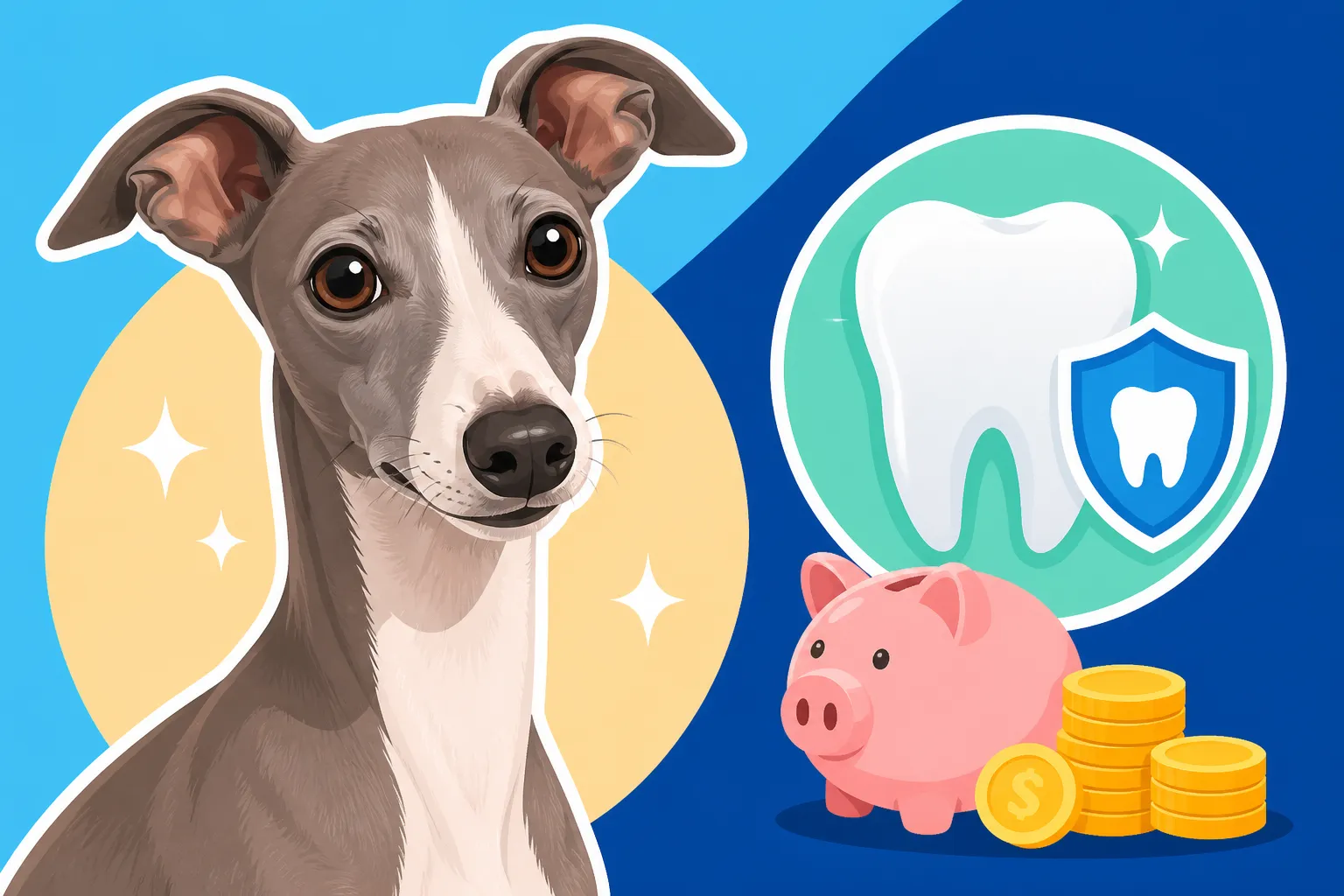
One of the most disheartening realizations for many Italian Greyhound owners is just how fragile and prone to dental problems their beloved companions are. It's not just a matter of bad breath; we're talking about chronic pain, infections that can spread throughout the body, and the very real possibility of losing teeth, or even fracturing a jaw, if dental issues are neglected. If you're wondering what an Italian Greyhound's lifetime dental costs might look like, you're not alone. This guide is here to help you understand the significant financial commitment involved in keeping your Italian Greyhound's mouth healthy and to equip you with the knowledge to navigate these often-unseen expenses.
The Harsh Reality of Italian Greyhound Dental Health
Let's face it, when you think about Italian Greyhounds, dental problems aren't usually the first thing that springs to mind. You're probably picturing their graceful lines, their incredible speed, or their endearing habit of snuggling deep under blankets. But beneath that delicate exterior lies a common and often expensive health challenge: their teeth. Ignoring dental care isn't an option, as it can lead to a lifetime of discomfort for your dog and a hefty bill for you.
Why Italian Greyhounds Are So Prone to Dental Problems
The unique head structure of an Italian Greyhound, while beautiful, is a major contributor to their dental woes. They have long, narrow muzzles, which often means their teeth are simply too large for the available space. This overcrowding is a recipe for disaster. When teeth are crammed together, they create tiny pockets and crevices where food particles and bacteria can easily get trapped. Brushing becomes incredibly difficult in these tight spots, and even professional cleanings can struggle to reach every surface effectively. It's a fundamental architectural flaw, really, and it means that from a very young age, your Italian Greyhound is already at a disadvantage when it comes to oral health. This issue of Why an Italian Greyhound's Muzzle Cannot Hold Its Teeth is a core reason for the struggles owners face.
Beyond just the crowding, the breed is genetically predisposed to developing tartar and plaque at an alarming rate. It’s not uncommon to see significant buildup even in young dogs, sometimes as early as one or two years old. This isn't just cosmetic; tartar is essentially a hardened bacterial film that irritates the gums and begins the cascade of periodontal disease. This genetic vulnerability means that Italian Greyhounds simply cannot afford the casual dental hygiene that some other breeds might get away with. Their delicate jawbones also make them more susceptible to fractures during complex extractions, adding another layer of risk and potential cost to their dental care.
Early Onset: When Dental Issues Typically Begin
Unlike many larger breeds where dental problems might not become noticeable until middle age, Italian Greyhounds often start showing signs of trouble much earlier. It’s not unusual for a puppy to retain some of its deciduous (baby) teeth, which can exacerbate crowding and accelerate plaque buildup. By the time they are two or three years old, many Italian Greyhounds already require their first professional dental cleaning. This early onset means that dental care isn't something you can put off; it needs to be a priority from puppyhood. Owners often find themselves thinking about The Age an Italian Greyhound Starts Losing Teeth far sooner than they ever anticipated.
The initial signs might be subtle: a faint odor on their breath, a slight redness along the gum line, or a yellowish tint to their teeth. These are not things to ignore. That "puppy breath" doesn't last forever, and bad breath in an Italian Greyhound is almost always a red flag for developing periodontal disease. If left untreated, these early stages quickly progress, leading to pain, infection, and eventually, tooth loss. The proactive approach, even at a young age, is crucial not just for their comfort but for managing the long-term financial burden.
The Silent Progression of Periodontal Disease
Periodontal disease in Italian Greyhounds is a sneaky adversary. It often progresses without obvious signs of pain until it's quite advanced. Dogs are masters at hiding discomfort, and an Italian Greyhound will often continue to eat, play, and interact normally even with significant oral pain. Meanwhile, the bacteria from plaque and tartar silently erode the gums, jawbone, and connective tissues that hold teeth in place. This silent progression is why regular veterinary check-ups and proactive dental care are so critical. You might not see your dog "acting sick," but damage could be occurring every single day.
The implications extend far beyond the mouth. The chronic bacterial infection associated with periodontal disease can spread through the bloodstream to other organs, including the heart, kidneys, and liver. This means that neglected dental health doesn't just lead to tooth loss; it can contribute to systemic health problems and potentially shorten your Italian Greyhound's lifespan. Understanding How Dental Disease Shortens an Italian Greyhound's Life underscores the importance of viewing dental care as an integral part of their overall well-being, not just a cosmetic concern. The long-term costs of treating these secondary conditions can dwarf the cost of preventative dental care.
The Foundation of Dental Care: Preventative Measures and Their Costs
When it comes to your Italian Greyhound's dental health, an ounce of prevention is truly worth a pound of cure—and often, several thousands of dollars. Establishing a consistent preventative routine from an early age is the single best way to mitigate the risks and associated costs of severe dental disease. This involves a combination of at-home care and regular professional attention.
Daily Brushing: The Most Important (and Cheapest) Tool
There's no getting around it: daily tooth brushing is the gold standard for preventative dental care in Italian Greyhounds. While it might sound daunting, especially with a wiggly, sensitive little dog, consistency is key. Just like humans, the more frequently their teeth are brushed, the less plaque and tartar have a chance to accumulate. Starting early, making it a positive experience with plenty of praise and high-value treats, can turn it into a routine that both you and your Italian Greyhound accept. Even a few minutes a day can make a dramatic difference over their lifetime.
The cost of this crucial preventative measure is negligible. A good quality dog toothbrush and an enzymatic dog toothpaste are relatively inexpensive, often costing less than a fancy cup of coffee. Compared to the thousands you could spend on extractions and advanced periodontal treatments, daily brushing represents an incredible return on investment. It's the front line of defense against the relentless march of dental disease, helping to keep their gums healthy and their breath fresher. Neglecting this simple step practically guarantees larger vet bills down the line. If you're wondering how to start, check out our guide on Brushing an Italian Greyhound's Teeth Every Day.
Professional Cleanings: A Non-Negotiable Annual Expense
Even with diligent daily brushing, most Italian Greyhounds will still require professional dental cleanings under anesthesia at least once a year, and sometimes more frequently. These aren't just cosmetic cleanings; they are essential medical procedures that allow your veterinarian to thoroughly scale away tartar above and below the gum line, polish the tooth surfaces, and conduct a comprehensive oral exam. Anesthesia is critical because it ensures your dog is still and pain-free, allowing for a thorough and safe cleaning, including dental X-rays to assess the health of the tooth roots and jawbone.
The cost of a professional dental cleaning for an Italian Greyhound can vary widely depending on your location, your vet's fees, and whether bloodwork is required prior to anesthesia. While this is a significant annual expense, it's far less costly than waiting until teeth are severely infected or need to be extracted. Think of it as preventative maintenance for their oral health, much like oil changes for your car. These cleanings are critical for assessing Periodontal Disease Is the Italian Greyhound's Most Common Diagnosis and catching issues before they escalate. Many owners find it helpful to budget for this expense as a mandatory part of their annual pet care.
Supplemental Dental Products: Do They Really Help?
Beyond brushing and professional cleanings, there's a myriad of supplemental dental products on the market, from dental chews and water additives to specialized diets. Do these products actually make a difference, or are they just expensive placebos? The answer is nuanced. Some dental chews and treats are formulated with ingredients designed to reduce plaque and tartar, and their abrasive action can help scrape away some surface buildup. Look for products that have a veterinary oral health council (VOHC) seal of approval, which indicates they meet certain efficacy standards. However, even the best dental chew is never a substitute for brushing or professional cleanings.
Water additives and special dental diets also claim to help by altering the oral environment or providing a mechanical scrubbing action with larger kibble. While they might offer a slight benefit, their effectiveness can be limited, especially for a breed as prone to dental issues as the Italian Greyhound. For dogs with severe overcrowding, larger kibble might not even reach the surfaces that need cleaning. It's best to discuss these options with your veterinarian, who can recommend specific products that might complement your Italian Greyhound's existing dental routine. For instance, a quality brand food from a retailer like Chewy or a fresh food option like Ollie, combined with good brushing, is far more effective than relying on a single "miracle" product.
Understanding the Costs of Professional Dental Procedures
When preventative measures aren't enough, or if your Italian Greyhound develops advanced dental disease, more invasive and costly procedures become necessary. These costs can quickly add up, often surprising owners who weren't prepared for the financial implications of oral surgery.
What Goes Into a Standard Dental Cleaning
A "standard" dental cleaning for an Italian Greyhound is anything but standard. It's a complex medical procedure performed under general anesthesia. Before any anesthetic is administered, your Italian Greyhound will typically undergo pre-anesthetic bloodwork to ensure their organs are functioning properly and they can safely metabolize the drugs. This is especially important for sighthounds, who can be more sensitive to certain anesthetics. This bloodwork is an added cost, but it's a vital safety measure. Then comes the anesthesia itself, which requires careful monitoring by trained veterinary staff. Factors like Why Anesthesia Is Handled Differently in an Italian Greyhound and Whether an Italian Greyhound Gets Cold Under Sedation are critically important considerations for your vet.
Once sedated, a thorough oral exam is conducted, including dental X-rays. These X-rays are non-negotiable for Italian Greyhounds because so much of their dental disease happens below the gum line, invisible to the naked eye. They help reveal issues like bone loss, root resorption, abscesses, or retained root fragments. After imaging, the teeth are scaled using ultrasonic instruments to remove plaque and tartar, both above and below the gum line. Each tooth is then polished to smooth the enamel, making it harder for new plaque to adhere. Finally, a fluoride treatment might be applied. The total cost, encompassing bloodwork, anesthesia, scaling, polishing, and X-rays, can quickly add up. For more specific details, you can look into What a Dental Cleaning Costs for an Italian Greyhound.
The Added Expense of Tooth Extractions
If the oral exam and X-rays reveal diseased or damaged teeth that cannot be saved, extractions become necessary. This is where costs can skyrocket. A simple extraction, where a tooth is easily removed, is less expensive than a surgical extraction, which involves cutting the gum, drilling away bone, and possibly sectioning a multi-rooted tooth before removal. Italian Greyhounds, with their fragile jawbones and crowded mouths, often require surgical extractions. The veterinarian must work carefully to avoid fracturing the delicate jaw, which is a rare but devastating complication. Each extraction adds to the procedure time, the anesthetic time, and thus the overall cost.
Multiple extractions are common in Italian Greyhounds due to the widespread nature of periodontal disease in the breed. It's not unusual for a dog to need several teeth removed during one procedure, or even to undergo multiple dental surgeries over their lifetime. Pain medication, antibiotics, and follow-up visits are also part of the post-extraction care, adding to the total bill. These costs can easily range from a few hundred to well over a thousand dollars per procedure, especially if a specialist veterinary dentist is involved. The financial impact of What Extractions Add to an Italian Greyhound's Dental Bill can be substantial.
Addressing Jaw Fractures and Other Complications
While less common, severe dental disease can lead to complications that incur even greater expenses. A jaw fracture, particularly in the delicate mandible of an Italian Greyhound, is a serious concern, especially when teeth are extracted from an already weakened bone. This risk is elevated in older dogs with severe bone loss due to advanced periodontal disease. Repairing a fractured jaw requires complex surgery, often involving plates, wires, or external fixators, and a prolonged recovery period with specialized feeding and pain management. Such a procedure can easily run into thousands of dollars and may require the expertise of a board-certified veterinary surgeon.
Other complications might include oronasal fistulas (a hole between the mouth and nasal cavity) if an upper canine tooth is extracted and the bone separating the two cavities is compromised, or severe infections that spread to the eye or sinuses. Treating these complications involves additional diagnostics, medication, and potentially further surgery. The possibility of these severe issues underscores why early and consistent preventative care is not just about comfort, but also about avoiding catastrophic health events and their corresponding financial burdens.
Long-Term Financial Planning for Your Italian Greyhound's Teeth
The reality is that dental care for an Italian Greyhound is not a one-time expense; it's a lifelong commitment. Understanding how to plan for these costs can alleviate stress and ensure your beloved companion receives the care they need without breaking the bank.
Budgeting for Lifetime Dental Care
When you welcome an Italian Greyhound into your life, it's wise to factor in annual dental costs from the very beginning. For many Iggies, this means budgeting for at least one professional cleaning a year, which can range widely depending on where you live and your vet's specific pricing. Let's say, on average, a routine cleaning with X-rays costs several hundred dollars. Over a lifespan of 14-15 years, this quickly adds up to thousands of dollars in preventative care alone. And that's assuming no extractions or complications.
Consider creating a dedicated "Iggy Dental Fund" where you regularly set aside money. Even $50-$100 a month can build up a substantial buffer over a year, ready for that annual cleaning or any unexpected extractions. This proactive approach helps avoid the scramble when a large bill arrives. It's not about being pessimistic; it's about being realistic and responsible for a breed known for its dental fragility. This long-term view helps you prepare for What an Italian Greyhound's Lifetime Dental Costs truly entail.
Here's a simplified breakdown of potential lifetime costs, acknowledging that individual situations will vary greatly:
| Age Range (Years) | Typical Procedures | Estimated Frequency | Cumulative Estimate (Low) | Cumulative Estimate (High) |
|---|---|---|---|---|
| 0-2 | Initial check-up, retained puppy tooth extraction (if any) | 1-2 Vet visits, 0-1 Dental | $$$ | $$$$ |
| 3-7 | Annual cleanings, occasional extractions | 1 Dental/year | $$$$$ | $$$$$$ |
| 8-10 | Annual cleanings, more frequent extractions | 1-2 Dentals/year | $$$$$$ | $$$$$$$ |
| 11+ | Annual/Bi-annual cleanings, extensive extractions, supportive care | 1-2+ Dentals/year | $$$$$$$ | $$$$$$$$ |
Note: These are general estimates and actual costs vary widely based on location, vet, and complexity of issues.
The Role of Pet Insurance
Pet insurance can be a lifesaver for managing significant veterinary expenses, including dental work. However, it's crucial to understand what dental coverage entails. Most pet insurance policies, such as those from Healthy Paws, will cover the costs associated with dental disease treatment, like extractions, root canals, or repair of jaw fractures due to accident or illness. What they typically don't cover are routine preventative cleanings, unless you specifically opt for a "wellness plan" add-on.
Furthermore, pet insurance often has waiting periods, meaning you can't sign up today and expect a pre-existing dental problem to be covered next week. Any dental conditions diagnosed before you enroll or during the waiting period will likely be considered pre-existing and excluded from coverage. This is why enrolling your Italian Greyhound in pet insurance as early as possible is highly recommended, ideally when they are a puppy and their teeth are still healthy. Carefully read the policy details to understand what is covered regarding dental care, how much the deductible is, and the reimbursement percentage. While it may not cover the full cost of How Often an Italian Greyhound Needs a Dental Cleaning, it can significantly reduce the financial blow of a major dental surgery.
Exploring Payment Plans and Financial Aid Options
Even with the best budgeting and insurance, unexpected dental emergencies or extensive treatments can still present a financial challenge. Many veterinary clinics understand this and offer payment plans, allowing you to pay for services over several months. It's always worth asking your vet's office about their policies on this. Some clinics partner with third-party financing options that specialize in veterinary care, providing interest-free periods if payments are made on time.
Beyond clinic-specific options, there are also various non-profit organizations and charities that offer financial assistance for pet owners facing veterinary bills. These organizations often have specific criteria based on income or the type of medical need, but they can be a valuable resource in times of crisis. Don't hesitate to research local and national programs; a quick search for "pet financial aid" can yield several promising leads. Resources like these can make a huge difference, especially when you're caught off guard by a serious dental diagnosis that requires urgent and expensive treatment.
Minimizing Costs Through Proactive Care and Lifestyle Choices
Taking a proactive approach to your Italian Greyhound's overall health and making smart lifestyle choices can significantly reduce their risk of dental problems, thereby saving you money in the long run. It's about creating an environment and routine that supports optimal oral health.
Choosing the Right Diet
While diet alone cannot prevent dental disease in Italian Greyhounds, choosing a high-quality, appropriate diet can certainly contribute to overall health, which indirectly supports oral health. Some veterinarians believe that certain kibble sizes and textures can offer a mild "scrubbing" action on the teeth, although this effect is often minimal compared to brushing. However, a diet that avoids excessive sugars or sticky ingredients can help reduce plaque formation.
More importantly, a well-balanced diet supports a strong immune system, which is crucial for fighting off bacterial infections, including those that cause periodontal disease. For owners who prefer fresh or gently cooked food options, brands like Ollie often provide nutrient-dense, easily digestible meals that contribute to overall vitality. Consulting with your vet or a veterinary nutritionist can help you determine the best dietary approach for your Italian Greyhound, ensuring they get the nutrition they need to thrive, both inside and out. Remember, a healthy dog is often a dog with fewer costly health issues.
Regular Vet Check-ups and Early Intervention
Annual or even semi-annual veterinary check-ups are paramount for Italian Greyhounds. These visits aren't just for vaccinations; they're an opportunity for your vet to perform a comprehensive physical exam, including a look at your dog's mouth. Catching dental problems in their early stages is critical for minimizing costs and discomfort. A vet might notice subtle signs of gingivitis or tartar buildup that you could miss at home. They can then recommend an appropriate course of action, whether it's ramping up home brushing, scheduling an early cleaning, or addressing retained baby teeth.
Early intervention means dealing with a problem when it's small and manageable, before it escalates into something painful and expensive like multiple extractions or even jaw surgery. Discussing your Italian Greyhound's dental health at every vet visit, even if it seems fine to you, ensures that their oral cavity is being regularly assessed by a professional. Don't wait for your dog to show obvious signs of pain, as by then, the problem is likely advanced and much more costly to resolve.
Creating a Dental-Friendly Environment
Beyond direct dental care, creating a safe and stimulating environment for your Italian Greyhound can prevent accidents that might lead to dental trauma. While less common than periodontal disease, a broken tooth from chewing on something too hard or from an accidental fall can be incredibly painful and costly to fix. Ensure your Italian Greyhound has access to appropriate chew toys that are neither too hard (e.g., bones, antlers, hard plastic) nor too soft (which offer no dental benefit). Look for flexible rubber toys or dental-specific toys designed to be gentle on teeth while still providing an engaging chewing experience.
Supervising play, especially with larger dogs, is also important. The delicate structure of an Italian Greyhound means they are prone to injuries, and a playful nip from a larger dog could inadvertently damage their teeth or jaw. Providing ramps or steps to furniture can help prevent falls that might cause facial trauma. While accidents can happen, taking these preventative steps around the house and during play can reduce the likelihood of costly dental injuries, contributing to your Italian Greyhound's overall well-being and keeping those vet bills in check.
Disclaimer
This article is for general informational purposes only and does not constitute professional advice. Laws, prices and regulations vary by location and change over time. Consult a qualified professional for guidance on your specific situation.