Whether an Italian Greyhound Suits a Tight Budget
Bringing an Italian Greyhound into your life is an absolute joy, but many prospective owners worry about the financial commitment, especially when trying to manage a tight budget. It’s a valid concern, because while these little sighthounds are small in stature, their unique needs and inherent fragilities can sometimes lead to surprisingly high expenses. This guide is here to walk you through the various costs of Italian Greyhound ownership, from initial adoption to unexpected emergencies, helping you determine if this wonderful breed truly fits your financial reality.
Initial Acquisition Costs: More Than Just the Puppy Price
When you first consider adding an Italian Greyhound to your family, the sticker price of the puppy or the adoption fee from a rescue organization is just the first line item on what can become a substantial list. Many people focus solely on this upfront cost, not realizing that a whole host of other necessities and initial vet visits will quickly follow, adding up faster than you might expect.
Breeder vs. Rescue: The Upfront Difference
The path you choose to acquire your Italian Greyhound will significantly impact your initial outlay. If you're looking for a puppy from a reputable breeder, expect a certain price range that reflects the breeder's investment in health testing, quality care, and ethical breeding practices. These prices often include initial vaccinations, microchipping, and sometimes even a starter pack of food or a blanket with the mother's scent. While the initial cost might seem high, a good breeder ensures you're getting a puppy from health-tested parents, which can save you from costly genetic health issues down the line. They'll also be transparent about What Health Testing an Italian Greyhound Breeder Should Show.
On the other hand, adopting from an Italian Greyhound rescue organization can sometimes have a lower adoption fee. These fees typically cover a portion of the costs the rescue has already incurred, such as spaying/neutering, updated vaccinations, microchipping, and any initial vet care or dental work the dog needed. Rescues often do incredible work, providing a second chance to Iggies who, through no fault of their own, need new homes. While the upfront fee might be less, remember that an older rescue might come with its own set of deferred medical needs or require specialized training, which could shift the financial burden from purchase price to ongoing care. You might find them through networks like IGCA Rescue, for instance.
Initial Supplies and Vet Visits: The "Welcome Home" Bill
Beyond the cost of the dog itself, your Italian Greyhound puppy or adult rescue will need an entire setup to feel safe and comfortable in your home. Think about a sturdy crate – not just for potty training, but for a safe den where they can retreat. You'll need appropriate food bowls, a water dispenser, and a good quality leash and harness designed for their delicate necks, as Which Harness Suits an Italian Greyhound's Neck is crucial for preventing injuries. Factor in a supply of high-quality puppy food if you're bringing home a youngster, or a specific diet if your rescue has dietary needs. Many owners find value in online retailers like Chewy for stocking up on these essentials, especially with subscription services for regular food delivery.
Then there are the vet visits. Even if your puppy or rescue comes with initial vaccinations, a thorough check-up with your own veterinarian is essential within the first few days of bringing them home. Puppies, especially, will need follow-up vaccinations, deworming, and preventative care like flea and heartworm medication. What an Italian Greyhound Puppy's Vaccination Course Costs can vary, but it's a necessary investment in their early health. This initial period also includes microchip registration if not already done, and often, scheduling their spay or neuter surgery, which comes with its own set of costs, keeping in mind Why Neutering an Italian Greyhound Costs More Than the Quote for this breed due to their unique anesthetic needs.
Ongoing Monthly Expenses: The Daily Realities
Once your Italian Greyhound is settled, the initial flurry of costs gives way to the steady rhythm of monthly expenses. These are the day-to-day realities of pet ownership, and while some are predictable, others can fluctuate based on your dog's specific needs and your lifestyle choices.
Food and Treats: Quality vs. Quantity
One of the pleasant surprises for many Italian Greyhound owners is that these small dogs don't eat a huge amount. They have delicate stomachs and require high-quality, easily digestible food to maintain their lean physique and energy levels. While they might eat less than a larger breed, skimping on quality can lead to digestive issues or lack of proper nutrition, which could result in more vet visits down the line. Many owners opt for premium kibble, fresh food options, or even a raw diet, all of which come at a higher price point per pound but often offer better nutritional value. Brands like Ollie offer fresh, human-grade food that can be excellent for Iggies, although it tends to be pricier than standard kibble. What an Italian Greyhound's Monthly Food Bill Runs typically isn't the most expensive part of their care, but choosing wisely is key.
Treats are also a part of this budget, used for training and enrichment. Again, quality matters. Avoid treats with excessive fillers or artificial ingredients. Dental chews, if appropriate for their delicate mouths (and many are not recommended for Iggies due to fracture risk), would also fall into this category. Remember, an Italian Greyhound's thin frame means every calorie counts, so portion control and healthy choices are important to prevent them from becoming Signs an Italian Greyhound Is Overweight and placing undue stress on their fragile bones.
Routine Veterinary Care: Staying Ahead
Regular veterinary care is non-negotiable for keeping your Italian Greyhound healthy and catching potential issues early. This includes annual wellness exams, which often involve bloodwork as they get older. What an Italian Greyhound's Annual Checkup Costs can vary by clinic and location, but it's an essential part of preventative medicine. These visits also involve vaccinations and parasite prevention, such as monthly heartworm medication and flea/tick treatments.
Perhaps the most significant recurring veterinary expense for Italian Greyhounds is dental care. These dogs are notoriously prone to Periodontal Disease Is the Italian Greyhound's Most Common Diagnosis due to their crowded mouths and fine bone structure. Daily tooth brushing is crucial, but most Italian Greyhounds will still require professional dental cleanings under anesthesia every one to three years, sometimes even more frequently for those genetically predisposed to rapid tartar buildup. How Often an Italian Greyhound Needs a Dental Cleaning is more frequent than for many other breeds, and each cleaning involves not just scaling, but often extractions, which significantly drive up the cost. A professional cleaning can easily run into hundreds of dollars, and these bills recur throughout their Fifteen Years of Owning an Italian Greyhound, Priced Out.
Clothing and Comfort: Essential, Not Optional
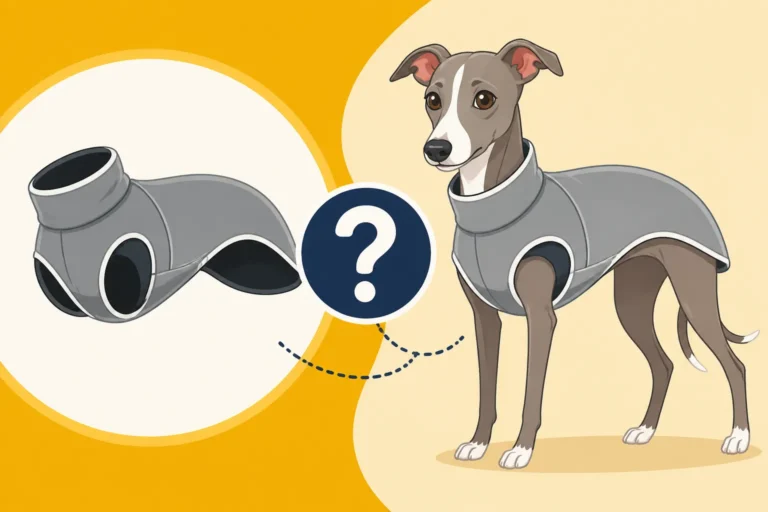
This isn't just about fashion; it's about survival for an Italian Greyhound. Their thin skin, minimal body fat, and short coats mean they get cold very easily, even indoors. Keeping an Italian Greyhound Warm Is Daily Work, Not a Winter Job, not just a seasonal task. This means a wardrobe of sweaters, fleeces, and outdoor coats is not a luxury, but a necessity. They need different layers for various temperatures, from a light sweater indoors to a heavy winter coat for walks in chilly weather.
Beyond clothing, their comfort items are also important. Orthopedic beds are recommended to protect their bony joints, and blankets are a must for burrowing and keeping warm. Many Italian Greyhound owners find that a heated bed or a warm snuggling blanket is appreciated, especially in cooler climates. These items add to the ongoing costs, as bedding needs to be replaced and cleaned regularly. Ignoring their need for warmth can lead to shivering, discomfort, and potentially more serious health issues if they become chilled, making these investments crucial for their well-being. What an Italian Greyhound's Wardrobe Costs a Year can be substantial, especially if you opt for high-quality, well-fitting garments.
Unexpected Costs: The "When, Not If" Scenarios
Here's where a tight budget can really feel the strain. Italian Greyhounds, for all their grace and charm, are delicate creatures. It's not a matter of if an emergency vet visit will happen, but when. Being prepared for these unexpected costs is perhaps the most critical financial consideration for potential owners.
The Looming Shadow of a Broken Leg
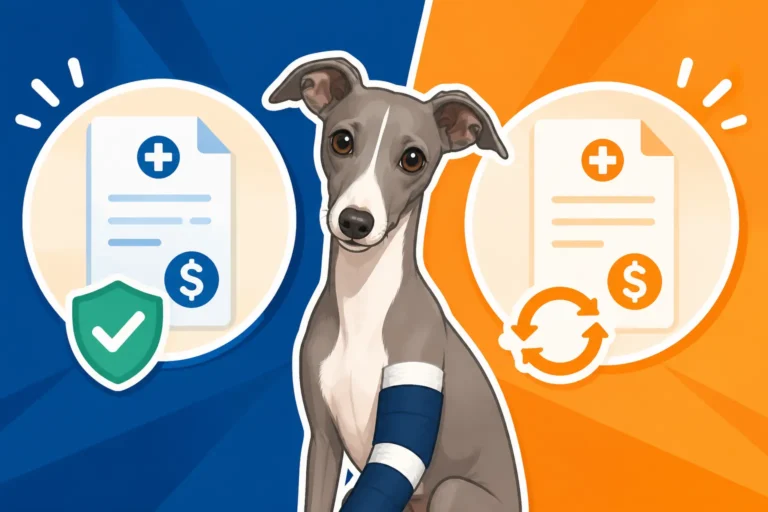
It's a stark reality for Italian Greyhound owners: broken legs are a common, heartbreaking, and incredibly expensive occurrence. A Broken Leg Is the Emergency Every Italian Greyhound Owner Fears, and for good reason. Their long, slender leg bones, particularly the radius and ulna in the forearm, are incredibly fragile, prone to breaking from seemingly innocuous activities like jumping off a sofa, slipping on a hard floor, or even roughhousing with another dog. The Jump Off the Sofa That Breaks an Italian Greyhound's Leg is a classic example of how easily these injuries can happen.
When a fracture occurs, it's rarely a simple cast-and-heal situation. Italian Greyhounds typically require specialized orthopedic surgery to plate or pin the bone, which often needs to be performed by a board-certified veterinary surgeon. What Fracture Repair Costs on an Italian Greyhound is usually a four-figure sum, sometimes escalating rapidly if complications arise or a second surgery is needed. This is not the kind of bill you can put off, and it's where an emergency fund or robust pet insurance becomes absolutely vital. Without these, a broken leg can put an owner in a truly agonizing financial predicament.
Other Health Issues and Age-Related Care
While broken legs grab headlines, Italian Greyhounds can be prone to other health concerns that necessitate significant veterinary intervention. Conditions like Patellar Luxation in an Italian Greyhound, eye diseases such as Progressive Retinal Atrophy in an Italian Greyhound or cataracts, and certain autoimmune conditions can all lead to diagnostic tests, medications, and potentially costly surgeries. Regular screening from a responsible breeder helps reduce some risks, but no dog is entirely immune to illness.
As your Italian Greyhound ages, typically around 10-11 years old, they enter their senior years, and with that often comes a new set of health needs. The Age an Italian Greyhound Is Considered Senior means a greater likelihood of developing conditions like arthritis, heart murmurs, or kidney disease. Caring for an Italian Greyhound Past Eleven often involves more frequent vet visits, ongoing medications, and specialized diets. What Medication an Old Italian Greyhound Needs can easily become a regular monthly expense. This is where pet insurance, like plans offered by Healthy Paws, can be an absolute lifesaver. While it's a monthly premium, it can cover a significant portion of unexpected illness or accident costs, turning a potentially bankrupting vet bill into a manageable deductible and reimbursement. However, it's important to note that most pet insurance policies do not cover pre-existing conditions, so enrolling when your Italian Greyhound is young and healthy is key.
Lifestyle Adjustments and Hidden Costs
Beyond the tangible costs of food and vet bills, Italian Greyhounds demand certain lifestyle adjustments that can indirectly impact your budget. These aren't always immediately obvious, but they contribute to the overall financial picture of ownership.
Home Modifications for Safety
To mitigate the risk of injury, particularly leg fractures, many Italian Greyhound owners find themselves making modifications to their homes. This often means investing in Ramps and Steps for an Italian Greyhound's Furniture so they don't jump off sofas, chairs, or beds. Gating stairs to prevent unsupervised access is also common. You might also consider non-slip rugs or runners on hard floors to provide better traction, reducing the chance of slips and falls. Setting Up a House an Italian Greyhound Cannot Break a Leg In requires a proactive approach and some upfront investment.
These modifications aren't just for preventing broken bones; they create a safer, more comfortable environment. Without them, you're constantly on edge, trying to prevent jumps or falls, which can be mentally exhausting and ultimately lead to the very accident you're trying to avoid. The cost of these items – from custom-built ramps to strategically placed rugs – needs to be factored into your overall budget.
Training and Socialization Needs
Italian Greyhounds are intelligent but can be sensitive and challenging to housetrain. Housetraining an Italian Greyhound Is the Hardest Part of Owning One is a common refrain among owners. Many Iggies are particular about going outside in inclement weather, leading some owners to invest in indoor potty solutions like litter boxes or grass pads. Consistent, positive reinforcement training is key, and some owners might seek out professional trainers, especially for initial puppy socialization or addressing specific behavioral challenges like separation anxiety, which can be common given their "Velcro" nature.
While training classes or one-on-one sessions are an added expense, they can be a worthwhile investment. A well-trained and socialized Italian Greyhound is a happier, more confident dog, and it can prevent future behavioral issues that might otherwise lead to destruction or stress for both dog and owner. Remember that shouting or harsh corrections are particularly detrimental to their sensitive nature, making positive reinforcement methods the only effective approach, sometimes requiring professional guidance to master. Why Raising Your Voice Sets an Italian Greyhound Back a Month is an important lesson for any IG owner.
Travel and Pet Sitting
Italian Greyhounds are typically very attached to their people and thrive on companionship. They are often referred to as "Velcro dogs" for a reason! This strong bond means they don't always do well being left alone for long periods, or in traditional boarding kennels, especially if those facilities aren't equipped to keep them warm or handle their delicate structure. This can lead to increased costs for pet sitting services or having to find specialized sitters experienced with sighthounds.
If you travel frequently, you'll need to budget for these arrangements. Some owners find that an Italian Greyhound makes an excellent travel companion, fitting comfortably in a carrier in the cabin of an airplane. However, flying with a pet also comes with its own fees and considerations. If you need to leave your Italian Greyhound for more than a few hours a day, the cost of a dedicated pet sitter or dog walker should be a regular line item in your budget, as How Long an Italian Greyhound Copes Alone is often not very long before anxiety sets in.
Is an Italian Greyhound the Right Fit for a Tight Budget?
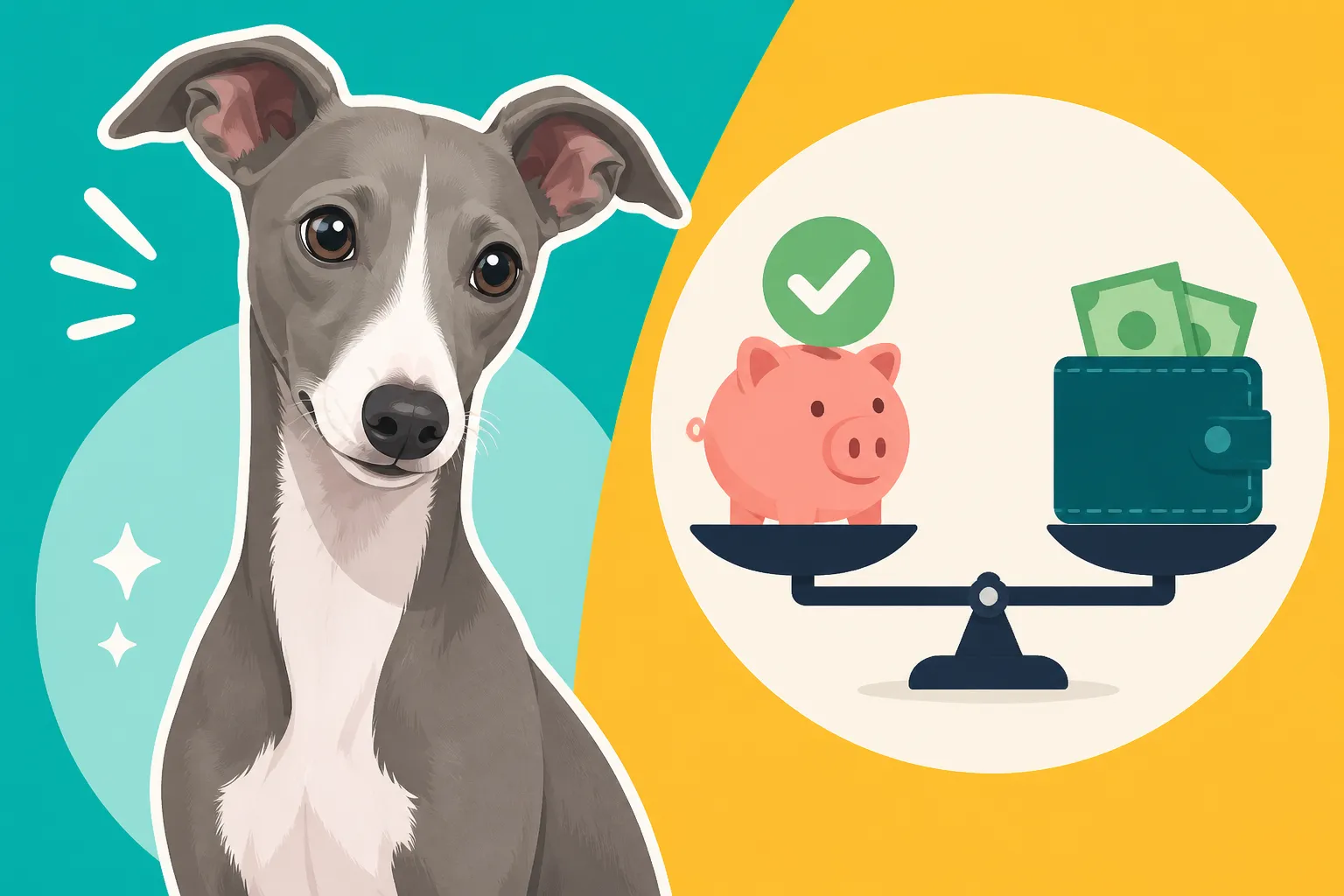
So, after laying out all these considerations, can an Italian Greyhound suit a tight budget? The honest answer is: it's challenging, and often, not ideal. While their food costs might be lower due to their size, the potential for high, unexpected veterinary bills (especially for fractures and dental issues) means that a significant emergency fund or comprehensive pet insurance is not a luxury, but a necessity.
An Italian Greyhound thrives in a home where their delicate nature is understood and catered to, where warmth is ensured, and where consistent, quality veterinary care is prioritized. If your budget is truly "tight" to the point where an unexpected $3,000 to $6,000 emergency vet bill would create a major financial crisis, it might be wise to reconsider the breed or, at the very least, ensure you have a robust financial safety net in place before bringing one home. The peace of mind that comes with knowing you can provide for your Italian Greyhound, no matter what challenges arise, is invaluable.
The table below summarizes common costs associated with Italian Greyhound ownership, helping you visualize the financial commitment.
| Category | Description | Budget Impact (Relative) | Key Considerations |
|---|---|---|---|
| Initial Costs | Purchase/Adoption fee, initial vet visits, vaccinations, microchip, basic supplies (crate, bowls, leash) | Medium to High | Breeder costs vary, rescue fees are lower. Vet costs include multiple puppy visits. Supplies need to be appropriate for a delicate breed. |
| Ongoing Monthly | Food, treats, parasite prevention, dental care (home), clothing (seasonal) | Medium | High-quality food is important but they eat little. Frequent dental care and clothing for warmth are unique ongoing needs. |
| Ongoing Annually | Annual vet check-ups, dental cleanings (under anesthesia), pet insurance premiums | High | Dental cleanings are frequent and costly. Pet insurance is highly recommended and adds a consistent monthly/annual cost. |
| Unexpected/Emergency | Fracture repair, illness treatment, emergency vet visits, specialized care, senior care | Very High | The biggest financial risk. Fractures are common and require expensive, specialized surgery. Pet insurance is crucial for managing these costs. What an Italian Greyhound's Emergency Vet Visit Costs are no joke. |
| Lifestyle Costs | Home modifications (ramps), professional training, pet sitting/travel arrangements | Medium | Ramps/steps are essential for safety. Professional training may be needed for housetraining or anxiety. Pet sitters are often preferred over boarding. |
Disclaimer
This article is for general informational purposes only and does not constitute professional advice. Laws, prices and regulations vary by location and change over time. Consult a qualified professional for guidance on your specific situation.