What an Italian Greyhound’s Wardrobe Costs a Year
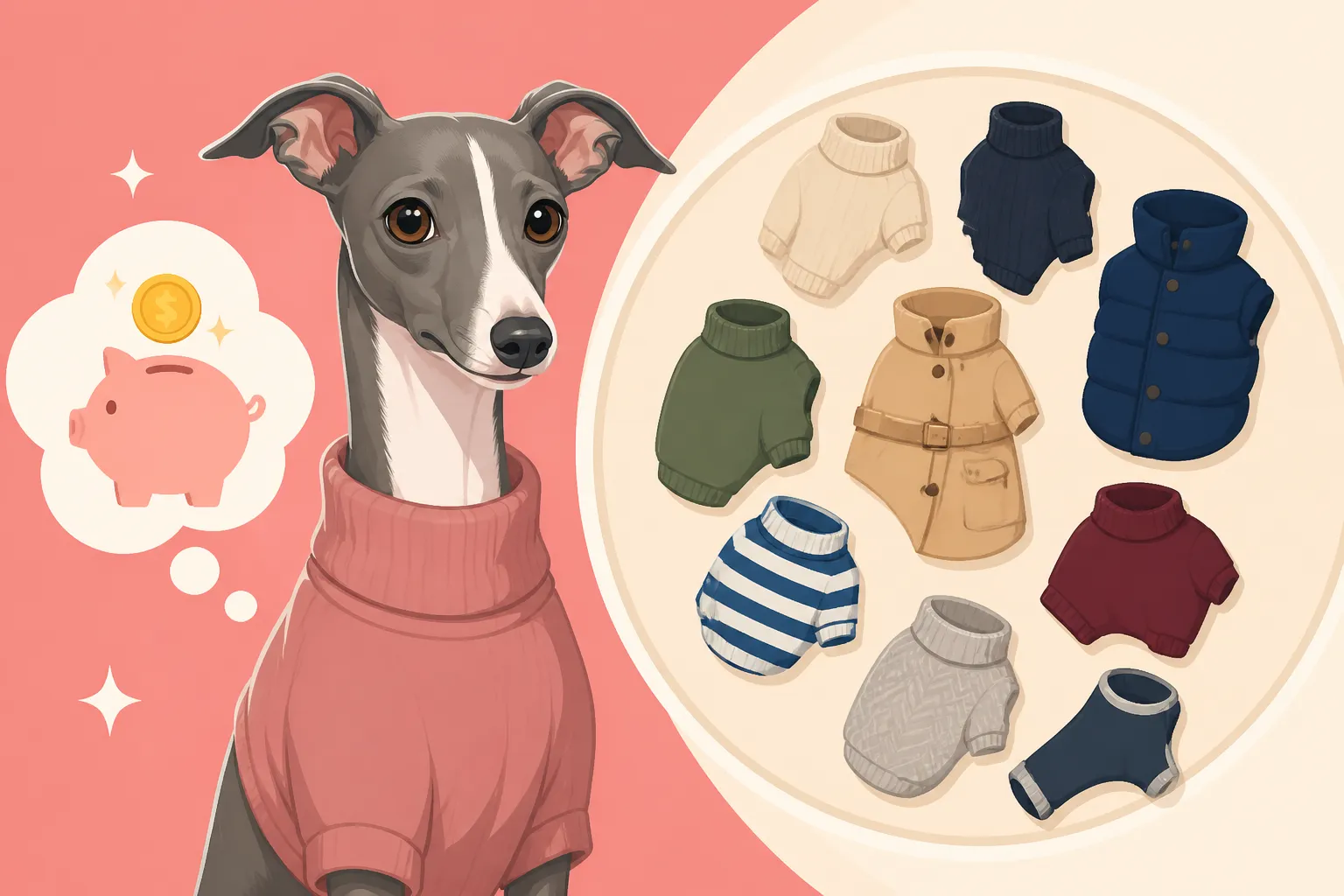
One of the biggest surprises for new Italian Greyhound owners, and often a source of quiet frustration, is just how much clothing these tiny, elegant dogs actually need. You might envision a sleek, minimalist pet, but the reality is that their delicate build and lack of body fat mean a significant portion of your annual budget will likely go towards keeping them warm and protected. This guide will walk you through the various clothing items your Italian Greyhound will genuinely require throughout the year, what to expect in terms of annual costs, and how to approach building their essential wardrobe.
The Undeniable Need for an Italian Greyhound Wardrobe
It's not just about fashion, although our Iggies certainly look dashing in their carefully chosen outfits! For an Italian Greyhound, clothing is a fundamental necessity for their health and comfort. Owners quickly learn that ignoring this aspect of their care can lead to a very unhappy, shivering, and potentially unhealthy dog.
Lack of Natural Insulation
Italian Greyhounds are often described as "nature's mistakes" when it comes to regulating their body temperature, and it’s true. They possess an incredibly thin coat, almost no body fat, and a fine bone structure that offers little in the way of natural insulation. This isn't just a slight chill; it means they struggle to retain warmth in anything less than perfect room temperature. You’ll notice your Italian Greyhound shivering indoors even when you feel perfectly comfortable, especially if they are napping or just lounging around. This physiological reality is why a simple sweater isn't a luxury item for an IG; it's a basic need, akin to their food and water. You'll soon understand Keeping an Italian Greyhound Warm Is Daily Work, Not a Winter Job, not just when it snows.
Consider a chilly evening indoors. While you might reach for a blanket, your Italian Greyhound needs that warmth directly on their skin. Their rapid metabolism can burn through calories just trying to stay warm, leading to discomfort and potentially affecting their overall well-being. A well-fitting sweater or pair of pajamas traps their body heat, allowing them to relax and conserve energy. This is especially true for puppies and seniors, who are even more susceptible to the cold.
Fragile Skin and Injury Protection
Beyond warmth, clothing serves a crucial protective role for Italian Greyhounds. Their skin is famously thin, almost paper-like, and remarkably delicate. This isn't an exaggeration; a minor bump or brush against a rough surface can result in a tear or scrape that would barely faze a dog with a thicker coat and tougher skin. Many owners have stories of minor accidents leading to surprisingly deep skin injuries, simply because their IG's skin offered so little resistance.
A sweater or coat acts as a lightweight shield against these everyday hazards. Imagine your Italian Greyhound zipping around the house, playing with another dog, or exploring a new environment. That layer of fabric can make all the difference, deflecting sharp edges or cushioning minor impacts that might otherwise cause a skin laceration. While it won't prevent all injuries, it significantly reduces the risk of superficial scrapes and tears. This protective aspect is particularly important during boisterous play or when venturing into areas with potential snags, such as overgrown paths on a walk.
Seasonal Wardrobe Staples and Their Annual Cost Implications
Just like humans, Italian Greyhounds need different clothing for different seasons. Their wardrobe isn't a "one size fits all" affair; it adapts to the temperature fluctuations and specific environmental challenges of spring, summer, autumn, and winter. Planning for these seasonal changes is key to understanding How Many Coats an Italian Greyhound Needs and budgeting for their annual wardrobe.
Winter Warmth Essentials
Winter is undoubtedly the season where the Italian Greyhound's wardrobe truly comes into its own, demanding the most significant investment. When the temperatures drop, these little dogs simply cannot generate or retain enough body heat on their own. Their survival and comfort depend on layers, often multiple layers, even when just lounging inside the house.
For indoors, think cozy pajamas and lightweight sweaters. These aren't for show; they help maintain a consistent body temperature, preventing shivering that can lead to energy drain and discomfort. Many Italian Greyhound owners find that their dogs need pajamas for sleeping or just hanging out, especially if the indoor temperature is The Indoor Temperature an Italian Greyhound Starts Shivering At. You might find yourself buying several sets of pajamas, as they get dirty, or you simply want to rotate them. Beyond pajamas, lighter fleece or knit sweaters are essential for daytime wear indoors, serving as a base layer or standalone garment when the house isn't quite toastie enough.
For outdoor excursions in colder weather, a heavy-duty coat is non-negotiable. These coats need to be well-insulated, often waterproof or water-resistant, and cover a good portion of your Italian Greyhound's body, from neck to tail, and sometimes even offering belly protection. Many owners opt for technical fabrics designed to trap heat without being bulky. Consider a coat with a fleece lining and a windproof outer shell for maximum effectiveness. You might need more than one heavy coat—perhaps a "nice" one for walks in the park and a more rugged one for muddy adventures. Don't forget their paws! While not strictly clothing, boots are often necessary to protect delicate pads from ice, snow, and de-icing chemicals. You'll quickly learn What an Italian Greyhound Wears Indoors in Winter and how crucial these layers are.
Transitional Weather Layers
Spring and autumn bring their own challenges for Italian Greyhounds. The weather can be unpredictable, swinging from mild to chilly, often with sudden downpours. This means their wardrobe needs to be versatile, focusing on lighter protection and layering options that can be easily added or removed.
Raincoats are an absolute must. Italian Greyhounds famously despise getting wet, and a good raincoat, preferably waterproof (not just water-resistant) and quick-drying, will make walks on damp days much more tolerable for them – and for you, as you won't be dealing with a soaked, shivering dog afterward. These raincoats typically don't offer much in the way of warmth, so they are often paired with a light sweater underneath if the air is cool.
Lighter jackets, such as those made from a single layer of fleece or a windbreaker material, are perfect for crisp mornings or evenings when a full winter coat is too much but bare skin is too little. These are also excellent for layering under a raincoat when extra warmth is needed. Think about how you dress for a cool, breezy day – often a light jacket over a long-sleeved shirt. Your Italian Greyhound benefits from a similar approach. Having a few of these lighter options on hand allows you to adapt quickly to changing weather patterns without over-dressing or under-dressing your sensitive companion.
Summer Sun Protection (and Occasional Warmth)
While summer generally means less clothing for an Italian Greyhound, there are still situations where a piece of their wardrobe comes into play. It's not always about warmth during the hotter months; sometimes, it's about protection from the elements.
In extremely sunny climates, or if your Italian Greyhound has very light skin or is spending extended time outdoors, a lightweight sun shirt might be a consideration. These shirts, often made of UV-protective fabric, can prevent sunburn on their delicate, sparsely-furred skin. This is particularly relevant for dogs with lighter coat colors or those that have experienced hair thinning.
Conversely, some summer evenings or air-conditioned environments can still be too cool for an Italian Greyhound. If you keep your home quite cool with air conditioning, or if you're traveling somewhere with unpredictable temperatures, a very light, breathable cotton or mesh sweater can provide just enough comfort without causing them to overheat. It’s about balance, and listening to your dog's cues about their comfort level, even in summer.
Here's a breakdown of potential annual wardrobe items and their frequency of purchase:
| Item Type | Primary Purpose | Annual Purchase Frequency | Considerations |
|---|---|---|---|
| Winter Coats | Max warmth, weather protection | 1 every 1-3 years | Invest in good quality, waterproof. May need a spare for washing. |
| Sweaters (Heavy) | Indoor/outdoor warmth, layering | 1-2 per year | Fleece, wool blends. Often needed indoors if Whether an Italian Greyhound Needs a Sweater Indoors. |
| Sweaters (Light) | Indoor warmth, transitional weather | 2-3 per year | Cotton, light knits. For cool indoor temps or mild outdoor days. |
| Pajamas | Overnight warmth, indoor comfort | 2-4 per year | Soft, stretchy fabrics. Essential for many Iggies, especially in winter. Often need replacing due to wear. |
| Raincoats | Waterproofing | 1 every 2-4 years | Lightweight, durable, quick-drying. May need a light sweater underneath for warmth. |
| Boots | Paw protection (hot/cold/rough) | 1-2 sets per year | Crucial for winter. Can be difficult to keep on; look for well-fitting options. |
| Sun Shirts | UV protection | 1 every 2-3 years | For very sunny areas or Iggies with delicate skin/light coats. |
| Harnesses/Collars | Walking/identification | 1 every 1-3 years | Essential for safety. Which Harness Suits an Italian Greyhound's Neck is important for their delicate necks. |
Note: The actual cost depends heavily on brand, material, and how many items you choose to buy.
Beyond Basic Clothing: Protective & Practical Gear
While sweaters and coats form the backbone of an Italian Greyhound's wardrobe, there's a range of other protective and practical items that can contribute to their safety and comfort, and therefore to your annual expenditure. These aren't always 'clothing' in the traditional sense, but they are worn by your dog and serve a vital function.
Safety and Identification Gear
Even the most well-behaved Italian Greyhound can be unpredictable, especially if their prey drive kicks in or they get spooked. A secure harness and collar are paramount. Due to their unique body shape – deep chests and slender necks – standard off-the-rack harnesses often don't fit well and can allow for easy escape. Investing in an Italian Greyhound-specific harness, often a martingale-style harness or one designed for sighthounds, is crucial. This might mean a higher initial cost but is invaluable for their safety.
You might also consider specialized harnesses or vests for specific activities. For instance, if you take your Italian Greyhound hiking, a brightly colored or reflective vest can enhance their visibility in low light or dense foliage, making them easier to spot and protecting them from accidental encounters with hunters or cyclists. These items might not be bought every year but represent an occasional cost. Additionally, a GPS tracker, while not clothing, is often attached to a collar or harness and is a wise investment for a breed known for its speed and tendency to bolt. Why a Microchip Is Not Enough for an Italian Greyhound is a critical read for any IG owner.
Post-Surgical and Medical Garments
Sometimes, clothing takes on a purely medical purpose. If your Italian Greyhound undergoes surgery, especially for a leg fracture – which is sadly common in the breed – or a spay/neuter, they may need specialized garments. These aren't just for aesthetics; they are vital for recovery.
Post-surgical bodysuits or "recovery suits" can be a fantastic alternative to the dreaded "cone of shame." They cover incisions, preventing your dog from licking or chewing at stitches, which can lead to infection or reopening the wound. These suits allow for more comfortable movement and rest than a rigid plastic cone. While often provided or recommended by your vet, purchasing additional ones for washing purposes or a more comfortable fit might be necessary. This is a specific, event-driven cost, but it's part of the comprehensive annual financial picture for an Italian Greyhound, especially considering the possibility of a broken leg, which is The Age an Italian Greyhound Is Most Likely to Break a Leg. Additionally, if your Italian Greyhound needs wound care, bandages and protective wraps might be considered part of their medical "wardrobe."
Smart Shopping and Budgeting for Your IG's Closet
The cost of outfitting an Italian Greyhound can add up, but with some savvy shopping and thoughtful planning, you can manage the expenses without sacrificing their comfort or safety. It’s about making smart choices and understanding where to invest your money.
Savvy Shopping Strategies
First and foremost, don't feel pressured to buy everything new or at full price. Sales, clearances, and end-of-season discounts are your best friends. Keep an eye out for these opportunities, especially from brands known for making sighthound-specific clothing. These specialized retailers often have sales events, and signing up for their newsletters can alert you to upcoming deals. Stores like Chewy might offer some general dog clothing that could work, but for truly well-fitting items, seek out companies specializing in Italian Greyhounds.
Second-hand markets can be a goldmine. Many Italian Greyhound owners are part of online communities, and it's common for dogs to outgrow items or for owners to sell gently used clothing their Iggies no longer need. This is particularly useful for less-worn items like holiday sweaters or slightly outgrown puppy coats. Just ensure items are clean and in good repair before purchasing. Also, consider local pet boutiques that might carry smaller, more unique brands, or even consignment shops if you're lucky.
Finally, think about multi-purpose items. A good quality, warm winter coat that is also water-resistant can save you from buying a separate heavy coat and a waterproof shell. Layering lighter sweaters under a transitional jacket can create warmth for colder days, extending the use of each piece. This smart layering can reduce the overall number of specialized garments you need.
DIY and Custom Creations
For those with a knack for crafting, making some of your Italian Greyhound's wardrobe can be a fantastic way to save money and ensure a perfect fit. Knitting or crocheting simple sweaters and snoods (neck warmers) is a popular option. There are many free patterns available online specifically for sighthound shapes, which account for their deep chests and narrow waists, solving the perennial problem of Why Off the Rack Coats Do Not Fit an Italian Greyhound.
Sewing offers even more possibilities. You can create custom raincoats, pajamas, and even more elaborate winter coats if you're skilled. This allows you to choose fabrics that are perfectly suited to your dog's needs and your local climate, and you can truly tailor the fit, which is crucial for comfort and preventing chafing on their delicate skin. Even simple modifications to store-bought items, like adding darts or adjusting hems, can make a huge difference in fit and extend the life of a garment. Don't underestimate the power of a well-placed button or strap to help an item fit better.
Investing in Quality Versus Quantity
When it comes to Italian Greyhound clothing, there's a delicate balance between buying many cheap items and investing in fewer, high-quality pieces. For essential items like winter coats and primary harnesses, quality often wins out. A well-made coat from durable, performance fabrics will last longer, provide better protection, and ultimately be more cost-effective over several years than buying several flimsy coats that wear out quickly. You'll find that a What a Fitted Italian Greyhound Sweater Costs can vary widely, but often the investment pays off in durability and comfort.
However, for items like everyday indoor sweaters or pajamas that get a lot of wear and frequent washing, it might make sense to have a larger quantity of moderately priced items. These are more prone to wear and tear, and having several allows for rotation, extending the life of each piece. Consider items like pajamas, where having a few sets on rotation helps with laundry and ensures your dog always has a clean, cozy option. The key is to assess each item's purpose and how frequently it will be used, then decide whether to prioritize durability or affordability and quantity.
Longevity, Replacement, and Annual Maintenance
Just like your own clothes, your Italian Greyhound's wardrobe isn't a one-time purchase. Items wear out, get damaged, or become ill-fitting. Understanding the expected lifespan of various garments and factoring in replacements and maintenance is crucial for an accurate annual budget.
Expected Wear and Tear
The lifespan of an Italian Greyhound's clothing varies wildly depending on the item, its quality, and how often it's worn and washed. Everyday items like pajamas and basic sweaters will naturally see more wear and tear than a specialized raincoat used only on rainy days. High-quality winter coats, particularly those made with durable outdoor fabrics, can last several seasons if well-maintained. Cheaper, fast-fashion dog clothes, however, might only make it through one winter before showing significant signs of deterioration like stretched-out fabric, fading, or unraveling seams.
Think about How Many Sweaters an Italian Greyhound Goes Through in a year. If you have just one or two, they'll be washed constantly, leading to faster degradation. Having a small rotation extends the life of each garment. Pay attention to areas prone to wear, such as the armpits, belly, and neck seams. These are often the first places to show thinning or holes due to movement and rubbing. Recognizing these signs early allows you to repair or replace the item before it becomes ineffective or uncomfortable for your dog.
Outgrowing and Resizing Needs
For Italian Greyhound puppies, outgrowing their clothes is a delightful, yet costly, part of their first year. They grow surprisingly quickly in their first few months, meaning sweaters and coats bought early on may only fit for a short period. It’s often wise to buy basic, affordable items for puppies, knowing they’ll soon need the next size up. Alternatively, some owners choose to buy slightly oversized items they can grow into, though this risks discomfort or tripping if the clothing is too large initially.
Even adult Italian Greyhounds can experience changes that necessitate new wardrobe pieces. Weight fluctuations, whether due to a new diet, aging, or a medical condition, can mean existing clothes no longer fit comfortably. A dog that gains a little weight might find their cozy sweaters too snug, while one who loses weight might be shivering in an oversized coat. Regular monitoring of your Italian Greyhound's weight and measurements can help you anticipate these changes and plan for replacements. Remember, a poorly fitting garment isn't just uncomfortable; it can be ineffective at providing warmth or protection.
Dealing with Damage and Repairs
It's inevitable: sometimes, despite your best efforts, clothing items will get damaged. A rip from enthusiastic play, a snag on a branch, or even just a mysterious hole that appears after a wash cycle are all common occurrences. Learning basic mending skills can save you money and extend the life of an item. A simple needle and thread can patch small holes or reattach loose seams. For more significant damage, iron-on patches or fabric glue can be a quick fix.
However, there comes a point when an item is beyond repair or has lost its functionality. A winter coat that's no longer waterproof, or a sweater with too many holes to provide adequate warmth, needs to be replaced. Trying to make do with damaged clothing can compromise your Italian Greyhound's comfort and health. Factor in a small "repair and replacement" fund into your annual budget to cover these unexpected needs. Being proactive about mending small tears can prevent them from becoming larger, irreparable problems, ultimately saving you money in the long run.
Disclaimer
This article is for general informational purposes only and does not constitute professional advice. Laws, prices and regulations vary by location and change over time. Consult a qualified professional for guidance on your specific situation.